


Effective Sprain Treatment at Home: Quick Relief Tips
The Biomechanical Evolution of Acute Ankle Sprain Management: From Immediate Clinical Intervention to Orthopedic Footwear Integration
The clinical landscape of soft tissue injury management has shifted significantly toward a more integrated approach that prioritizes immediate intervention and long-term biomechanical stabilization. The occurrence of an acute ankle sprain—a mechanical disruption of the ligamentous structures—frequently transpires during routine activities, such as stepping off a curb or traversing uneven terrain. In these moments, the initial sixty minutes, colloquially referred to as the "golden hour," serve as a critical window that determines the trajectory of the entire recovery timeline.1 The physiological response to such an injury is characterized by an immediate inflammatory cascade, which, while essential for healing, must be carefully modulated to prevent secondary tissue damage and chronic instability.
Histological and Pathophysiological Foundations of Ligamentous Injury
To effectively manage a sprain at home, one must first understand the histological nature of the injury. A sprain is defined as the stretching or tearing of a ligament, the dense, fibrous connective tissue that tethers bones to other bones, providing passive stability to the joint.1 This is distinct from a strain, which involves the disruption of musculotendinous units.1 The ankle joint is particularly susceptible to these injuries due to its complex architecture and the high degree of torque generated during bipedal locomotion.
When a ligament is overextended, the collagen fibers within the tissue undergo mechanical failure. This failure triggers a vascular response often compared to a "crowded construction site" where an excessive number of workers arrive simultaneously, leading to a "traffic jam" of fluids, white blood cells, and repair enzymes.1 This cellular bottleneck results in localized edema and hydrostatic pressure, which manifests as throbbing pain and visible swelling. Immediate first aid for twisted ankles aims to clear this bottleneck through immobilization and metabolic regulation, thereby preventing the formation of disorganized, stiff scar tissue that can permanently impair joint mobility.1
Clinical Classification and Severity Grading
Medical professionals utilize a "frayed rope" analogy to stratify the severity of ligamentous damage. This grading system is essential for determining whether home-based self-care is appropriate or if surgical intervention is required.1
|
Clinical Grade |
Pathological Description |
Functional Impairment |
Structural Integrity |
|
Grade 1 |
Microscopic stretching of fibers. |
Minimal pain, slight swelling, no instability. |
The "rope" is stretched but intact. |
|
Grade 2 |
Partial macroscopic tearing. |
Moderate pain, bruising, significant swelling, and mild laxity. |
The "rope" is partially frayed. |
|
Grade 3 |
Complete rupture or avulsion. |
Severe pain, extensive bruising, gross instability, and weight-bearing failure. |
The "rope" has snapped entirely. |
Source: 1
A Grade 3 injury is frequently accompanied by an audible "popping" sound at the time of the insult, signifying a total loss of ligamentous continuity.1 While Grades 1 and 2 are typically manageable through structured home care, a Grade 3 injury necessitates professional orthopedic evaluation to rule out the need for surgical reconstruction.
Differential Diagnosis and Clinical Red Flags
A primary challenge in home-based treatment is the potential for a severe sprain to mimic the clinical presentation of a bone fracture. Identifying "red flags" is the first step in any recovery protocol, ensuring that skeletal trauma is not mismanaged as a simple soft tissue injury.1
The medical community has established specific criteria that mandate immediate professional consultation. If any of the following clinical signs are present, home care must be deferred in favor of an emergency evaluation:
-
Inability to Bear Weight: If the individual cannot take four steps—even with a significant limp—it suggests a potential fracture of the malleolus or the fifth metatarsal.1
-
Visible Bone Deformity: Any gross misalignment or unnatural contour of the foot or ankle indicates a displaced fracture or joint dislocation.1
-
Neurovascular Compromise: The presence of numbness, tingling, or "pins and needles" in the toes, or a noticeable drop in skin temperature (cold toes), indicates that swelling or displaced bone is compressing nerves or obstructing blood flow.1
-
Severe Nocturnal Pain: Pain that is intense enough to prevent sleep often indicates intra-articular damage or a stress fracture that exceeds the threshold of typical ligamentous inflammation.1
If the injury passes this safety check, the implementation of the RICE protocol—Rest, Ice, Compression, and Elevation—can begin immediately as a reliable tool for ligament injuries.1
The Biomechanics of the RICE Protocol
The RICE method functions as a biological "dimmer switch," modulating the body's natural inflammatory response through mechanical and thermal means. This protocol is designed to induce vasoconstriction—the shrinking of blood vessels—which slows the influx of painful fluids to the damaged area.1
Rest and Metabolic Demand
Rest is the cornerstone of early-stage recovery, particularly during the first 48 hours.1 By staying off the injury, the individual reduces the metabolic demand of the surrounding tissues and prevents further mechanical stress on the "frayed" fibers. Continued weight-bearing during this phase can exacerbate a Grade 1 injury into a more severe state, as the weakened ligaments are forced to support the body's entire mass during movement.
Cryotherapy and Temperature Control
Ice is a potent anti-inflammatory agent when used with precision. Household items, such as a bag of frozen peas, are often superior to rigid ice packs because they mold perfectly to the irregular contours of the ankle joint.1 The primary goal of cryotherapy is to lower the tissue temperature enough to slow the inflammatory cascade without causing "ice burn" or superficial nerve damage.
Clinical guidelines dictate a 20-minutes-on, 20-minutes-off schedule.1 This intermittent application prevents the body from overcompensating for the cold by increasing blood flow to the area (a phenomenon known as the Hunting Response). Furthermore, the ice source should always be wrapped in a thin towel to protect the skin barrier while allowing for effective thermal transfer.1
Compression and Proprioception
Compression bandages serve a dual purpose: they provide external pressure to counteract internal swelling and enhance the brain's "joint awareness," a sensory process called proprioception.1 This internal support sensation is vital for preventing "clumsy" secondary twists while the tissues are in a vulnerable state.
The application of an elastic bandage should follow a "Figure-Eight" pattern.1 This technique starts at the ball of the foot, sweeps diagonally across the top, and loops around the heel to form a secure crisscross shape. To ensure the wrap is supportive rather than restrictive, the "2-Finger Test" should be performed: the wearer should be able to slide two fingers comfortably under the wrap's top edge.1 If the wrap is too tight, it creates a "tourniquet effect," leading to coldness or numbness in the toes, which can impede the healing process.1
Elevation and Gravity-Assisted Drainage
Elevation is the most effective way to utilize gravity to reduce edema. For this process to be successful, the injured ankle must rest visibly higher than the heart, not merely propped on a low footstool.1 Stacking firm pillows to achieve this height facilitates the drainage of interstitial fluid back toward the central circulatory system, thereby reducing the painful pressure on local nerve endings.1
Thermal and Pharmacological Management of Pain
The timing of pain relief is as critical as the treatment itself. A common mistake in home care is the premature application of heat, which can exacerbate swelling by dilating blood vessels and increasing blood flow to the damaged area.1
The Ice vs. Heat Paradigm
The rules of ice vs. heat for soft tissue injuries require a strict 72-hour waiting period.1 Ice is the primary modality for the acute phase, calming the immediate tissue damage. Heat should only be introduced once the initial swelling is under control and the primary clinical concern shifts from inflammation to joint stiffness.
Pharmacological Strategies
The choice of over-the-counter medicine for ankle pain and swelling depends on the desired clinical outcome.
-
NSAIDs (Ibuprofen): These act as an "internal fire extinguisher," targeting the biochemical pathways of inflammation to actively shrink the ballooning joint.1
-
Analgesics (Acetaminophen): These block pain signals but do not target the underlying puffiness. They are often a safer choice for individuals with contraindications for NSAIDs, such as kidney disease or gastric ulcers.1
-
Topical Ointments: An ointment for sprained ankle, such as a pain-relief gel or anti-inflammatory cream, can provide localized relief for throbbing symptoms but must be used as a supplement to, not a replacement for, rest and compression.1
The Transition from Immobilization to Mobilization
While the initial phase of recovery requires rest, prolonged bedrest can eventually become counterproductive. Ligaments are like thick rubber bands that require safe stretching to prevent them from becoming stiff and brittle. This stage of recovery involves "progressive loading"—the process of slowly adding safe stress to the injured tissue.1
Rehabilitation Exercises for Ankle Mobility
Gentle movements can begin once sharp pain has subsided and swelling has started to plateau. These are typically performed in a seated, non-weight-bearing position to restore range of motion without risking a re-sprain.
-
Ankle Alphabets: The individual traces the letters of the alphabet in the air with their big toe.1 This exercise encourages movement in all anatomical planes: dorsiflexion, plantarflexion, inversion, and eversion.
-
Toe Wiggles: Repeatedly squeezing and releasing the toes promotes healing blood flow to the distal foot.1
-
Towel Curls: Placing a hand towel on the floor and scrunching it toward the body using only the toes engages the intrinsic muscles of the foot, which are critical for maintaining the medial longitudinal arch.1
The progression back to walking should be guided by a "1-to-10 Pain Scale".1 If physical activity pushes the pain past a level 3, the individual should return to a state of rest. Walking with a significant limp is a sign that the joint is not yet ready for weight-bearing and requires further stabilization.
Orthopedic Footwear as a Stabilization Tool
As the individual transitions from bedrest to short, careful walks, the choice of footwear becomes a primary factor in preventing re-injury. Modern orthopedic footwear is engineered to act as a "steady base" while ligaments rebuild their tensile strength.1 Unlike standard athletic shoes, which may prioritize aesthetics or general cushioning, orthopedic shoes are designed with specific biomechanical features to support a healing ankle.
Critical Engineering Features for Post-Sprain Recovery
When evaluating an orthopedic footwear brand, five specific features are essential for supporting a compromised joint:
-
Firm Heel Counter: This is the rigid part at the back of the shoe that cups the heel. It prevents the heel from wobbling side-to-side, which is the primary motion that triggers an inversion sprain.1
-
Non-Slip Outsole: Superior grip is necessary to prevent repeat twists on uneven footpaths or wet surfaces.1
-
Medical-Grade Cushioning: Shock absorption is vital when swelling makes each step feel sharp. A high-rebound EVA midsole can reduce the vertical impact forces that travel up the kinetic chain.1
-
Adjustable Volume: Since swelling fluctuates throughout the day, adjustable laces or hook-and-loop straps allow for a customizable fit that doesn't restrict circulation.1
-
Orthotic-Friendly Depth: Shoes with removable insoles and extra depth are necessary for those who require custom arch supports or ankle braces.1
Comparative Analysis of Footwear Features
The following table compares the functional benefits of standard footwear versus orthopedic-grade footwear during the recovery phase of an ankle injury.
|
Feature |
Standard Footwear |
Orthopedic Footwear |
Clinical Impact on Recovery |
|
Heel Counter |
Often soft or collapsible. |
Rigid and supportive. |
Stabilizes the calcaneus to prevent side-to-side wobble.3 |
|
Midsole |
Primarily focused on comfort/softness. |
Shock-absorbing and stable. |
Acts as impact protection for the hips and knees.3 |
|
Toe Box |
Narrow or pointed designs. |
Wide and roomy. |
Accommodates swelling and allows for natural toe splay.9 |
|
Closure System |
Standard laces or slip-ons. |
Adjustable straps/extenders. |
Allows for fluctuating edema throughout the day.1 |
|
Outsole |
Varies by style; may be slippery. |
Slip-resistant and grippy. |
Prevents secondary twists on wet or uneven surfaces.1 |
Source: 1
The Biological Importance of Arch Support
A critical insight into ankle health is the role of the foot's arch. The arch is not a solid block but a dynamic suspension system.2 When this system fails—often seen as flat feet or overpronation—the ankle is forced to roll inward to compensate. This inward rotation places chronic stress on the medial ligaments and can impede the healing of a lateral sprain.11
Proper foot arch support preserves three essential capabilities:
-
Weight Distribution: Spreading pressure evenly across the foot to prevent high-pressure points.2
-
Shock Absorption: Minimizing the jarring vibrations of walking on hard surfaces before they damage the knees or hips.2
-
Terrain Adaptation: Allowing the foot to adjust to uneven ground without transferring all the torque to the ankle joint.2
For individuals with high arches (Pes Cavus), the lack of contact area increases stress on the ball and heel. Orthopedic shoes designed for this condition provide contoured footbeds that redistribute this pressure, enhancing overall stability.12
Analysis of Orthopedic Product Collections
Selection of footwear during recovery should be tailored to the specific biomechanical needs of the individual. Various collections at orthoshoes.in address these needs through specialized engineering.
Performance and Athletic Support
For those returning to an active lifestyle, the athletic collection provides the highest level of structural integrity.
-
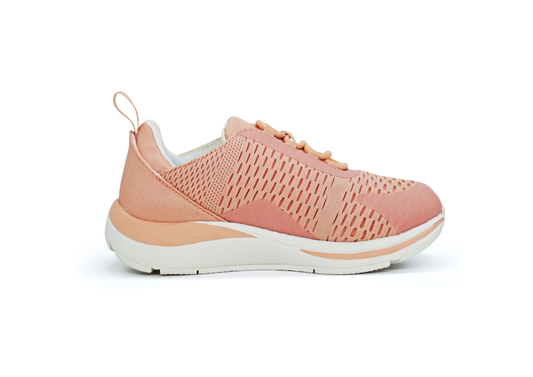
The(https://orthoshoes.in/products/sprinter-orthopedic-athletic-shoe-rose-womens) is a lace-up sneaker that offers superior cushioning and stability. Its design is tailored for all-day relief during the later stages of sprain recovery.5
-
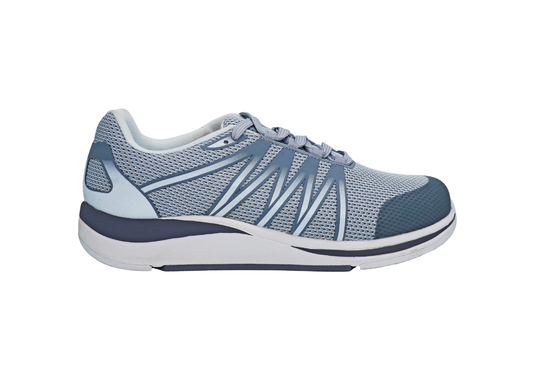
The(https://orthoshoes.in/products/balance-running-shoes-womens) utilizes Walk Right Technology™ and a high-rebound EVA midsole. It features a "Plus Fitting System" with two removable footbeds, making it ideal for accommodating the bulk of an ankle brace or significant swelling.5
-
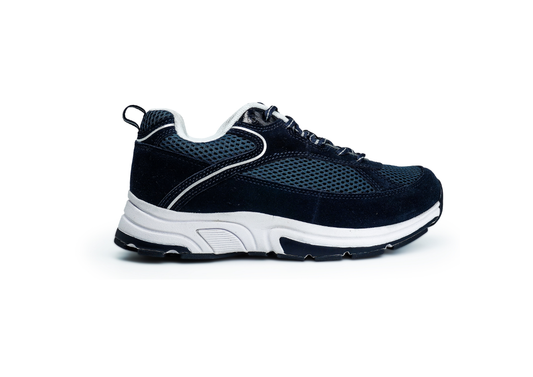
The(https://orthoshoes.in/products/player-mens-orthopedic-walking-shoes) for men focuses on dependable support and all-day ease, providing a firm foundation for those re-entering the boardroom or workplace.5
Specialized Relief for Swollen Feet
As edema is a persistent symptom of sprains, shoes with adjustable volume are paramount.
-
The(https://orthoshoes.in/products/buttercup-orthopedic-sandal-women) features adjustable hook-and-loop straps and a detachable extender. This is particularly beneficial for women who need to adjust the fit of their shoe as swelling fluctuates.5
-
The(https://orthoshoes.in/products/chippy-comfort-orthopedic-walking-shoes-women) offers double-depth construction, allowing for the use of prescribed orthotics without creating painful friction on the top of the foot.5
Indoor and Protective Footwear
Recovery does not end when one returns home. Walking barefoot on hard surfaces can be detrimental to healing ligaments.
-
The(https://orthoshoes.in/products/breezy-slipper-footwear-womens) provides a cushioned, non-slip base for indoor use, featuring adjustable closures at the heel and vamp for a personalized fit.6
-
For individuals with diabetic neuropathy, the use of orthopedic slippers like the(https://orthoshoes.in/products/slipper-rose-women) is critical, as they feature a microcellular polymer footbed to protect weakened bones and sensitive skin from pressure ulcers during the period of limited mobility.11
Prophylactic Measures and Long-Term Joint Health
Once a sprain has healed, the joint is statistically more likely to suffer a subsequent injury. This cycle of re-injury can be broken through "smart footwear choices" as a preventative step.1
The 3-Step Store Test for Stability
An individual can evaluate the supportive quality of any shoe—orthopedic or otherwise—using a simple 30-second physical assessment 3:
-
The Twist Test: Wring the shoe like a wet towel. It should strongly resist. This torsional rigidity stops the midfoot joints from twisting under the body's weight.3
-
The Fold Test: Push the heel and toe together. The shoe should only bend at the "toe break point"—where the toes naturally flex. If it folds in the middle like a taco, the arch loses its foundation.3
-
The Pinch Test: Squeeze the heel cup. It must be rigid enough to prevent the foot from sliding and creating painful friction or "micro-wobbles".3
Timing and Fitting for Swelling
To secure lasting comfort, especially for those with persistent heel pain or arthritis, fitting should occur when the feet are at their largest volume—typically around 4:00 PM.3 Using the "Thumb-Width Rule"—leaving exactly a half-inch of space ahead of the longest toe—ensures that the shoe can accommodate the natural expansion of the foot during a full day of activity.3
Conclusion: A Holistic Approach to Sprain Management
The path from an acute "twist" to full mobility is dictated by the quality of care provided in the initial hours and the biomechanical support maintained in the subsequent weeks. By mastering home remedies such as the RICE protocol and progressive loading, an individual can effectively manage inflammation and restore range of motion.1 However, the long-term success of recovery and the prevention of chronic instability depend on the integration of orthopedic footwear.
Stabilizing the ankle through firm heel counters, managing the kinetic chain through proper arch support, and selecting shoes that allow for fluctuating swelling are all necessary steps in a comprehensive recovery plan.8 Whether utilizing a simple slipper for indoor safety or a high-performance walking shoe, the focus remains on providing the body's natural repair systems with the most stable environment possible. For those whose discomfort persists beyond a week, transitioning care to a medical specialist is the final, essential safeguard in maintaining lifelong joint health.
