


Effective Foot Pain Relief Exercises at Home
Effective Foot Pain Relief Exercises at Home
That first step out of bed shouldn't feel like walking on sharp Lego bricks. Morning stiffness often ruins your routine before it begins, making you wonder if this discomfort is just a normal part of getting older.
Ever find yourself asking, "why do my feet hurt after walking?" Physical therapists explain this is usually simple foot fatigue. Daily activity without proper recovery causes your tissues to tighten overnight, resulting in that sharp morning pinch rather than lasting damage. To provide the necessary structural support during these activities, many find relief by switching to high-quality orthopedic shoes.
Fortunately, gentle movement acts as the perfect recovery tool. By dedicating just five minutes a day to targeted movements, you can build a reliable routine that restores your comfort before breakfast.
The Frozen Bottle Hack: Quenching Arch Inflammation and Heel Pain Instantly
When the throbbing under your foot feels hot and deep, rather than like a simple surface ache, you are dealing with deep tissue inflammation. Figuring out how to relieve heel pain at home effectively starts with combining cold therapy and gentle movement.
Choosing between a massage ball vs foam roller for arch pain can be confusing, but a simple household item actually works best. A frozen water bottle acts as an "ice pack with a purpose," numbing the ache while rolling out tight tissue.
Master this dual-action relief with four simple steps:
-
Freeze a plastic water bottle (about three-quarters full).
-
Sit securely in a chair, placing the bottle under your arch.
-
Press with moderate pressure—aim for a soothing release, never sharp pain.
-
Roll your foot back and forth for three minutes, upgrading your standard plantar fasciitis stretches with a cooling massage.
While icing the arch provides immediate comfort, the root cause often sits higher up your leg. Tight calf muscles frequently pull on your heel, creating a painful rubber band effect.
Why Your Tight Calf Muscles Are Sabotaging Your Feet (The Rubber Band Effect)
Treating foot pain at the source often fails because your body is connected like a pulley system. Think of your calf muscle and heel as ends of a thick rubber band. When your calves get tight, this "rubber band" shrinks, constantly pulling up on your heel and straining your arch. Releasing this upward tension is fundamental to achieving long-term relief.
To safely create slack in these overstretched tissues, you just need basic balance to stand facing a wall. Place both hands flat against the drywall, step your painful foot backward, keep that knee straight, and press your heel into the floor as you lean forward. Holding this stretch for 30 seconds provides one of the most reliable calf muscle release techniques available.
Consistent practice of this achilles tendon mobility routine stops the calf from tugging on your sore heel. However, stretching alone isn't always enough; wearing supportive orthopedic shoes for men or women's orthopedic footwear during the day ensures your calves don't tighten back up immediately.
Building a Stronger Foundation: Intrinsic Muscle Drills to Lift Fallen Arches
Deep inside your foot are tiny stabilizers called intrinsic muscles—think of them as your foot's "core." When this core weakens, you might develop metatarsalgia, a burning ache in the ball of your foot. People often debate metatarsalgia stretches vs strengthening, but stretching a flattened foot rarely provides lasting relief. Instead, you must build up those internal shock absorbers to support your weight naturally.
You only need a standard chair and a bare floor to practice these intrinsic foot muscle activation drills:
-
Towel curls for toe dexterity: Place a small hand towel on the floor and scrunch it toward you using just your toes.
-
Toe spreads: Lift your toes off the ground and fan them out as wide as possible before relaxing.
-
The 'short foot' lift: Keep your foot flat, then gently squeeze your toes backward toward your heel to "dome" your arch upward.
Mastering these simple strengthening exercises dramatically improves your overall walking balance, preparing your feet to handle the demands of a new day.
Morning Mobility Secrets: Simple Stretches to End That First-Step Stiffness
Dreading that first hobble to the bathroom is a common struggle. Stepping down on cold tissues shocks your system, which is why your feet need dynamic movement—gentle, continuous motions—to wake up safely. Unlike rigid static stretching, these active motions actually "lubricate" your joints, pushing warming fluid into stiff areas just like oil in a car engine.
Try this three-part pre-walk routine before your feet ever hit the floor:
-
Ankle circles: Slowly rotate both feet ten times each way to loosen up.
-
Toe pulls: Gently pull your toes toward your shins, adapting simple yoga for sore feet and ankles.
-
Seated arch stretch: Massage your soles while flexing upward, utilizing proven plantar fasciitis stretches for morning stiffness.
Beyond Exercises: Choosing the Right Support to Keep Pain from Returning
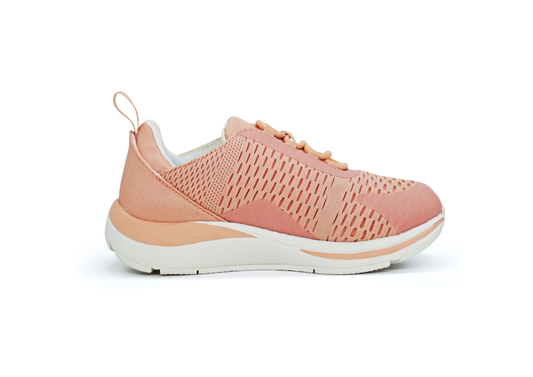
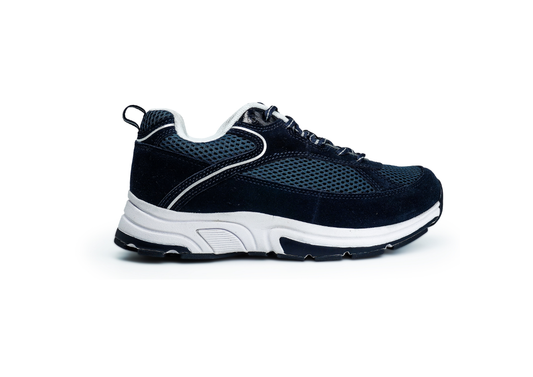
Turning a painful morning hobble into a confident stride requires ongoing care. To protect your progress, evaluate your daily shoes. For those returning to light activity, the Sprinter Orthopedic Athletic Shoe or the Balance Running Shoes provide the cushioning needed to absorb impact.
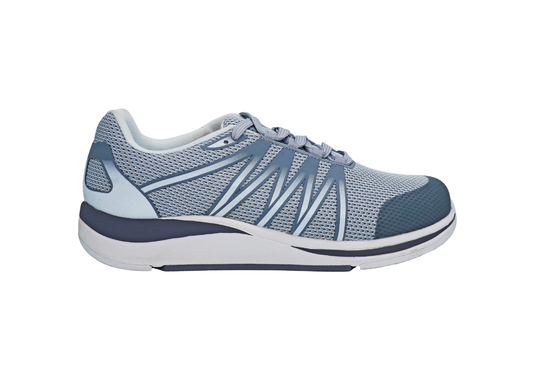
If you spend long hours on your feet, choosing specialized models like the Aaron Comfort Orthopedic Shoes, the Contest Walking Shoe, or the Player Mens Orthopedic Walking Shoes can offer the stability your "core" foot muscles need. For those with specific health considerations, the Stable Mens Orthopedic Walking Shoe for diabetics provides extra protection against pressure points.
Even at home, walking barefoot on hard tile can undo your hard work. Consider using a Breezy Slipper or a Buttercup Orthopedic Sandal for indoor support. For warmer weather, the Jackson Mens Orthopedic Sandal or the Sawyer Womens Orthopedic Sandal allow for breathability without sacrificing arch integrity. If you prefer a quick, easy fit, the Pursuit Womens Slip-On is an excellent choice for daily errands.
While movement works wonders, watch for these four red flags indicating it is time to see a professional:
-
Sharp pain that wakes you up at night.
-
Severe swelling that is unresponsive to ice.
-
Sudden tingling or numbness spreading up your leg.
-
Total inability to bear any weight on the foot.
Commit to a consistent daily routine with these simple stretches. Start small, be patient with your body's recovery timeline, and enjoy how much easier your daily walks become.
How long does it take for foot pain relief exercises to show results?
While the Frozen Bottle Hack can provide near-instant temporary relief for inflammation, structural improvements usually take time. If you perform intrinsic muscle drills and calf stretches consistently, most people notice a significant reduction in "first-step stiffness" within 2 to 4 weeks. Consistency is key to retining the "rubber band" effect of your tendons.
Can I wear orthopedic shoes if I don't have a diagnosed foot condition?
Absolutely. You don't need a prescription to benefit from better alignment. High-quality orthopedic shoes are designed to support the natural anatomy of the foot. Many people wear them preventatively to avoid future issues like fallen arches, bunions, or chronic heel pain caused by standard, unsupportive footwear.
Why is my foot pain worse in the morning than in the evening?
This is often due to a condition like plantar fasciitis. Overnight, your foot tissues naturally contract and tighten. When you take that first step in the morning, you are essentially "micro-tearing" those tight fibers. Using the Morning Mobility Secrets routine before getting out of bed helps warm up these tissues, making that first step much more comfortable.
Should I use ice or heat for my foot pain?
-
Ice: Use ice (like the frozen bottle method) if your pain is sharp, throbbing, or accompanied by swelling. This "calms the fire" of acute inflammation.
-
Heat: Use heat if your muscles feel stiff and "crampy" without significant swelling. Heat helps increase blood flow to relax tight calf muscles.
-
Note: If you have diabetes or poor circulation, always consult a doctor before using extreme temperatures.
How do I know if my shoes are supportive enough for recovery?
A quick way to check is the "Taco Test." Try to fold your shoe in half; it should only bend at the toes (where your foot naturally flexes). If it folds easily in the middle (the arch), it lacks the structural integrity needed to protect a recovering foot. Orthopedic models like the Contest Walking Shoe are specifically engineered to pass this test.
Is it okay to walk barefoot at home if I have arch pain?
Generally, no. Walking barefoot on hard surfaces like hardwood or tile places maximum stress on your plantar fascia and heel. It is highly recommended to wear supportive indoor footwear, such as the Breezy Slipper, to maintain your arch's "dome" shape even while relaxing at home.
