


Effective Tendonitis Foot Treatments & Causes
Understanding Foot Tendonitis: Causes and Treatments
That first step out of bed shouldn't feel like a sharp, burning tug at your heel. According to sports medicine professionals, this specific morning ache often separates everyday muscle soreness from a tendonitis foot injury. While ligaments connect bones together, the tendons in feet act like thick rubber bands attaching muscle to bone. Overworking these natural shock absorbers causes the bands to develop microscopic frays, known as micro-tears.
Your body responds to these tiny injuries with an "itis," or inflammation. Think of tendon inflammation as a biological traffic jam: your immune system rushes too many repair crews to one spot, causing painful swelling. This repair process creates specific pain triggers that require targeted treatments to resolve.
Pinpoint the Problem: How Pain Location Reveals Which Tendon is Damaged
Knowing your foot has multiple rubber-band-like tendons is a great start, but figuring out exactly which one is fraying is the key to relief. The specific spot that throbs acts like a diagnostic map, helping you determine if you have an isolated heel issue or broader tendonitis ankle problems.
Use this quick guide to pinpoint your specific injury:
-
Heel (Achilles): A sharp tug at the back of your heel during your first morning steps. Using stable mens orthopedic walking shoes diabetic can provide the necessary heel elevation to reduce strain.
-
Inner Arch (Posterior Tibial): This sturdy band holds up your foot's arch. Aching inner arches and swelling are classic posterior tibial tendon dysfunction symptoms.
-
Outer Edge (Peroneal): Pain on the outside of your foot after walking on uneven pavement points directly to peroneal tendonitis.
-
Top of Foot (Extensor): Surprisingly, overly tight shoelaces are the leading extensor tendonitis top of foot causes.
Doctors recommend checking your daily habits because each of these shock absorbers handles different physical stresses. While tying laces tightly creates constant pressure on the top-foot bands, suddenly walking extra miles forces your arch-supporting bands to work overtime. Identifying the sore spot is your first vital step toward feeling better.
The 'Battery' Effect: Why Your Foot Tendons Give Out After Sudden Activity
Think of your tendons as rechargeable batteries holding a specific amount of daily energy. When you suddenly double your walking distance, you drain that battery entirely. This sudden spike in physical stress—known as mechanical loading—pushes those elastic bands beyond their limits. The immediate result is tendon swelling as repair crews rush in to fix microscopic tears.
Rest is the only way to plug that battery back into the charger. Pushing through the pain without recovery time shrinks your tissue's overall capacity. Those tiny frays multiply, turning mild irritation into actual tendon damage in foot structures. You are simply asking for more shock absorption than your body can currently supply.
Ignoring these warning signs turns a temporary ache into a stubborn hurdle. The long term effects of untreated tendon inflammation include weakened structural support and chronic pain. Because this throbbing often strikes the heel or arch, it frequently mimics another common issue: plantar fasciitis.
Tendonitis or Plantar Fasciitis? 3 Clear Signs to Tell the Difference
Telling Achilles tendinitis vs plantar fasciitis apart starts by finding the exact source of discomfort. The plantar fascia is a thick band supporting your arch, whereas the Achilles tendon connects your calf to your heel.
Check these three symptoms to pinpoint your injury:
-
Location: Bottom-of-heel pain points to the fascia; back-of-ankle stiffness indicates an overworked tendon.
-
Timing: Fascia pain spikes on that first morning step. Tendons ache mostly after physical activity.
-
Sensation: "Frayed rope" tightness means tendonitis. The difference between tendonitis and a stress fracture is that fractures feel like stepping on a sharp pebble.
Always watch for sudden emergencies. Hearing a loud pop followed by instant weakness are signs of a ruptured foot tendon requiring a doctor. For standard nagging aches, relief is right in your living room.
Home Healing: The RICE Method and Footwear Hacks to Reduce Swelling
Treating foot tendon inflammation at home starts with calming those overstretched bands using the RICE method for foot injury recovery:
-
Rest: Pause high-impact activities immediately.
-
Ice: Apply a cold pack for 15 minutes to clear out the "traffic jam" of inflammation.
-
Compression: Wrap the foot snugly with an elastic bandage.
-
Elevation: Prop your ankle above your heart while sitting.
Your daily footwear also plays a massive role in keeping that swelling down. Walking barefoot or wearing completely flat shoes forces tired tendons to work overtime just to stabilize your arch. Whether you are browsing womens shoes orthopedic or mens shoes orthopedic, look for firm, cushioned soles that prevent your foot from rolling inward.
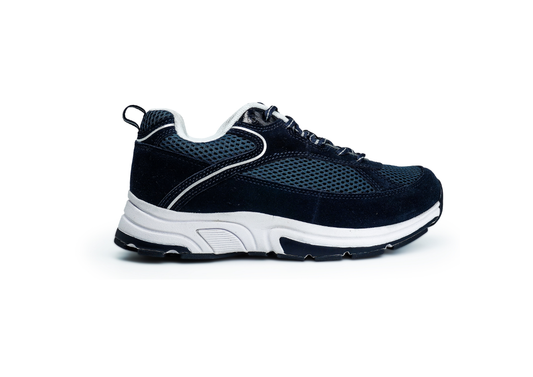
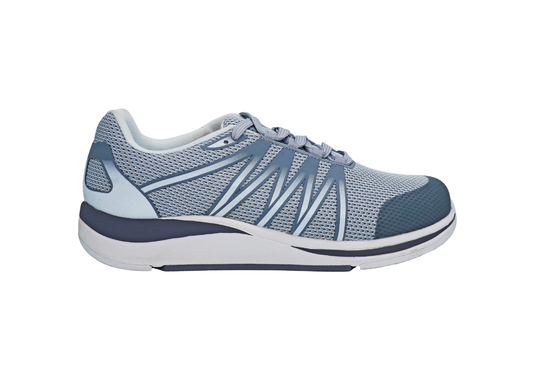
For active individuals, the player mens orthopedic walking shoes or the balance running shoes womens offer the structural integrity needed to protect damaged tissues. Even at home, swapping bare feet for the breezy slipper footwear womens can maintain proper alignment and reduce strain.
Restoring Strength: When to Trade the Ice Pack for Physical Therapy
If RICE hasn't worked after three weeks, your acute inflammation has likely become chronic. Knowing when to see a podiatrist for chronic foot pain prevents further damage. Specialists prescribe physical therapy for foot tendon repair to safely rebuild tissue capacity. This frequently includes eccentric loading exercises for Achilles health, which strengthen the tendon while slowly lengthening it.
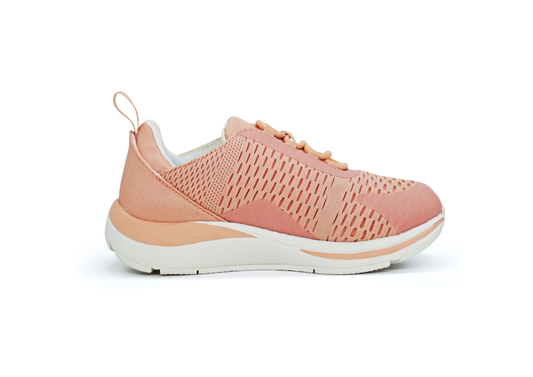
For those requiring professional-grade support during recovery, aaron comfort orthopedic shoes for men or the sprinter orthopedic athletic shoe rose womens provide the stability recommended by therapists. If you prefer more breathable options during warmer months, consider the jackson mens orthopedic sandal diabetic comfort or the sawyer womens orthopedic sandal diabetic comfort to ensure your feet remain supported without sacrificing comfort.
Q&A: Common Questions About Foot Tendonitis
How long does foot tendonitis take to heal?
Timelines vary with the tendon involved, the degree of tendon inflammation, and whether you modify the activity that caused the overload. Mild, early cases may settle in a few weeks with rest and structured rehabilitation; persistent tendon swelling and ongoing mechanical loading can stretch recovery into months. A clinician can help rule out partial tears or other causes of tendon damage in foot structures.
Should I keep walking or exercising if I have tendonitis ankle or foot pain?
In general, continuing high-impact activity through sharp pain can perpetuate micro-tears and maintain tendon inflammation. Many people tolerate relative rest—reducing impact while substituting low-load options—better than complete immobility. For those who must remain mobile, the contest mens orthopedic walking shoes or pursuit womens slip on orthopedic shoes are designed to minimize the impact of every step.
Are certain shoes better for tendonitis foot problems?
Many cases improve with shoes that have a stable heel counter, adequate cushioning, and supportive midsoles. If you need summer-ready support, the buttercup orthopedic sandal women is an excellent choice for maintaining arch health. For more options, you can explore the full range at Orthoshoes.
Step Into Pain-Free Living: Your Action Plan for Healthy Feet
Commit to a gradual return to activity so you avoid draining your tendon's energy reserves again. Establish a daily routine using supportive footwear and gentle exercises for strengthening foot tendons. Healing takes time, but combining patience with effective foot pain tendonitis treatment ensures consistent progress toward pain-free daily walks.
