
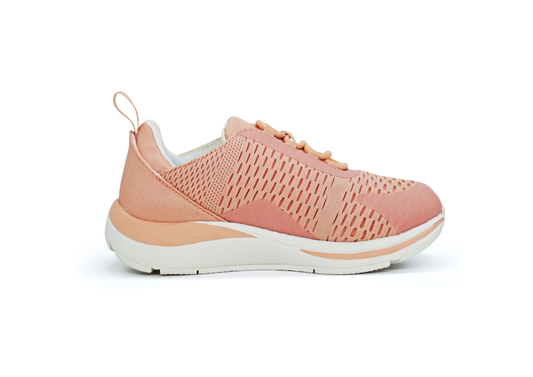
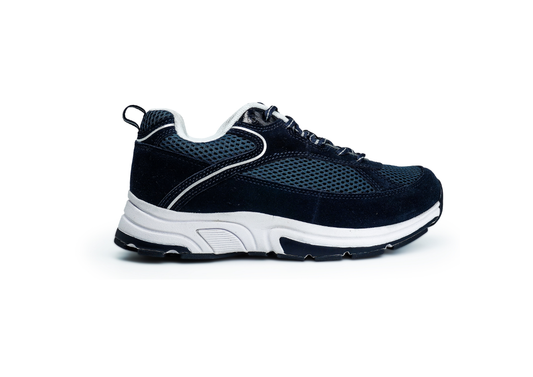

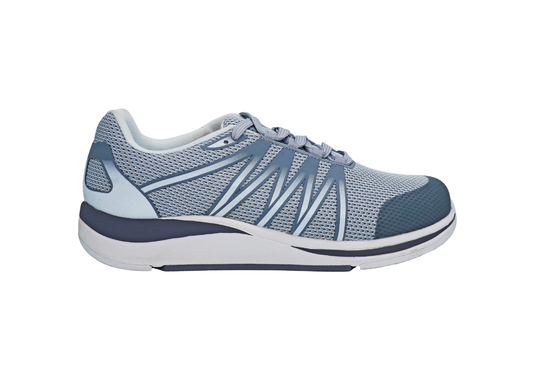

ankle support shoes
Best Orthopedic Ankle Support Shoes for Pain Relief and Stability
By Dr. Subramanyam Balaji, Ortho Shoes Corporation
Ankle support shoes combine stability and cushioning to relieve foot and ankle pain, helping people with chronic conditions and those recovering from injury maintain mobility. This guide explains key features, injury-prevention benefits, common conditions that benefit, buying tips, and notable options from Ortho Shoes.
What Are Ankle Support Shoes and How Do They Improve Stability?
Ankle support shoes stabilise the ankle joint using reinforced heel counters, cushioned midsoles and arch support. These features improve alignment and weight distribution, which lowers re-injury risk and increases comfort during daily activities and rehabilitation.
Understanding Orthopedic Ankle Shoes: Features and Benefits
Orthopedic ankle shoes include targeted design elements to improve support, comfort and function.
- Customizable Support: Adjustable components let users refine fit for swelling or specific needs.
- Cushioned Soles: Shock-absorbing insoles reduce pressure and protect tender areas.
- Adjustable Closures: Velcro, laces or straps secure the foot and maintain stability during movement.
Combined, these elements reduce pain and improve walking safety for many users.
Well-designed insoles and structure are central to pain relief and stable support.
Orthopedic Insole Design for Pain Relief & Stable Support
Insole design focuses on four aspects: shifting the force-bearing point of the vola to disperse plantar pressure; supporting the arch to improve cushioning; correcting the lower-limb force line to provide stable support; and enhancing proprioception and overall foot comfort. Orthopedic insoles are available as prefabricated, semi-customized, and customized options. They can serve effective prevention and rehabilitation roles in ankle and knee disorders, spinal deformities, hemiplegia-type cerebral palsy in children, and sports injuries.
A concept of automated selection of orthopedic shoes, 2020
How Ankle Brace Shoes Aid in Injury Prevention and Recovery
Ankle brace shoes add structural support that limits risky motion and keeps the foot aligned during activity. Reinforced sides and cushioned soles reduce strain on healing tissues, improve comfort during rehab, and support safer exercise and daily movement.
Specific shoe shapes and higher collars can alter biomechanics to lower sprain risk and improve perceived stability.
High-Top Shoes for Ankle Sprain Prevention & Stability
Ankle sprains are a common sports injury that can lead to chronic disability. Prevention studies focus on foot and ankle biomechanics, proprioceptive input from the foot/ankle complex, external stresses on the joint, and shoe traction. Biomechanical evidence supports high-top shoes for sprain prevention because they limit extreme ranges of motion, provide additional proprioceptive input, and decrease external joint stress. Despite this biomechanical rationale, clinical trials are inconclusive about the clinical benefit of high-top shoes for preventing ankle sprains. Further research is needed to clarify the protective role of different shoe designs.
The role of shoes in the prevention of ankle sprains, J Barrett, 1995
Which Foot Conditions Benefit Most from Ankle Support Footwear?
Several conditions respond well to ankle support shoes, including:
- Chronic Foot Pain: Supportive construction can ease persistent pain and pressure.
- Foot Deformities: Flat feet, high arches and similar issues are better managed with corrective internal shape.
- Mobility Issues: Stability features help those with reduced balance or prior injuries, including arthritis.
Choosing appropriate footwear can improve function and daily comfort.
Correct internal shape and fit are decisive when selecting or customizing orthopedic shoes.
Selecting & Customizing Orthopedic Shoes for Foot Deformities
Providers may select or adapt ready-made orthopedic shoes for a specific deformity, or produce fully custom footwear. Selecting a suitable model requires an integrated approach, since each patient presents different factors. The most important indicator of effectiveness is how well the shoe's internal shape matches the foot in the correction position. When using ready-made shoes, assessing the degree of conformity between shoe parameters and foot data helps determine whether off-the-shelf shoes will suffice or custom production is required.
A concept of automated selection of orthopedic shoes, 2020
Role of Supportive Walking Shoes in Managing Ankle Pain and Arthritis
Supportive walking shoes are fundamental for conservative management of ankle pain and arthritis. Key attributes include cushioning, arch support and durable construction to maintain function over time.
- Cushioning and Support: Absorbs impact and helps keep the foot aligned.
- Adjustable Features: Straps or laces enable a tailored fit as swelling changes.
- Durable Materials: Longevity preserves support and value.
These features together reduce pain and improve walking capacity.
Specialized Ankle Stability Footwear for Diabetic and Heel Pain Care
People with diabetes or chronic heel pain need shoes that reduce pressure and protect vulnerable tissue. Ankle-stability options focus on safe load distribution and cushioning.
- Arch Support: Evenly distributes weight and lowers hotspot pressure.
- Cushioned Soles: Extra padding relieves heel pain and improves comfort.
- Preventive Features: Construction that reduces friction and pressure helps prevent complications.
Prioritise these traits to protect sensitive areas and support safe walking for diabetes-related or chronic heel issues.
For targeted relief, see specialized footwear.
How to Choose the Best Shoes for Ankle Pain: Key Features to Consider
Check these essential features when shopping for ankle support shoes:
- Customizable Support: Adjustable elements allow a secure, personalised fit.
- Wider Fit: A roomy toe box accommodates swelling and comfort.
- Cushioned Soles: Adequate cushioning absorbs shock and protects tender areas.
Selecting shoes with these attributes ensures better protection and comfort for ankle conditions.
Evaluating Support Level, Material, and Ergonomic Design
Compare support levels, material quality and ergonomic design to find shoes that match your needs and foot shape.
- Support Level: Choose the level that suits your condition and activity.
- Material Quality: Durable, breathable materials preserve function and comfort.
- Ergonomic Design: A shoe shaped to the foot reduces hotspots and improves fit.
Prioritising these factors helps you select durable, effective footwear for long-term foot health.
Medical Endorsements and User Ratings for Orthopedic Ankle Shoes
Clinicians and user ratings offer practical guidance on a shoe's real-world performance. Healthcare professionals often recommend models based on patient outcomes and condition-specific needs.
What Do Customers Say About Orthopedic Ankle Support Shoes?
Many customers report increased comfort, reduced pain and improved mobility after switching to orthopedic ankle support shoes.
People with arthritis often prefer specialized footwear that emphasises cushioning and ease of use.
Verified Testimonials Highlighting Comfort and Pain Relief
Verified reviews commonly cite consistent comfort and measurable pain reduction, useful for comparing models and features.
Comparing User Experiences Across Different Ankle Support Shoe Models
Features such as adjustable closures and cushioned soles frequently correlate with higher satisfaction because they enable a better fit and greater comfort.
Frequently Asked Questions
1. How do I know if I need orthopedic ankle support shoes?
If you have ongoing foot or ankle pain, repeated injuries, balance problems, or conditions like arthritis or diabetes, supportive shoes can help. Seek a clinician's assessment for specific recommendations and fitting advice.
2. Can I wear orthopedic ankle support shoes for sports activities?
Yes—many models suit sports. Choose shoes designed for your activity that provide reinforced sides and sufficient cushioning to protect during movement.
3. How often should I replace my orthopedic ankle support shoes?
Replace shoes every 6–12 months depending on use and wear. Swap them sooner if cushioning or support declines, or the sole shows clear wear.
4. Are there specific brands known for quality orthopedic ankle support shoes?
Brands noted for quality include Ortho Shoes, New Balance and ASICS; compare reviews and consult professionals to find the best match for your needs.
5. Can children benefit from orthopedic ankle support shoes?
Yes. Children with deformities, mobility limits or post-injury needs can benefit from corrective, supportive footwear. Work with a pediatric or orthopedic specialist to ensure proper fit.
6. What should I look for when trying on orthopedic ankle support shoes?
Focus on a secure yet comfortable fit, adequate toe-room, stable heel support and functioning adjustable features. Walk briefly to assess stability and cushioning.
7. Are orthopedic ankle support shoes covered by insurance?
Coverage varies by insurer and plan. Some policies partially reimburse prescribed shoes; check with your insurer about requirements and documentation.
