


foot shoes
Comprehensive Guide to Foot Shoes: Choosing, Benefits, and Care for Optimal Foot Health
By Dr. Subramanyam Balaji, Ortho Shoes Corporation
Choosing the right footwear directly affects foot health and daily comfort. This guide explains how to assess your feet, pick therapeutic and supportive shoes, and care for them to prevent or ease common problems like flat feet and plantar fasciitis. Use these evidence-informed recommendations to match shoe features to your needs and support long-term mobility.
How to Choose the Right Footwear
Select shoes by identifying your foot type, accounting for medical conditions, and matching shoes to your daily activities. These steps reduce pain and risk of injury. When in doubt, consult a podiatrist for personalised advice based on clinical assessment.
Understand Your Foot Type
Foot types demand specific shoe features. Flat feet usually need stronger arch support to limit overpronation. High arches benefit from extra cushioning to improve shock absorption. Bunions require a wider toe box to avoid pressure. Identifying your foot type guides an informed purchase.
Evidence shows arch support insoles can improve stance time, cadence, plantar pressure, and contact area for people with flatfoot, which enhances walking efficiency and lowers injury risk.
Impact of Flatfoot on Walking and Injury Risk
Pes planus (flatfoot) is a common deformity characterised by the midfoot arch collapsing during walking. Because the midfoot contributes to shock absorption, people with flatfoot face higher risks of injuries such as hallux valgus (thumb valgus), tendinitis, plantar fasciitis, metatarsal pain, knee pain, and lower-back pain during prolonged uphill, downhill, and level walking. These issues can reduce the physical and mental benefits of walking as exercise.
The arch support insoles show benefits to people with flatfoot on stance time, cadence, plantar pressure and contact area, ZR Chen, 2020
Consider Your Health Conditions
Medical conditions change footwear needs. People with diabetes often need specialised diabetic footwear that protects pressure points and reduces injury risk. Those with arthritis should choose cushioning and non-restrictive fits. Gout sufferers typically benefit from wider, more comfortable styles. Match shoe features to your clinical needs.
Evaluate Your Lifestyle
Your daily activities determine which features matter most. Physically demanding work needs durable cushioning and support. If you’re recovering from injury, prioritise stability and motion control. For everyday casual use, focus on fit and comfort. Select shoes that align with how you move each day.
Consult Professionals
Professional assessment improves outcomes. Podiatrists diagnose structural issues and recommend shoes or orthotics that address them. Regular follow-up ensures footwear remains appropriate as symptoms or activity levels change.
Benefits of Proper Shoes for Foot Health
Appropriate footwear improves weight distribution, boosts shock absorption, and supports efficient movement. These effects reduce pain, protect joints, and help people remain active—especially those with existing foot conditions.
| Benefit | Description | Impact Level |
|---|---|---|
| Weight Distribution | Proper shoes help distribute body weight evenly across the foot, reducing pressure points. | High |
| Shock Absorption | Shoes with adequate cushioning absorb impact, protecting joints and reducing fatigue. | High |
| Improved Mobility | Supportive footwear enhances movement efficiency, allowing for better mobility and stability. | Medium |
Choosing the right shoes supports daily activities and quality of life by reducing discomfort and enabling sustained mobility.
What Are Orthopedic Foot Shoes and Their Role in Foot Health?
Orthopedic shoes are engineered to address specific foot problems and improve function. They combine stability, cushioning, and support features to reduce pain and protect vulnerable areas. These shoes are commonly recommended for flat feet, plantar fasciitis, diabetes-related foot concerns, heel pain, and arthritis.
How Do Orthopedic Shoes Support Conditions Like Flat Feet and Plantar Fasciitis?
Orthopedic shoes use targeted arch support, enhanced cushioning, and stability elements to reduce stress on affected structures. For flat feet they limit overpronation; for plantar fasciitis they cushion and unload the plantar fascia, helping to reduce heel pain.
For plantar fasciitis, combining prefabricated orthotics with orthotic sandals can extend the period the foot receives support, potentially providing greater symptom relief than orthotics alone when shoes aren’t practical.
Orthotics and Orthotic Sandals for Plantar Fasciitis Relief
Plantar fasciitis (PF) affects around 10% of the population. Prefabricated orthotics with arch support have been shown to provide symptom relief in PF by reducing repetitive stress on the plantar fascia. Prefabricated orthotics work only when shoes are worn, which can leave the foot unsupported when shoes aren’t practical. Using orthotic sandals in conjunction with prefabricated orthotics may increase PF symptom relief because they can be worn inside the home, extending the time the foot is supported.
Use of orthotics with orthotic sandals versus the sole use of orthotics for plantar fasciitis: Randomised controlled trial, 2023
Which Foot Shoes Are Best for Flat Feet and Walking Comfort?
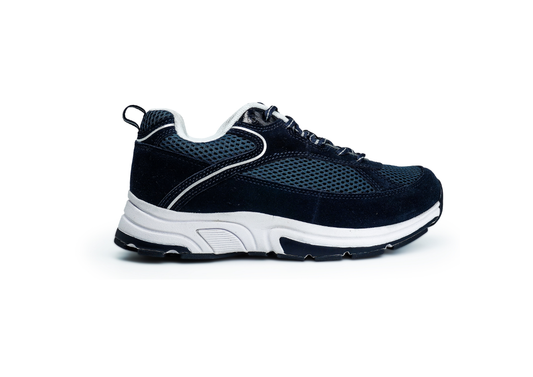
For flat feet look for firm arch support, cushioned midsoles, and a stable base. These elements reduce overpronation and improve walking comfort. Several manufacturers produce therapeutic models aimed at these needs; explore options such as men's orthopedic shoes that prioritise support and fit.
How to Choose Walking Shoes for Comfort and Long-Term Foot Health?
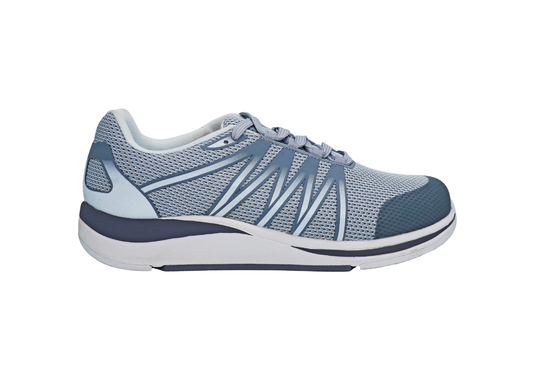
Pick walking shoes with reliable arch support, effective shock-absorbing cushioning, and a secure fit. Breathable, flexible materials increase comfort on long walks. Prioritise these features to protect joints and maintain foot health over time.
How Does Plantar Fasciitis Footwear Alleviate Heel Pain?
Shoes for plantar fasciitis provide arch support and cushioning to reduce load on the plantar fascia. A firm heel counter stabilises the rearfoot and limits harmful motion. A correct fit ensures these features align with the foot’s structure to relieve heel pain.
What Are the Key Design Elements in Plantar Fasciitis Shoes?
Essential design elements include cushioned soles to absorb impact, a modest heel raise to reduce tension on the fascia, and a roomy toe box to prevent forefoot pressure. These combined features improve comfort and reduce strain on painful areas.
Which Materials and Cushioning Technologies Enhance Foot Support?
Cushioning materials such as memory foam, gel, and EVA provide shock absorption and comfort. Breathable meshes and moisture-wicking linings help maintain a healthy foot environment. Choose materials that balance cushioning, durability, and airflow for best results.
What Are the Benefits of Women Orthopedic Sneakers for Style and Support?
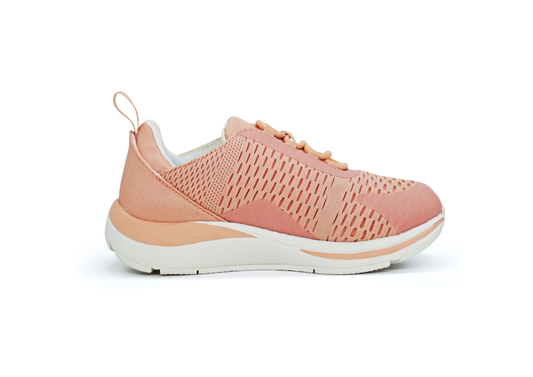
Women’s orthopedic sneakers integrate supportive features—like cushioned insoles and arch support—into contemporary designs. They offer therapeutic benefits while remaining suitable for daily wear. Browse specialised collections such as women's orthopedic sneakers for options that combine function and style.
How Do Women’s Orthopedic Sneakers Combine Comfort with Fashion?
Designers pair supportive components—arch support, cushioning, stable soles—with modern styling. This lets wearers maintain foot health without sacrificing a fashionable appearance.
What Foot Conditions Do These Sneakers Specifically Address?
Women’s orthopedic sneakers are suitable for conditions such as plantar fasciitis, arthritis, and diabetic foot issues. They provide targeted support and cushioning to reduce pain and improve mobility for these conditions.
How Should You Maintain and Care for Orthopedic Foot Shoes?
Regular care preserves support features and extends shoe life. Simple routines—cleaning, proper drying, and correct storage—help maintain cushioning and structural integrity.
What Are Essential Shoe Maintenance Tips to Prolong Footwear Life?
To extend the life of orthopedic shoes, consider the following maintenance tips:
- Regular Cleaning: Clean shoes regularly to remove dirt and moisture that can degrade materials.
- Proper Storage: Store shoes in a cool, dry place to prevent damage from humidity and heat.
- Inspect for Wear: Regularly check for signs of wear, such as sole deterioration or loss of cushioning, and replace shoes as needed.
Following these simple steps helps preserve fit and function, ensuring shoes continue to protect your feet.
How Does Proper Care Enhance Shoe Performance and Foot Health?
Proper care keeps cushioning and support working as designed, reducing the risk of pain and injury. Regular maintenance lets you get the full clinical benefit from your orthopedic footwear. Explore the full range of orthopedic shoes to find models that meet your needs.
Frequently Asked Questions
What should I look for in shoes if I have flat feet?
If you have flat feet, choose shoes with firm arch support and good cushioning. A firm heel counter helps stabilise the rearfoot and limits overpronation. A wide toe box can accommodate deformities. Look for models from brands that specialise in orthopedic support to ensure all-day comfort.
Can I wear orthopedic shoes for casual outings?
Yes. Many orthopedic shoes now combine supportive construction with contemporary designs. Select styles that offer the support you need while matching your personal aesthetic so you can stay comfortable on casual outings.
How often should I replace my orthopedic shoes?
Replace orthopedic shoes every 6 to 12 months depending on use and wear. Check for worn soles, compressed cushioning, or any loss of support. If shoes no longer feel supportive or cause discomfort, it’s time for a new pair.
Are there specific brands known for quality orthopedic footwear?
Several mainstream and specialised brands are known for supportive footwear. Brands such as New Balance, Brooks, and ASICS design supportive models, while Orthofeet and Vionic focus on orthopedic features. Try different brands to find the best fit for your foot shape and condition.
What materials should I look for in supportive footwear?
Choose materials that provide cushioning, breathability, and flexibility. Memory foam, gel, and EVA offer effective shock absorption. Breathable meshes reduce moisture buildup and improve comfort during extended wear.
How can I tell if my shoes are the right fit?
There should be about a thumb’s width of space between your longest toe and the shoe front. The shoe should feel snug without pinching. Walk in them to confirm comfort and support; any persistent rubbing or pain indicates a poor fit.
What are the benefits of using orthotic inserts in regular shoes?
Orthotic inserts add arch support, improve weight distribution, and reduce strain on painful areas. They let you customise ordinary shoes to better match your biomechanics, which can improve comfort and lower injury risk during daily activities.
