
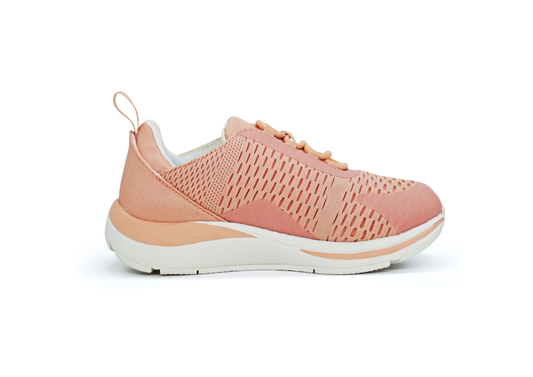
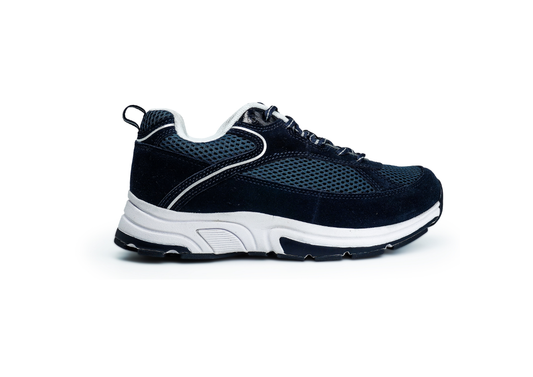

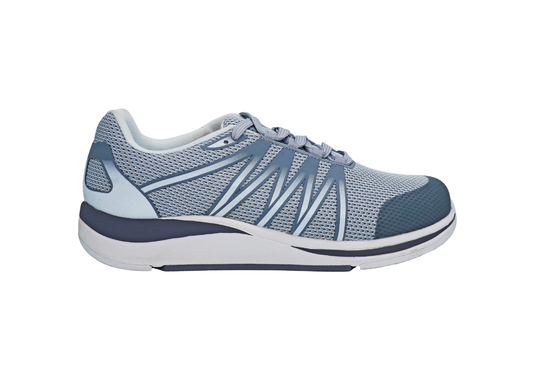

mens narrow
Best Men's Narrow Orthopedic Shoes: Expert Guide to Slim Fit Footwear for Comfort and Health
By Dr. Subramanyam Balaji, Ortho Shoes Corporation
Finding proper footwear is often difficult for men with narrow feet. Narrow orthopedic shoes are engineered to provide targeted comfort and structural support while addressing common foot health concerns. This guide explains the key features of narrow orthopedic footwear, the conditions they can help, and how to select the correct fit. Read on to learn practical steps for measuring narrow feet, the orthopedic benefits to expect, recommended brands, and maintenance tips to extend product life.
What Are Men's Narrow Orthopedic Shoes and Who Needs Them?
Men's narrow orthopedic shoes are purpose-built for feet that run narrower than standard sizes. They combine supportive elements and cushioning to reduce strain and improve alignment. Proper footwear is a fundamental part of foot care and can help prevent further issues. If you need specialised support, explore options like men's orthopedic shoes.
Defining Narrow Fit and Orthopedic Features in Men's Footwear
Narrow fit shoes have reduced width across the forefoot and midfoot. Orthopedic features commonly include defined arch support, energy‑absorbing midsoles, and a shape that encourages neutral alignment. These design elements work together to reduce pain, enhance stability, and improve walking comfort.
Medical Conditions Benefiting from Narrow Orthopedic Shoes
Several medical conditions can benefit from wearing narrow orthopedic shoes, including:
- Chronic Foot Pain: Conditions like plantar fasciitis can be exacerbated by ill-fitting shoes.
- Foot Deformities: Issues such as bunions or hammertoes require shoes that accommodate specific foot shapes.
- Systemic Medical Conditions: Diabetes and arthritis can lead to foot complications that necessitate specialized footwear. For conditions like diabetes, diabetic footwear offers targeted support and protection.
How to Measure and Choose the Right Narrow Shoe Size for Men?
Selecting the correct narrow shoe size reduces friction, prevents blisters, and preserves foot health. Accurate measurement is the first step to a secure, supportive fit.
Step-by-Step Guide to Measuring Narrow Feet Accurately
To measure narrow feet accurately, follow these steps:
- Foot Tracing Method: Place a piece of paper on the floor and trace around your foot while standing.
- Width Measurement: Measure the width at the widest part of your foot.
- Consulting Professionals: If unsure, consider visiting a shoe store for professional fitting.
Understanding Shoe Width Classifications and Their Importance
Shoe width labels help you match footwear to your foot shape. Typical classifications include D (standard), E (wide), and B (narrow). Knowing your width ensures the shoe provides the intended support and comfort.
What Are the Orthopedic Benefits of Narrow Fit Shoes for Men?
Narrow fit orthopedic shoes deliver measurable benefits for foot health and daily comfort. They are designed to stabilise the foot, reduce localized pressure, and support natural biomechanics. Ortho Shoes offers models that incorporate these functional features.
Arch Support and Heel Cushioning for Narrow Feet
Effective arch support maintains neutral alignment and reduces overload on tendons and ligaments. Heel cushioning absorbs impact during walking and standing. Together these features lower pain and increase comfort for everyday use.
Relief from Common Foot Conditions: Diabetes, Arthritis, and Heel Pain
Men with diabetes, arthritis, or heel pain often experience reduced pressure and improved comfort with narrow orthopedic shoes. These designs limit stress on sensitive areas and can help lower the risk of complications. Those with heel pain frequently report notable relief from specialised models.
Which Are the Best Narrow Fit Shoe Brands and Styles for Men?
Several established brands offer narrow-fit options with proven orthopedic features. Choose a brand that matches your activity level and clinical needs.
Top Medical-Endorsed Brands Offering Men's Narrow Orthopedic Shoes
Some of the top brands known for their narrow orthopedic shoes include:
- Ortho Shoes: Specializes in medical-grade footwear designed for foot health.
- New Balance: Offers a range of athletic shoes with narrow options.
- Clarks: Known for their comfortable dress shoes that cater to narrow feet.
Comparing Dress Shoes, Sneakers, and Casual Slim Fit Footwear
Match the shoe type to your daily needs. Dress shoes deliver a polished look with structured support. Sneakers provide flexibility and impact protection for activity. Casual slim-fit footwear balances everyday style with ergonomic features.
How to Care for and Maintain Men's Narrow Orthopedic Shoes?
Routine care preserves the shoe's supportive properties and extends its service life. For people with arthritis, dedicated arthritis footwear can improve daily comfort and mobility when maintained correctly.
Cleaning and Preserving Orthopedic Shoe Materials
Clean shoes using a damp cloth and mild soap. Wipe the exterior gently. Do not soak the shoes, as excess water can damage materials. Let them air dry away from direct heat.
When to Replace Narrow Fit Orthopedic Shoes for Optimal Foot Health
Replace shoes when cushioning or support degrades. Visible sole wear, reduced shock absorption, or new discomfort are signs it's time for a replacement. Regular inspection helps maintain foot health.
What Do Customers Say About Men's Narrow Orthopedic Shoes?
Customer feedback commonly emphasises comfort and measurable reductions in foot pain. Many users report better mobility and less daily discomfort after switching to specialised narrow footwear.
Real User Experiences with Comfort and Pain Relief
Users often note improved comfort and a noticeable drop in foot pain. These reports frequently describe clearer daily benefits, such as easier walking and longer periods of standing with less discomfort.
Frequently Asked Questions
1. How do I know if I need narrow orthopedic shoes?
If you feel persistent discomfort, suffer from bunions or plantar fasciitis, or if standard sizes feel loose or cause blisters, narrow orthopedic shoes may help. These shoes improve support and alignment for narrower feet. A podiatrist can confirm whether they suit your needs.
2. Can narrow orthopedic shoes be stylish?
Yes. Many manufacturers combine orthopedic construction with contemporary designs. You can find dress shoes, casual styles, and sneakers that offer both support and an up-to-date appearance.
3. Are there specific activities for which narrow orthopedic shoes are recommended?
Narrow orthopedic shoes are suitable for walking, standing for long periods, and light sports. They provide cushioning and support that reduce strain during these activities. For conditions such as diabetes or arthritis, wearing appropriate shoes during daily tasks can help prevent complications.
4. How can I tell if my narrow orthopedic shoes fit properly?
A proper fit should feel snug without pinching. You should be able to wiggle your toes and your heel should stay secure without slipping. The arch support should line up with your foot's arch. Any persistent pinching or discomfort suggests the wrong size or style.
5. What materials are commonly used in narrow orthopedic shoes?
Common materials include breathable leather, mesh, and engineered synthetics. Cushioned insoles and shock‑absorbing midsoles are often made from EVA or rubber. These materials balance support, flexibility, and airflow to keep feet comfortable.
6. How often should I replace my narrow orthopedic shoes?
Replace narrow orthopedic shoes every 6 to 12 months, depending on use and wear. Look for sole wear, flattening of cushioning, or new pain as indicators it's time to replace them. Regular checks help you maintain proper support.
7. Can I use orthotic inserts with narrow orthopedic shoes?
Yes. Many narrow orthopedic shoes accept custom or over‑the‑counter orthotic inserts. Ensure the shoe has enough internal space so the insert doesn't compromise fit. Consult a podiatrist to select the right insert and shoe combination for your needs.
