


footwear
Orthopedic and Supportive Footwear Solutions: Expert Guidance for Foot Health and Comfort
By Dr. Subramanyam Balaji, Ortho Shoes Corporation
Foot health strongly influences mobility and daily comfort. Orthopedic and supportive shoes are engineered to address common conditions and reduce pain. This article outlines effective options — orthopedic running shoes, winter boots with arch support, and cushioned travel sandals — and explains the features that make them work. You'll learn how these designs relieve common problems, how to choose the right pair for your needs, why sustainable brands matter, and practical care tips to extend shoe lifespan.
Orthopedic and Supportive Footwear Solutions
Orthopedic footwear is built to support the foot's anatomy and manage issues such as flat feet, heel pain, and arthritis. These shoes focus on stability and comfort, often using arch support, targeted cushioning, and breathable materials. Choosing the right shoe can limit complications and improve foot health. Options include running shoes, winter boots, and sandals, each tailored to specific activities and conditions. For targeted support, explore men's orthopedic shoes.
Best Orthopedic Running Shoes for Flat Feet
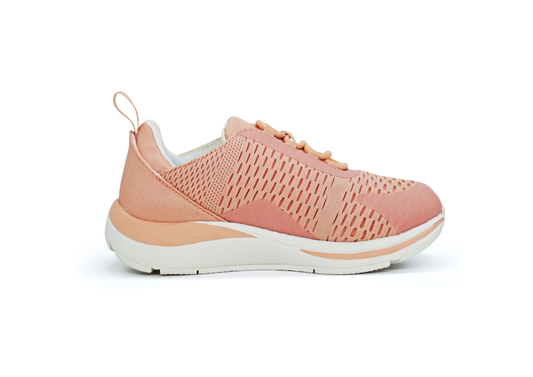
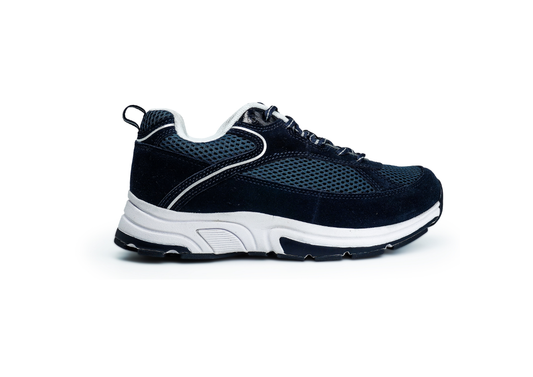
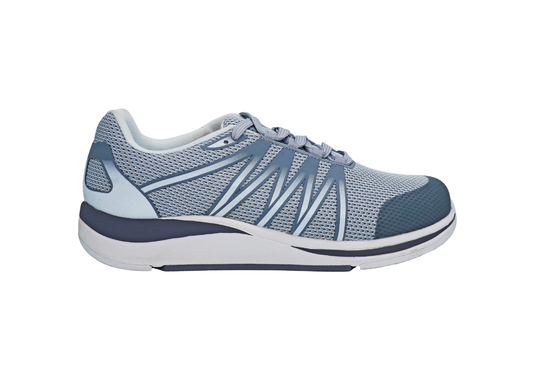
Runners with flat feet need shoes that stabilise the foot and control motion. Top orthopedic running shoes for flat feet combine firm arch support, reliable cushioning, and a roomier toe box to fit natural foot shape. These elements reduce discomfort and help you run with less pain.
- Arch Support: Essential for distributing weight evenly and reducing strain on the feet.
- Stability Features: Help prevent overpronation, which is common in flat-footed runners.
- Cushioning Benefits: Absorb impact and provide comfort during runs.
For high-quality options, brands such as Ortho Shoes offer models designed for flat-footed runners.
Key Features of Running Shoes Designed for Flat Feet
Running shoes for flat feet include specific design elements that improve comfort and performance. These features are chosen to support alignment and reduce injury risk.
- Enhanced Arch Support: Provides stability and helps maintain proper foot alignment.
- Cushioned Soles: Absorb shock and reduce impact on joints during running.
- Wider Toe Box: Allows for natural toe splay, reducing discomfort and pressure.
Together, these design elements create a supportive platform that helps flat-footed runners stay active with less pain.
How Orthopedic Running Shoes Alleviate Flat Foot Pain
Orthopedic running shoes address flat foot pain by restoring alignment and reducing mechanical stress. Arch support realigns the foot, cushioning reduces impact on joints, and a wider toe box prevents pinching. Addressing these points lowers strain on ligaments and tendons and improves comfort during runs.
Benefits of Winter Boots with Arch Support
Winter boots with arch support protect foot health in cold conditions. They add stability on slippery surfaces and keep weight distributed evenly, which reduces pressure and foot fatigue. Proper arch support helps maintain alignment when walking on ice or snow.
Benefits of Arch Support in Cold Weather Footwear
Arch support in cold-weather shoes delivers clear benefits:
- Weight Distribution: Helps to evenly distribute body weight, reducing strain on the feet.
- Injury Prevention: Provides stability, reducing the risk of slips and falls on icy surfaces.
- Enhanced Stability: Supports the foot's natural structure, promoting better posture and alignment.
Those benefits make winter boots with arch support a practical choice for maintaining foot health during winter activities.
Materials and Design Considerations for Winter Orthopedic Boots
Select winter orthopedic boots for the materials and construction that support warmth and traction. Prioritise insulating but breathable linings, effective cushioning for shock absorption, and durable outsoles that grip slippery surfaces.
- Insulating Materials: Keep feet warm in cold temperatures while allowing breathability.
- Cushioning Options: Provide comfort and shock absorption during winter activities.
- Durable Outsoles: Ensure traction and stability on slippery surfaces.
Boots that combine these features improve safety and comfort for winter use.
Ideal Characteristics of Travel Sandals with Cushioning
Travel sandals designed for long walks balance cushioning and support. Key features include adjustable straps for a secure fit, built-in arch support, and cushioned footbeds that reduce impact during extended wear. For women, see women's orthopedic shoes and sandals tailored for comfort.
Cushioning Technologies in Travel Sandals for Long-Distance Walking
Cushioning technologies improve long-distance comfort by absorbing shock and adapting to the foot. Common options include memory foam for personalised fit, gel for targeted shock absorption, and EVA foam for lightweight cushioning.
- Memory Foam: Conforms to the foot's shape, providing personalized comfort.
- Gel Cushioning: Absorbs shock and reduces pressure on the feet.
- EVA Foam: Lightweight and flexible, offering excellent cushioning properties.
These materials work together to reduce fatigue and improve comfort on long walks, making cushioned sandals a reliable travel choice.
Selecting Sandals That Support Common Foot Conditions During Travel
When choosing travel sandals, focus on features that address common conditions. Look for solid arch support for flat feet or high arches, adjustable straps to manage fit changes, and breathable materials to keep feet dry.
- Arch Support: Essential for individuals with flat feet or high arches.
- Adjustable Straps: Allow for a customized fit, accommodating swelling or discomfort.
- Breathable Materials: Help keep feet cool and dry during warm weather.
Selecting sandals with these attributes helps protect your feet while you travel.
Expert Guidance for Enhancing Foot Health and Comfort
Choosing suitable footwear requires matching shoe design to your foot shape, conditions, and activities. Assess those factors before buying. Consulting a podiatrist or healthcare professional gives personalised recommendations based on clinical evaluation.
What Are the Best Orthopedic Running Shoes for Flat Feet?
The best orthopedic running shoes for flat feet combine stability, cushioning, and durable construction. Models that pair advanced cushioning with stability features reduce pain and can improve performance for dedicated runners. Consider shoes that address your specific gait and support needs.
How Do Winter Boots with Arch Support Improve Foot Health?
Winter boots with arch support maintain alignment and reduce stress on the feet in cold conditions. Proper arch support lowers strain, lessening the risk of pain and injury. When paired with cushioning and robust materials, these boots improve comfort and safety in winter environments.
Benefits of Arch Support in Cold Weather Footwear
Arch support in cold-weather footwear offers clear practical benefits:
- Improved Posture: Supports the natural alignment of the foot, promoting better posture.
- Pain Relief: Reduces discomfort associated with prolonged standing or walking.
- Enhanced Comfort: Provides a stable base for the foot, improving overall comfort during winter activities.
Footwear made for specific medical needs, such as diabetic footwear, is also important for managing certain health issues.
Materials and Design Considerations for Winter Orthopedic Boots
Consider waterproof materials to keep feet dry, insulation that balances warmth with breathability, and supportive footbeds that reduce fatigue for extended wear.
- Waterproof Materials: Keep feet dry in wet conditions.
- Insulation: Provides warmth without sacrificing breathability.
- Supportive Footbeds: Enhance comfort and reduce fatigue during extended wear.
These design choices ensure winter boots protect against the elements while supporting foot health.
Why Choose Sustainable Footwear Brands in India for Orthopedic Needs?
Choosing sustainable footwear brands in India supports environmental goals and local manufacturing. Many sustainable brands use eco-conscious materials and ethical production, which can align with your values while delivering functional orthopedic features.
Eco-Friendly Materials and Their Impact on Footwear Performance
Eco-friendly materials such as recycled plastics and organic textiles can match traditional materials in durability and comfort. They often offer breathability and reduced environmental impact without sacrificing performance.
- Durability: Many eco-friendly materials are designed to withstand wear and tear.
- Comfort: Breathable and lightweight options enhance overall comfort.
- Sustainability: Reduces environmental impact, promoting a healthier planet.
Opting for sustainable footwear lets you combine performance with lower environmental footprint.
Leading Sustainable Orthopedic Footwear Brands in the Indian Market
Several sustainable orthopedic brands in India focus on eco-friendly materials and functional design. They typically prioritise innovative styles, durable materials, and ethical production practices.
- Innovative Designs: Combining style with functionality to meet consumer needs.
- Quality Materials: Sourcing sustainable materials that enhance comfort and durability.
- Ethical Practices: Supporting fair labor practices and local communities.
Choosing these brands lets consumers support both foot health and responsible manufacturing.
How to Properly Clean and Maintain Leather Orthopedic Shoes?
Proper care preserves leather orthopedic shoes and maintains their support. Regular maintenance prevents material breakdown and keeps shoes comfortable over time.
Safe Cleaning Techniques for Leather Orthopedic Footwear
Follow these safe cleaning steps for leather orthopedic shoes:
- Dust Removal: Use a soft brush or cloth to remove dirt and dust.
- Conditioning: Apply a leather conditioner to keep the material supple and prevent cracking.
- Buffing: Use a soft cloth to buff the leather, restoring its shine.
These care steps help maintain leather appearance and structural integrity.
Extending the Lifespan of Orthopedic Shoes Through Regular Care
Routine care extends the usable life of orthopedic shoes. Clean them regularly, store them in a dry, cool place, and rotate pairs to allow materials to recover.
- Regular Cleaning: Prevents buildup of dirt and grime that can damage materials.
- Proper Storage: Store shoes in a cool, dry place to prevent moisture damage.
- Rotation of Shoes: Alternating between pairs allows each pair to rest and recover.
Also consider specialised options like shoes for heel pain and arthritis footwear for targeted relief.
Frequently Asked Questions
What should I consider when choosing orthopedic footwear?
Consider your foot shape, any diagnosed conditions (for example flat feet or plantar fasciitis), and how you will use the shoes. Look for arch support, appropriate cushioning, and a correct fit. A podiatrist or healthcare professional can give personalised guidance based on clinical assessment.
How can I tell if my orthopedic shoes fit properly?
A proper fit leaves room in the toe box for movement and prevents heel slip. The arch support should align with your foot's arch. Try shoes with the socks you normally wear and walk to confirm comfort. If anything pinches or slips, try a different size or style.
Are there specific brands known for quality orthopedic footwear?
Yes. Brands such as Ortho Shoes, New Balance, and ASICS produce specialised models that focus on support and comfort. Review product specifications and customer feedback to find the best match for your foot shape and condition.
How often should I replace my orthopedic shoes?
Replace orthopedic shoes every 6 to 12 months, depending on wear and usage. Replace them sooner if you notice worn soles, reduced cushioning, or diminished support. Regular inspection ensures your shoes continue to protect your foot health.
Can I use custom orthotics with my orthopedic shoes?
Many orthopedic shoes accommodate custom orthotics. If you need added support, choose shoes with removable insoles so you can insert orthotics. Confirm compatibility with your healthcare provider to ensure correct support and function.
What are the benefits of choosing eco-friendly orthopedic footwear?
Eco-friendly orthopedic footwear reduces environmental impact and often uses durable, breathable materials. Supporting sustainable brands can promote better manufacturing practices and benefit local economies while delivering functional footwear.
How can I maintain the quality of my orthopedic shoes?
Maintain your shoes by cleaning them per manufacturer instructions, storing them in a cool, dry place, and rotating pairs to extend life. Inspect for wear regularly and address issues early to preserve comfort and support.
