


casual walking
Walking for Health: Comprehensive Guide to Casual Walking Benefits and Footwear Selection
By Dr. Subramanyam Balaji, Ortho Shoes Corporation
Casual walking is a low‑risk activity with measurable health advantages. This guide explains the main benefits of daily walking, how footwear affects mechanics and comfort, and practical steps for beginners and older adults. Understanding gait mechanics and wearing supportive shoes lets you turn short walks into a reliable habit for cardiovascular health, mental well‑being, and weight control. The sections below detail health outcomes from walking, criteria for comfortable walking shoes, starter tips, and when to choose specialist footwear for specific foot issues.
What Are the Key Health Benefits of Daily Casual Walking?
Daily casual walking delivers clear physical and mental benefits. Regular walking improves circulation, strengthens the heart, and lowers risks tied to chronic conditions such as diabetes and hypertension. It also supports weight management and can improve mood, reducing symptoms of anxiety and depression. These outcomes make walking an accessible, evidence‑based activity for overall health.
A study highlights how consistent physical activity, such as daily walking, can significantly reduce mortality rates, especially in older men, by mitigating risks associated with various critical diseases.
Daily Walking's Impact on Mortality in Older Men
Background:Regular physical activity contributes to the prevention of cancer, cardiovascular disease, and other chronic diseases. However, the frequency of physical activity often declines with age, particularly among the elderly. Thus, we investigated the effects of daily walking on mortality among younger-elderly men (65–74 years) with or without major critical diseases (heart disease, cerebrovascular disease, or cancer).
Health benefits of daily walking on mortality among younger-elderly men with or without major critical diseases in the new integrated suburban seniority investigation …, 2015
How to Choose Comfortable Walking Shoes for Casual Walking?
Choosing the right walking shoe protects your feet and improves comfort. Focus on support, cushioning, and breathability when evaluating options. A well‑fitted shoe reduces strain and lets you walk farther with less fatigue.
- Arch Support: Proper arch support helps distribute weight evenly and reduces strain on the feet.
- Cushioned Soles: Shoes with cushioned soles absorb impact, providing comfort during long walks.
- Breathable Materials: Shoes made from breathable materials keep feet cool and dry, enhancing comfort.
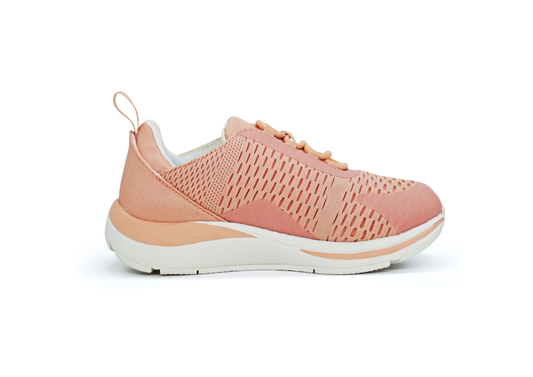
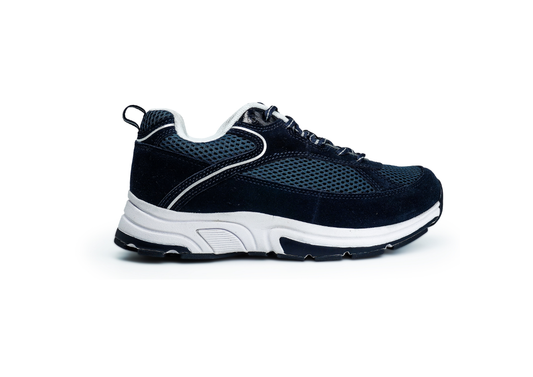
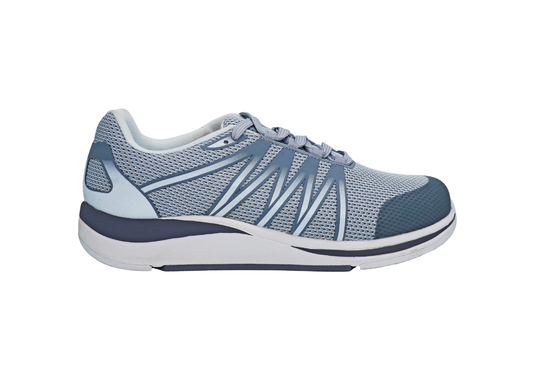
For specialist options, Ortho Shoes offers orthopedic walking footwear designed for daily use. Their collection includes men's orthopedic shoes and women's orthopedic shoes that prioritise support and comfort for regular walking.
What Features Define Orthopedic Walking Shoes for Foot Support?
Orthopedic walking shoes incorporate features that reduce load and protect joints. Common elements include adjustable or customisable support to match foot shape, cushioned midsoles for shock absorption, and breathable uppers to manage moisture. These design choices work together to reduce discomfort during extended wear.
As footwear comfort involves intricate interactions between design, activity, and individual foot characteristics, further research is necessary to fully understand how specific shoe features and personal physiological attributes contribute to overall comfort.
Footwear Comfort: Design, Task, and Individual Factors
Footwear comfort is a complex and multifaceted concept that is influenced not only by structural and functional aspects of shoe design, but also task requirements and anatomical and physiological differences between individuals. Further research is required to delineate the contribution of specific shoe features more clearly, and to better understand the interaction between footwear features and individual physiological attributes.
Footwear comfort: a systematic search and narrative synthesis of the literature, HB Menz, 2021
Why Are Diabetic and Arthritis Footwear Important for Safe Walking?
For people with diabetes or arthritis, purpose‑built footwear reduces risk and improves mobility. These shoes use extra cushioning and wider toe boxes to lower pressure points and accommodate deformities. Enhanced stability features reduce fall risk and let you walk with less pain. If you need products targeted to these conditions, review the diabetic footwear range.
What Are Essential Walking Tips for Beginners and Seniors?
Starting a walking routine should be gradual and safe. Begin with short, regular sessions and increase distance slowly. Use supportive shoes and monitor how your body responds. These steps reduce injury risk and help build a lasting habit.
- Start Slow: Gradually increase your walking distance to avoid injury.
- Stay Hydrated: Drink water before, during, and after your walk to maintain hydration.
- Wear Appropriate Clothing: Choose comfortable, moisture-wicking clothing to enhance your walking experience.
How to Maintain Proper Walking Posture and Prevent Foot Pain?
Good posture reduces strain on your feet and joints. Keep your head up and gaze forward. Engage your core to support the spine. Wear supportive footwear that fits well to prevent unnecessary movement inside the shoe.
- Keep Your Head Up: Look straight ahead to maintain balance and alignment.
- Engage Your Core: Activating core muscles supports your spine and improves stability.
- Use Proper Footwear: Wearing supportive shoes is essential for maintaining good posture and preventing discomfort.
Which Exercises Complement Casual Walking for Foot Health?
Complementary exercises strengthen the muscles used in walking and improve balance. Include dynamic stretches before walks and static stretches afterwards. Add leg and core strength work, plus balance exercises like tai chi or yoga to reduce fall risk.
- Stretching Exercises: Stretching before and after walking can improve flexibility and reduce muscle tension.
- Strength Training: Building strength in the legs and core supports better walking mechanics.
- Balance Exercises: Activities like yoga or tai chi can improve balance and coordination, reducing the risk of falls.
Where to Find Safe and Enjoyable Walking Routes Near Me in India?
Choose routes that are safe and encourage consistency. Look for parks, promenades, and well‑maintained nature trails. Local apps and community groups can point you to popular walking spots in your area.
- Use Local Apps and Websites: Many apps provide information on nearby walking trails and parks.
- Ask Local Walking Groups: Connecting with local walking groups can provide insights into the best routes.
- Explore Parks and Nature Trails: Parks often have designated walking paths that are safe and scenic.
What Are Recommended Local Walking Trails for Fitness and Foot Health?
When selecting a trail, prioritise access, maintenance and safety. Choose locations with good surface quality and lighting. Scenic routes help with motivation and adherence to a walking plan.
- Accessibility: Choose trails that are easy to access and navigate.
- Scenic Views: Walking in beautiful surroundings can enhance your experience and motivation.
- Safety Features: Look for trails with good lighting and well-maintained paths to ensure safety.
How to Prepare for Walking on Different Terrains and Weather Conditions?
Adapt footwear and clothing to terrain and weather. Use trail‑specific shoes for uneven ground. Dress in layers to manage temperature changes. Check the forecast and plan routes that match your equipment and fitness level.
- Choose Appropriate Footwear: Select shoes that are suitable for the terrain, such as trail shoes for uneven surfaces.
- Dress in Layers: Wearing layers allows you to adjust to changing temperatures during your walk.
- Stay Informed About Weather: Check the weather forecast to dress appropriately and plan your walk accordingly.
How Does Specialized Footwear Address Common Foot Conditions During Walking?
Specialized footwear targets the mechanical causes of common foot problems. Design features redistribute pressure, absorb shock, and stabilise the foot. That combination reduces pain and supports safer, longer walking sessions.
How Do Heel Pain Shoes Relieve Plantar Fasciitis Symptoms?
Heel pain shoes aim to reduce strain on the plantar fascia and cushion impact at heel strike. Typical features include supportive arches, extra midsole cushioning, and a secure fit to minimise internal movement. These elements work together to limit irritation during walking.
- Arch Support: This helps to reduce strain on the plantar fascia, alleviating pain.
- Cushioned Soles: Extra cushioning absorbs shock, providing comfort during each step.
- Proper Fit: Ensuring a snug fit prevents excessive movement within the shoe, reducing irritation.
For relief from such conditions, exploring heel pain shoes is a practical option.
What Are the Benefits of Arthritis-Friendly Walking Shoes?
Arthritis‑friendly shoes reduce pressure and support joints to make walking less painful. They provide extra padding, structural stability, and a fit that accommodates joint changes. The right shoe helps users maintain activity and independence.
- Improved Comfort: These shoes are designed with extra padding to reduce pressure on sensitive areas.
- Enhanced Support: They provide stability and support, making walking easier and less painful.
- Increased Mobility: With the right footwear, individuals can walk longer distances without discomfort, promoting a more active lifestyle.
Discovering arthritis-friendly walking shoes can materially improve comfort and mobility for people with arthritis.
| Footwear Type | Key Features | Benefits |
|---|---|---|
| Orthopedic Shoes | Customizable support, cushioned soles | Enhanced comfort, reduced foot pain |
| Diabetic Footwear | Extra cushioning, wider toe boxes | Prevention of foot complications, improved stability |
| Heel Pain Shoes | Arch support, proper fit | Relief from plantar fasciitis symptoms, increased comfort |
This table summarises how different specialist shoes address specific foot issues, helping you choose footwear that supports safe, comfortable walking.
Casual walking is an effective, low‑barrier way to improve health. Paired with appropriate footwear and sensible preparation, walking can reduce pain, boost mood, and support long‑term fitness. Whether you're starting out or maintaining activity, selecting shoes that match your needs and following basic safety tips will improve your walking outcomes.
Frequently Asked Questions
What is the best time of day to go walking for health benefits?
The best time depends on your routine and local conditions. Morning walks can boost energy and establish consistency. Evening walks may help with relaxation after the day. Choose a time you can keep regularly, and consider weather and route safety when scheduling.
How can I track my walking progress effectively?
Use a fitness app or wearable to record steps, distance and pace. A written log also works: note duration, distance and how you felt. Set measurable goals—such as minutes per day or steps per week—and review progress regularly to stay motivated.
Are there any specific stretches recommended before and after walking?
Yes. Warm up with dynamic moves like leg swings, arm circles and walking lunges to prepare muscles. After your walk, perform static stretches for calves, hamstrings and quadriceps, holding each stretch for 15–30 seconds to reduce stiffness and support foot health.
How can I stay motivated to walk regularly?
Set attainable goals and track them. Join a walking group or pair with a friend for social support. Vary your routes and use music or podcasts to make walks engaging. Celebrate milestones to reinforce the habit.
What should I do if I experience pain while walking?
If you feel pain, stop and rest. Assess where the pain occurs and whether it improves with rest. If it persists, seek advice from a healthcare professional. Check your footwear, adjust intensity, and allow recovery days to prevent aggravating an injury.
Can walking help with weight loss, and if so, how?
Yes. Walking burns calories and contributes to a calorie deficit when combined with dietary changes. Brisk walks of 30 minutes most days provide measurable benefit. For stronger results, combine walking with a balanced diet and other exercise forms.
