
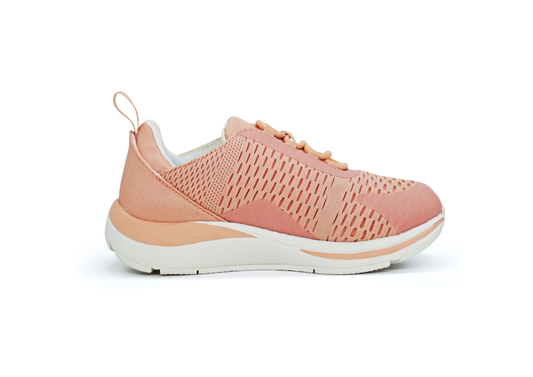
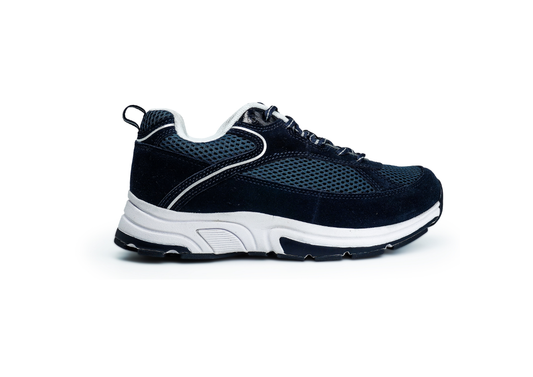

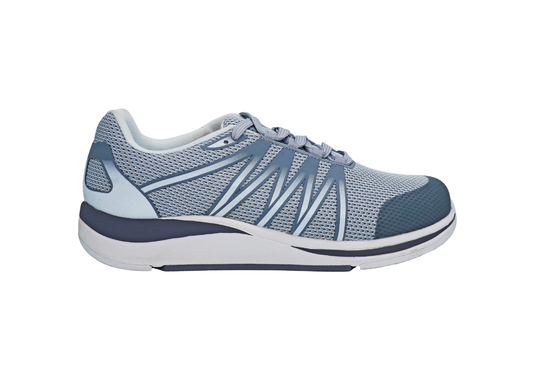

soft shoes
Soft Shoes for Orthopedic Foot Care: Expert Guidance on Choosing Comfortable and Supportive Footwear
By Dr. Subramanyam Balaji, Ortho Shoes Corporation
Soft shoes are engineered to deliver comfort and structural support, making them an appropriate choice for people with specific foot conditions. They are especially useful for plantar fasciitis, heel pain, diabetes-related foot problems and arthritis. This article examines the features to prioritise in soft shoes, common materials, the importance of fit, and how these shoes address everyday foot conditions. We also provide practical recommendations to help you select orthopedic footwear that supports foot health and comfort.
Key Features to Look For
When choosing soft shoes for orthopedic care, prioritise features that directly reduce pain and improve stability.
- Arch Support: Essential for stability, arch support helps maintain proper foot alignment and reduces strain on the feet.
- Cushioned Soles: These enhance comfort by absorbing shock and providing a soft landing for each step, which is crucial for individuals with foot pain.
- Wide Toe Boxes: A wide toe box prevents pressure on the toes, allowing for natural movement and reducing discomfort.
Together, these design elements increase the effectiveness of soft shoes in supporting foot health and reducing discomfort during daily activities.
| Feature | Description | Benefit |
|---|---|---|
| Arch Support | Provides stability and alignment | Reduces strain on feet |
| Cushioned Soles | Absorbs shock during walking | Enhances comfort and reduces pain |
| Wide Toe Boxes | Allows natural toe movement | Prevents discomfort and pressure |
Materials
The materials selected for soft shoes directly affect comfort, breathability and long‑term support.
Breathable fabrics help manage moisture and keep feet dry through the day. Durable materials preserve structural support for longer, which matters for people who depend on their footwear daily. The right combination of fabrics and soles improves overall shoe performance for orthopedic use.
Fit
Proper fit is essential for orthopedic shoes to work as intended. A correctly sized shoe prevents pinching and rubbing and improves overall comfort. Seek recommendations from a professional fitter or podiatrist, since correct sizing and fit significantly influence the shoe’s ability to relieve foot pain.
Addressing Common Foot Conditions
Soft shoes can address a range of foot conditions. For example, individuals with plantar fasciitis benefit from footwear with firm arch support and ample cushioning to reduce heel impact. Likewise, diabetic footwear should be wide and soft to lower the risk of blisters and ulcers.
Recommendations
Consider the following points when selecting soft shoes:
- Evaluate Support Levels: Assess the arch support and cushioning based on your specific foot type and condition.
- Consider Professional Fitting: A professional fitting can ensure that you select the right size and style for your needs.
- Look for Quality Materials: Opt for shoes made from breathable and durable materials to enhance comfort and longevity.
For those seeking high-quality orthopedic footwear, Ortho Shoes specialises in soft, supportive shoes designed to alleviate foot conditions such as plantar fasciitis, heel pain, diabetes-related foot issues, and arthritis.
What Are Soft Shoes and How Do They Support Foot Health?
Soft shoes are footwear built with features that prioritise comfort and support. Typical elements include cushioned soles, arch support and breathable uppers, all of which help reduce foot pain and support overall foot health. By creating a protective, stable environment for the foot, soft shoes can prevent worsening of existing conditions and support healthy foot function.
Defining Soft Shoes: Features and Benefits for Foot Comfort
Soft shoes are defined by their cushioning and supportive structure. These components absorb shock and improve stability, which is beneficial for people with foot pain or those who stand for long periods. The wider toe boxes used in many soft shoes also accommodate deformities and allow natural toe movement, reducing discomfort.
How Soft Shoes Address Common Foot Conditions Like Plantar Fasciitis
Soft shoes address conditions such as plantar fasciitis by combining arch support with cushioning. Arch support helps preserve proper foot alignment, while cushioned soles reduce heel impact, which together lower pain levels and improve comfort.
Which Soft Shoes Are Best for Plantar Fasciitis and Heel Pain Relief?
For relief from plantar fasciitis and heel pain, choose soft shoes that provide firm arch support and substantial cushioning. Brands such as Ortho Shoes produce specialised options designed to meet these requirements and improve comfort for people with foot pain.
Key Features of Plantar Fasciitis Shoes: Arch Support and Cushioning
Shoes for plantar fasciitis should prioritise arch support and cushioning. Arch support maintains foot alignment; cushioning lowers heel impact. These two features are central to effective symptom management.
Doctor-Recommended Soft Shoes for Effective Heel Pain Management
Consulting a podiatrist can identify the best footwear for heel pain. Many doctors recommend shoes that combine arch support with cushioning because these features are proven to alleviate discomfort and support foot health.
How to Choose Lightweight and Cushioned Sneakers for Women?
When choosing lightweight, cushioned sneakers for women, look for adequate arch support and a correct fit. Lightweight construction reduces foot fatigue, making these sneakers more comfortable for daily activities.
Benefits of Lightweight Sneakers in Reducing Foot Fatigue
Lightweight sneakers reduce foot fatigue and improve mobility. Cushioned soles provide shock absorption that lowers impact on the feet, resulting in a more comfortable walking experience.
Cushioning Technologies That Enhance Comfort in Women's Soft Shoes
Contemporary soft shoes often use advanced cushioning technologies that improve impact attenuation and distribute pressure. These systems enhance support and comfort for daily wear.
What Are the Advantages of Soft Sole Shoes for Kids?
Soft sole shoes for children offer flexibility that supports natural movement and cushioned insoles that protect developing feet. These features are important for promoting correct foot development in growing children.
Safety and Comfort Considerations in Soft Sole Kids Shoes
When choosing soft sole shoes for kids, prioritise a secure fit and breathable materials. A secure fit prevents slipping, while breathable fabrics keep feet dry and comfortable during active play.
Supporting Healthy Foot Development with Ergonomic Design
Ergonomic design in soft shoes supports healthy foot development by combining appropriate arch support with cushioning. These features reduce joint stress and encourage natural foot motion, which is essential for growing children.
Why Is Diabetic Footwear Important and How Do Soft Shoes Help?
Diabetic footwear is important for reducing complications such as ulcers and blisters. Soft shoes for people with diabetes often include seamless interiors and cushioned footbeds to reduce friction. For specialised options, diabetic footwear can play a key role in preventing foot injuries.
Essential Features of Diabetic Footwear: Soft Soles and Pressure Relief
Diabetic footwear should offer soft soles and targeted pressure relief. These design elements help prevent skin breakdown and reduce the risk of injury for people with diabetes.
Preventing Diabetic Foot Complications with Specialized Soft Shoes
Specialised soft shoes lower pressure points and improve stability for those with diabetes. By providing appropriate support and comfort, these shoes help reduce the likelihood of diabetic foot complications.
How to Select the Right Orthopedic Walking Shoes for Everyday Use?
Choose orthopedic walking shoes by assessing your foot type and confirming adequate support. Try shoes later in the day when feet are more likely to be swollen to ensure a realistic fit.
Evaluating Arch Support and Shock Absorption in Walking Shoes
When evaluating walking shoes, review the level of arch support and shock absorption. Correct arch support prevents strain, while effective cushioning reduces impact and makes walking more comfortable.
User Testimonials and Expert Recommendations for Orthopedic Footwear
User feedback and expert guidance offer practical insight into footwear performance. Many people report noticeable improvements in comfort and pain relief after switching to specialised soft shoes, underscoring the value of selecting the right shoe for foot health.
Frequently Asked Questions
1. What should I consider when buying soft shoes for children?
Prioritise flexibility, cushioning and a secure fit when buying soft shoes for children. Choose shoes that permit natural foot movement and offer adequate support for developing feet. Breathable materials help keep feet dry during play. Also consider shoe weight—lighter options reduce fatigue—and check the fit regularly, since children’s feet grow quickly. Ensure the shoes can accommodate any deformities or special needs.
2. How can I tell if my soft shoes fit properly?
Check that there is roughly a thumb’s width of space between your longest toe and the shoe front. The shoe should feel snug without pinching and should not rub at the sides or heel. Walk in them to confirm comfort and support. If your foot slides or you feel hotspots, try a different size or style. A professional fitter can also verify the best fit for your needs.
3. Are there specific brands known for high-quality orthopedic shoes?
Yes. Brands such as Ortho Shoes, New Balance and Brooks are frequently recommended for comfort, support and durability. These manufacturers commonly use advanced cushioning systems and arch support features tailored to various foot conditions. Read user reviews and consult healthcare professionals to identify the best option for your needs.
4. How often should I replace my orthopedic shoes?
Replace orthopedic shoes roughly every 6 to 12 months, depending on wear and usage. Replace them sooner if you see sole wear, loss of cushioning, or reduced support. New discomfort or pain that wasn’t present before can also indicate it’s time for a replacement. Regularly inspect your shoes to protect foot health.
5. Can soft shoes help with conditions other than foot pain?
Yes. Soft shoes can benefit people with diabetes by reducing blister and ulcer risk through cushioning and reduced friction. They can also help those with arthritis by providing shock absorption that eases joint stress. Overall, supportive footwear enhances mobility and foot health across a range of conditions.
6. What role do insoles play in orthopedic footwear?
Insoles add support, cushioning and alignment inside the shoe. Custom or specialised insoles can address flat feet, high arches or other issues by redistributing pressure and improving comfort. They also improve fit and reduce slippage and blister risk. When selecting orthopedic shoes, check whether the insoles are removable and can be customised.
7. How do I care for my soft shoes to ensure longevity?
Maintain soft shoes with regular cleaning and proper storage. Follow the manufacturer’s care instructions—usually wipe surface dirt with a damp cloth and treat stains with mild soap. Air dry shoes away from direct heat. Store them in a cool, dry place and avoid using them for inappropriate activities to prevent premature wear. Inspect shoes regularly and replace them when they show signs of deterioration.
