
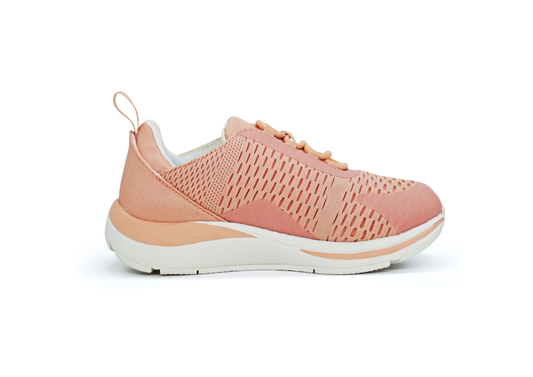
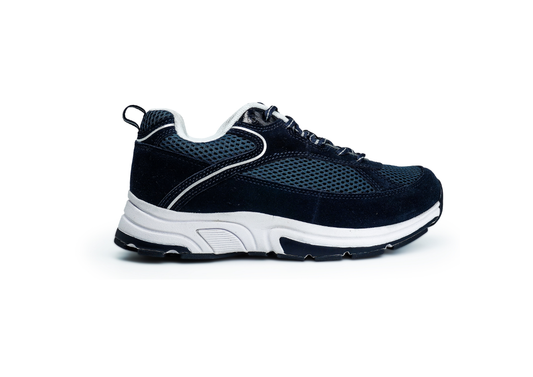

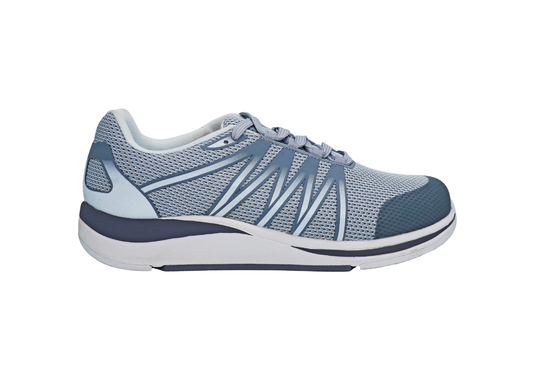

Cozy and Safe: Top OT Slippers for Home
The Ultimate Guide to Cozy OT Slippers
We all love sliding into fuzzy, oversized slip-ons. Yet, those cozy favorites often turn a dimly lit "midnight walk" into a severe hazard. Supportive cozy and safe OT slippers aim to reduce that risk. They combine comfort with structure. In practice, the most reliable pairs borrow key principles from orthopedic footwear. These include a secure fit, stable soles, and features that support alignment.
Clinicians often emphasize proprioception, which is your brain's conversation with the floor. Thick, squishy soles can muffle that connection. Therefore, choosing an OT chappal or slipper with orthopedic design cues can improve day-to-day stability. These designs use firm soles and supportive heels while still feeling comfortable at home.

The 3 Non-Negotiable Orthopedic Features Every 'OT Chappal' Must Have
Making a midnight trip to the bathroom shouldn't feel like a balancing act. While many shoppers focus on softness, an OT chappal should be evaluated like entry-level orthopedic footwear. It is defined by its foundation and containment. A safe slipper needs a firm outsole, not just rubber tread. If the sole is too squishy, your brain's connection with the floor is muffled. This increases your risk of tripping.
To ensure your indoor footwear supports comfort and stability, check for these three essential structural elements:
-
Firm outsole: Provides reliable ground feel and resists catching on rugs.
-
Reinforced heel counter: Helps keep the heel centered to reduce sliding.
-
Ample toe space: A wider toe box lets toes splay naturally for better balance.
Wearing a structured OT slippers design improves stability on common indoor surfaces. Yet, many people still get pulled toward ultra-plush, foam-filled options. For those who need similar stability in an outdoor setting, mens shoes orthopedic offer the same firm foundation. Understanding why "marshmallow" softness can work against support changes how you shop.
Why 'Marshmallow' Softness Is Your Foot's Worst Enemy
We all love sinking our feet into marshmallow-like comfort. However, this immediate softness is deceptive. Very soft foam can compress unevenly. This allows the foot to wobble when turning or stepping over thresholds. Without enough structure, your foot and ankle may work harder to stabilize. This can feel fatiguing over time.
Extreme cushioning can also dull proprioceptive feedback. For many people, orthopedic footwear feels better because it is consistent. It supports the heel and controls excessive motion. Recognizing this difference is central to how to choose orthopedic slippers. You should prioritize stability first, then add comfort through fit and materials.
Selecting the Right OT Slippers for Post-Surgery and Swollen Feet
Recovering from an operation or managing edema can turn a simple walk into an obstacle course. When your feet change size, standard slip-ons become dangerously loose or painfully tight. Choosing orthopedic-style slippers means prioritizing adjustability and depth. For those with reduced sensation, a diabetic comfort sandal or secure slipper becomes especially important.
Beyond a safe fit, hygiene and skin protection matter. Sensitive skin benefits from easy-to-clean materials that don't trap moisture. When evaluating an OT slippers option for recovery, look for these four practical features:
-
Adjustable closures: Wide straps that can loosen as swelling increases.
-
Breathable material: Fabrics that release heat and moisture.
-
Smooth interior lining: Minimizes rubbing against sensitive skin.
-
Slip-resistance: Firm rubber soles for secure steps on slick floors.

The 2-Minute 'Slipper Stress Test' You Can Do at Home
A quick structural audit on your current favorites reveals their true orthopedic value. First, confirm the fit: your toes should not be cramped. Next, check the footwear's support structure. Better OT chappal designs behave like a stable platform rather than a soft pouch. Put your slippers through this simple exam:
-
The Twist Test: Wring the shoe like a towel. It should resist twisting to stabilize the foot.
-
The Pinch Test: Squeeze the back heel. A structured heel area helps keep the rearfoot aligned.
-
The Bend Test: Push the toe upward. The sole should bend mainly at the ball of the foot.
If your footwear fails these checks, consider switching to womens shoes orthopedic for safer indoor walking.
Q&A: OT Slippers and Orthopedic Footwear Basics
-
Are OT slippers the same as orthopedic slippers? They are often used interchangeably. A slipper becomes orthopedic-leaning when it offers a stable sole, secure heel, and a supportive footbed.
-
Do orthopedic slippers need arch support? Not everyone needs aggressive support, but most benefit from a contoured footbed. If you use custom orthotics, look for a removable insole.
-
What should I look for if I have plantar fasciitis? Prioritize a supportive heel cup and a stable midsole. Avoid backless, floppy slippers that allow the arch to collapse.
-
Are backless slippers ever okay? They are fine for quick use, but they increase shuffling. For everyday walking, a closed heel or secure strap is better.
-
How do I choose an OT chappal for wide feet? Choose a wider toe box and adjustable straps. Depth matters as much as width for comfort.
-
When should I replace supportive slippers? Replace them when the tread is worn smooth or the heel counter collapses.
Your Step-by-Step Action Plan for Safer Indoor Walking
Looking past fuzzy fabrics to spot features that mirror orthopedic design transforms your routine. Use a simple three-point check: fit, heel security, and sole stability. This helps you identify cozy and safe OT slippers that support comfort without compromising control.
To maintain grip, wipe outsoles weekly with a damp cloth to remove dust. With the right structured OT chappal or slipper, indoor steps can feel genuinely cozy while staying stable and secure.
