
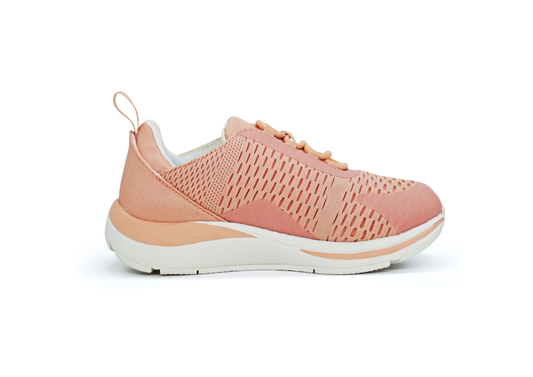
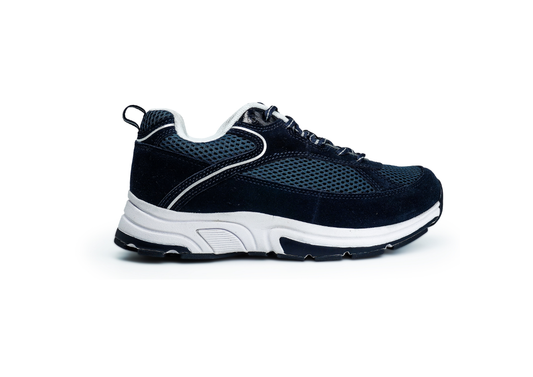

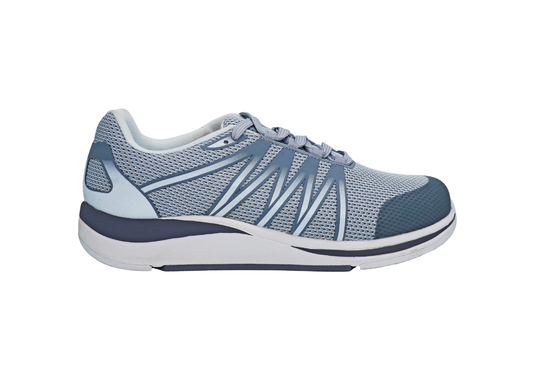

leather walking shoes
Best Leather Walking Shoes for Comfort, Orthopedic Support, and Durability
By Dr. Subramanyam Balaji, Ortho Shoes Corporation
Choosing the right walking shoes directly affects comfort and foot health, especially if you have orthopedic needs. Leather walking shoes are valued for durability, structural support, and a polished appearance. This guide reviews leather walking shoes that deliver comfort, orthopedic support, and long service life. You’ll learn the benefits of orthopedic leather footwear, why leather quality matters, and how to select the correct pair. We also highlight features for specific foot conditions to help you find the best fit.
What Are Orthopedic Leather Walking Shoes and Their Key Benefits?
Orthopedic leather walking shoes are engineered to provide extra support and comfort for common foot problems. Typical features include arch support, cushioning, and shock absorption. These elements work together to reduce pain, improve mobility, and make walking more comfortable.
How Do Arch Support and Cushioning Improve Foot Health?
Arch support restores foot alignment and can help prevent conditions such as plantar fasciitis and issues related to flat feet. Cushioning absorbs impact and lowers pressure on the sole. Together they reduce strain and enable longer, more comfortable activity.
Why Is Quality Leather Essential for Durable and Comfortable Walking Shoes?
High-quality leather is central to durable, comfortable walking shoes. Full-grain leather offers strength and breathability so shoes withstand daily use. Many premium leathers are treated with waterproofing to handle wet conditions. This blend of durability and comfort makes quality leather a sound investment.
Which Leather Walking Shoes Are Best for Specific Foot Conditions?
When choosing leather walking shoes, match features to your foot condition. Below are practical recommendations for common issues:
- Plantar Fasciitis: Look for shoes with excellent arch support and cushioning to alleviate heel pain.
- Diabetic Footwear: Shoes designed for diabetics should have a roomy toe box and soft materials to prevent blisters and ulcers.
- Arthritis and Heel Pain: Opt for shoes with extra cushioning and a supportive structure to reduce joint pressure.
For those seeking specialized options, Ortho Shoes offers a range of orthopedic leather walking shoes designed to meet these needs.
How Do Orthopedic Shoes Help Diabetic Feet?
Orthopedic shoes help prevent complications like ulcers and blisters in diabetic feet. They reduce pressure points and support circulation. By offering a stable, comfortable fit with targeted support, these shoes can significantly enhance quality of life for people with diabetes. If you are looking for specialized footwear for this condition, consider exploring diabetic footwear options.
What Features Support Arthritis and Heel Pain Relief in Leather Shoes?
Certain leather shoe features are key to easing arthritis and heel pain. These include:
- Cushioning: Soft padding helps relieve pressure on joints and provides comfort during movement.
- Arch Support: Proper arch support aids in foot alignment, reducing strain on the feet and joints.
- Roomy Toe Box: A spacious toe area prevents irritation and allows for natural foot movement.
These features work together to reduce joint pressure and improve walking comfort for people with arthritis and heel pain. For targeted solutions, exploring shoes for heel pain can provide focused relief.
Are Waterproof Leather Walking Shoes Suitable for Hiking and Outdoor Use?
Waterproof leather walking shoes are well suited to hiking and outdoor activities. They block moisture while allowing some breathability. Quality leather construction stands up to rugged conditions. Supportive design and cushioning maintain comfort on long walks and hikes.
What Makes Leather Walking Shoes Durable and Waterproof?
Durability and water resistance depend on leather grade and manufacturing processes. Full-grain leather is commonly treated with waterproofing agents to perform in wet conditions. Robust construction techniques also extend a shoe’s service life, making them a practical investment.
How Do Orthopedic Hiking Shoes Enhance Comfort and Support?
Orthopedic hiking shoes combine advanced cushioning, enhanced arch support, and stability features. These elements absorb shock, reduce fatigue, and help you navigate uneven terrain with less strain. They are suited to hikers who need extra support on long routes.
How to Choose Affordable Orthopedic Leather Walking Shoes in India?
To choose affordable orthopedic leather walking shoes in India, prioritize essential features: arch support, cushioning, and durable materials. Compare models within your budget to balance cost and quality.
What Price Ranges Offer the Best Value for Orthopedic Leather Shoes?
You’ll find orthopedic leather shoes across several price brackets in India, from basic support models to premium designs:
- Affordable options under ₹1,000: Basic models that provide essential support.
- Mid-range options ₹1,000 - ₹2,000: Shoes with better materials and additional features for comfort.
- Premium options above ₹5,000: High-quality shoes with advanced technologies and superior craftsmanship.
Where to Find Trusted Brands Offering Quality Orthopedic Leather Shoes?
Look for established brands known for diabetic and orthopedic footwear. Check product specifications and customer feedback to verify comfort and support. Legacy collections can offer value without compromising quality.
What Are the Best Practices for Maintaining and Caring for Leather Walking Shoes?
Regular care extends the life of leather walking shoes. Clean and condition leather to preserve natural oils and prevent cracking. Control moisture and store shoes properly to maintain shape and appearance.
How to Clean and Preserve Leather for Long-Lasting Comfort?
Follow these simple steps to clean and preserve leather shoes:
- Use mild soap and water: Gently clean the surface with a damp cloth.
- Condition regularly: Apply a leather conditioner to keep the material supple.
- Avoid harsh chemicals: Steer clear of products that can damage the leather.
When to Replace Orthopedic Leather Walking Shoes for Optimal Foot Health?
Knowing when to replace your orthopedic leather walking shoes is important for maintaining foot health. Look for signs of wear such as:
- Visible damage: Cracks or tears in the leather.
- Loss of cushioning: If the shoes no longer provide adequate support.
- Deformed shape: Shoes that have lost their original structure may not offer the necessary support.
Replace shoes when they show significant wear. Doing so preserves support and reduces the risk of pain or injury.
Frequently Asked Questions
What should I consider when buying leather walking shoes for wide feet?
When buying leather walking shoes for wide feet, choose brands that offer wide or extra-wide sizes. A roomy toe box prevents pinching. Adjustable laces or straps help you fine-tune the fit. Ensure cushioning and arch support are adequate. Always try shoes on with the socks you plan to wear.
Can leather walking shoes be resoled or repaired?
Many leather walking shoes can be resoled or repaired, which lengthens their lifespan. If the upper is in good condition, a cobbler can replace the sole. Stitching and minor patches are also repairable. Regular conditioning reduces damage and the need for frequent repairs.
Are there specific brands known for high-quality orthopedic leather walking shoes?
Several brands are well regarded for orthopedic leather walking shoes. Mainstream names like New Balance, ASICS, and Clarks are noted for comfort and support. Specialist brands such as Orthofeet and Vionic focus on orthopedic needs. Review customer feedback and expert recommendations to choose models suited to your condition.
How do I know if my leather walking shoes fit properly?
To determine if your leather walking shoes fit properly, leave about a thumb’s width of space between your longest toe and the front of the shoe. The shoes should feel snug but not tight, with no pinching or rubbing on the sides. Walk around to check for comfort and support. Persistent discomfort indicates the shoes are not the right fit.
What are the benefits of using insoles in leather walking shoes?
Using insoles in leather walking shoes can enhance comfort and support, especially for individuals with specific foot conditions. Insoles provide additional arch support, cushioning, and shock absorption, which can alleviate pain and improve overall foot health. Custom orthotic insoles are particularly beneficial for flat feet, plantar fasciitis, and other orthopedic issues. They can also improve the fit of the shoe for extended wear.
How can I tell if my leather walking shoes are waterproof?
To determine if your leather walking shoes are waterproof, check the product description or label for terms like "waterproof," "water-resistant," or "treated leather." Many quality leather shoes undergo treatments to enhance water resistance. You can also perform a simple water test: sprinkle a few drops of water on the surface; if the water beads up and rolls off, the shoes are likely waterproof. If the water soaks in, they may not provide adequate protection against moisture.
