
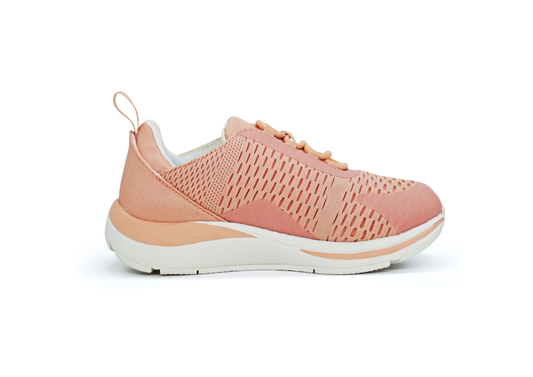
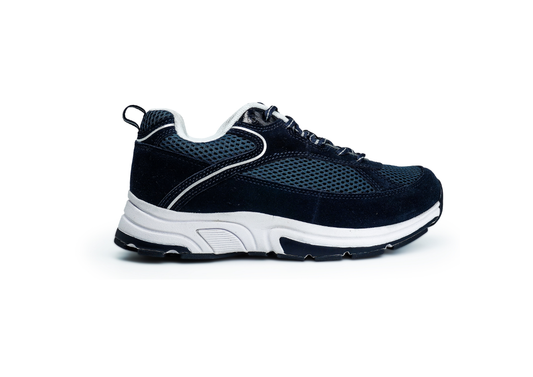

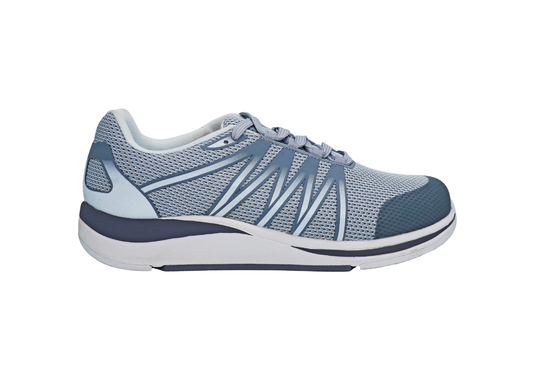

orthotic walking shoes
Orthotic Walking Shoes for Foot Pain Relief: Expert Guide to Supportive and Therapeutic Footwear
By Dr. Subramanyam Balaji, Ortho Shoes Corporation
Orthotic walking shoes are engineered to support the foot and reduce pain for people with common conditions. They combine structured arch support, cushioning, roomy toe boxes and stability features to improve comfort and promote better foot health. This guide outlines those features, expert selection tips, and purchase considerations. Understanding the benefits of orthotic walking shoes can help you walk more comfortably and protect your feet over time.
This guide explains the essential features of orthotic shoes, evidence-based recommendations for choosing them, and the specific ways they help conditions such as flat feet and plantar fasciitis. It also covers how to select a pair that matches your needs and daily activities.
Key Features of Supportive and Therapeutic Footwear:
Supportive and therapeutic footwear combines design elements that reduce strain, absorb shock and maintain alignment. Key attributes focus on support, cushioning and functional fit to address common sources of foot pain.
- Arch Support: Proper arch support helps distribute weight evenly across the foot, reducing strain and discomfort.
- Cushioning: Adequate cushioning absorbs shock and provides comfort during walking, which is crucial for those with foot pain.
- Roomy Toe Box: A spacious toe box allows for natural toe movement and prevents cramping, which is essential for comfort.
- Stability Features: Shoes with stability features help maintain proper foot alignment, reducing the risk of injury.
- Orthotic-Friendly Design: Many orthotic shoes accommodate custom orthotics, providing additional support tailored to individual needs.
When these elements are combined, they create a supportive environment that reduces load on painful areas and improves overall walking comfort.
Expert Recommendations for Selecting the Best Pair:
Choose orthotic walking shoes based on support, fit and the activities you do most. Prioritise features that address your specific symptoms and seek professional advice when necessary.
- Fit: Ensure the shoes fit well, providing enough room for your toes while securely holding your heel in place.
- Material: Look for breathable materials that offer durability and comfort, as well as moisture-wicking properties.
- Activity Level: Consider your daily activities and choose shoes that are appropriate for your lifestyle, whether for walking, standing, or casual wear.
- Consultation: If you have specific foot conditions, consulting with a podiatrist or orthopedic specialist can provide valuable insights into the best options for your needs.
For those seeking high-quality orthotic walking shoes, Ortho Shoes provides a selection of supportive footwear designed to reduce pain and improve walking comfort.
Additional Considerations:
Also consider how often you replace shoes and the brand’s reputation. Regular assessment ensures you keep adequate support as materials wear.
- Replacement Frequency: Regularly assess the condition of your shoes and replace them as needed to maintain optimal support.
- Brand Quality: Invest in reputable brands known for their commitment to quality and comfort in orthopedic footwear.
What Are Orthotic Walking Shoes and How Do They Improve Foot Health?
Orthotic walking shoes are specialised footwear built to correct alignment, reduce pressure and protect vulnerable tissues. They address issues such as fallen arches, excessive pronation and heel pain by redistributing forces and cushioning impact.
Design Features
The design elements in orthotic walking shoes determine their therapeutic value. Common components include a structured arch, a stabilising heel cup, cushioned midsoles and an accommodating toe box to reduce focal pressure.
- Structured Arch Support: This feature helps maintain the natural arch of the foot, providing essential support.
- Deep Heel Cup: A deep heel cup stabilizes the foot and prevents excessive movement, which can lead to discomfort.
- Midsole Cushioning: Adequate cushioning in the midsole absorbs shock and enhances comfort during walking.
- Roomy Toe Box: A spacious toe box allows for natural toe movement, reducing the risk of cramping.
- Orthotic-Friendly Design: Many orthotic shoes are designed to accommodate custom orthotics, providing tailored support.
Benefits for Various Foot Conditions
Orthotic walking shoes reduce mechanical stress and improve comfort for a range of conditions. They can ease plantar fasciitis, metatarsalgia, heel spur discomfort, bunion and hammertoe pressure, and help maintain alignment for flat feet. Specialised diabetic footwear protects sensitive skin and lowers complication risk.
- Plantar Fasciitis: These shoes provide the necessary arch support and cushioning to alleviate pain associated with this condition.
- Metatarsalgia: The cushioning and support help reduce pressure on the metatarsal bones, providing relief.
- Heel Spurs: Orthotic shoes can help alleviate the discomfort caused by heel spurs through proper support and cushioning.
- Bunions and Hammertoes: A roomy toe box and supportive design can help accommodate these conditions, reducing pain and discomfort.
- Flat Feet: Orthotic shoes provide the necessary arch support to help individuals with flat feet maintain proper alignment.
- Diabetes: Specialized diabetic footwear offers protection and support for sensitive feet, reducing the risk of complications.
Research supports the role of orthotics—both prefabricated and custom-fitted—in reducing pain and improving function for adults with plantar fasciitis.
Orthotics for Plantar Fasciitis: Pain Relief & Improved Function
Studies have found that both prefabricated and custom-fitted orthotics reduce pain and improve function in adults with acute plantar fasciitis, with few reported risks. When used alone or alongside conventional therapy (NSAIDs, stretching, lifestyle changes), orthotics provide effective short-term relief and functional improvement. Prefabricated options are generally less costly and may offer similar symptom relief to custom devices.
Orthotics compared to conventional therapy and other non-surgical treatments for plantar fasciitis, 2015
Recommendations for Use
To get the most benefit, match shoe features to your condition, follow professional guidance when needed, and test different styles to find the best fit and comfort.
- Consult a Professional: If you have specific foot conditions, consult with a healthcare professional for personalized advice.
- Consider Your Lifestyle: Choose shoes that align with your daily activities and provide the necessary support for your lifestyle.
- Try Different Styles: Experiment with various styles and brands to find the best fit and comfort for your feet.
Defining Orthotic Walking Shoes: Features and Benefits
Orthotic walking shoes combine structural support and cushioning to reduce pain, improve gait and preserve mobility. Their benefits include reduced focal pressure, improved alignment and greater walking comfort over time.
How Orthotic Shoes Address Common Foot Conditions
Orthotic shoes target specific biomechanical faults. For plantar fasciitis they offer firm arch support and shock absorption; for flat feet they restore alignment and reduce strain. The design reduces stress on affected tissues and supports recovery.
Which Orthotic Walking Shoes Are Best for Flat Feet Pain?
When selecting shoes for flat feet, prioritise firm arch support, effective cushioning, a well-shaped arch profile and a secure fit that still allows natural toe movement.
- Support: Look for shoes that provide adequate arch support to help maintain proper foot alignment.
- Cushioning: Shoes with ample cushioning can help absorb shock and reduce discomfort during walking.
- Arch Design: A well-designed arch can provide the necessary support for individuals with flat feet.
- Fit Considerations: Ensure the shoes fit well, allowing for natural toe movement while securely holding the heel.
For practical solutions for flat feet pain, Ortho Shoes carries orthotic walking models for both women and men. See their women's orthopedic shoes and men's orthopedic shoes collections.
Key Features of Shoes for Flat Feet Pain
Shoes for flat feet typically combine structured arch support, cushioning to absorb impact, stability elements to control motion, and a roomy toe box to reduce forefoot pressure.
- Arch Support: Essential for maintaining proper foot alignment and reducing strain.
- Cushioning: Helps absorb shock and provides comfort during walking.
- Stability Features: Ensures proper foot alignment and reduces the risk of injury.
- Roomy Toe Box: Allows for natural toe movement, preventing cramping.
How Arch Support Sneakers Alleviate Flat Feet Discomfort
Arch support sneakers combine a firm arch profile, supportive insoles and stability features to redistribute pressure and reduce muscle fatigue. They help maintain alignment, which lowers pain during walking.
How Do Plantar Fasciitis Walking Footwear Provide Effective Relief?
Footwear for plantar fasciitis focuses on unloading the plantar fascia through arch support, cushioned midsoles, a firm heel counter and a toe box that prevents crowding.
- Arch Support: Essential for alleviating pressure on the plantar fascia.
- Cushioned Sole: Provides comfort and absorbs shock during walking.
- Firm Heel Counter: Stabilizes the foot and prevents excessive movement.
- Roomy Toe Box: Allows for natural toe movement, reducing discomfort.
Research also shows that using orthotic sandals alongside prefabricated orthotics can extend daily foot support, which may increase symptom relief when shoes are not worn.
Orthotic Sandals & Prefabricated Orthotics for Plantar Fasciitis Relief
Plantar fasciitis (PF) affects about 10% of people. Prefabricated orthotics with arch support have demonstrated symptom relief in PF by reducing repetitive stress on the plantar fascia. Because prefabricated orthotics only work when shoes are worn, the foot can be unsupported at home. Using orthotic sandals together with prefabricated orthotics can extend the time the foot receives support and may increase symptom relief.
Use of orthotics with orthotic sandals versus the sole use of orthotics for plantar fasciitis: Randomised controlled trial, 2023
Understanding Plantar Fasciitis and Its Impact on Walking
Plantar fasciitis is inflammation of the plantar fascia, the band connecting heel to toes. It commonly causes heel pain with the first steps in the morning and can limit walking and standing tolerance. Choosing footwear that reduces stress on the fascia is central to symptom management.
Design Elements in Orthotic Shoes Targeting Plantar Fasciitis
Shoes for plantar fasciitis include firm arch support to reduce tensile load on the fascia, cushioned soles to dampen impact, stabilising heel counters to control motion, and deep heel cups to improve alignment.
- Arch Support: Helps alleviate pressure on the plantar fascia.
- Cushioned Soles: Absorb shock and provide comfort during walking.
- Firm Heel Counters: Stabilize the foot and prevent excessive movement.
- Deep Heel Cups: Help maintain proper foot alignment.
For focused relief from heel pain, consider exploring shoes designed for heel pain.
What Are the Benefits of Supportive Walking Sneakers for Foot Pain Relief?
Supportive walking sneakers reduce impact, improve comfort and support better posture. That combination helps you move with less pain and greater stability.
- Cushioning: Provides comfort and absorbs shock during walking.
- Improved Mobility: Enhances overall foot health and mobility.
- Better Posture: Supports proper alignment, reducing strain on the feet and joints.
Cushioning and Shock Absorption Technologies Explained
Cushioning and shock-absorption systems use midsole foams, gels or engineered inserts to lower peak forces on the foot. Different materials balance energy return, durability and comfort to match activity and symptom needs.
Ergonomic Design Principles in Supportive Walking Sneakers
Ergonomic footwear follows the foot’s natural shape and movement. Designers use data on pressure distribution, gait and anatomy to position support where it reduces harmful loads and enhances comfort.
Which Orthotic Walking Shoes Are Recommended for Diabetic and Arthritis Foot Care?
People with diabetes or arthritis need shoes that protect sensitive tissue and reduce joint load. Recommended models combine protective interiors, cushioning and adjustability to accommodate swelling and deformity.
- Specialized Features: Shoes designed for diabetic foot care often include protective elements to accommodate sensitive areas.
- Support for Joint Health: Arthritis footwear provides cushioning and support to alleviate pressure on joints.
Specialized Features in Diabetic Footwear
Diabetic footwear emphasises protection and fit control: soft linings, seamless interiors, extra padding and designs that allow for swelling. These features reduce friction and the risk of skin breakdown.
- Protection for Sensitive Areas: Extra padding and support to prevent injuries.
- Accommodating Swelling: Adjustable designs that allow for changes in foot size throughout the day.
How Arthritis Footwear Supports Joint Health and Mobility
Arthritis footwear prioritises cushioning and pressure redistribution to lower joint pain during walking. Stable soles and supportive footbeds can make daily movement easier and less painful.
For specialised shoe options for arthritis, visit arthritis footwear.
How to Choose the Right Orthotic Walking Shoes: Buying Guide and Expert Tips
Selecting the right pair requires assessing your symptoms, evaluating essential features and matching shoes to your lifestyle. Use a checklist that includes support, cushioning and fit.
- Assessing Foot Conditions: Identify any specific foot issues you may have and look for shoes that address those needs.
- Evaluating Shoe Features: Consider essential features such as arch support, cushioning, and fit to ensure optimal comfort.
Assessing Foot Conditions and Support Needs
Before buying, document your symptoms and any diagnoses. A consultation with a podiatrist or orthopaedic specialist can clarify which features will help most.
Evaluating Shoe Features: Arch Support, Cushioning, and Fit
When assessing shoes, confirm they provide adequate arch support for alignment, sufficient cushioning for impact reduction, and a secure fit that still allows natural toe movement.
- Importance of Arch Support: Ensure the shoes provide adequate arch support to maintain proper alignment.
- Cushioning Considerations: Look for shoes with sufficient cushioning to absorb shock and enhance comfort.
- Fit Assessment: Ensure the shoes fit well, allowing for natural movement while securely holding the foot in place.
Frequently Asked Questions
1. How do I know if I need orthotic walking shoes?
If you have ongoing foot pain, pain with walking, or diagnoses such as plantar fasciitis, flat feet or arthritis, orthotic walking shoes can help. Other signs include persistent arch or heel pain, frequent foot fatigue, and difficulty finding comfortable shoes. A podiatrist can provide a tailored recommendation.
2. Can I use custom orthotics with any walking shoes?
Not all walking shoes accept custom orthotics. Choose models labeled "orthotic-friendly" that have removable insoles and enough internal depth to fit your device without crowding the toe box. Also ensure the shoe offers supportive cushioning to work with the orthotic.
3. How often should I replace my orthotic walking shoes?
Replace orthotic walking shoes every 6 to 12 months depending on use and wear. Replace them sooner if you see sole wear, loss of cushioning, or a decline in support. New or worsening pain can also signal it's time for a replacement.
4. Are there specific brands known for quality orthotic walking shoes?
Several mainstream and specialised brands are known for supportive footwear. New Balance, Brooks, ASICS and Saucony offer supportive running and walking models, while OrthoFeet and Vionic specialise in orthotic-friendly designs. Check reviews and, when possible, consult a professional to find the best fit.
5. Can children benefit from orthotic walking shoes?
Yes. Children with foot pain, flat feet or overpronation can benefit from supportive footwear to guide healthy gait development. A paediatric podiatrist can assess need and advise on appropriate orthotic options.
6. What should I look for in orthotic sandals?
Look for arch support, a contoured footbed, cushioning, adjustable straps for a secure fit, a roomy toe box and a firm heel counter for stability. These features extend support when closed shoes are impractical.
7. How do I break in new orthotic walking shoes?
Break in new shoes gradually. Start with 30–60 minute periods and increase wear over several days. Monitor for hotspots and consider thicker socks briefly if needed to ease the adjustment.
