
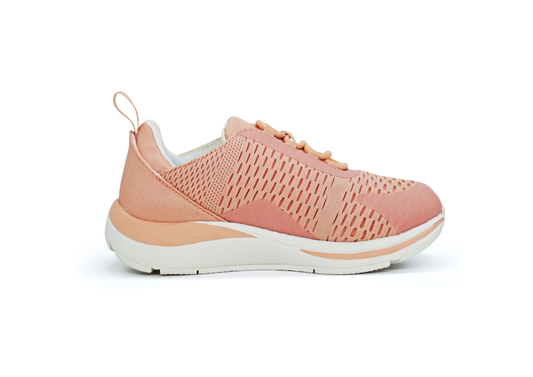
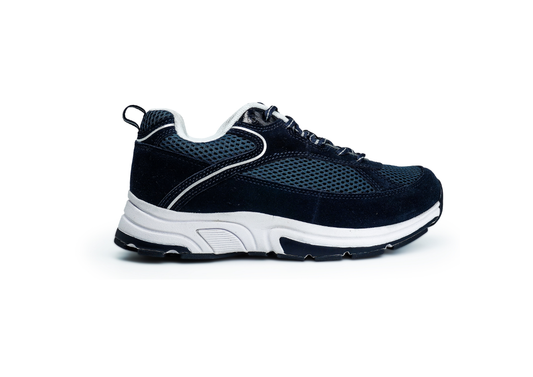

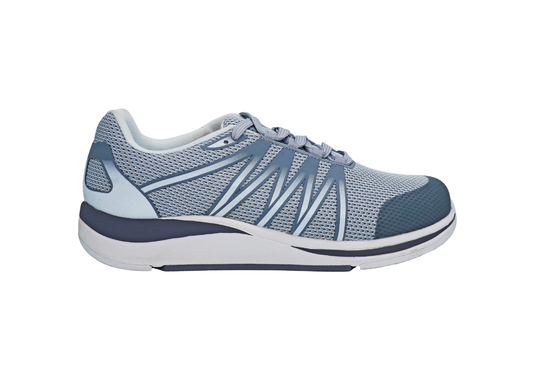

shoes for sore feet
Best Shoes for Sore Feet: Expert Guide to Orthopedic and Comfort Footwear
By Dr. Subramanyam Balaji, Ortho Shoes Corporation
Choosing appropriate footwear is essential for people with foot pain; ill-fitting shoes can worsen existing problems. This guide explains which orthopedic and comfort shoes relieve pain and why. You’ll find clear information on common causes of foot pain, how specialised shoes address those causes, and the specific features to prioritise when buying footwear. We cover conditions such as plantar fasciitis, arthritis, and diabetic foot pain, with practical recommendations for supportive shoes. The guide also explains the role of arch support and offers basic maintenance advice to preserve shoe function. For targeted options, consider exploring orthopedic footwear that is designed to reduce discomfort.
What Causes Foot Pain and How Can Specialized Shoes Help?
Foot pain has many causes: poor shoes, medical conditions, and daily habits. Specialized shoes counter these problems by adding support, cushioning, and stability. They redistribute your weight to reduce pressure on painful areas and dampen shock. A podiatrist can identify the exact cause of your pain and recommend the most suitable footwear options.
Common Foot Conditions Leading to Sore Feet: Plantar Fasciitis, Arthritis, and Diabetic Foot Pain
Several common foot conditions cause notable discomfort.
- Plantar Fasciitis: This condition is characterized by inflammation of the plantar fascia, causing heel pain, especially in the morning.
- Arthritis: Various forms of arthritis can lead to joint pain and swelling in the feet, making it difficult to walk comfortably.
- Diabetic Foot Pain: Individuals with diabetes may experience neuropathy, leading to pain and sensitivity in the feet.
Recognising these conditions helps you choose shoes that provide relief and protection. If you have diabetes, prioritise specialised diabetic foot shoes that reduce pressure and protect sensitive tissue.
How Orthopedic Shoes Provide Arch Support and Pressure Relief
Orthopedic shoes are engineered to give targeted arch support and lower pressure on vulnerable areas. They typically include contoured footbeds that cradle the arch and stabilise the foot. Built-in cushioning materials absorb impact and reduce strain on heels and forefoot.
| Feature | Description | Benefit |
|---|---|---|
| Arch Support | Contoured footbeds | Reduces strain on arches |
| Cushioning | Shock-absorbing materials | Alleviates pressure on sensitive areas |
| Stability | Firm heel counters | Enhances overall foot support |
Combined, these design elements make orthopedic shoes a practical option for managing foot pain and improving comfort during daily activities.
Which Shoes Are Best for Plantar Fasciitis Relief?
For plantar fasciitis, shoes with specific support features are most effective. Look for cushioned soles, a secure but comfortable fit, and reliable arch support. These features reduce strain on the plantar fascia and limit morning heel pain.
- Cushioned soles: These help absorb impact and reduce stress on the plantar fascia.
- Proper fit: Shoes should fit snugly without being too tight, allowing for natural foot movement.
- Arch support: Essential for maintaining foot alignment and reducing strain.
Brands such as OrthoFeet and New Balance offer models tailored to plantar fasciitis. Shoes marketed for heel pain relief often include the necessary support and cushioning.
Features of Effective Plantar Fasciitis Shoes: Cushioning and Ergonomic Design
Effective plantar fasciitis shoes include several essential design elements.
- Cushioned Insoles: These provide additional comfort and shock absorption, essential for reducing heel pain.
- Ergonomic Design: Shoes that follow the natural shape of the foot help maintain proper alignment and reduce discomfort.
- Adjustable Straps: These allow for a customized fit, accommodating swelling or changes in foot shape.
Together, these features reduce impact on the heel and support a steadier, more comfortable gait for people with plantar fasciitis.
Doctor-Recommended Orthopedic Walking Shoes for Heel Pain
Clinicians commonly recommend specific walking shoes for heel pain because they combine support and cushioning with daily-wear durability.
- OrthoFeet Comfort Walker: Known for its excellent arch support and cushioning, this shoe is ideal for daily wear.
- Brooks Addiction Walker: This model features a lightweight design and breathable materials, making it suitable for extended use.
- Saucony Grid Omni Walker: With enhanced heel support, this shoe is perfect for those needing extra stability while walking.
These options are frequently suggested for their balance of stability, shock absorption, and long-term comfort for heel pain sufferers.
How to Choose Diabetic Foot Shoes for Optimal Comfort and Safety?
Choosing diabetic footwear focuses on reducing risk and maximising comfort. Prioritise a wide fit, breathable materials, and seamless construction to prevent pressure spots and moisture build-up.
- Wide fit: Ensures comfort and prevents pressure points.
- Breathable materials: Help maintain foot hygiene and reduce moisture buildup.
- Seamless construction: Minimizes friction and irritation on sensitive areas.
Attention to these details helps you find shoes that protect fragile skin and support daily mobility.
Pressure-Reducing and Wide-Fit Diabetic Footwear Benefits
Diabetic footwear with pressure-relief features delivers measurable benefits.
- Prevention of Ulcers: Properly fitted shoes reduce the risk of developing foot ulcers, a common concern for diabetics.
- Improved Circulation: Shoes that fit well promote better blood flow, essential for diabetic foot health.
- Reduced Pressure Points: Specialized designs help distribute weight evenly, minimizing discomfort.
These benefits emphasise why selecting purpose-built diabetic footwear is a key part of preventive foot care.
Materials and Design Considerations for Diabetic Foot Care
Material choice and construction matter for diabetic shoes. Opt for breathable fabrics, cushioned interiors, and seamless builds to reduce risk and enhance comfort.
- Breathable Fabrics: Materials like mesh allow for airflow, keeping feet dry and comfortable.
- Cushioned Interiors: Soft linings help prevent irritation and provide additional comfort.
- Seamless Construction: Reduces the risk of blisters and sores, making them ideal for sensitive feet.
Applying these design principles ensures diabetic footwear meets clinical needs for protection and comfort.
What Are the Benefits of Arch Support Footwear for Sore Feet?
Arch support shoes deliver several clear benefits for people with foot pain.
- Pain Alleviation: Proper arch support can significantly reduce discomfort associated with conditions like plantar fasciitis and flat feet.
- Improved Comfort: Shoes with adequate arch support enhance overall comfort during daily activities.
- Enhanced Foot Health: By promoting proper alignment, arch support footwear can prevent long-term foot issues.
Choosing footwear with suitable arch support can reduce pain, improve comfort, and help prevent progressive foot problems.
Role of Arch Support in Alleviating Foot Pain and Improving Posture
Arch support stabilises the foot and promotes correct alignment. That stabilisation spreads load evenly, reducing strain on specific tissues. Less strain means less pain and improved posture, which can positively affect knees, hips, and lower back.
Comparing Arch Support Levels in Different Orthopedic Shoes
Orthopedic shoes offer varying degrees of arch support to match different foot types.
- High Arch Support: Ideal for individuals with high arches, offering maximum stability and comfort.
- Moderate Arch Support: Suitable for those with average arches, providing balanced support.
- Low Arch Support: Best for individuals with flat feet, helping to prevent overpronation.
Knowing whether you need high, moderate, or low arch support helps you choose shoes that correct alignment without creating new pressure points.
Which Comfortable Sandals Are Suitable for Foot Pain?
Comfortable sandals can relieve foot pain if they include supportive features. In warm weather, choose sandals that combine arch support, cushioning, and adjustable straps for a stable, comfortable fit.
- Arch support: Essential for maintaining foot alignment.
- Cushioned footbeds: Help absorb shock and provide comfort.
- Adjustable straps: Allow for a customized fit, accommodating foot swelling.
When sandals incorporate these elements, they become a practical option for people managing foot pain.
Features of Therapeutic Sandals for Sore Feet Relief
Therapeutic sandals typically include targeted support and comfort features designed to reduce pain.
- Arch Support: Helps maintain proper foot alignment and reduces strain.
- Cushioned Footbeds: Provide comfort and shock absorption.
- Adjustable Straps: Allow for a personalized fit, accommodating changes in foot size.
These design elements make therapeutic sandals a viable alternative to closed shoes for many users.
Can Sandals Provide Adequate Support for Foot Conditions?
Modern therapeutic sandals can offer adequate support for many foot conditions, though design quality varies. Look for built-in arch support, deep heel cups, and cushioned footbeds to ensure stability and shock absorption.
- Arch Support: Many sandals now feature built-in arch support, making them suitable for individuals with flat feet or high arches.
- Deep Heel Cups: These help stabilize the foot and prevent excessive movement, reducing the risk of injury.
- Cushioned Footbeds: Provide comfort and shock absorption, essential for individuals with foot pain.
These improvements show that sandals can be engineered to support foot health when you choose models with the right features.
How to Maintain and Select the Right Orthopedic Shoes for Long-Term Foot Health?
Proper care extends the life and function of orthopedic shoes. Regular cleaning and correct storage help preserve support and cushioning.
Tips for Proper Shoe Fit, Care, and Replacement Timing
Follow practical steps to keep shoes effective: assess your foot type periodically, clean shoes regularly, and watch for wear that reduces cushioning or support.
- Assessing Foot Type: Regularly check your foot type and any changes in size or shape.
- Regular Cleaning: Keep shoes clean to prevent odor and material degradation.
- Signs of Wear: Replace shoes when they show signs of significant wear, such as loss of cushioning or support.
These simple habits preserve shoe performance and help maintain your foot health over time.
Integrating Custom Orthotics and Latest Shock Absorption Technologies
Custom orthotics add personalised support to orthopedic shoes, and modern shock-absorbing materials further reduce impact. Together they enhance comfort and lower stress on pain-prone areas.
- Custom Orthotics: Designed specifically for your foot shape, these can provide targeted support where needed.
- Shock Absorption Technologies: Advanced materials can help reduce impact on the feet, making walking more comfortable.
Using orthotics and up-to-date shock absorption features helps you get the most benefit from your footwear.
Frequently Asked Questions
1. How do I know if I need orthopedic shoes?
If you have ongoing foot pain, trouble walking comfortably, or a diagnosed foot condition, orthopedic shoes may help. Signs include persistent heel or arch pain, frequent foot fatigue, and difficulty finding comfortable everyday shoes. A podiatrist can assess your feet and recommend whether orthopedic footwear is appropriate.
2. Can I wear orthopedic shoes for sports or exercise?
Yes. Many orthopedic models are made for activity, but choose shoes specifically labelled for athletic use. Athletic orthopedic shoes include reinforced soles, breathable uppers, and sufficient arch support to protect your feet during exercise.
3. Are there specific brands known for quality orthopedic footwear?
Several reputable brands specialise in supportive footwear. OrthoFeet, New Balance, and Brooks are commonly recommended for their focus on comfort, stability, and durability. Trying different styles and reading reviews helps you find the best fit for your feet.
4. How often should I replace my orthopedic shoes?
Replace orthopedic shoes every 6 to 12 months, depending on how often you wear them and signs of wear. Look for worn soles, flattened cushioning, or reduced support. Replacing shoes on time helps preserve foot health and prevents recurrence of pain.
5. Can I use custom orthotics with any type of shoe?
Custom orthotics work with many shoes, but they perform best in footwear that has enough internal space and removable insoles. Choose shoes that accommodate orthotics without creating new pressure points, and check fit after inserting them.
6. What should I look for in sandals if I have foot pain?
Prioritise sandals with arch support, cushioned footbeds, and adjustable straps. Ensure they provide a contoured footbed to distribute weight evenly and avoid friction. A well-designed sandal should reduce pain while allowing for breathability in warm weather.
7. Are there any lifestyle changes that can help alleviate foot pain?
Yes. Losing excess weight reduces pressure on your feet. Regular stretching and strengthening exercises improve flexibility and support. Also, avoid prolonged standing, wear supportive footwear, and keep good foot hygiene to reduce irritation and discomfort.
