




Top Slippers for Leg Pain Relief | Orthopedic Footwear
Best Slippers to Alleviate Leg Pain
You kick off your stiff work shoes and slide into your favorite plush footwear. Yet thirty minutes later, you might still wonder why do my legs ache when walking barefoot at home—or even while wearing those fluffy house shoes?
This common frustration perfectly describes "Kitchen Sink Syndrome," that heavy, tired feeling experienced after standing to wash dishes. According to footwear experts, the culprit is mistaking temporary softness for stability. Finding actual slippers for leg pain requires firm support rather than bottomless cushioning.
Without a structured bridge beneath your arch, your leg muscles work double-time to balance on hard floors. Fortunately, alleviating lower extremity fatigue is entirely possible by choosing orthopedic footwear built on three essential pillars: a contoured footbed, a sturdy sole, and a deep heel cup.
The Domino Effect: Why Your Flat Slippers Are Pulling on Your Calves and Knees
You finally sit down after doing the dishes, but your legs are throbbing. We usually blame a long day and slide into a soft, flat leg pain chappal or foot pain chappal for relief. However, walking on hard floors in pancake-flat house shoes actually forces your muscles to work twice as hard just to keep you upright.
Think of your body like a house: if the foundation leans, the walls strain. This domino effect is the "Kinetic Chain." Without support, your foot rolls inward—a movement called pronation. As this first domino falls, your ankle tilts, forcing the knee to twist. This structural collapse explains the impact of flat feet on calf pain, since your muscles constantly fight to stabilize your joints.
Halting this exhausting cycle requires neutral alignment, where your heel and ankle sit perfectly straight. A sturdy foundation stops the twisting, letting tired muscles relax. Securing this healthy posture requires identifying footwear with specific structural benefits, such as stable mens orthopedic walking shoes diabetic friendly designs that keep the foot locked in a neutral position.
The 3-Point Checklist: What to Look for in Orthopedic House Shoes
Stepping into marshmallow-soft footwear feels wonderful initially, but that squishy sinking sensation is exactly what exhausts your lower legs. Recognizing the difference between memory foam and orthotic slippers saves your muscles from constantly fighting to balance on an unstable surface.
Proper alignment demands a solid foundation rather than a fluffy cloud. When shopping for mens shoes orthopedic styles or home slippers, prioritize structural stability over mere softness to truly halt the domino effect of daily pain.
To evaluate your next pair, use this three-point checklist:
-
The Deep Heel Cup: Unlike a flat, shapeless back, a true heel cup gently dips down to cradle your heel bone, locking your ankle in a perfectly straight line so it cannot roll inward.
-
The Firm Arch: Look for contoured footbeds for fallen arches that feel like a sturdy bridge under your midfoot, preventing structural collapse and distributing your body weight evenly.
-
The Rigid Outsole: You need shock-absorbing soles for joint protection; a thick, firm bottom acts like a car's suspension system against hard kitchen tile or hardwood floors.
Swapping a flimsy house shoe for these three pillars immediately reduces the muscular strain of standing. Beyond these baseline criteria, addressing your specific symptoms ensures maximum comfort.
Targeted Relief: Choosing the Right Slipper for Your Specific Pain
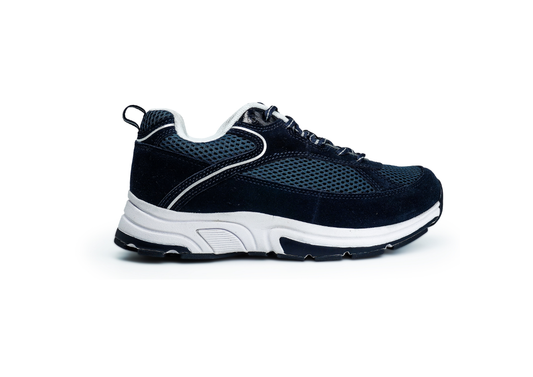
Not all pain stems from the same problem. If you wake up with sharp heel pain, finding plantar fasciitis relief footwear means prioritizing an ultra-stiff arch that stops your foot from collapsing. Similarly, supportive indoor shoes for sciatica relief prevent your ankles from rolling inward, stopping that painful twisting sensation from traveling up your leg to your lower back. For men, the Aaron comfort orthopedic shoes for men or the Jackson mens orthopedic sandal diabetic comfort provide this necessary stability.
Sensitive feet require a different approach to comfort. When choosing the right slippers for peripheral neuropathy, your main enemy is friction. You must seek seamless interiors that glide over the skin, preventing hidden blisters on toes that might lack full sensation. The Breezy slipper footwear womens model is specifically designed for this gentle, protected environment.
Afternoon swelling demands adaptability rather than a fixed fit. Premium womens shoes orthopedic designs utilize adjustable straps over the top of the foot. This crucial feature—found in the Buttercup orthopedic sandal women and the Sawyer womens orthopedic sandal diabetic comfort—lets you easily accommodate changing foot volume without sacrificing the firm bottom stability needed for safe walking on hard kitchen floors.
Matching your footwear to your specific symptoms guarantees your time at home actually heals. Before committing to a pair, you can easily verify their structural integrity at home.
The 'Slipper Stress Test': How to Vet Your Footwear in 30 Seconds
You don't need a medical degree to identify genuinely supportive footwear. Whether you are comparing slip-on vs adjustable strap house shoes, the real support test happens before you ever put them on your feet. Flimsy soles force your leg muscles to work overtime just to keep you balanced on hard floors. To save money and avoid slippers that flatten out in a month, put them through a 30-second physical exam.
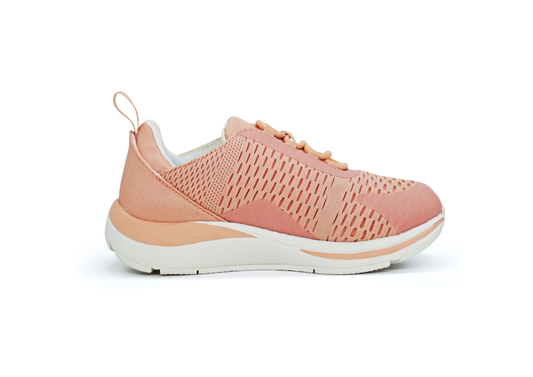
Grab the shoe—whether it is the Sprinter orthopedic athletic shoe rose womens or a standard house slipper—and try these three structural checks to ensure it won't collapse under your weight:
-
The Fold Test: Push the toe toward the heel. It should only bend where your toes naturally flex, never folding completely in half.
-
The Twist Test: Wring the sole like a damp towel. A sturdy foundation will resist twisting, which prevents your ankles from rolling inward.
-
The Press Test: Poke the inside arch. It must push back like a firm handshake, not sink like a marshmallow.
Passing this gauntlet guarantees true stability, a hallmark of the best pursuit womens slip on orthopedic shoes and contest mens orthopedic walking shoes. Once you find the right foundation, safely transitioning to better support prevents initial discomfort.
Footwear Q&A: Slippers, Sandals, and Chappals for Leg Pain
Q: Are orthopedic slippers for women and orthopedic slippers for men actually different? A: The core support features are the same (deep heel cup, firm arch, stable outsole). Differences are usually in sizing, width options, and upper designs, so the better choice is the pair that matches your foot shape and walking pattern.
Q: What’s better for home—closed-back slippers or open-back slip-ons? A: For leg pain, a secure heel (closed-back or at least a structured heel collar) often reduces foot slippage and muscle “gripping,” which can translate into less fatigue up the calves.
Q: Do ortho sandals work as well as slippers for leg pain? A: They can—if they have a contoured footbed and a stable sole. Many ortho sandals and sandals for leg pain also offer adjustable straps, which can be useful if your feet swell during the day.
Q: What should I look for in orthopedic chappals for ladies (or a leg pain chappal) if I stand on hard floors? A: Prioritize a rigid outsole and a firm arch platform over extra-soft cushioning. “Soft only” chappals can feel comfortable at first, but they may compress quickly and stop supporting alignment.
Q: Are medical slippers for ladies or “medicated chappals for ladies” a good idea for daily wear? A: They can be, as long as the support structure is consistent and the fit is stable. Look for smooth interiors (to reduce rubbing), adjustable uppers, and a footbed that doesn’t flatten after a few weeks.
Q: How do I pick footwear for leg pain if my main issue is foot pain chappal discomfort near the heel or arch? A: Choose a firmer, shaped arch (not just padding) and a deep heel cup. If pain is persistent, sharp, or worsening, consider getting evaluated so your footwear choice matches the underlying cause.
Your Action Plan for Pain-Free Standing: Transitioning to Better Support
Ditching flat, marshmallow-soft footwear for structured balance running shoes womens or medicated chappals for ladies relieves daily strain. Replace worn-out pairs with firm player mens orthopedic walking shoes featuring proper arch bridges, and ease into them by wearing them for just an hour daily.
Your muscles need time to adjust to this sturdy foundation. Within a week, you should notice your standing stamina improving at the kitchen sink. If your legs still throb after a month, consult a podiatrist. Otherwise, simply enjoy your comfortably supported stride.
