Top 5 Medical Shoes for Men: Best Orthopedic Picks for Pain-Free Living
If the first thing you do after a long shift is kick off your shoes to stop the throbbing, you aren’t just wearing the wrong size. You are experiencing the physical cost of inadequate, fashion-first footwear.
For many, finding the right medical shoes mens options means choosing engineered orthopedic footwear: designs built to stabilize your arch, secure your heel, and provide a spacious toe box. This structural integrity reduces the stress that travels upward, contributing to knee, hip, and lower back pain.
Fortunately, shopping for medical shoes for men at Orthoshoes.in no longer means settling for clunky hospital boots. Today’s designs blend medical-grade engineering with everyday aesthetics to keep you moving comfortably.
The Anatomy of Relief: 3 Features of Orthopedic Footwear
When comparing orthopedic sneakers vs. regular walking shoes, the biggest misconception is that "softer" equals "better." True pain relief requires three specific technical elements:
-
Torsional Rigidity: This is the shoe’s ability to resist twisting. Much like a firm mattress supports your spine, a rigid midfoot supports your frame on hard concrete floors, preventing your arch from collapsing inward.
-
Corrective Depth: Since feet expand throughout the day, diabetic footwear with extra depth is crucial. This prevent top-foot friction and allows you to slide in custom orthotics without the instep becoming uncomfortably tight.
-
Rocker Bottom Soles: These soles are gently curved from heel to toe. Instead of your toe joints bending sharply under your body weight, the shoe "rolls" you forward, shifting pressure away from sore joints.
The Top 5 Orthopedic Shoe Categories for Men
Beating 4 PM foot fatigue shouldn't mean sacrificing style. To identify a truly supportive option, look for the APMA Seal of Approval, which guarantees the design promotes foot health.
Here are the primary categories to consider when browsing the men's orthopedic collection:
1. The Orthopedic Sneaker
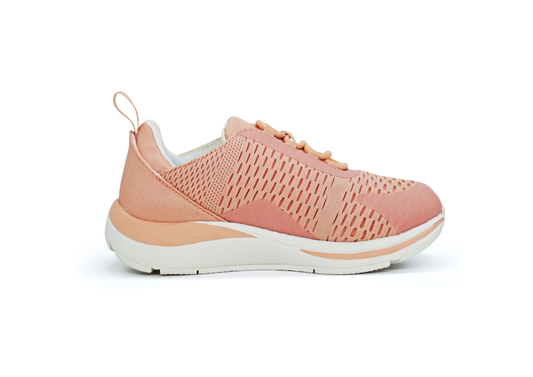
Perfect for active daily commuters, models like the Player Men's Orthopedic Walking Shoes absorb heavy impact and offer superior stability for those on their feet all day.
2. The Professional Loafer
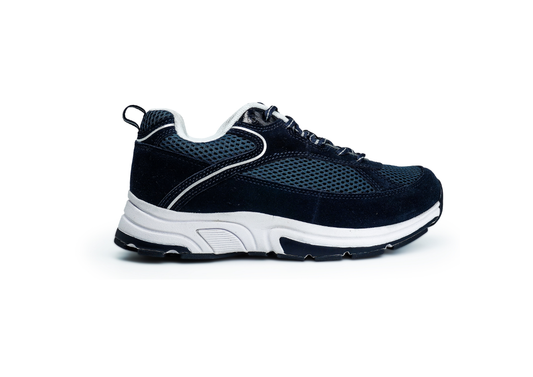
For office environments where you need to hide extra depth, a sophisticated medical shoe like the Aaron Comfort Orthopedic Shoes for Men provides a polished look while accommodating prescription orthotics.
3. The Performance Trainer
If you run or train, prioritize orthopedic running shoes with a stable heel counter and a supportive midfoot to prevent overuse injuries.
4. The Stability Walker
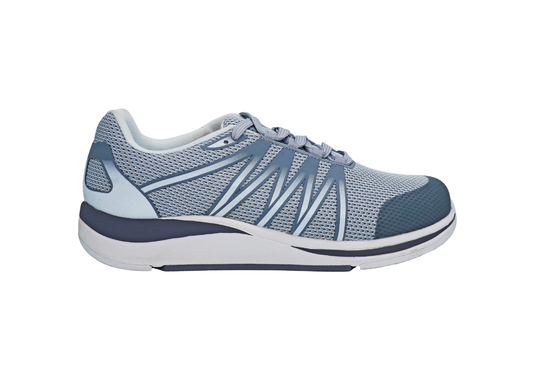
Designed specifically for gait correction, the Stable Men's Orthopedic Walking Shoes are ideal for those managing diabetes-related sensitivity or minor balance issues.
5. The Specialized Recovery Shoe
For high-impact days or post-activity recovery, options like the Contest Men's Orthopedic Walking Shoes offer maximum cushioning and breathability.
Getting the Perfect Fit: Depth and Width
Knowing your standard length is only the beginning when seeking plantar fasciitis relief.
-
The Brannock Measurement: Use a classic metal scale to see if you need wide "E" or "EE" sizing.
-
The Thumb Test: Leave half an inch of clearance between your longest toe and the tip of the shoe.
-
Heel Seat Stability: A deep, sculpted heel cup anchors your foot to reduce painful ankle rolling.
Pro Tip: Under the Medicare therapeutic shoe bill, individuals managing diabetes may qualify for coverage for specialized inserts and therapeutic shoes. Consult your podiatrist to see if you qualify.
Your 7-Day Foot Health Roadmap
When transitioning to podiatrist-recommended shoes, follow this break-in schedule to let your body adjust to the new alignment:
-
Days 1-2: Wear indoors for 2-hour increments.
-
Days 3-5: Half-day wear. If you have neuropathy, perform daily foot checks for redness.
-
Days 6-7: Full-day wear, monitoring for any friction or "hot spots."
Orthopedic Footwear Q&A
1) What's the difference between medical shoes and orthopedic shoes?
"Medical shoes" is a broad term including diabetic and post-surgical options. "Orthopedic footwear" specifically refers to shoes built with structural support (firm midfoot, stable heel) to treat specific foot mechanics.
2) Do supportive shoes replace custom orthotics?
Not always. While shoes like the Jackson Men's Orthopedic Sandal provide excellent built-in support, those with severe flat feet or high arches may still need a custom insert for precision control.
3) What features matter most for plantar fasciitis?
Look for a firm heel counter, a supportive arch, and a slightly elevated heel-to-toe drop. Avoid shoes that bend easily in the middle, as this increases strain on the plantar fascia.
For more specialized options, explore the full range of men's medical footwear at Orthoshoes.in today.