Choosing the Best Slippers for Seniors
For most, a slipper is a luxury, but for seniors, it is the most important piece of safety equipment in the home. Many indoor falls occur because standard, backless shoes fail to secure the foot. Finding the best house shoes for fall prevention requires shifting focus from softness to reliable stability. Swapping an unpredictable sole for a supportive, grippy base ensures every step on slick tile is grounded in confidence.
Why Aging Feet Need More Than Just Cushioning
Pillowy memory foam actually increases fall risk. Aging weakens proprioception—the brain-to-floor connection—and squishy materials mute the sensory feedback needed to "feel" the ground, leading to unstable steps. Additionally, seniors often deal with edema (swelling). Slippers must accommodate this fluid shift; a pair comfortable at breakfast may become painfully tight by dinner if the material cannot adapt.
The Hidden Dangers of Scuffs and Backless Slides
Backless designs force toes to instinctively clench to keep the shoe on, creating a dangerous shuffling gait. This causes feet to drag, making even small rug edges a major tripping hazard. Replace slippers immediately if you see these red flags:
● Holes or loose threads that could snag on furniture.
● Smooth soles where the tread is worn flat, like a bald tire.
● Stretched, collapsed heels that fail to secure the ankle.
The Three Pillars of Safe Footwear
1. Support (Heel Counter): A rigid piece built into the back of the shoe to hold the heel steady and prevent outward ankle rolls.
2. Sole (Traction): Non-slip rubber soles generate purposeful friction against slick floors to stop feet from skating forward.
3. Security (Fasteners): Velcro closure shoes are essential for arthritic hands, ensuring the slipper stays locked in place mid-step.
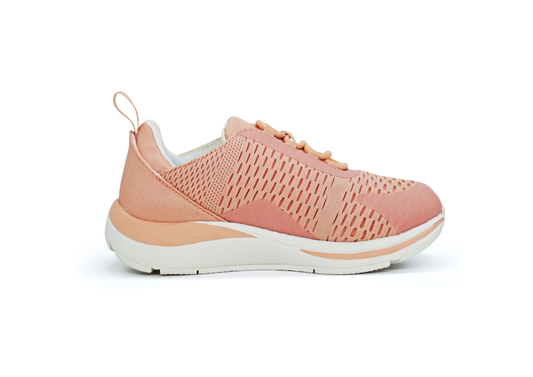
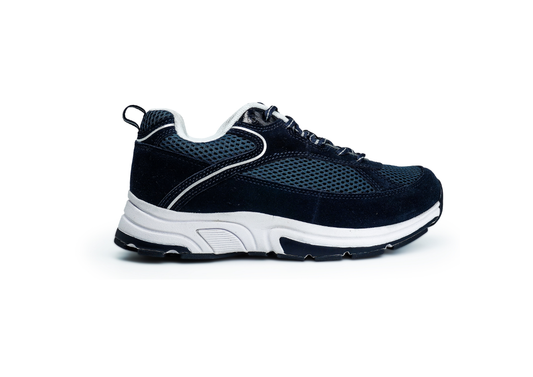
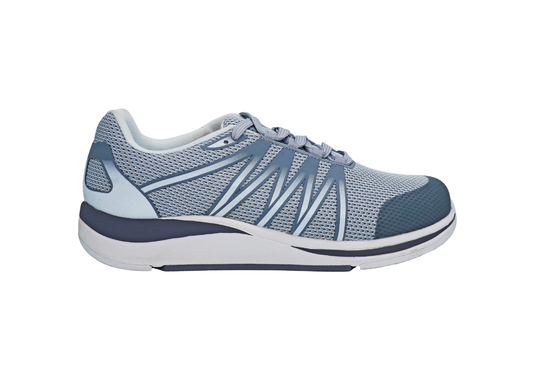
For those needing professional-grade indoor support, exploring the Sweet Walker collection can offer the necessary structural foundation.
Managing Swollen Feet and Arthritis
Adjustable designs are vital for all-day comfort as foot volume fluctuates. Match the design to specific challenges:
● Arthritis: Large Velcro closures for minimal hand strength.
● Bunions/Hammertoes: Deep toe boxes or open-toe styles to stop rubbing.
● Severe Edema: Extra-wide tongues to allow the foot to drop in without force.
Specialized diabetic footwear also offers seamless interiors to protect sensitive skin, while arthritis footwear focuses on total pressure redistribution.
FAQ: 10 Common Questions About Seniors' Slippers
1. Why is memory foam dangerous for seniors? It mutes sensory feedback from the floor, making it harder for the brain to maintain balance.
2. What is proprioception? It is the vital brain-to-floor connection that allows you to sense your position and stay stable while walking.
3. Why are backless slippers a trip hazard? They cause a "shuffling gait" because the wearer must clench their toes to keep the slippers on.
4. How do I perform the "Pinch Test"? Squeeze the back heel hard; if it collapses easily, it cannot properly secure the ankle.
5. What is the "Rule of Thumb" for fitting? Ensure one thumb's width of space between the longest toe and the front of the slipper.
6. Can I use custom orthotics in house shoes? Yes, if you choose men's orthopedic shoes or slippers with removable footbeds.
7. How do rocker soles help? While rare in slippers, rocker soles in shoes help roll the foot forward to reduce joint strain.
8. What is the best time to measure foot size? Late afternoon, when feet are at their maximum size due to natural swelling.
9. Are there slippers for bunions? Yes, look for wide toe box designs that prevent friction on sensitive joints.
10. When should I replace my slippers? When the tread is flat, the heels are stretched, or there are visible holes/snags.
Your 3-Step Plan for Safer Indoor Mobility
● Inspect your pair: Discard backless slides or overly squishy soles today.
● Measure later: Check your size in the late afternoon to account for swelling.
● Shop the "Big Three": Prioritize firm soles, secure closures, and sturdy heels.