
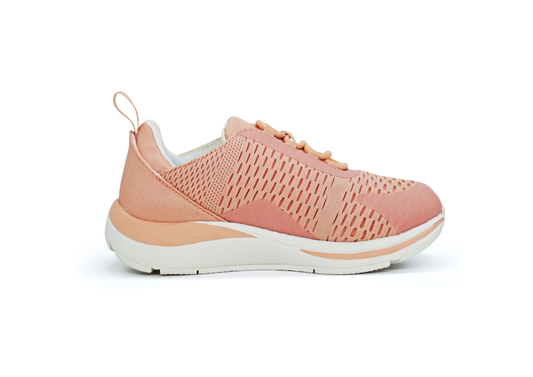

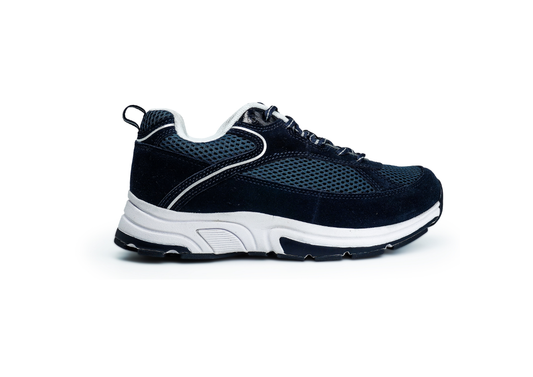

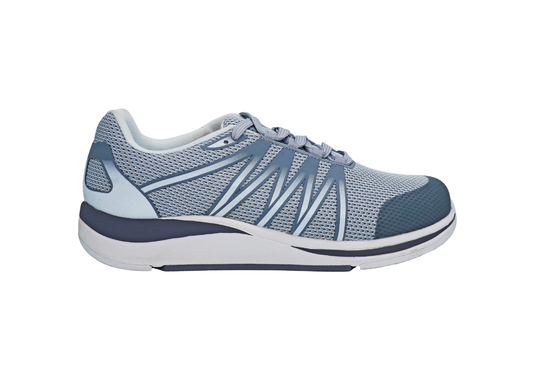


plantar fasciitis shoes
Best Plantar Fasciitis Shoes for Effective Heel Pain Relief and Foot Comfort
By Dr. Subramanyam Balaji, Ortho Shoes Corporation
Plantar fasciitis often causes persistent heel pain and makes daily activities uncomfortable. The right shoes can reduce pain by supporting the plantar fascia and improving comfort. This guide explains which shoe features matter, why arch support and cushioning help, and how to pick footwear that improves mobility and reduces strain.
What Are Plantar Fasciitis Shoes and How Do They Relieve Heel Pain?
Plantar fasciitis shoes are built to support and cushion the foot, reducing load on the plantar fascia and lowering heel stress. Properly designed footwear can improve comfort and mobility by stabilizing the foot and absorbing shock.
Research further supports the efficacy of specialized footwear and other mechanical treatments in managing plantar fasciitis symptoms.
Mechanical Treatments for Plantar Fasciitis: Shoes & Orthoses
Plantar fasciitis is one of the most common foot injuries. Several mechanical treatment options, including shoe inserts, ankle-foot orthoses, tape, and shoes are used to relieve the symptoms of plantar fasciitis. Objectives: To investigate the effectiveness of mechanical treatment in the management of plantar fasciitis.
Effectiveness of mechanical treatment for plantar fasciitis: a systematic review, K Postema, 2019
How Arch Support in Orthopedic Shoes Reduces Plantar Fasciitis Symptoms
Arch support keeps the foot aligned and limits overstretch of the plantar fascia, lowering heel pressure. Contoured footbeds or built-in arch supports cradle the arch, adding stability and comfort for flat feet or high arches. See options for men's orthopedic shoes.
Why Heel Cushioning Is Essential for Foot Pain Relief Footwear
Heel cushioning absorbs impact and reduces strain on the heel. Materials like EVA foam or gel inserts soften the landing and protect tissues from repeated stress. For plantar fasciitis, good heel padding can noticeably reduce pain during walking and standing.
Which Features Define the Best Shoes for Plantar Fasciitis Relief?
Prioritize these features when shopping:
- Arch Support: Built-in or removable arch support to maintain alignment.
- Cushioned Sole: Shock-absorbing midsole to reduce heel impact.
- Proper Fit: Roomy toe box with a secure heel to prevent slipping.
Combined, these features create a stable, cushioned platform that reduces strain on the plantar fascia.
What Role Does Ergonomic Design Play in Comfortable Shoes for Plantar Fasciitis?
Ergonomic design mirrors the foot’s natural shape to promote alignment and reduce strain. A wide toe box, firm heel counter, and a flexible but supportive sole all contribute to comfort and reduce pressure points that worsen heel pain.
How Do Orthopedic Shoes for Heel Pain Differ from Regular Footwear?
Orthopedic shoes focus on support, cushioning, and fit in ways standard shoes often do not. Common characteristics include:
- Structural Support: Enhanced arch and heel support for alignment.
- Quality Materials: Durable, cushioning materials that retain support longer.
- Customizable Options: Removable insoles to accommodate custom orthotics.
These differences make orthopedic shoes a practical choice for people with plantar fasciitis or chronic foot pain.
How to Choose the Right Plantar Fasciitis Shoes: Buying Guide and Sizing Tips
Assess your foot type and activity needs, and try shoes later in the day when feet are slightly swollen. Prioritize models with solid arch support and good cushioning, and check the return policy in case the fit or feel isn't right. For curated options, Ortho Shoes offers orthopedic footwear for various foot conditions, including plantar fasciitis.
What Should You Look for in Arch Support Shoes for Foot Pain Relief?
Look for:
- Contoured Footbed: Matches your arch for consistent support.
- Firm Heel Counter: Stabilizes the rearfoot and prevents excessive motion.
- Adjustable Straps: Allow a tailored fit for varying foot shapes.
These elements help the shoe support your arch and reduce pain during daily activities.
Are Diabetic Orthopedic Shoes Suitable for Plantar Fasciitis Patients?
Diabetic orthopedic shoes often provide the enhanced support and cushioning that benefit plantar fasciitis patients, and they reduce pressure points. Consult a healthcare professional to confirm a specific diabetic shoe meets both diabetic and plantar fasciitis needs. Explore diabetic orthopedic shoes if you need both types of support.
What Do Customers Say About Plantar Fasciitis Shoes?
Many customers report reduced heel pain and more comfort after switching to plantar fasciitis shoes. Reviews typically praise improved arch support, better cushioning, and reduced discomfort during long periods of standing or walking.
| Feature | Description | Benefit |
|---|---|---|
| Arch Support | Built-in support for the foot's arch | Maintains proper alignment |
| Cushioned Sole | Soft, shock-absorbing material | Reduces impact on the heel |
| Ergonomic Design | Foot-shaped design for comfort | Minimizes strain and discomfort |
This table summarizes essential features of plantar fasciitis shoes and the benefits they offer for foot health.
In conclusion, choosing the right plantar fasciitis shoes — with reliable arch support, effective cushioning, and ergonomic fit — can significantly relieve heel pain and improve daily comfort and function.
Frequently Asked Questions
1. Can I wear plantar fasciitis shoes for other foot conditions?
Yes. They often help with flat feet, high arches, and general foot pain due to combined arch support and cushioning. Check with a healthcare professional for specific conditions.
2. How often should I replace my plantar fasciitis shoes?
Replace them every 300–500 miles or roughly every 6–12 months, depending on use and wear. Replace sooner if cushioning or support declines.
3. Are there specific brands known for effective plantar fasciitis shoes?
Brands such as ASICS, Brooks, New Balance, and Saucony are frequently recommended for models that focus on arch support and cushioning. Read reviews and consult a specialist to choose a model that fits your needs.
4. Can I use custom orthotics with plantar fasciitis shoes?
Yes. Many shoes accept removable insoles so you can insert custom orthotics for tailored arch support and cushioning. Ensure the shoe still fits well with the orthotic installed.
5. What activities are suitable for wearing plantar fasciitis shoes?
They are ideal for walking, light jogging, and daily wear. For high-impact sports, consult a specialist to determine whether sport-specific footwear is needed.
6. How do I know if my plantar fasciitis shoes fit properly?
There should be about a thumb's width from your longest toe to the shoe front. The heel should be snug without slipping, and arch support should align with your foot. Try them on later in the day and walk to assess comfort.
7. Are there any lifestyle changes that can complement wearing plantar fasciitis shoes?
Yes. Stretching the calves and plantar fascia, maintaining a healthy weight, avoiding prolonged standing on hard surfaces, and using ice or over-the-counter pain relief can all help. For a full plan, consult a healthcare professional.
