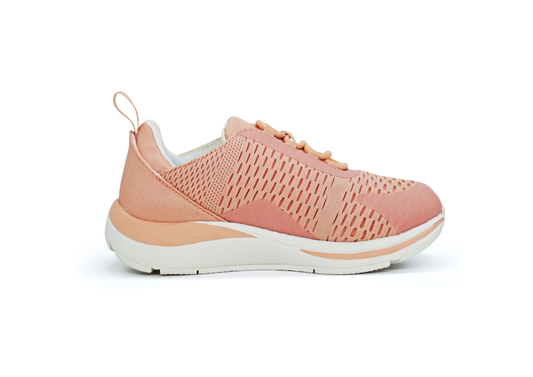
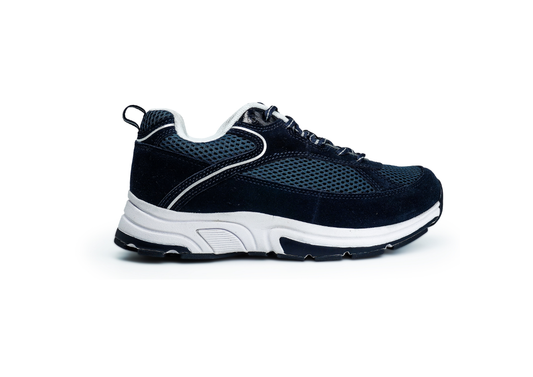
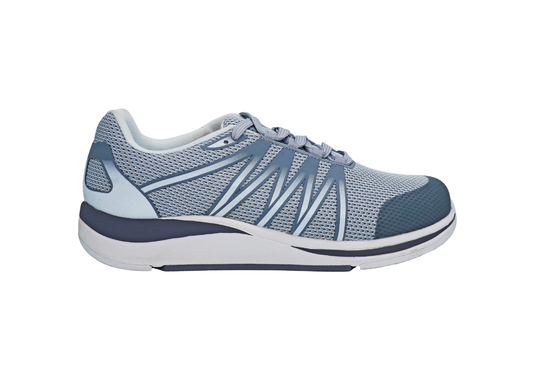
Choosing the Right Orthopedic Shoes for Women
If removing your shoes is the only escape from daily aches, your footwear is failing your foundation. According to podiatrists, chronic foot pain signals structural collapse, not simple fatigue. Like a house, your body requires a level base. Modern orthopedic shoes for women use clever engineering, making supportive footwear about lasting stamina over medical stigma.
The Three Essentials: Heel Cups, Arch Support, and Wide Toe Boxes
The human foot operates much like a building's load-bearing walls. While impact-absorbing soles act like basic shock absorbers, lasting comfort requires rigid structure. Modern anatomical footbed technology achieves this using deep heel cups and firm arches. The arch acts as a bridge, preventing your foot from collapsing under your body weight. Simultaneously, the heel cup stops your ankle from rolling too far inward—a tracking issue called overpronation. If this alignment falters, your back suffers, rendering even pricey arch support sneakers useless.
Squeezing toes into narrow spaces creates painful joint bumps known as bunions. A wide toe box lets your foot lay naturally flat, ensuring better balance during a long daily commute. Finding the right mix of these three essentials depends entirely on your unique mechanics, which begins by identifying your specific foot type and condition.
Identifying Your Specific Foot Type and Condition
Does your pain feel like a sharp pebble in your heel, or a dull ache upfront? Identifying your unique issue, like metatarsalgia (pain in the ball of the foot), dictates the exact support needed to keep your body's foundation level. Flat feet require firm arch bridges to prevent inward rolling, while high arches demand maximum shock absorption to distribute weight evenly.
To upgrade your daily stamina, match your specific condition to these targeted solutions:
Once you understand your specific needs, evaluating potential footwear becomes a straightforward process. For those looking for everyday ease, pursuit womens slip on orthopedic shoes offer a blend of convenience and clinical support.
The Torsion and Heel Tests: How to Vet Any Shoe in 30 Seconds
Navigating the confusing debate of orthopedic vs. ergonomic shoes gets easier with the hands-on "Torsion Test." Grab the shoe's toe and heel, then twist. If the sole easily wrings out like a wet noodle, it lacks crucial mid-foot stability. True motion control walking shoes will resist this twisting, functioning as a sturdy bridge that keeps your foot's foundation perfectly level during long days.
Next, squeeze the stiff cup gripping the back of your heel. A firm "heel counter" locks your ankle upright, preventing the inward rolling that triggers knee aches. Finally, always verify the shoe features removable footbeds to accommodate your own custom orthotics, ensuring maximum versatility for long-term foot health. If you are looking for breathable summer options, the buttercup orthopedic sandal women provides this stability in an open-air design.
Three Steps to Pain-Free Walking
To find the best orthopedic footwear for ladies, simply shop in the afternoon when feet naturally swell, measure both feet, and prioritize structural function over fast fashion. Investing in quality ladies orthopedic shoes naturally improves your gait alignment. You'll notice better daily stamina and faster recovery, ensuring you can wake up to comfortable, pain-free mornings.
Q&A
Are orthopedic shoes for women only for older adults?
No. Orthopedic shoes for women are selected based on biomechanics and symptoms, not age. While women often seek stylish options, men also require specialized care; orthopedic shoes for men are equally essential for addressing overpronation and plantar heel pain.
What features should I prioritise in supportive shoes for women if I have flat feet?
Prioritise a firm midfoot shank, a deep heel cup, and a structured arch profile. For men facing similar issues, stable mens orthopedic walking shoes diabetic or the player mens orthopedic walking shoes provide the necessary torsional rigidity to prevent the rearfoot from drifting inward.
Do “medicated shoes for ladies” actually treat a condition?
The value is in risk reduction: reduced friction, pressure redistribution, and stability. For high-activity needs, the contest mens orthopedic walking shoes provide excellent pressure distribution. For those requiring a professional yet supportive look, the aaron comfort orthopedic shoes for men offer therapeutic benefits without looking "medical."
How do I know if a pair counts among the best orthopedic footwear for ladies?
It must pass the torsion test, have a firm heel counter, and include a removable insole. Even in warmer climates, you don't have to sacrifice support; the jackson mens orthopedic sandal diabetic comfort is a prime example of a structured sandal that meets these rigorous orthopedic standards.