


arch fit
Arch Fit: Comprehensive Guide to Choosing Orthopedic Footwear for Optimal Foot Health
By Dr. Subramanyam Balaji, Ortho Shoes Corporation
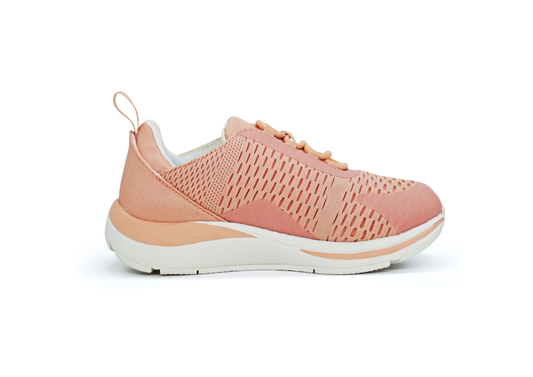
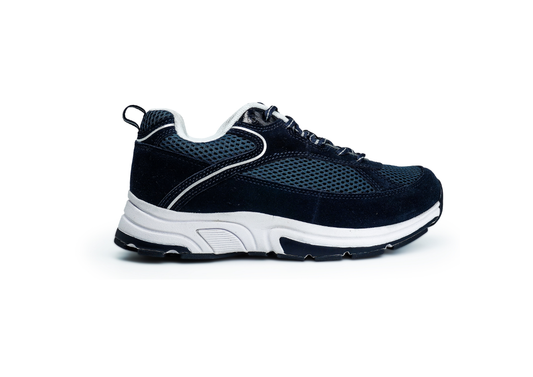
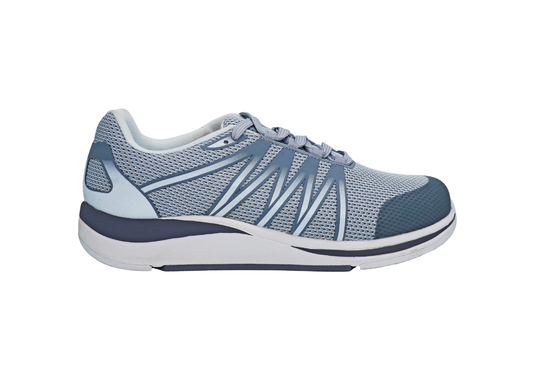
Choosing the right orthopedic footwear is essential for foot health, especially if you have flat feet, plantar fasciitis, or heel pain. This guide explains arch fit, why it matters, and how to choose shoes that provide reliable support and comfort. Poor footwear can worsen symptoms and limit daily activity. We cover foot anatomy, key support features, material choices, and practical selection steps. If you need specialised support, reviewing options such as men's orthopedic shoes is a practical first step.
Understanding Foot Anatomy
The human foot is a complex structure of bones, muscles, tendons, and ligaments that work together to support movement. Recognising arch types—flat, neutral, and high—helps you understand how weight is distributed and how balance and posture are affected. Proper arch structure supports alignment and can help prevent common problems; inadequate support often leads to pain. Learning basic foot anatomy lets you make informed footwear choices.
Key Support Features
When choosing orthopedic footwear, prioritise these support features to ensure comfort and function.
- Arch Support: Proper arch support helps distribute weight evenly and reduces strain on the feet.
- Cushioned Soles: Cushioned soles provide additional comfort and shock absorption, essential for those with foot pain.
- Wide Toe Box: A wide toe box allows for natural movement of the toes, preventing cramping and discomfort.
Combined, these features preserve foot health and can reduce pain while improving daily function for people with specific conditions.
| Feature | Description | Benefit |
|---|---|---|
| Arch Support | Provides stability and alignment | Reduces foot fatigue |
| Cushioned Soles | Soft padding for comfort | Absorbs impact during walking |
| Wide Toe Box | Extra space for toes | Prevents pinching and discomfort |
Ortho Shoes specialises in footwear that incorporates these essential features, ensuring customers receive targeted support and reliable comfort. Explore the comprehensive range at Ortho Shoes.
Material Considerations
Materials determine how well orthopedic footwear performs. Breathable fabrics help control moisture and lower the risk of fungal infections. Durable materials extend the life of the shoe. Cushioning technologies like memory foam and gel inserts improve shock absorption and overall comfort for people with foot pain.
Practical Steps for Selection
Choosing the right footwear requires a few practical steps to ensure a correct fit and effective support. Use these actionable tips:
- Assess Your Foot Type: Understanding whether you have flat, neutral, or high arches can guide your shoe selection.
- Consult Professionals: Seeking advice from podiatrists or orthopedic specialists can provide personalised recommendations.
- Try Shoes Before Purchase: Always try on shoes to ensure they fit well and provide the necessary support.
Following these steps helps you select shoes that match your foot type and reduce symptoms.
Additional Considerations
Beyond support features and materials, consider fit, your activity level, and how often you should replace worn shoes to maintain foot health.
- Fit and Comfort: Ensuring the shoes fit well is crucial for preventing blisters and discomfort.
- Activity Level: Consider the activities you will be engaging in while wearing the shoes, as different activities may require different types of support.
- Replacement Frequency: Regularly replacing worn-out shoes is essential for maintaining foot health.
What Is Arch Fit and Why Is It Crucial for Foot Health?
Arch fit describes how a shoe supports and aligns the foot's arch. Proper arch fit helps distribute weight evenly, reduce strain, and prevent common foot problems. A well-fitted shoe improves comfort and stability. Understanding arch fit guides better footwear choices tailored to your needs.
How Proper Arch Support Prevents Common Foot Conditions
Firm arch support helps prevent conditions such as flat feet, plantar fasciitis, and heel pain by promoting even weight distribution and proper alignment. Good arch support also adds shock absorption, which matters for people who do high-impact activities.
Ortho Shoes offers a range of products designed to provide the required arch support for various foot conditions, helping customers find relief. For targeted solutions to heel pain, see heel pain shoes.
Which Orthopedic Shoes Best Support Flat Feet and Improve Arch Fit?
For flat feet, the best orthopedic shoes combine structured arch support, cushioned footbeds, and stability-focused soles to lift and stabilise the arch and reduce discomfort.
- Structured Arch Support: Helps lift the arch and provide stability.
- Cushioned Footbeds: Enhances comfort and reduces pressure on the feet.
- Stability-Focused Soles: Provides additional support during movement.
Consulting a podiatrist can help you identify the most suitable footwear for your specific needs.
How Ortho Shoes Cater to Flat Feet with Medical-Grade Arch Technology
Ortho Shoes addresses flat feet using medical-grade arch technology that lifts and stabilises the foot to reduce discomfort. Their designs include cushioned footbeds for prolonged comfort, making them suitable for daily wear. By emphasising stability and support, Ortho Shoes helps customers with flat feet find practical relief.
How Do Arch Support Footwear Alleviate Plantar Fasciitis and Heel Pain?
Arch support footwear reduces pressure on the plantar fascia by promoting correct alignment and combining firm support with cushioning. This approach can lower inflammation and ease the pain linked to plantar fasciitis and heel issues.
Selecting the Right Plantar Fasciitis Shoes for Effective Pain Relief
When selecting shoes for plantar fasciitis, prioritise features that target support and shock absorption:
- Arch Support: Look for shoes that offer firm arch support to alleviate pressure on the plantar fascia.
- Cushioning: Shoes with adequate cushioning can absorb shock and reduce impact on the feet.
- Stability: A stable shoe design helps maintain proper alignment and reduces strain on the feet.
Focusing on these features helps individuals find footwear that provides meaningful relief from plantar fasciitis symptoms.
What Are the Benefits of Supportive Sandals and Orthopedic Walking Shoes?
Supportive sandals and orthopedic walking shoes deliver arch support, comfort features, and versatility for different conditions and climates.
- Arch Support: Both types of footwear provide essential arch support, helping to maintain proper foot alignment.
- Comfort Features: Many supportive sandals and walking shoes include cushioned footbeds and breathable materials for enhanced comfort.
- Versatility: Supportive sandals are ideal for warm weather, while orthopedic walking shoes are suitable for various activities.
These qualities make supportive sandals and orthopedic walking shoes practical choices for people aiming to improve foot health.
Comparing Supportive Sandals and Walking Shoes for Arch Fit and Comfort
When comparing supportive sandals and orthopedic walking shoes, focus on arch fit, comfort features, and the activities you plan to do in them.
- Arch Fit: Both types of footwear should provide adequate arch support, but walking shoes may offer more structured support.
- Comfort Features: Look for cushioning and breathable materials in both options to enhance comfort.
- Activity Suitability: Supportive sandals are great for casual wear, while walking shoes are better suited for extended walking or physical activities.
Understanding these differences helps you choose the right footwear for your specific needs.
Materials and Cushioning Technologies Enhancing Arch Support
Materials and cushioning technologies directly affect a shoe's support and comfort. Breathable mesh and durable synthetic fabrics improve ventilation and longevity. Memory foam and gel inserts add targeted shock absorption and pressure relief, which benefits people with foot pain.
How Does Diabetic Footwear Improve Arch Fit and Prevent Complications?
Diabetic footwear is designed to improve arch fit and reduce complications. Common features include extra depth for swelling and orthotics, cushioned insoles to lower pressure, and a wide toe box to prevent friction and discomfort.
- Extra Depth: Provides ample space for foot swelling and custom orthotics.
- Cushioned Insoles: Enhances comfort and reduces pressure on sensitive areas.
- Wide Toe Box: Prevents friction and discomfort for individuals with foot deformities.
These design choices help maintain foot health and reduce the risk of ulcers and infections.
Specialized Features of Diabetic Orthopedic Shoes for Arch Stability
Diabetic orthopedic shoes include features that improve arch stability and overall protection:
- Arch Support: Provides necessary support to maintain proper foot alignment.
- Cushioned Footbeds: Reduces pressure on the feet, enhancing comfort.
- Non-Slip Soles: Improves stability and reduces the risk of falls.
These features are essential for people managing diabetes. For specialised options, explore diabetic footwear.
Clinical Recommendations and Research Supporting Diabetic Footwear Use
Clinical recommendations stress the importance of appropriate footwear for people with diabetes. Research indicates that wearing suitable diabetic shoes can reduce the risk of foot ulcers and related complications. Healthcare professionals commonly advise shoes that offer support, cushioning, and protection. Following these recommendations helps improve quality of life and prevents serious foot-related issues.
What Factors Should You Consider When Choosing Arch Support Footwear?
When selecting arch support footwear, consider these key factors:
- Foot Type: Understanding your arch type can guide your shoe selection.
- Material Quality: High-quality materials enhance comfort and durability.
- Fit and Comfort: Ensure the shoes fit well to prevent discomfort and blisters.
Taking these factors into account helps you choose shoes that meet your specific foot health needs.
Assessing Arch Support Levels, Cushioning, and Durability
Assess arch support firmness, cushioning performance, and material durability before you buy. Firm arch support helps maintain alignment. Adequate cushioning absorbs shock and reduces impact. Durable materials ensure the shoe provides consistent support over time.
How to Match Footwear to Specific Medical Conditions and Lifestyle Needs
Match footwear to your medical condition and daily activities. Flat feet benefit from structured arch support. Plantar fasciitis requires cushioning and stability. Active lifestyles call for durable, supportive shoes, while casual wear may be met with comfortable, supportive sandals. Aligning your choice with needs improves foot health and comfort.
Frequently Asked Questions
1. What are the signs that I need orthopedic footwear?
If you have persistent foot pain, discomfort when walking, swelling, or cramping, consider orthopedic footwear. Other signs include difficulty finding shoes that fit, frequent blisters, or a change in your gait. If you've been diagnosed with flat feet, plantar fasciitis, or diabetes, orthopedic shoes can provide targeted support. Consult a podiatrist to confirm whether orthopaedic footwear is right for you.
2. How often should I replace my orthopedic shoes?
Replace orthopedic shoes every 6 to 12 months, depending on usage and wear. Replace them when the soles show visible wear, cushioning has degraded, or arch support feels reduced. Regular replacement helps maintain proper support and prevents worsening of foot conditions.
3. Can I use custom orthotics with orthopedic shoes?
Yes. Many orthopedic shoes accommodate custom orthotics via removable insoles. Make sure the shoe has adequate depth and width to fit your orthotics without compromising overall fit. Consult a podiatrist to match the best shoe and orthotic combination for your needs.
4. Are there specific brands known for quality orthopedic footwear?
Brands recognised for quality orthopedic footwear include Ortho Shoes, New Balance, Brooks, and ASICS. These brands focus on arch support, cushioning, and stability. When choosing a brand, consider your foot type and any medical conditions, and consult healthcare professionals or reviews to guide your decision.
5. How do I know if my shoes fit properly?
Your shoes should feel snug but not tight, with room to wiggle your toes. Aim for about a thumb's width of space between your longest toe and the end of the shoe. The heel should fit securely without slipping. Try shoes on later in the day when feet are slightly swollen and walk around to assess comfort and support.
6. What should I look for in sandals if I need arch support?
For arch-supporting sandals, look for contoured footbeds, adjustable straps, and cushioned soles. The sandals should have firm arch support that matches your foot's natural shape and a wide toe box to prevent cramping. Try them on to ensure they provide the support and comfort you need.
7. Can wearing the wrong shoes affect my overall health?
Yes. Wearing the wrong shoes can cause misalignment that affects the knees, hips, and lower back. Poor support can worsen conditions such as plantar fasciitis or arthritis. Over time, these issues can reduce mobility and quality of life. Choosing the right orthopedic footwear supports both foot health and overall physical well-being.
