
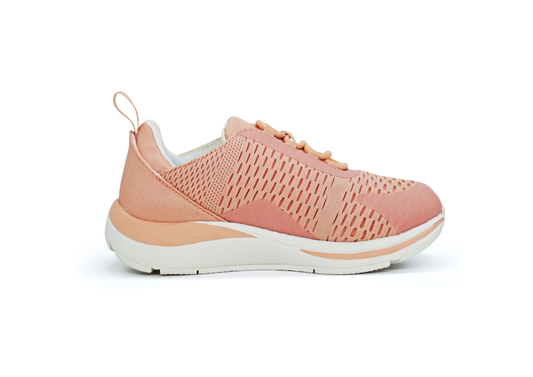
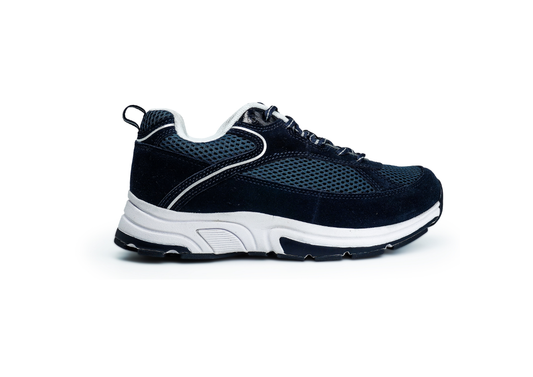

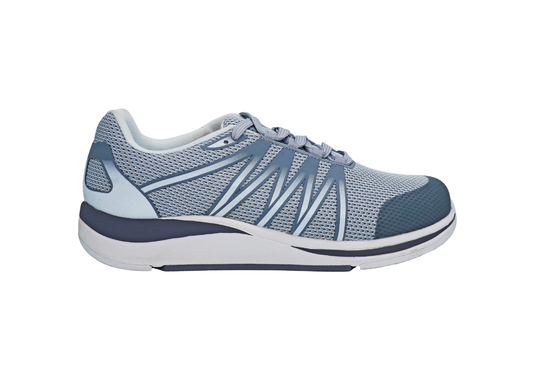

orthopedic running shoes
Orthopedic Running Shoes: Expert Guide to Choosing the Best Footwear for Foot Health and Pain Relief
By Dr. Subramanyam Balaji, Ortho Shoes Corporation
Selecting the right running shoes is essential for protecting foot health and easing pain, particularly for people with diagnosed foot conditions. Orthopedic running shoes are engineered to deliver targeted support and cushioning that reduce injury risk and improve comfort. This guide explains the key features, materials, and fit factors to evaluate, and shows which conditions these shoes address so you can choose with confidence.
This article details the primary features of orthopedic running shoes, the materials that impact performance and durability, fit recommendations, and the foot conditions these shoes commonly help. It also offers practical guidance for selecting the right pair for your needs.
Key Features
When evaluating orthopedic running shoes, prioritise features that offer measurable support and protection. Focus on adjustable support, effective cushioning, and a toe box that allows natural foot motion.
- Customizable Support: Many orthopedic running shoes offer adjustable components to cater to individual foot shapes and conditions.
- Cushioned Soles: Adequate cushioning is essential for shock absorption, reducing impact on joints during running.
- Wider Toe Box: A wider toe box allows for natural toe splay, which can enhance comfort and stability.
Combined, these elements stabilise the foot, lower mechanical stress, and help reduce injury risk while maintaining performance.
| Feature | Description | Benefit |
|---|---|---|
| Customizable Support | Adjustable insoles and arch supports | Tailored fit for individual needs |
| Cushioned Soles | Soft, shock-absorbing materials | Reduces impact on joints |
| Wider Toe Box | Extra space for toes | Enhances comfort and stability |
Materials
Materials determine how a shoe performs under load and over time. Look for durable uppers for breathability and structured midsoles that retain cushioning under repeated impact.
- Durable Fabrics: High-quality synthetic materials that withstand wear and tear while providing breathability.
- Cushioning Materials: Foam and gel technologies that offer superior shock absorption and comfort.
Choosing robust, shock-absorbing materials helps maintain support and comfort over many miles, which protects foot tissue and joint health.
Fit Considerations
A precise fit is a primary determinant of comfort and injury prevention. Shoes that are too tight or too loose change gait and increase pressure points.
- Proper Fit is Crucial: Ensure that there is enough space in the toe box and that the heel is snug without being too tight.
- Professional Fitting Recommended: Consulting with a specialist can help you find the best fit for your foot type and running style.
Investing time in a proper fit reduces blistering, soft tissue irritation, and compensatory gait changes that can lead to injury.
Conditions Addressed
Orthopedic running shoes target common conditions by combining arch support, cushioning, and protective features. They are commonly used to manage plantar fasciitis, arthritis-related pain, and to reduce risk for people with diabetes-related foot concerns.
- Plantar Fasciitis: Shoes with arch support and cushioning can help relieve pain associated with this condition.
- Arthritis: Extra cushioning and support can reduce joint stress and improve comfort.
- Diabetes: Specialized shoes can help prevent foot complications by providing adequate support and protection.
When matched to the wearer’s needs, orthopedic running shoes can improve daily comfort and mobility for many users.
What Are Orthopedic Running Shoes and How Do They Support Foot Health?
Orthopedic running shoes are purpose-built to support anatomical alignment and reduce mechanical load on the foot and lower limb. They incorporate structural features that stabilise the foot, absorb impact, and distribute forces to reduce pain and improve function.
Design Features
Key design elements target predictable biomechanical issues. Adjustable supports and engineered cushioning work together to control motion and protect tissues during running.
- Customizable Support: Many models allow for adjustments to accommodate different foot shapes and conditions.
- Cushioned Soles: These shoes often feature advanced cushioning technologies that absorb shock and provide comfort during runs.
Benefits for Various Foot Conditions
Orthopedic running shoes can reduce symptoms and improve comfort for common pathologies by addressing the mechanical causes of pain rather than just masking symptoms.
- Plantar Fasciitis Relief: Shoes with adequate arch support can alleviate the pain associated with this condition.
- Support for Arthritis: Extra cushioning helps reduce joint stress, making running more comfortable for those with arthritis.
Recommendations for Use
To gain clinical benefit, select shoes that fit well and match your biomechanics. Combine appropriate footwear with professional advice and targeted exercises when indicated.
- Proper Fit is Essential: Always ensure that your shoes fit well to prevent discomfort and injuries.
- Consult with Professionals: Seek advice from medical experts or specialized retailers to find the best shoe for your needs.
Defining orthopedic running shoes and their medical purpose
Orthopedic running shoes aim to reduce pain and prevent worsening of foot conditions by supplying support, cushioning, and stability. Their clinical purpose is to protect soft tissues and joints and to improve mobility for people with defined foot problems.
Key features: cushioning, arch support, and biomechanical correction
The principal technical features are cushioning for shock absorption, arch support for alignment, and design elements intended to correct or control abnormal gait mechanics.
- Cushioning: Essential for shock absorption and comfort during runs.
- Arch Support: Helps maintain proper foot alignment and reduces strain on the plantar fascia.
- Biomechanical Correction: Designed to correct gait issues and improve running efficiency.
Clinical research demonstrates that foot type influences injury risk, so matching shoe design to foot mechanics is a key part of injury prevention.
Running Shoes, Orthotics, and Injury Prevention
Clinically, the configuration of the longitudinal arch is a valuable method of classifying feet and has direct implications on the development and management of running problems. The runner with excessively pronated feet has features which predispose him/her to injuries that most frequently occur at the medial aspect of the lower extremity: tibial stress syndrome; patellofemoral pain syndrome; and posterior tibialis tendinitis. These problems occur because of excessive motion at the subtalar joint and control of this movement can be made through the selection of appropriate footwear, plus orthotic foot control. The runner with cavusfeet often has a rigid foot and concomitant problems of decreased ability to absorb the force of ground contact. These athletes have unique injuries found most commonly on the lateral aspect of the lower extremity; iliotibial band friction syndrome; peroneus tendinitis; stress fractures; trochanteric bursitis; and plantar fasciitis. Appropriate footwear advice and the use of energy-absorbing materials to help dissipate shock will benefit these individuals. Running shoes for the pronated runner should control the excessive motion. The shoes should be board-lasted, straight-lasted, have a stable heel counter, extra medial support, and a wider flare than the shoes for the cavusfoot. For these athletes a slip-lasted, cu
Running shoes, orthotics, and injuries, DC McKenzie, 1985
Which Orthopedic Running Shoes Are Best for Plantar Fasciitis?
For plantar fasciitis, prioritise shoes that combine firm arch support with reliable heel cushioning. These features limit strain on the plantar fascia and reduce load during each step.
- Arch Support: Shoes that provide adequate arch support can help alleviate pain.
- Cushioning: A cushioned sole can reduce impact and provide comfort.
Effective management also requires addressing underlying biomechanical factors and training errors rather than relying on footwear alone.
Treating and Preventing Plantar Fasciitis in Runners
Plantar fasciitis is a common overuse injury found in runners. The plantar fascia, which is responsible for maintaining the integrity of the longitudinal arch, becomes irritated, inflamed or torn by repetitive stresses placed upon it. Commonly cited predisposers of plantar fasciitis are excessive pronation, a flat or cavus foot, tight Achilles tendon, type of training shoes worn, and errors in the training routine. Once the plantar fascia becomes irritated a myriad of conservative measures may be used, including everything from rest, ice and elevation to steroid injections and, if all else fails, surgery. In most cases conservative treatment of one kind or another will alleviate the symptoms of plantar fasciitis. However, it is essential to determine and correct the cause of the problem in order for the runner to resume normal activity levels. Controlling anatomical/ biomechanical inefficiencies of the feet, stretching and strengthening exercises for the lower extremity, proper training shoes, and reasonable training routines will alleviate the symptoms of plantar fasciitis in a large percentage of sufferers.
Plantar fasciitis in runners: treatment and prevention, 1990
How plantar fasciitis affects foot mechanics and pain
Plantar fasciitis inflames the plantar fascia and alters load transfer through the foot. That inflammation produces sharp heel pain and changes gait mechanics, which can perpetuate injury if not addressed.
Shoe features that alleviate plantar fasciitis symptoms
To ease plantar fascia stress, choose shoes with defined arch support and a sole that absorbs heel impact.
- Arch Support: Essential for reducing strain on the plantar fascia.
- Cushioned Sole: Provides shock absorption to minimize impact on the heel.
How Do Running Shoes Help with Flat Feet and Overpronation?
Shoes for flat feet and overpronation are built to stabilise the arch and limit excessive inward roll. Structural support and controlled cushioning restore a more neutral foot position during the gait cycle.
- Arch Support: Helps maintain proper foot alignment.
- Cushioning: Reduces impact and provides comfort during runs.
Understanding flat feet and overpronation impact on running gait
Flat feet and overpronation change the foot’s alignment during push-off and landing. These alterations increase strain on muscles and joints, raising injury risk unless corrected by suitable footwear or orthotics.
Orthopedic shoe designs that correct overpronation and support flat arches
Designs intended to correct overpronation use reinforced midfoot structures and targeted support zones to guide the foot through a safer motion path while providing cushioning for comfort.
- Arch Support: Provides stability and helps correct gait issues.
- Cushioning: Enhances comfort and reduces impact on the feet.
What Are the Benefits of Cushioned Running Shoes for Knee Pain Relief?
Cushioned running shoes reduce ground reaction forces and can lower knee joint loading. For many runners, improved shock absorption translates to less knee pain and better endurance.
Link between foot support and knee joint stress
Foot support affects the alignment of the entire lower limb. Proper arch support and cushioning help distribute forces more evenly and reduce abnormal stress transmitted to the knee.
Cushioning technologies that reduce impact and improve comfort
Modern cushioning systems combine resilient foams and gel components to absorb impact and protect soft tissues without sacrificing stability.
- Foam Materials: Provide excellent shock absorption.
- Gel Inserts: Offer additional cushioning and support.
Which Running Shoes Are Recommended for High Arches?
Runners with high arches need shoes that supply stable support and extra shock absorption. A structured midsole plus generous cushioning under the forefoot and heel helps reduce focal pressure.
- Arch Support: Helps maintain proper foot alignment.
- Cushioning: Reduces impact and enhances comfort.
Challenges faced by runners with high arches
High-arched runners commonly lack natural shock absorption, which increases overload on the forefoot and heel and raises the chance of stress injuries.
Orthopedic shoe features that provide stability and shock absorption for high arches
For high arches, look for firm midsole support combined with responsive cushioning that disperses landing forces and improves comfort.
- Arch Support: Essential for maintaining proper alignment.
- Cushioning: Provides shock absorption to minimize impact.
How to Choose the Right Orthopedic Running Shoes for Your Foot Condition?
Select shoes based on your foot mechanics, symptoms, and activity demands. Prioritise features that correct your specific issue and consult specialists when necessary.
Key Features to Consider
Focus on structural support and impact control. Arch support and durable cushioning should be front of mind when evaluating options.
- Arch Support: Essential for maintaining proper foot alignment.
- Cushioning: Provides comfort and reduces impact.
Recommended Brands
Several established manufacturers produce models with the supportive and cushioning technologies used in orthopedic footwear. Trying models from multiple brands helps you find the best match.
- New Balance: Known for their supportive designs.
- Brooks: Offers a range of cushioned options.
Fitting Tips
Use a measured approach to fitting: consult a specialist, test shoes later in the day when feet are slightly swollen, and evaluate them on a treadmill or short run when possible.
- Consult a Professional: Seek advice from a fitting specialist.
- Try Shoes Later in the Day: Feet tend to swell throughout the day, so trying shoes later can help ensure a better fit.
Conditions Addressed by Orthopedic Running Shoes
Orthopedic running shoes are used to manage conditions that respond to mechanical correction and cushioning, such as plantar fasciitis and arthritis-related discomfort.
- Plantar Fasciitis: Shoes with arch support can alleviate pain.
- Arthritis: Extra cushioning helps reduce joint stress.
Assessing your foot type and common symptoms
A clear assessment of foot type and symptoms guides shoe selection. Note where you feel pain and how your foot moves during walking or running.
Common Symptoms and Associated Foot Types
- Flat Feet: May experience pain in the arch and heel.
- High Arches: Often face discomfort in the ball of the foot and heel.
Consulting medical experts and using biomechanical assessments
Professional assessment and biomechanical testing identify the specific mechanical drivers of your symptoms and help match footwear or orthotics to those needs.
Frequently Asked Questions
1. How do I know if I need orthopedic running shoes?
Persistent foot pain during or after runs, or a diagnosis such as plantar fasciitis, flat feet, or arthritis, are common indicators. A podiatrist or running-specialist can assess your gait and recommend whether orthopedic running shoes are appropriate.
2. Can I use orthopedic running shoes for everyday activities?
Yes. Their support and shock-absorbing features make them suitable for walking, standing, and casual use, especially if you spend long periods on your feet. If you have specific medical concerns, confirm suitability with a healthcare professional.
3. How often should I replace my orthopedic running shoes?
Replace shoes every 300–500 miles, depending on your gait, weight, and running surface. Replace sooner if cushioning feels degraded, soles show uneven wear, or you develop new discomfort.
4. Are there specific brands known for quality orthopedic running shoes?
Several mainstream brands produce supportive, cushioned running models that suit orthopedic needs. Trying different models from reputable manufacturers helps you find the best fit and function for your condition.
5. What should I look for in terms of arch support?
Seek contoured insoles or built-in supports that maintain the foot’s neutral alignment and reduce strain on the plantar fascia. Match support level to your arch type for optimal comfort and biomechanics.
6. Can orthopedic running shoes help with knee pain?
They can. Proper foot support and cushioning reduce abnormal forces transmitted to the knee and may relieve pain. Persistent knee symptoms should be evaluated by a healthcare professional for a complete treatment plan.
7. Is it necessary to consult a professional for fitting orthopedic running shoes?
Professional fitting is strongly recommended. A specialist can assess your foot type, gait, and symptom pattern to ensure the chosen shoe provides the required support and reduces injury risk.
