
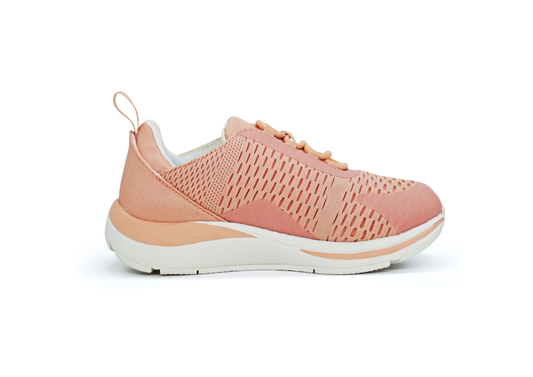
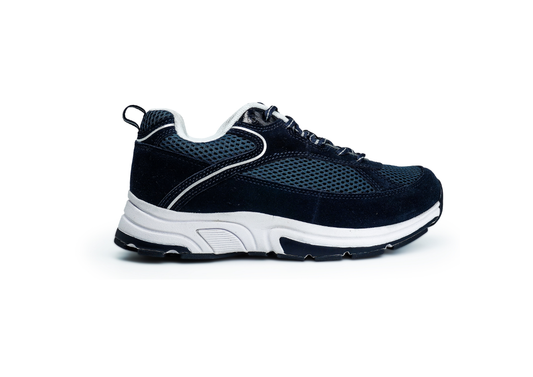

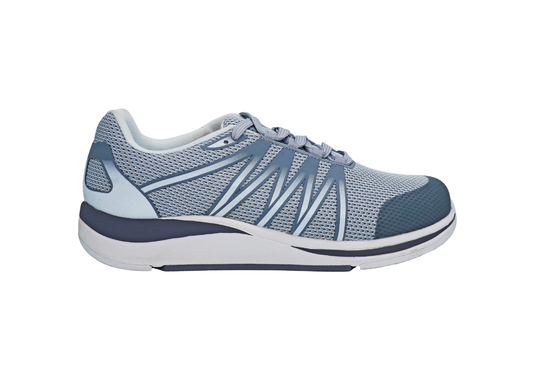

arch support trainers
Arch Support Trainers: Comprehensive Guide to Choosing Orthopedic Shoes for Foot Health
By Dr. Subramanyam Balaji, Ortho Shoes Corporation
Selecting appropriate footwear is essential for foot health, especially for people with specific conditions. Arch support trainers are engineered to provide targeted support and cushioning to reduce pain and improve foot function. This guide outlines the factors to evaluate when choosing orthopedic shoes, explains the benefits of arch support trainers, and describes how they support foot health. Many people suffer foot pain from improper footwear, which limits comfort and mobility. Proper arch support and cushioning can address these issues. Below we cover design, materials, fit, condition-specific benefits, and the latest trends in arch support trainers.
When choosing orthopedic shoes, particularly arch support trainers, consider the following factors to ensure optimal foot health:
Choose orthopedic shoes using a few key criteria that directly affect comfort, support, and long-term foot health.
Design
Design determines how effectively trainers support the foot. Key design elements include:
- Importance of Arch Support: Proper arch support helps distribute weight evenly across the foot, reducing strain on the arches and preventing pain.
- Cushioning Features: Adequate cushioning absorbs shock during movement, providing comfort and reducing the risk of injury.
- Toe Box Design: A spacious toe box allows for natural toe splay, which is essential for balance and comfort.
Materials
Material selection affects performance and durability.
- Breathable Fabrics: Shoes made from breathable materials help keep feet dry and comfortable, reducing the risk of blisters and fungal infections.
- Durability of Materials: High-quality materials ensure that the shoes withstand daily wear and tear, providing long-lasting support.
Fit
A correct fit is essential for arch support trainers to perform as intended.
- Proper Sizing: Shoes should fit snugly without being too tight, allowing for natural foot movement.
- Adjustability Features: Look for shoes with adjustable straps or laces to customize the fit for individual comfort.
What Are Arch Support Trainers and How Do They Improve Foot Health?
Arch support trainers are specialized footwear designed to support the foot’s arch and redistribute pressure. They reduce discomfort by improving alignment and lowering localized stress. Main benefits include better posture, reduced foot fatigue, and overall improved foot health. With appropriate support, these trainers can also help prevent common injuries and support proper body alignment.
Defining Arch Support Trainers and Their Orthopedic Benefits
These trainers are intended for people with foot pain or conditions such as plantar fasciitis, flat feet, or high arches. They incorporate features that promote foot health, including:
- Pain Relief Mechanisms: The arch support helps to alleviate pressure on sensitive areas of the foot, providing relief from pain.
- Injury Prevention: By promoting proper alignment and reducing strain, these trainers can help prevent common injuries associated with poor footwear.
- Improved Posture: Proper support encourages better posture, which can have a positive impact on overall body alignment.
How Arch Support Alleviates Common Foot Conditions
Arch support is central to managing many foot conditions. If you need targeted solutions, explore dedicated collections—for example, options for heel pain or footwear designed for arthritis.
- Conditions Addressed by Arch Support: Common issues such as plantar fasciitis, flat feet, and high arches can benefit significantly from the right footwear.
- Mechanisms of Relief: By providing targeted support, arch support trainers help to alleviate pain and discomfort, allowing individuals to engage in daily activities without hindrance.
Which Arch Support Trainers Are Best for Flat Feet and High Arches?
Selection depends on foot type. For flat feet, certain features are essential to provide lift and stability.
Features of Flat Feet Shoes with Enhanced Arch Support
For flat feet, shoes should include:
- Built-in Arch Support: This feature helps to lift the arch and provide necessary support.
- Stability Features: Shoes designed for flat feet often include additional stability to prevent overpronation.
Selecting Trainers Designed for High Arches
For high arches, look for these features:
- Cushioning Needs: High arch shoes should have ample cushioning to absorb shock and provide comfort.
- Shock Absorption: Effective shock absorption is crucial to prevent pain during activities.
How Do Running and Walking Shoes with Arch Support Aid Foot Pain Relief?
Running and walking shoes with arch support are engineered to reduce pain and improve comfort during activity. For specific medical needs, such as diabetic foot care, specialized options are available.
Benefits of Running Shoes with Arch Support for Injury Prevention
Running shoes with arch support can reduce injury risk by:
- Arch Support Benefits: Proper support reduces the risk of common running injuries, such as shin splints and plantar fasciitis.
- Cushioning Features: Enhanced cushioning helps absorb impact, providing a more comfortable running experience.
Choosing Walking Shoes That Provide Optimal Arch Cushioning
When choosing walking shoes, consider:
- Arch Support: Look for shoes that offer adequate arch support to maintain foot health during long walks.
- Quality Materials: High-quality materials ensure durability and comfort, making them suitable for extended wear.
What Are the Key Features of Sneakers for Foot Pain Relief?
Sneakers for foot pain relief combine features that increase comfort and support. For people managing arthritis, specialized footwear can improve comfort and mobility.
Ergonomic Design Elements in Orthopedic Sneakers
Orthopedic sneakers commonly include:
- Arch Support: Essential for maintaining proper foot alignment and reducing pain.
- Cushioned Soles: Provide shock absorption and comfort during movement.
Materials and Cushioning Technologies Supporting Foot Comfort
Materials in orthopedic sneakers are critical to their effectiveness.
- High-Quality Materials: Durable and breathable materials enhance comfort and longevity.
- Shock-Absorbing Technologies: Advanced cushioning technologies help to reduce impact and provide a comfortable walking experience.
How to Choose the Right Arch Support Trainers for Specific Foot Conditions?
Choosing the right trainers requires assessing your foot condition and needs. For conditions such as diabetes, specialized footwear is particularly important to reduce complications.
Matching Shoe Types to Conditions like Heel Pain, Arthritis, and Diabetic Foot Care
Different conditions need specific shoe features. For example, people with diabetes may benefit from diabetic footwear designed to help prevent complications.
- Features for Heel Pain: Shoes with extra cushioning and arch support can alleviate heel pain.
- Features for Arthritis: Look for shoes that offer easy entry and adjustable features for comfort.
Doctor Recommendations and Research-Backed Selection Criteria
Consult a healthcare professional for personalized recommendations when selecting footwear. Also consider the specific needs of men and women to ensure the best fit and support.
- Importance of Fit: A proper fit is crucial for comfort and effectiveness.
- Quality Materials: Shoes made from high-quality materials are essential for long-term use.
What Are the Latest Trends and Innovations in Arch Support Trainers?
The footwear sector continues to evolve, with innovations that improve the effectiveness of arch support trainers. Reviewing collections for men and women reveals these recent advances.
Customization and Smart Insoles in Orthopedic Footwear
Recent advancements include:
- Benefits of Smart Insoles: These insoles can be tailored to individual foot shapes and conditions, providing personalized support.
- Customization Features: Many brands now offer customizable options to enhance comfort and fit.
Sustainable Materials and Their Impact on Foot Health
Sustainability is increasingly important in footwear manufacturing. Styles for both men and women are available in more eco-conscious options.
- Benefits of Sustainable Materials: Eco-friendly materials not only reduce environmental impact but can also enhance foot health by providing better breathability and comfort.
- Impact on Foot Health: Sustainable practices in footwear production contribute to overall well-being and comfort.
| Condition | Recommended Shoe Features | Benefits |
|---|---|---|
| Flat Feet | Built-in arch support, stability features | Reduces overpronation, alleviates pain |
| High Arches | Ample cushioning, shock absorption | Prevents pain, enhances comfort |
| Heel Pain | Extra cushioning, arch support | Alleviates pressure, provides relief |
| Arthritis | Easy entry, adjustable features | Enhances comfort, accommodates swelling |
This table summarizes the recommended shoe features for common foot conditions and their benefits. For a wider selection, consider exploring options like men's orthopedic shoes or women's orthopedic shoes.
Frequently Asked Questions
1. How can I determine if I need arch support trainers?
You may need arch support trainers if you have persistent foot pain during activity or a diagnosis such as flat feet or plantar fasciitis. Common signs include ongoing pain in the arches, heels, or lower back, and fatigue when standing or walking. A podiatrist can assess your foot structure and recommend appropriate footwear based on that evaluation.
2. Are arch support trainers suitable for all types of physical activities?
Arch support trainers suit many activities, including walking, running, and casual sports. Choose models built for the activity you plan to do: running shoes typically include extra cushioning and shock absorption, while walking shoes prioritize stability and comfort for longer distances. Match the shoe to the activity’s demands for best results.
3. How often should I replace my arch support trainers?
Replace arch support trainers after roughly 300 to 500 miles of use, depending on material quality and activity level. Replace them sooner if you notice worn soles, reduced cushioning, or new discomfort. Regularly inspecting your shoes helps maintain foot health and reduce injury risk.
4. Can I use custom orthotics with arch support trainers?
Yes. Many arch support trainers accommodate custom orthotics. Ensure the shoes have a removable insole so your orthotic can be inserted. Consult a healthcare professional to confirm compatibility and optimal fit.
5. What should I look for in the materials of arch support trainers?
Prioritize breathable, lightweight, and durable materials that wick moisture away to reduce blisters and fungal risk. Look for shock-absorbing technologies and cushioned soles to improve comfort during movement. Material quality influences both performance and longevity.
6. Are there specific brands known for high-quality arch support trainers?
Several brands are recognized for producing high-quality arch support trainers, including ASICS, New Balance, Brooks, and Saucony. These brands often incorporate advanced technologies and ergonomic designs to enhance comfort and support. Read reviews and consult professionals to match a brand to your foot type and activity level.
7. How do I break in new arch support trainers?
Break in new trainers gradually to avoid discomfort. Start by wearing them for short periods—30 minutes to an hour—and increase wear time over several days. This lets your feet adapt to the new support and cushioning. Monitor any pressure points and try them indoors before longer outdoor use.
