
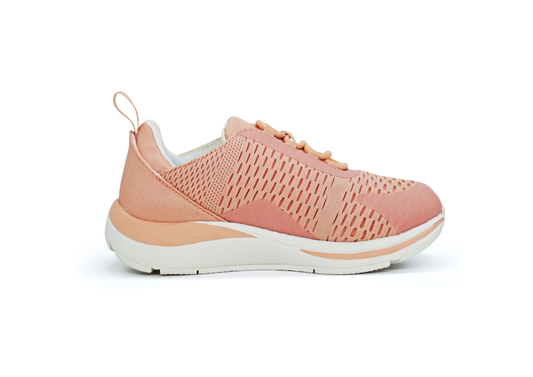
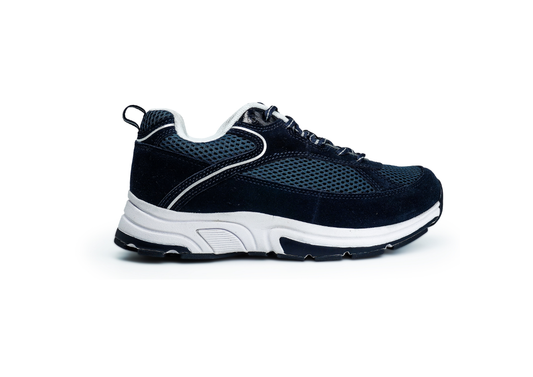

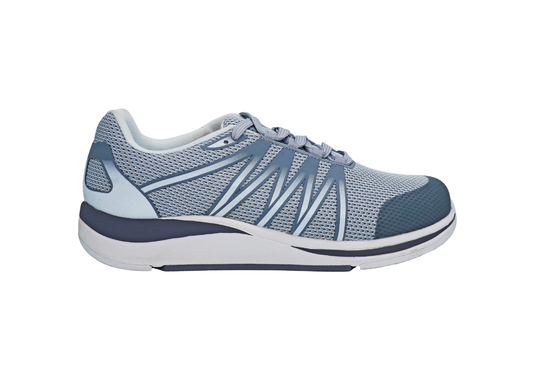

extra wide shoes
Comprehensive Guide to Extra Wide Shoes: Choosing the Best Wide Fit Shoes for Men and Orthopedic Benefits
By Dr. Subramanyam Balaji, Ortho Shoes Corporation
Finding suitable footwear can be difficult for people with wide feet or specific foot-health needs. Extra wide shoes are built to reduce pressure, increase stability, and improve comfort for those who don’t fit standard sizes. This guide explains the benefits of extra wide shoes, how to choose appropriate models, and what to consider if you have conditions such as diabetes or arthritis. Understanding these features helps you select shoes that support foot health and daily function.
This article addresses how to choose the best extra wide shoes for men, what constitutes extra wide footwear, the key features to evaluate, the orthopedic benefits of orthopedic wide shoes, and where to source trusted options. We also cover how diabetic footwear differs from regular wide shoes so you can pick the right pair for your needs.
Guide to Choosing the Best Extra Wide Shoes for Men
Comfort and support depend on several measurable factors. You should assess fit, construction materials, and design elements that address your specific foot issues. The correct pair can reduce pain and lower the risk of further problems.
Ortho Shoes focuses on extra wide models that combine comfort with orthopedic design principles. Their range includes styles with targeted support and construction choices to meet different needs and preferences.
What Are Extra Wide Shoes and Who Needs Them?
Extra wide shoes provide additional internal space across the forefoot and toe box to accommodate wider foot shapes or swelling. They offer a roomier fit throughout the shoe to reduce compression and friction on pressure-prone areas.
Understanding Wide Feet and Common Foot Conditions
Conditions such as bunions, diabetes, and arthritis commonly make standard shoes uncomfortable. Wide feet arise from genetics, weight changes, or medical issues. Wearing shoes that are too narrow can worsen pain and lead to skin breakdown or reduced mobility.
Evidence supports accurate shoe fitting—particularly in older adults—to improve comfort and reduce the risk of foot problems, highlighting the value of purpose-built wide footwear.
Shoe Fitting Accuracy and Comfort for Older Adults
1. Ill-fitting footwear is a common problem in older people. The objective of this study was to determine the accuracy of shoe fitting in older people by comparing the dimensions of allocated shoes to foot dimensions obtained with a three-dimensional (3D) scanner.
2. The shoe sizes of 56 older people were determined with the Brannock device®, and weightbearing foot scans were obtained with the FotoScan 3D scanner (Precision 3D Ltd, Weston-super-mare, UK). Participants were provided with a pair of shoes (Dr Comfort®, Vista, CA, USA), available in three width fittings (medium, wide and extra wide). The dimensions (length, ball width and ball girth) of the allocated shoes were documented according to the last measurements provided by the manufacturer. Mean differences between last dimensions and foot dimensions obtained with the 3D scanner were calculated to provide an indication of shoe fitting accuracy. Participants were also asked to report their perception of shoe fit and comfort, using 100 mm visual analogue scales (VAS).
3. Shoe size ranged from US size 7 to 14 for men and 5.5 to 11 for women. The allocated shoes were significantly longer than the foot (mean 23.6 mm, 95% confidence interval [CI] 22.1 to 25.2;t55= 30.3,p< 0.001), however there were no significant differences in relation to ball width (mean 1.4 mm, 95% CI −0.1 to 2.9 mm;t55= 1.9,p= 0.066) or ball girth (mean −0.7 mm, 95% CI −6.1 to 4.8 mm;t55= −0.2,p= 0.810). Participants reported favourable perceptions of shoe fit (mean VAS = 90.7 mm, 95% CI 88.4 to 93.1 mm) and comfort (mean VAS = 88.4 mm, 95% CI 85.0 to 91.8 mm).
4. Shoe size selection using the Brannock device® resulted in the allocation of shoes with last dimensions that were well matched to the dimensions of the foot. Participants also considered the shoes to be well fitted and comfortable. Older people with disabling foot pain can therefore be dispensed with appropriately-fitted shoes using this technique, provided that the style and mate
E
valuation of the accuracy of shoe fitting in older people using three-dimensional foot scanning, HB Menz, 2014
How Extra Wide Shoes Support Diabetic, Arthritis, and Heel Pain Patients
Extra wide shoes reduce pressure on vulnerable areas and accommodate orthotic inserts. Typical features—cushioned insoles, structured arch support, and breathable uppers—help relieve loading on sensitive tissues. For people with diabetes, arthritis, or heel pain, these design elements lower the risk of irritation and can improve daily comfort and mobility.
How to Choose the Best Wide Fit Shoes for Men and Women
Choosing the right wide fit shoe starts with accurate measurements and matching those dimensions to shoe features that address your specific needs.
Measuring Your Foot Width Correctly for Optimal Fit
Measure foot width by tracing the outline on paper and measuring the widest point. Do this at the end of the day when feet are slightly swollen to capture a more accurate, functional size.
Key Features of Orthopedic Wide Shoes: Cushioning, Support, and Materials
When choosing orthopedic wide shoes, look for key features that enhance comfort and support. These include:
- Cushioned Soles: Provide shock absorption and reduce impact on joints.
- Wide Toe Boxes: Allow for natural toe splay, reducing pressure on bunions and other foot conditions.
- Arch Support: Helps maintain proper foot alignment and reduces fatigue.
These design elements work together to ensure a proper fit and to support foot mechanics, which helps reduce pain and prevents common pressure-related problems.
What Are the Benefits of Orthopedic Wide Shoes for Foot Health?
Orthopedic wide shoes are constructed to protect sensitive tissues, distribute pressure evenly, and support natural foot alignment. They help reduce pain, improve stability, and support daily activity for people with specific foot concerns.
Medical-Grade Cushioning and Wide Toe Box Advantages
Medical-grade cushioning absorbs impact and lowers peak pressures under vulnerable areas of the foot. A wide toe box preserves toe alignment and movement, which helps prevent corns, calluses, and deformity progression.
Preventing Foot Ulcers and Managing Arthritis with Proper Footwear
Appropriate footwear plays a key role in preventing foot ulcers, particularly for people with diabetes. For arthritis, supportive and cushioned wide shoes reduce joint load and can decrease pain during walking. Selecting the correct design can improve mobility and reduce complications.
Which Wide Width Running and Casual Shoes Offer Comfort and Style?
There are several brands that combine wide-last construction with contemporary styling, so you can find options that meet both functional and aesthetic needs.
Top Wide Width Sneakers and Casual Shoes Available in India
- Ortho Shoes Wide Fit Sneakers: Designed for comfort and support, these sneakers are perfect for everyday wear.
- Comfort Plus Casual Shoes: These shoes combine style with orthopedic benefits, making them suitable for various occasions.
- Active Life Running Shoes: Engineered for performance, these shoes provide the necessary support for active individuals.
Balancing Style with Orthopedic Support in Wide Fit Shoes
Prioritize brands that integrate supportive construction with modern design. That way you retain essential foot protection without sacrificing appearance.
How Does Diabetic Footwear Differ from Regular Wide Shoes?
Diabetic footwear is engineered to reduce friction and pressure and to accommodate common foot changes in people with diabetes. These shoes go beyond standard wide fits to address ulcer risk and skin integrity.
Specialized Features of Diabetic Footwear for Ulcer Prevention
Diabetic shoes commonly include extra depth, seamless interiors, and cushioned insoles to minimise friction and pressure points. These features reduce the mechanical triggers that can lead to ulcers.
Doctor Recommendations and Research Supporting Diabetic Wide Shoes
Medical professionals often recommend diabetic footwear for patients at risk of foot complications. Clinical research supports the use of specialised shoes to lower injury risk and protect foot health.
Where to Find Trusted Extra Wide Shoes and What Customers Say
Choose suppliers with documented product specifications and customer feedback. Trusted sources provide clear sizing guidance and options for conditions such as diabetes and arthritis.
Ortho Shoes Product Collections for Various Foot Conditions
Ortho Shoes offers collections tailored to specific foot conditions, including diabetes, arthritis, and general support needs. The product lines are organised so customers can select models that address their condition and fit requirements.
Customer Testimonials and Case Studies Demonstrating Effectiveness
Customers frequently report measurable improvements in comfort and mobility after switching to extra wide models from Ortho Shoes. These testimonials illustrate the practical benefits of appropriate orthopedic footwear for daily life.
Frequently Asked Questions
1. How do I know if I need extra wide shoes?
If you feel pressure, pain, or rubbing across the forefoot or toes, you may need extra wide shoes. Look for signs such as the foot bulging over the shoe edges, recurring blisters, or persistent calluses. People with bunions, diabetes, or arthritis often require additional width. Measure your foot width and consult a footwear specialist if you're uncertain about sizing.
2. Can extra wide shoes help with foot pain?
Yes. Extra wide shoes reduce compression and redistribute pressure across the foot. Features like cushioned insoles, arch support, and a wider toe box can reduce pain from conditions such as plantar fasciitis or arthritis and help improve mobility.
3. Are there specific brands known for quality extra wide shoes?
Several brands are recognised for reliable extra wide options, including Ortho Shoes, New Balance, and Skechers. When choosing a brand, review customer feedback and product specifications for orthopedic features that match your needs. Trying different models helps identify the best fit.
4. How should I care for my extra wide shoes?
Maintain shoe shape and function by cleaning them with a damp cloth to remove dirt. For leather models, use a leather conditioner to preserve suppleness. Store shoes in a cool, dry place away from direct sunlight, and replace insoles as they lose cushioning to retain support.
5. Can I wear extra wide shoes for sports or physical activities?
Absolutely. Many extra wide designs are built for athletic use and include enhanced cushioning, arch support, and breathable materials. Choose models labelled for performance to ensure stability and comfort during running, walking, or sports.
6. What should I look for when buying diabetic footwear?
Prioritise extra depth, seamless linings, and cushioned insoles to reduce friction and pressure. Ensure a wide toe box for natural toe movement and select breathable materials to keep the foot dry. These features help lower the risk of diabetic foot complications.
7. How often should I replace my extra wide shoes?
Replace your shoes every 6 to 12 months, depending on wear and activity level. Signs that indicate replacement include worn soles, reduced cushioning, or new discomfort. Regularly inspect your shoes to maintain adequate support and prevent foot problems.
