
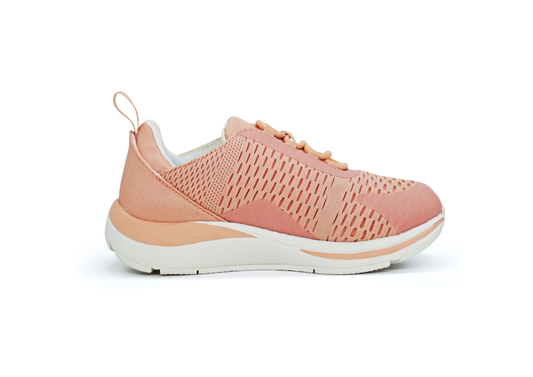
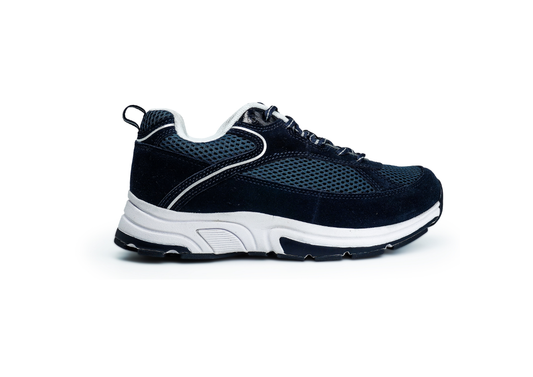

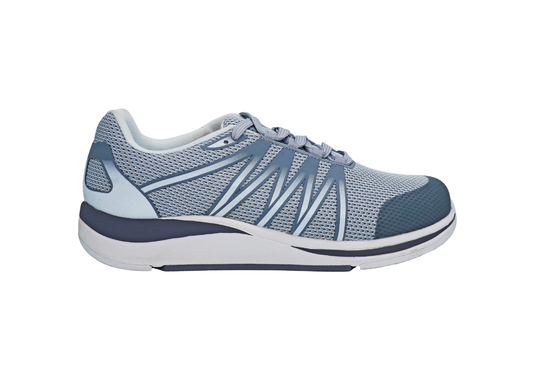

ortho shoes for women
Best Ortho Shoes for Women: Expert Guide to Foot Pain Relief and Support
By Dr. Subramanyam Balaji, Ortho Shoes Corporation
Choosing the right footwear is essential for women who experience foot pain from conditions such as plantar fasciitis, flat feet, or arthritis. This guide reviews orthopedic shoes made for women, describing their therapeutic benefits and support features. Women face specific anatomical and lifestyle challenges in foot health; understanding how orthopedic shoes reduce pain and improve function will help you select the most appropriate pair. We explain how these shoes work, highlight the features to prioritise, and offer practical selection tips. We also cover stylish options that maintain comfort and support.
How Do Ortho Shoes Provide Effective Plantar Fasciitis Relief for Women?
Ortho shoes relieve plantar fasciitis by combining targeted support and cushioning. Key design elements—stable arch support, shock-absorbing midsoles and a roomy toe box—work together to lower tension on the plantar fascia. The correct footwear can improve comfort and mobility for women with this condition. Knowing which design features reduce strain allows you to choose shoes that address the underlying mechanics of your pain.
Key Features of Plantar Fasciitis Relief Shoes for Women
When selecting shoes for plantar fasciitis relief, consider the following key features:
- Arch Support: Proper arch support helps distribute weight evenly across the foot, reducing pressure on the plantar fascia.
- Cushioned Soles: Shoes with cushioned soles absorb shock and provide comfort during walking or standing.
- Roomy Toe Box: A spacious toe box allows for natural toe movement, preventing additional pressure on the forefoot.
These features are fundamental to comfort and foot health and should guide your choice when selecting orthopedic shoes.
What Are the Best Orthopedic Walking Shoes for Women with Flat Feet?
Women with flat feet need shoes that prioritise support and stability. Effective orthopedic walking shoes for flat feet typically incorporate structured arch support and enhanced cushioning to reduce fatigue and improve gait during everyday activities.
Arch Support Technologies in Flat Feet Support Shoes
Several arch support technologies are available in orthopedic shoes for flat feet:
- Firm Midfoot Support: This feature stabilizes the foot and prevents excessive pronation, which can lead to discomfort.
- Deep Heel Cups: These help to align the foot properly and provide additional support to the heel.
- Cushioned Insoles: Soft, cushioned insoles enhance comfort and reduce impact during walking.
These technologies are engineered to give women with flat feet the structural support needed for a more comfortable walking experience.
Choosing the Right Orthopedic Walking Shoes for Daily Comfort
Selecting the right orthopedic walking shoes involves considering several factors:
- Adequate Arch Support: Ensure the shoes provide sufficient arch support tailored to your foot type.
- Cushioning Importance: Look for shoes with ample cushioning to absorb shock and enhance comfort.
- Breathable Materials: Opt for shoes made from breathable materials to keep your feet cool and dry.
Focusing on these elements will help you find shoes that support foot health while remaining comfortable for daily wear.
How Can Arch Support Footwear Improve Foot Pain Relief for Women?
Arch support footwear reduces foot pain by encouraging correct alignment and even weight distribution. Proper support lowers muscular strain and pressure points, which benefits women managing a range of foot conditions.
Types of Arch Support in Women's Orthopedic Shoes
There are several types of arch support available in women's orthopedic shoes:
- Medial Arch Support: This type provides support to the inner arch, helping to stabilize the foot.
- High Arch Support: Designed for those with high arches, this support helps to prevent discomfort associated with pressure points.
- Customizable Insoles: Some shoes come with insoles that can be adjusted to fit individual arch shapes, providing personalized support.
Knowing these options helps you select footwear that matches your arch shape and symptom profile.
Benefits of Arch Support for Common Foot Conditions
Arch support offers numerous benefits for women dealing with common foot conditions:
- Pressure Distribution: Proper arch support helps distribute weight evenly, reducing pressure on specific areas of the foot.
- Improved Alignment: Shoes with adequate arch support promote better alignment of the feet and legs, which can alleviate pain.
- Enhanced Stability: Arch support contributes to overall stability, reducing the risk of falls and injuries.
These advantages underline why selecting shoes with suitable arch support is important for maintaining foot health and reducing pain.
Which Ortho Shoes Are Designed to Alleviate Heel Pain and Arthritis in Women?
Women with heel pain or arthritis need shoes that prioritise cushioning and support to reduce discomfort and preserve mobility. The right orthopedic footwear can make daily activities more manageable.
Enhanced Heel Cushioning Features in Orthopedic Footwear
Orthopedic shoes designed for heel pain often include the following cushioning features:
- Cushioned Soles: These absorb shock and reduce impact on the heel during walking.
- Arch Support: Proper arch support helps to alleviate pressure on the heel and improve overall foot alignment.
- Shock-Absorbing Materials: Advanced materials used in the construction of the shoe can further enhance comfort and reduce pain.
These design elements are important for women seeking relief from heel pain and arthritis.
Specialized Arthritis Footwear for Women's Comfort
Specialized footwear for arthritis sufferers typically includes:
- Cushioned Soles: Soft, cushioned soles provide comfort and reduce pressure on sensitive areas.
- Wide Toe Box: A wider toe box allows for natural toe movement and reduces discomfort.
- Adjustable Features: Shoes with adjustable straps or laces can accommodate swelling and provide a customized fit.
These features make specialized arthritis footwear a sensible option for women who need extra comfort and support.
What Style and Comfort Options Are Available in Women's Orthopedic Shoes?
Orthopedic shoes today combine clinical features with contemporary design. Many manufacturers now offer attractive styles that retain the structural support needed for foot health.
Balancing Medical Benefits with Aesthetic Appeal
Finding stylish orthopedic shoes means choosing brands that blend function and design. Modern options frequently include:
- Arch Support: Stylish designs that still provide essential arch support.
- Cushioned Soles: Fashionable options with cushioned soles for added comfort.
- Stylish Designs: A variety of colors and styles that appeal to different tastes.
Selecting brands that value both support and appearance lets women wear footwear that meets medical needs without sacrificing style.
Materials and Design Innovations for Lightweight Comfort
Innovative materials and design techniques have led to the creation of lightweight orthopedic shoes that offer both comfort and style. Key innovations include:
- Breathable Fabrics: Lightweight, breathable materials keep feet cool and comfortable.
- Cushioned Midsoles: Advanced cushioning technologies enhance comfort without adding bulk.
- Flexible Outsoles: Flexible outsoles allow for natural foot movement, improving overall comfort.
These developments make it possible to find orthopedic shoes that are functional, lightweight and visually appealing.
How to Choose the Right Ortho Shoes for Women: Expert Tips and FAQs
Choosing the correct orthopedic shoes can feel overwhelming. With clear criteria and practical guidance, women can select footwear that supports recovery and daily comfort.
Common Questions About Women's Orthopedic Shoes Answered
When considering orthopedic shoes, women often have several questions:
- How to know if you need orthopedic shoes? If you experience persistent foot pain, discomfort, or have been diagnosed with a foot condition, orthopedic shoes may be beneficial.
- Key features to look for? Look for shoes with adequate arch support, cushioning, and a roomy toe box.
- How should orthopedic shoes fit? They should fit snugly but not tightly, allowing for natural movement without causing discomfort.
These answers provide a practical starting point to help you evaluate footwear options.
Guidelines for Selecting Shoes Based on Foot Conditions
When selecting shoes, consider the following guidelines based on specific foot conditions:
- Plantar Fasciitis Recommendations: Look for shoes with excellent arch support and cushioning.
- Arthritis Footwear Features: Choose shoes with wide toe boxes and adjustable features for comfort.
- Diabetic Foot Complications: Opt for shoes that provide ample cushioning and support to prevent complications.
Following these condition-specific guidelines helps ensure your footwear supports healing and long-term foot health.
Frequently Asked Questions
What should I consider when buying orthopedic shoes for everyday use?
Prioritise comfort, support and a correct fit. Choose shoes with arch support suited to your foot shape, cushioned soles to absorb shock, and breathable materials to manage moisture. Also consider weight and flexibility—lighter shoes reduce fatigue during long days. Try shoes later in the day when feet are slightly swollen to confirm the fit.
Are there specific brands known for quality orthopedic shoes for women?
Yes. Brands such as Vionic, Clarks and New Balance offer a range of supportive, stylish options. Dansko and Skechers are also known for durable, comfortable designs. When evaluating brands, review product features and customer feedback to match a model to your foot health needs.
How often should I replace my orthopedic shoes?
Replace orthopedic shoes roughly every 6 to 12 months, depending on wear and use. Replace sooner if you see sole wear, lost cushioning or reduced support. If pain returns when wearing a pair, that is also a sign they may need replacing. Regular inspection helps maintain effective support.
Can I use custom orthotics with my orthopedic shoes?
Yes. Many orthopedic shoes accept custom orthotics. For best results, choose shoes with removable insoles so your custom devices fit correctly. Consult a healthcare professional to confirm that your chosen footwear and orthotics work together for your specific condition.
What are the benefits of wearing orthopedic shoes for women with diabetes?
Orthopedic shoes can reduce the risk of complications by offering extra cushioning, pressure relief and protection. Features such as a wide toe box and soft, non-irritating materials accommodate deformities or swelling, while shock-absorbing soles lessen impact. Proper footwear is an important part of diabetic foot care.
How do I know if my orthopedic shoes are the right fit?
Check for approximately a thumb's width of space between your longest toe and the shoe front. Shoes should feel snug without pinching, allowing natural movement. Walk in them to detect rubbing or pressure points—any persistent pain indicates the fit is not correct and you should try a different size or model.
