
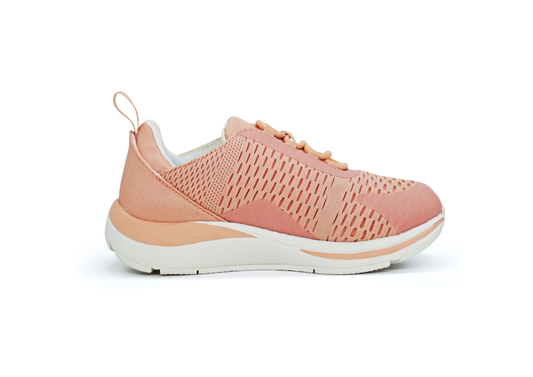

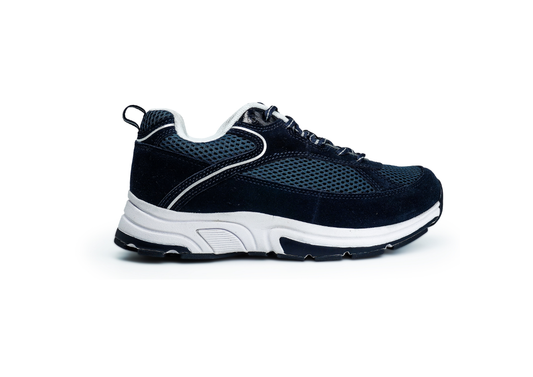

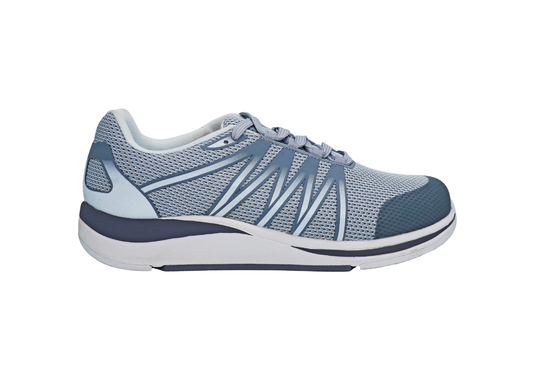


best footwear for heel pain
Best Footwear for Heel Pain: Orthopedic Shoes for Effective Heel Pain Relief
By Dr. Subramanyam Balaji, Ortho Shoes Corporation
Heel pain can limit mobility and everyday activities. Proper footwear is a key conservative measure for conditions such as plantar fasciitis and heel spurs. This article reviews orthopedic shoes that provide support and cushioning, lists key features and benefits, and offers recommendations for common foot types to help you choose footwear that improves comfort and function.
Key Features
Orthopedic shoes use targeted design elements to reduce heel strain. They typically include:
- Enhanced Heel Cushioning: Provides shock absorption to reduce impact on the heel.
- Arch Support: Helps distribute weight evenly and support the foot's natural structure.
- Shock-Absorbing Soles: Minimize pressure on the heel and improve comfort while moving.
Combined, these features create a stable, cushioned platform that reduces heel stress for daily use.
Benefits
Orthopedic shoes deliver clear benefits for heel pain sufferers:
- Pain Relief: Cushioning and support can reduce heel pain.
- Improved Foot Health: Proper footwear helps prevent additional foot problems.
- Comfort for Daily Activities: Designed for sustained wear to keep you active with less discomfort.
For medical-grade options, Ortho Shoes offers footwear designed to alleviate heel pain and related conditions.
Recommendations for Various Foot Types
Choose shoes based on your foot type:
- Flat Feet: Prioritise firm arch support and stability.
- High Arches: Use extra cushioning and flexible soles for shock absorption.
- Bunions: Pick a wide toe box to reduce pressure on the forefoot.
These criteria help you find shoes that match your anatomy and symptoms.
What Causes Heel Pain and How Does It Affect Your Foot Health?
Heel pain arises from overuse, poor footwear, and medical conditions. Common causes include:
- Plantar Fasciitis: Inflammation of the plantar fascia causing sharp heel pain.
- Heel Spurs: Bony growths that may cause discomfort.
- Metatarsalgia: Pain in the forefoot that can affect the heel.
Identifying the cause directs treatment and helps protect long-term foot health.
Understanding Plantar Fasciitis and Heel Spurs as Common Heel Pain Conditions
Plantar fasciitis and heel spurs commonly contribute to heel pain.
- Symptoms of Plantar Fasciitis: Sharp heel pain, often worst in the morning or after rest.
- Long-term Implications: Untreated, these issues may become chronic and limit mobility.
- Treatment Options: Include physical therapy, stretching, and wearing supportive footwear.
Research shows mechanical treatments and appropriate footwear are effective in managing plantar fasciitis.
Plantar Fasciitis: Mechanical Treatment & Footwear Effectiveness
Context: Plantar fasciitis is one of the most common foot injuries. Several mechanical treatment options, including shoe inserts, ankle-foot orthoses, tape, and shoes, are used to relieve the symptoms of plantar fasciitis. Objectives: To investigate the effectiveness of mechanical treatment in the management of plantar fasciitis.
Effectiveness of mechanical treatment for plantar fasciitis: a systematic review, K Postema, 2019
How Foot Anatomy Influences Heel Pain and Shoe Selection
Foot structure affects how pressure is distributed and which shoes fit best. Key aspects include:
- Structure of the Foot: Arch type and foot shape guide shoe choice.
- Importance of Arch Support: Proper support reduces heel strain.
- Cushioning Requirements: Different feet need different cushioning levels.
Knowing your anatomy helps you select footwear that reduces pain and improves comfort.
Which Features Make Orthopedic Shoes Ideal for Heel Pain Relief?
Effective orthopedic design elements include:
- Supportive Heel Counters: Stabilise the rearfoot and limit excess motion.
- Contoured Footbeds: Provide targeted arch and heel support.
- Customizable Support Options: Allow adjustments for individual needs.
These features work together to reduce strain and improve gait.
How Do Shock Absorption and Heel Cushioning Reduce Heel Pain?
Shock absorption and cushioning lower impact forces on the heel.
- Impact Absorption: Shock-absorbing materials reduce stress during walking.
- Pressure Distribution: Proper cushioning spreads load across the foot.
- Stability and Motion Control: Motion control features limit harmful movement patterns.
Choosing shoes with these properties helps protect the heel during activity.
Why Is Arch Support Crucial in Footwear for Heel Pain?
Arch support helps align the foot and reduce concentrated heel load.
- Pressure Distribution: Supports even weight distribution.
- Pain Relief: Can relieve symptoms of plantar fasciitis.
- Injury Prevention: Helps maintain proper foot alignment to avoid strain.
Proper arch support is central to managing heel pain.
How to Choose the Best Shoes for Plantar Fasciitis and Heel Spurs?
When shopping, focus on:
- Key Features to Look For: Cushioning, arch support, and a secure but comfortable fit.
- Recommended Brands: Brands like Ortho Shoes provide specialized footwear for heel pain.
- Fitting Tips: Try shoes later in the day when feet are slightly swollen for a realistic fit.
Following these points improves the chance of finding supportive shoes that reduce heel strain.
Further studies underline the importance of footwear comfort and fit in managing plantar heel pain.
Footwear Comfort & Fit for Plantar Heel Pain
Plantar heel pain is a common foot disorder aggravated by weight-bearing activity. Despite considerable focus on therapeutic interventions such as orthoses, there has been limited investigation of footwear-related issues in people with plantar heel pain. The aim of this study was to investigate whether people with plantar heel pain experience footwear-related difficulties compared to asymptomatic individuals, as well as identifying factors associated with footwear comfort, fit and choice.
Determinants of footwear difficulties in people with plantar heel pain, J Sullivan, 2015
What Are the Benefits of Medical-Grade Heel Pain Shoes?
Medical-grade shoes provide targeted support useful in managing heel pain:
- Shock Absorption: Reduces impact on the heel.
- Support for Long-term Foot Health: Promotes alignment and lowers risk of new issues.
- Comfort for Everyday Wear: Built for all-day use across activities.
Such footwear is often recommended as part of a conservative management plan.
How Do Comfortable Shoes for Heel Spurs Improve Daily Mobility?
Comfortable, supportive shoes help people with heel spurs stay active:
- Arch Support: Reduces pressure on the heel.
- Cushioned Soles: Absorb shock and ease movement.
- Proper Fit: Prevents rubbing and additional pain.
Choosing comfortable shoes can improve mobility and reduce daily discomfort.
What Additional Footwear Options Support Heel Pain Relief for Specific Conditions?
Specialized footwear can address condition-related needs:
- Diabetic Footwear: Extra depth and cushioning to protect sensitive feet.
- Arthritis Shoes: Added support and cushioning for joint pain.
- Footwear for Other Conditions: Options tailored to various deformities and needs.
These alternatives offer additional support when standard shoes are insufficient.
How Do Diabetic Footwear and Arthritis Shoes Address Heel Pain?
Diabetic and arthritis shoes include features that reduce irritation and distribute pressure:
- Features of Diabetic Footwear: Extra depth, cushioning, and seamless interiors to avoid irritation.
- Benefits of Arthritis Shoes: Enhanced support to reduce joint strain.
- Importance of Proper Fit: Ensures accommodation of foot changes and prevents pressure points.
For specialized diabetic options, see diabetic footwear.
Frequently Asked Questions
What should I consider when buying orthopedic shoes for heel pain?
Prioritise arch support, cushioning, and proper fit. A wide toe box and reliable heel cushioning help reduce pressure and improve comfort.
How often should I replace my orthopedic shoes?
Replace shoes every 6 to 12 months depending on use, or sooner if cushioning and support degrade.
Can I use custom orthotics with my orthopedic shoes?
Yes — many orthopedic shoes accept custom orthotics to provide tailored support; consult a professional to match orthotics and shoes.
Are there specific activities I should avoid if I have heel pain?
Avoid high-impact activities like running and jumping; choose low-impact options such as swimming or cycling until symptoms improve.
How can I manage heel pain at home?
Use rest, ice, calf and plantar fascia stretches, supportive footwear, and over-the-counter pain relief as needed. Seek professional care if pain persists.
What role does weight management play in heel pain relief?
Maintaining a healthy weight reduces mechanical load on the heels and can improve symptoms; consult a professional for personalised guidance.
