




Best Sugar Patient Slippers for Women - Diabetic Comfort
Choosing the Best Slippers for Diabetic Women
Most foot injuries for women managing blood sugar happen right in the kitchen, not outdoors. According to podiatrists, this hidden domestic danger explains why diabetics need specialized house footwear. Standard options often conceal rough seams that easily damage thinning skin.
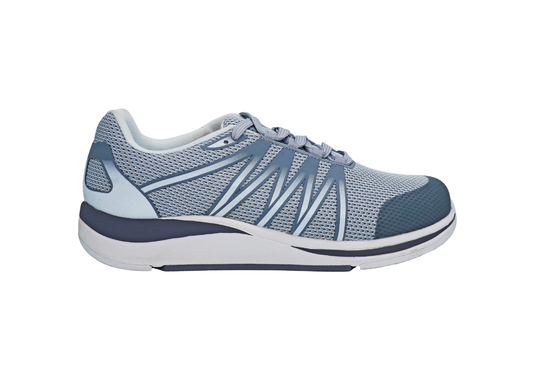
Instead, the best sugar patient slippers for women provide critical mechanical protection. They create a smooth, paved highway for sensitive feet. When you choose an orthopedic-style slipper with a supportive footbed and stable sole, a cozy habit becomes a practical safety tool. For those seeking maximum breathability, the breezy slipper footwear womens is an excellent example of design meeting medical necessity.

The 3 Non-Negotiable Features for Protective Comfort
Since feet can lose feeling due to neuropathy, regular house shoes aren't enough. Orthopedic-grade indoor footwear needs three essentials: a seamless interior, extra depth, and non-slip soles. Without feeling, a tiny internal thread acts like sandpaper. It can silently cause hidden blisters. That is why a seamless interior lining is vital to prevent skin irritation.
Cramped toes are another hazard. This makes deep toe box slippers critical for stopping friction. Furthermore, feet often experience edema daily. To safely manage these fluctuations, you need adjustable closures. This ensures the shoe never becomes a constriction band by dinner.
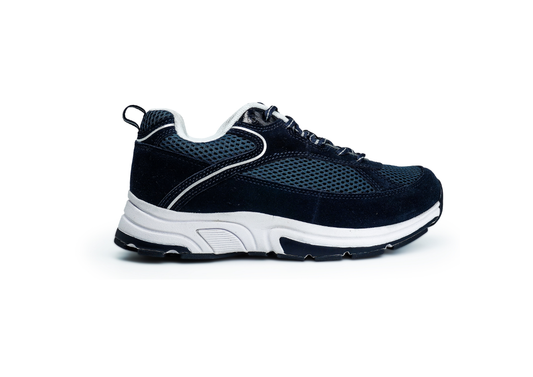
Prioritizing these mechanics guarantees genuine foot protection. If you need more structure, explore our full collection of womens shoes orthopedic. These designs use contoured footbeds and stable heel cups to reduce pressure points. By selecting extra wide slippers for edema relief, your footwear adapts to your changing body.
Timing Your Purchase: The Secret to Finding the Perfect Fit
Figuring out how to choose orthopedic footwear starts with checking the clock. Always measure your feet around 4:00 PM. This is when they are at their largest due to natural fluid build-up. Once you try a pair on, apply the "Finger Test." Slide one index finger between your ankle and the fabric. If it does not fit effortlessly, the slipper may restrict vital blood flow.
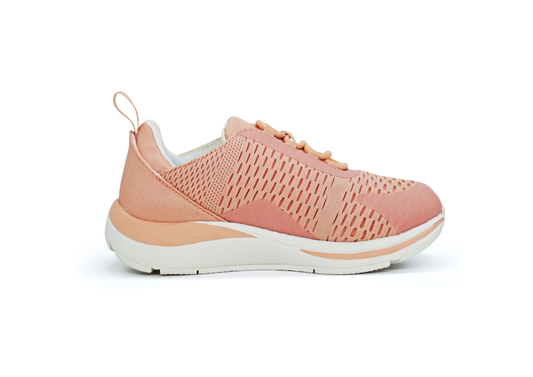
Getting the size right is only part of the equation. The interior must also protect you by using moisture-wicking fabrics. Keeping your feet dry prevents environments where harmful fungal infections thrive. If you use custom orthotics, prioritize slippers with a removable insole. This ensures your orthotic sits flat and stable. For those who prefer a more active look, the sprinter orthopedic athletic shoe rose womens offers similar protective features in a sporty style.
Your 30-Second Daily Safety Check
Protecting your feet at home is now in your hands. Start a simple habit: take 30 seconds every morning to quickly shake out your slippers. Removing hidden grit prevents tiny skin scratches. These scratches can complicate identifying signs of diabetic foot ulcers.
Periodically check the bottom tread as well. Worn-down rubber outsoles mean it is time for a replacement. Enjoy all-day comfort by stepping into a reliable, safety-first daily routine. For outdoor needs, check out our womens slip on orthopedic shoes to maintain that same level of protection.
Orthopedic Footwear Q&A for Diabetic Women
-
Q: Are “orthopedic slippers” different from regular diabetic slippers?
-
A: Yes. Diabetic slippers focus on reducing friction and pressure. Orthopedic slippers add structure, such as arch support and stable heel cups, to improve alignment.
-
-
Q: What sole type is best if I have neuropathy?
-
A: A lightweight, non-slip sole with shock absorption is best. It should be firm enough to prevent your foot from sinking into pressure points.
-
-
Q: Do I need arch support if my feet are swollen?
-
A: Adjustability comes first for swelling. However, gentle arch support helps reduce fatigue as long as it does not create a hard ridge that rubs.
-
-
Q: Can I wear my custom orthotics inside slippers?
-
A: Yes, if the slipper has a removable insole and enough depth. The orthotic should sit flat without bending.
-
-
Q: What should I avoid in orthopedic footwear?
-
A: Avoid rough seams, narrow toe boxes, and slippery soles. Stay away from "corrective" support that feels sharp or causes any skin redness.
-
