
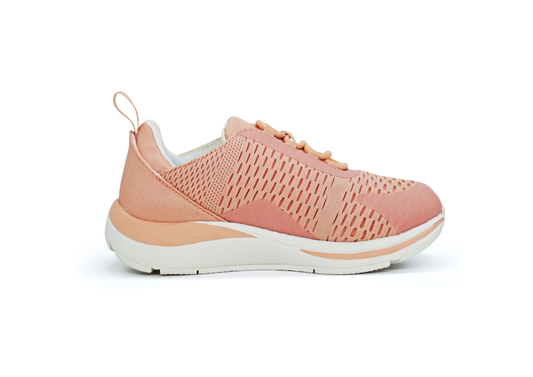
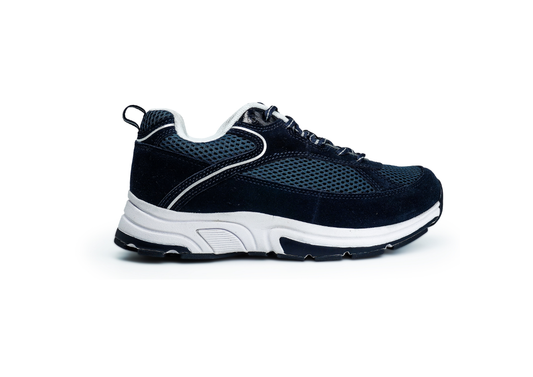

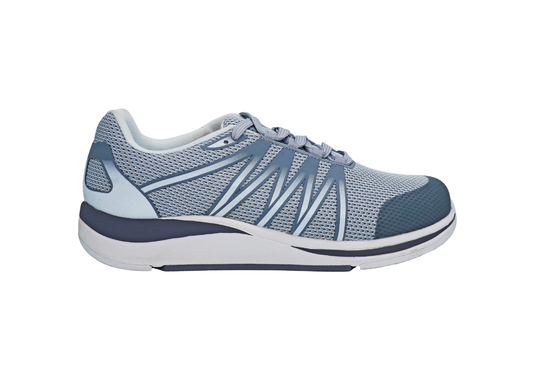

casual shoes sale
Affordable Casual Shoes Sale: Discover Budget-Friendly Orthopedic Sneakers for Foot Health
By Dr. Subramanyam Balaji, Ortho Shoes Corporation
Choosing the right footwear directly affects foot health, especially if you have pain or a diagnosed condition. This article explains how orthopedic casual shoes—including budget-friendly sale options—support comfort, stability, and daily function. We outline the features to prioritise, who benefits most, and practical places to find reliable deals online.
What Are the Benefits of Orthopedic Casual Shoes on Sale?
Orthopedic casual shoes deliver targeted support and cushioning while sales make them more affordable. Their built-in features are intended to address common mechanical causes of discomfort, so they can be a practical option for people seeking improved comfort and reduced strain.
- Support Features: Many orthopedic shoes come with arch support and stability features that help distribute weight evenly across the foot, reducing strain and discomfort.
- Comfort Advantages: With cushioning and breathable materials, these shoes provide a comfortable fit that can alleviate pressure on sensitive areas of the foot.
- Long-Term Health Impacts: Regular use of orthopedic shoes can lead to pain relief and improved mobility, making daily activities more enjoyable.
These advantages explain why purchasing orthopedic casual shoes during sales is a cost-effective step to support foot health.
How Do Orthopedic Shoes Relieve Heel Pain and Arthritis?
Orthopedic shoes reduce heel pain and arthritis discomfort through design features that manage impact, redistribute pressure, and improve alignment. These mechanical effects address common sources of joint and soft-tissue stress.
- Cushioning and Shock Absorption: The materials used in orthopedic shoes often include advanced cushioning that absorbs impact, reducing stress on the heel and joints.
- Arch Support for Weight Distribution: Proper arch support helps distribute body weight evenly, which can alleviate pressure on painful areas and improve overall comfort.
- Stability and Alignment Benefits: These shoes are designed to promote proper foot alignment, which can help reduce pain associated with conditions like arthritis.
By addressing these needs, orthopedic shoes can improve daily comfort and functional mobility for people with heel pain or arthritis.
Why Choose Diabetic-Friendly Casual Footwear?
Diabetic-friendly casual footwear helps reduce the risk of common complications by minimising pressure, friction, and irritation. Selecting the right pair is a preventive measure that supports long-term foot health for people with diabetes.
- Prevention of Foot Complications: Properly designed diabetic shoes can help prevent blisters, ulcers, and other foot issues that can arise from poor-fitting footwear.
- Enhanced Stability and Comfort Features: These shoes often include additional cushioning and support to accommodate sensitive feet, ensuring comfort throughout the day.
- Specific Features to Look For: When selecting diabetic-friendly footwear, look for shoes with a wide toe box, soft materials, and removable insoles for custom orthotics.
Choosing diabetic-friendly casual footwear is a practical, preventive step to help avoid pressure-related injuries and maintain foot health.
Which Affordable Casual Shoes Are Best for Foot Pain Relief?
When evaluating affordable casual shoes for pain relief, focus on measurable features that address your symptoms. Prioritise cushioning, support, and breathable construction to reduce strain and improve comfort.
- Top Features of Comfortable Orthopedic Sneakers: Look for shoes with ample cushioning, arch support, and breathable materials to ensure comfort and support.
- Recommendations for Specific Conditions: For those with specific foot conditions, such as plantar fasciitis or arthritis, seek shoes designed to address these issues.
- How to Choose the Right Shoes: Always try on shoes and walk around to assess comfort and fit before making a purchase.
Concentrating on these features will help you find budget-friendly options that effectively reduce foot pain and support daily activity.
How to Identify Budget-Friendly Casual Shoes Online
Searching for budget-friendly casual shoes online becomes easier when you use objective filters and compare technical features. Focus your search on size, support options, and verified user feedback.
- Using Online Filters Effectively: Utilize filters on e-commerce websites to narrow down your options based on size, price, and specific features.
- Comparing Prices and Features: Take the time to compare different models and brands to ensure you are getting the best value for your money.
- Reading Customer Reviews: Customer feedback can provide valuable insights into the comfort and durability of shoes, helping you make an informed decision.
Apply these practical steps to identify budget-friendly casual shoes that meet your comfort and support requirements.
Where to Find Discount Casual Sneakers and Casual Shoes Clearance Online?
Discounts on casual and orthopedic shoes appear at specialty retailers, major e-commerce platforms, and clearance sites. Focus on reputable sellers that list product specifications and return options.
- Trusted Retailers for Orthopedic Shoes: Look for well-known e-commerce platforms that specialize in orthopedic footwear, as they often have sales and promotions.
- Online Platforms for Clearance Sales: Websites that focus on clearance items can provide significant savings on quality footwear.
- Tips for Finding the Best Deals: Sign up for newsletters and alerts from your favorite retailers to stay informed about upcoming sales and exclusive offers.
These approaches will help you locate good deals on casual sneakers and orthopedic shoes without sacrificing key support features.
How to Choose the Right Casual Shoes for Specific Foot Conditions?
Matching shoe features to a diagnosed condition is essential. Start by identifying whether you need extra arch support, cushioning, or a wider fit, then compare models that meet those needs.
- Considerations for Arch Support and Cushioning: Ensure that the shoes provide adequate arch support and cushioning to accommodate your specific needs.
- Fit and Material Importance: Choose shoes made from breathable materials that allow for proper ventilation and fit snugly without being too tight.
- Professional Consultation Recommendations: If you have specific foot conditions, consulting with a podiatrist can provide personalized recommendations for footwear.
Evaluating these factors helps you choose casual shoes that address your condition while maintaining comfort and function.
Selecting Men's and Women's Orthopedic Casual Shoes
Fit and design differ by gender due to typical anatomical variations. Focus on models that offer the correct last, width options, and support features suited to your foot shape.
- Features to Look For in Men's and Women's Shoes: Both genders should seek shoes that offer proper support, cushioning, and a comfortable fit tailored to their foot shape.
- Fit Considerations for Different Foot Types: Men and women may have different foot shapes, so it's important to try on shoes to find the best fit.
- Recommendations for Specific Conditions: Look for shoes designed specifically for conditions like flat feet or high arches, as these can vary between genders.
Being aware of these differences will help you choose the correct orthopedic casual shoes for men or women.
Buying Guide for Diabetic, Heel Pain, and Arthritis Footwear
For condition-specific footwear, prioritise protective materials, proper cushioning, and a stable sole. These elements reduce pressure points and support safer daily use.
- Essential Features for Diabetic Footwear: Look for shoes with soft, non-irritating materials and a roomy toe box to prevent pressure points.
- Recommendations for Heel Pain and Arthritis: Shoes with excellent cushioning and arch support are crucial for alleviating discomfort associated with these conditions.
- General Tips for Selecting Orthopedic Shoes: Always prioritize comfort and fit over style, as the right shoes can significantly impact your foot health.
This guide is designed to help you compare options and select orthopedic footwear with the features most relevant to your condition.
What Do Customers Say About Budget-Friendly Orthopedic Casual Shoes?
Customer feedback offers practical evidence of how budget-friendly orthopedic shoes perform in daily use. Reviews commonly address comfort, durability, and whether the shoes meet advertised support claims.
- Customer Reviews on Comfort and Durability: Many users report that affordable orthopedic shoes provide excellent comfort and support, making them suitable for daily wear.
- Value for Money Perceptions: Customers often express satisfaction with the quality of budget-friendly options, noting that they perform well compared to more expensive alternatives.
- Common Feedback Themes: Comfort, support, and style are frequently mentioned as key factors influencing customer satisfaction.
These user insights can guide buyers evaluating cost-effective orthopedic options and help set realistic expectations.
User Testimonials on Comfort and Style
Testimonials frequently highlight a practical balance between comfort and appearance, noting when shoes enable longer wear without pain while still looking acceptable for everyday use.
- Positive Experiences Shared by Users: Many customers appreciate the comfort these shoes provide, allowing them to wear them for extended periods without discomfort.
- Style Preferences and Comfort Levels: Users often mention that they are pleasantly surprised by the stylish designs available in orthopedic footwear.
- Impact on Daily Activities: Comfortable shoes can significantly enhance daily activities, allowing users to remain active and engaged.
These testimonials emphasise the value of choosing shoes that preserve foot health without forcing a trade-off on style.
How Ratings and Reviews Influence Purchase Decisions
Reviews and ratings strongly influence buying decisions by providing real-world evidence of fit, durability, and comfort. They help prospective buyers weigh benefits and risks before purchase.
- Importance of Customer Feedback: Positive reviews can boost confidence in a product, while negative feedback can deter potential buyers.
- How Reviews Shape Perceptions: Customers often rely on the experiences of others to gauge the quality and effectiveness of shoes before making a purchase.
- Trends in Consumer Behavior: Increasingly, consumers are turning to online reviews and ratings to inform their buying decisions, making it essential for brands to maintain high standards.
Knowing how to interpret ratings and review patterns helps consumers make informed choices and reduce the likelihood of returns or dissatisfaction.
What Are the Latest Trends in Orthopedic Casual Shoes Sale?
The orthopedic footwear sector is adapting to consumer demand for lighter, more sustainable designs and enhanced digital features. These trends combine comfort improvements with broader lifestyle preferences.
- Lightweight and Sustainable Materials: Many brands are now focusing on using eco-friendly materials that are both lightweight and durable, appealing to environmentally conscious consumers.
- Integration of Smart Insoles: Some orthopedic shoes now feature smart insoles that provide real-time feedback on foot health and comfort, enhancing the user experience.
- Emerging Styles and Designs: The latest designs in orthopedic footwear are becoming more fashionable, allowing consumers to choose shoes that align with their personal style.
These developments point to more innovative, consumer-focused orthopedic footwear that balances function with modern preferences.
Lightweight and Sustainable Materials in Casual Footwear
Lightweight and sustainable materials reduce fatigue while also responding to consumer interest in ethical production. When combined with supportive design, they improve day-long comfort and environmental impact.
- Benefits of Lightweight Materials: Shoes made from lightweight materials reduce fatigue and discomfort, making them ideal for all-day wear.
- Sustainability in Production: Brands are increasingly adopting sustainable practices in their production processes, appealing to eco-conscious consumers.
- Consumer Preferences for Eco-Friendly Options: As awareness of environmental issues grows, consumers are more likely to choose products that align with their values.
This shift reflects a broader movement toward sustainability without compromising the functional demands of orthopedic footwear.
Integration of Smart Insoles for Enhanced Foot Health
Smart insoles add data-driven customisation to footwear. By tracking pressure and alignment, they can help users and clinicians target support where it matters most.
- Customized Support and Pain Relief: These insoles can be tailored to provide specific support based on individual foot needs, enhancing comfort.
- Technology Used in Smart Insoles: Many smart insoles incorporate sensors that track foot pressure and alignment, providing valuable data for users.
- Examples of Shoes Featuring Smart Insoles: Some brands are leading the way in integrating this technology into their footwear, offering consumers innovative solutions for foot health.
Smart insole integration represents a practical advancement in orthopedic footwear, offering enhanced feedback and targeted support without changing core design principles.
Frequently Asked Questions
1. How can I determine the right size for orthopedic shoes when shopping online?
Measure your foot length and width with a ruler or tape while standing. Compare measurements to the brand's sizing chart, since sizing varies between manufacturers. Read customer reviews for notes on fit and check the return policy so you can exchange if needed.
2. Are there specific brands known for high-quality orthopedic casual shoes?
Yes. Brands such as New Balance, Skechers, and Vionic are often cited for combining support, cushioning, and everyday style. Review product specifications and user feedback to identify the best match for your foot health needs.
3. Can I wear orthopedic shoes for activities other than walking?
Yes. Many orthopedic models are versatile enough for light sports, casual outings, or jobs requiring long periods of standing. Choose a model with the appropriate support and cushioning for the activity to avoid discomfort.
4. How often should I replace my orthopedic shoes?
Replace orthopedic shoes every 6 to 12 months depending on use and wear. Replace them sooner if you notice sole wear, reduced cushioning, or loss of support, as worn shoes can worsen foot problems.
5. Are there any special care instructions for maintaining orthopedic shoes?
Clean shoes with a damp cloth to remove dirt and avoid machine washing unless the manufacturer permits it. Air dry away from direct heat. Use quality insoles if recommended and store shoes in a cool, dry place to preserve shape and support.
6. What should I look for in orthopedic shoes for specific conditions like plantar fasciitis?
For plantar fasciitis, prioritise firm arch support, generous cushioning, and a stable heel counter. A contoured footbed and slight heel lift can reduce strain on the plantar fascia. Discuss options with a healthcare professional for tailored advice.
7. Can children benefit from orthopedic casual shoes?
Yes. Children with flat feet, overpronation, or other concerns can benefit from supportive casual shoes that encourage healthy development. Look for appropriate arch support, cushioning, and flexibility, and check sizing regularly as their feet grow.
