
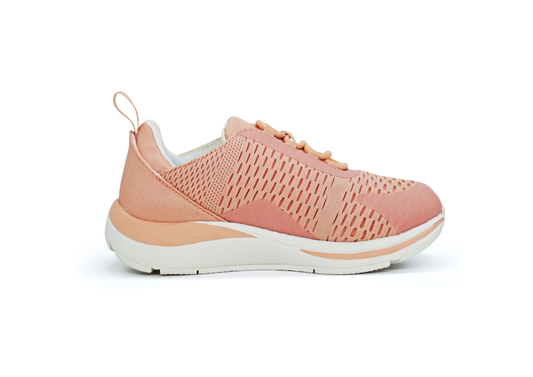
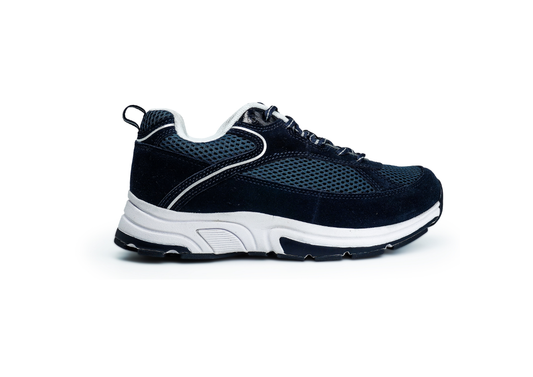

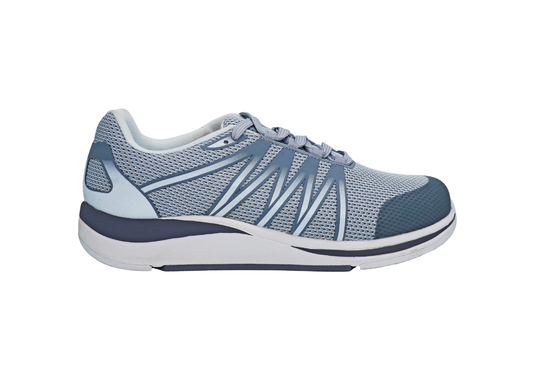

womens orthopedic
Womens Orthopedic Footwear: Comprehensive Guide to Comfort, Support, and Foot Pain Relief
By Dr. Subramanyam Balaji, Ortho Shoes Corporation
Choosing the right footwear is essential for women who experience foot pain or discomfort. Women's orthopedic footwear is designed to deliver targeted comfort, structural support, and relief for a range of foot conditions. This guide outlines the key features and benefits, explains how these shoes address common issues, and provides practical tips for selecting the right pair. Understanding proper footwear helps you make informed decisions that improve daily comfort and mobility. The guide also covers how to transition to orthopedic shoes so you achieve a correct fit.
What Are Women's Orthopedic Shoes?
Women's orthopedic shoes are purpose-built to reduce foot discomfort and support mobility. They are intended to address conditions such as plantar fasciitis, arthritis, and flat feet. By promoting proper foot mechanics and offering structured support, orthopedic shoes can improve day-to-day function for people with foot pain. Design elements like arch support and cushioned soles increase comfort and stability.
Key Features and Benefits
Orthopedic shoes include specific features that distinguish them from standard footwear. Knowing these features helps you choose the right pair for your needs.
| Feature | Description | Benefit |
|---|---|---|
| Arch Support | Provides stability and alignment | Reduces strain on the feet and lower back |
| Cushioned Soles | Soft padding for shock absorption | Enhances comfort during prolonged wear |
| Wide Toe Boxes | Allows for natural toe movement | Prevents pinching and discomfort |
Taken together, these elements make orthopedic shoes effective at providing comfort and support. Women with foot pain often find daily activities become easier when wearing well-structured footwear.
Addressing Common Foot Conditions
Orthopedic shoes can help manage a range of common foot conditions. Below are typical issues and how footwear can assist:
- Plantar Fasciitis: This condition causes heel pain due to inflammation of the plantar fascia. Orthopedic shoes with proper arch support can alleviate pressure on the heel and provide relief.
- Arthritis: Joint pain and stiffness can make walking difficult. Shoes designed with cushioning and support can help reduce discomfort and improve mobility.
- Flat Feet: Individuals with flat feet often experience pain due to lack of arch support. Orthopedic shoes can provide the necessary support to help distribute weight evenly and reduce strain.
Understanding how footwear targets each condition helps you select the most suitable option for your foot health.
Choosing the Right Orthopedic Sandals and Insoles
Choosing the right orthopedic sandals and insoles is key to maximizing comfort and support. Consider the following factors when evaluating options:
- Contoured Footbeds: Look for sandals with contoured footbeds that provide arch support and cradle the foot.
- Adjustable Straps: Sandals with adjustable straps allow for a customized fit, accommodating different foot shapes and sizes.
- Cushioned Soles: Opt for sandals with cushioned soles to absorb shock and provide comfort during extended wear.
Choose insoles specifically made for orthopedic use, as they can improve the support and comfort of your current shoes.
Ortho Shoes carries orthopedic sandals and insoles designed to meet these needs and help you achieve a proper fit for daily life. Ortho Shoes carries orthopedic sandals and insoles designed to meet these needs and help you achieve a proper fit for daily life.
Tips for Selecting Comfortable Orthopedic Footwear
When shopping for orthopedic footwear, use these practical tips to find the most comfortable option:
- Fit and Size: Always measure your feet and try on shoes at the end of the day when your feet are slightly swollen. This ensures a better fit.
- Material Quality: Choose shoes made from breathable materials that allow for airflow, reducing moisture and discomfort.
- Style Considerations: While comfort is key, there are many stylish orthopedic options available. Look for designs that suit your personal style while providing the necessary support.
Following these steps will help you find orthopedic footwear that supports your feet and complements your wardrobe.
Transitioning to Orthopedic Footwear
Switching to orthopedic footwear may require an adjustment period, especially if you are used to traditional shoes. Use these strategies to ease the transition:
- Start with Short Wear Periods: Begin by wearing your new orthopedic shoes for short periods to allow your feet to adjust.
- Gradually Increase Usage: As your comfort level increases, gradually extend the time you wear the shoes each day.
A gradual approach lets your feet adapt to the increased support and reduces the chance of discomfort.
For women seeking targeted comfort and support, a dedicated collection of womens orthopedic shoes is available. These styles are designed to address comfort, support, and pain relief.
For those managing diabetes, specific diabetic footwear options support foot health and help reduce the risk of complications.
If you have persistent heel pain, shoes designed to relieve pressure and support the heel can offer targeted relief.
Frequently Asked Questions
What should I look for when buying orthopedic shoes?
Prioritize arch support, cushioned soles and a wide toe box. Ensure the shoe fits without pinching and allows natural foot movement. Choose breathable materials to reduce moisture. Many orthopedic designs are now available in fashionable styles. Try shoes at the end of the day when feet are slightly swollen to find the best fit.
How do orthopedic shoes differ from regular shoes?
Orthopedic shoes are engineered to provide enhanced support and comfort for people with foot conditions, while regular shoes often prioritise style over function. Orthopedic models include arch support, cushioning and wider toe boxes to relieve pain and improve mobility. Regular shoes may lack these features and can exacerbate existing foot issues. For those with plantar fasciitis or arthritis, orthopedic footwear offers targeted support.
Can I wear orthopedic shoes for everyday activities?
Yes. Orthopedic shoes are suitable for daily wear and for activities such as walking, standing and casual outings. Their support features reduce foot pain and increase comfort throughout the day. Many brands offer attractive options that combine function with style. Choose a pair that fits well and meets your specific foot-health needs.
Are there specific orthopedic shoes for diabetic patients?
Yes. Diabetic-specific orthopedic shoes typically provide extra depth, soft materials and seamless interiors to minimise friction and pressure on sensitive feet. They also offer cushioning and support to help prevent ulcers or infections. People with diabetes should select footwear that accommodates their unique needs and consult a healthcare professional when choosing the right pair.
How long does it take to get used to orthopedic footwear?
Adjustment times vary but commonly range from a few days to a couple of weeks. Start by wearing the shoes for short periods and increase wear time gradually as your feet adapt to the new support. This staged approach reduces discomfort and helps ensure a smoother transition.
Can I use custom insoles with orthopedic shoes?
Yes. Custom insoles can be used with orthopedic shoes to enhance comfort and support. Many orthopedic shoes accept custom insoles, allowing for personalised arch support, cushioning and alignment correction. Make sure the shoes and insoles fit together properly to avoid discomfort or instability while walking.
