
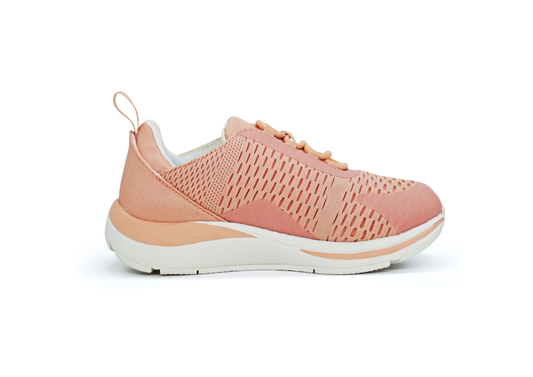
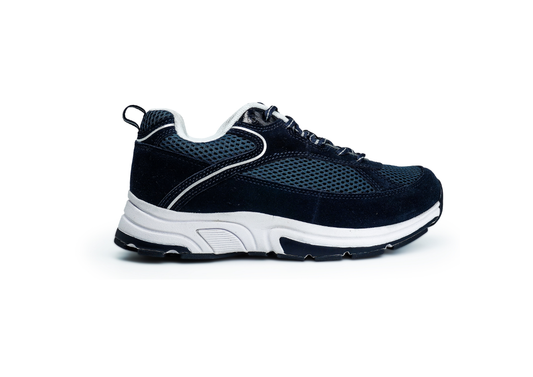

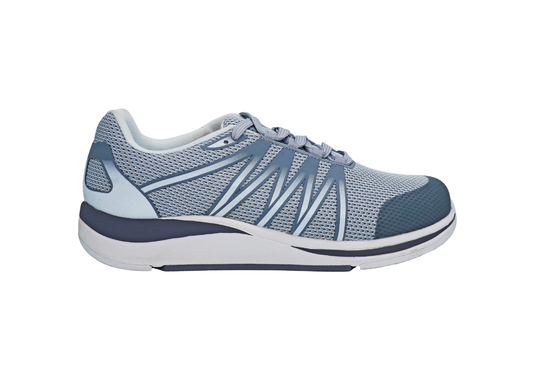

orthopedic dress shoes
Orthopedic Dress Shoes: Expert Guide to Supportive Formal Footwear for Foot Pain Relief
By Dr. Subramanyam Balaji, Ortho Shoes Corporation
Orthopedic dress shoes are engineered to deliver targeted comfort and structural support for people with common foot conditions. They combine formal styling with functional features to address issues such as plantar fasciitis, arthritis and diabetes-related foot concerns. This guide explains the key features, benefits and practical recommendations for choosing that reduce pain and support daily function.
"orthopedic dress shoes"
Finding formal footwear that does not worsen foot pain can be difficult. Orthopedic dress shoes use specific design elements to support foot health. This article outlines those design features, explains how they relieve pain, and gives clear advice on selecting the right pair.
Key Features of Orthopedic Dress Shoes
Orthopedic dress shoes are defined by features that improve support and comfort. Common elements include customizable support systems, a wider and deeper fit, and cushioned, shock-absorbing soles.
| Feature | Description | Benefit |
|---|---|---|
| Customizable Support | Adjustable insoles and arch support | Tailored fit for individual foot shapes |
| Wider and Deeper Fit | Accommodates foot deformities | Reduces pressure points and discomfort |
| Cushioned and Shock-Absorbing Soles | Soft materials that absorb impact | Enhances comfort during prolonged wear |
Taken together, these elements make effective at reducing foot pain and supporting overall foot health.
"orthopedic dress shoes"
Benefits for Foot Pain Relief
Wearing orthopedic dress shoes can improve daily comfort and mobility for people with foot pain. The main benefits are reduced pain, better alignment and increased stability.
- Pain Reduction: Orthopedic shoes are designed to minimize discomfort by providing adequate cushioning and support, which can lead to a noticeable decrease in foot pain.
- Improved Alignment: These shoes help maintain proper foot alignment, reducing strain on the feet, ankles, and knees, which is crucial for overall body posture.
- Enhanced Stability: The design of orthopedic dress shoes often includes features that improve balance and stability, making it easier for wearers to walk confidently.
For those seeking practical relief from foot pain, offer a balance of comfort and formal appearance.
"orthopedic dress shoes"
Recommendations for Choosing Supportive Formal Footwear
Choose orthopedic dress shoes by matching features to your clinical needs and fit. Below are practical recommendations to help you select the right pair.
- Consult a Professional: Seek advice from a podiatrist or orthopedic specialist to understand your specific foot condition and the type of support you require.
- Look for Key Features: Prioritize shoes that offer arch support, cushioning, and a wide fit to accommodate your foot shape comfortably.
- Prioritize Comfort and Fit: Always try on shoes and walk around in them to ensure they fit well and feel comfortable. Remember that the right fit can make a significant difference in alleviating foot pain.
specializes in orthopedic footwear, providing a range of options designed to alleviate foot pain while maintaining a stylish appearance.
"Ortho Shoes"
What Are Orthopedic Dress Shoes and How Do They Support Foot Health?
Orthopedic dress shoes are built to support foot health by addressing specific conditions and functional needs. They include design features that increase comfort and help reduce pain for users with medical requirements.
Design Features
The design of orthopedic dress shoes includes several critical elements that enhance their functionality. Key features include:
- Arch Support: Essential for maintaining proper foot alignment and reducing strain on the arches.
- Cushioned Insoles: Provide additional comfort and shock absorption, making walking more pleasant.
- Wide Toe Box: Allows for natural toe movement, reducing pressure on the forefoot.
These design features work together to create a supportive environment for the feet, which is crucial for individuals with foot pain.
Benefits for Foot Pain Relief
Orthopedic dress shoes offer specific mechanisms that ease discomfort. They absorb impact, redistribute pressure to reduce strain on sensitive areas, and help maintain correct foot positioning to limit further complications.
- Pain Reduction Mechanisms: The cushioning and support provided by these shoes help to absorb impact and reduce pressure on sensitive areas of the foot.
- Improved Alignment: By promoting proper foot positioning, orthopedic shoes can help prevent further complications related to misalignment.
- Stability Enhancement: The design of these shoes often includes features that enhance stability, making it easier for individuals to walk without fear of falling.
Recommendations for Use
To gain the full benefit from orthopedic dress shoes, follow a few simple practices.
- Consistent Wear: Regularly wearing orthopedic shoes can help maintain foot health and prevent pain from returning.
- Professional Fitting: Having shoes fitted by a professional can ensure that you receive the best support for your specific foot condition.
- Daily Activities: Incorporate orthopedic shoes into your daily routine to experience their full benefits throughout the day.
Defining Orthopedic Dress Shoes: Features and Medical Benefits
Orthopedic dress shoes incorporate structural features intended for people with foot health concerns. Beyond comfort, these shoes can provide measurable medical benefits that support long-term foot function.
How Orthopedic Shoes Address Common Foot Conditions Like Plantar Fasciitis and Arthritis
Orthopedic shoes reduce symptoms of conditions such as plantar fasciitis and arthritis by delivering focused support where it is needed and by minimizing impact and pressure on painful areas.
Which Foot Pain Conditions Benefit Most from Orthopedic Dress Shoes?
Several foot pain conditions can benefit from wearing orthopedic dress shoes, including:
- Chronic Foot Pain: Individuals with ongoing foot pain can find relief through the supportive features of orthopedic shoes.
- Foot Deformities: Those with conditions like bunions or hammertoes can benefit from the wider fit and cushioning.
- Systemic Medical Conditions: People with diabetes or arthritis often require specialized footwear to manage their symptoms effectively.
How Do Orthopedic Shoes Help with Plantar Fasciitis and Heel Pain?
Orthopedic shoes help alleviate heel pain and plantar fasciitis through mechanisms such as:
- Arch Support: Proper arch support helps distribute weight evenly across the foot, reducing strain on the plantar fascia.
- Cushioned Soles: The cushioning in orthopedic shoes absorbs shock, minimizing impact on the heels during walking.
- Proper Fit: Ensuring a proper fit can prevent additional pressure on sensitive areas of the foot.
For specific solutions for heel pain, consider exploring our "heel pain shoes".
What Are the Advantages for Arthritis and Diabetic Foot Care?
Orthopedic shoes offer practical advantages for people with arthritis and diabetes. They provide cushioning and structural support, can help reduce the risk of pressure-related issues, and when properly fitted can support better foot circulation.
For individuals managing diabetes, our "diabetic footwear" offers specialized support and protection.
How to Choose the Best Orthopedic Dress Shoes for Formal Wear?
Choosing the right pair for formal wear requires evaluating support and fit. Key factors include arch support, a cushioned midsole and a wide toe box to allow natural toe movement.
- Proper Arch Support: Look for shoes that provide adequate arch support to maintain foot health.
- Cushioned Midsole: A cushioned midsole can enhance comfort during long periods of wear.
- Wide Toe Box: Ensure the shoes have a wide toe box to allow for natural toe movement.
Key Features to Look for: Arch Support, Cushioning, and Wide Fit
When selecting orthopedic dress shoes, prioritise the core features that protect foot structure and reduce pressure points: reliable arch support, effective cushioning and a roomy toe box.
- Importance of Arch Support: Essential for maintaining proper foot alignment and reducing strain.
- Benefits of Cushioning: Provides comfort and shock absorption, making walking more pleasant.
- Need for a Wide Fit: Accommodates foot deformities and reduces pressure points.
Explore our curated collections for both men and women, ensuring the perfect fit and support for your needs. You can find our "men's orthopedic shoes" and "women's orthopedic shoes" designed for ultimate comfort.
Are Orthopedic Dress Shoes Stylish Enough for Professional Settings?
Contemporary orthopedic dress shoes are available in professional styles and quality materials, so they can meet workplace dress standards while providing functional support.
What Are the Leading Orthopedic Shoe Brands in India Offering Formal Footwear?
Several established brands focus on orthopedic dress shoes, giving consumers a range of formal options that address support and comfort needs.
Overview of Top Brands and Their Specialized Collections
Some of the leading brands in India offering orthopedic dress shoes include:
- Clarks: Known for their comfortable and stylish footwear, Clarks offers a range of orthopedic options.
- Bata: A well-established brand that provides affordable orthopedic shoes for various needs.
- Ortho Shoes: Specializes in orthopedic footwear designed to alleviate foot pain while maintaining a stylish appearance.
How to Maintain and Care for Orthopedic Dress Shoes to Maximize Benefits?
Routine care preserves the support and comfort features of orthopedic dress shoes. Regular maintenance helps them continue to perform as intended.
Best Practices for Cleaning and Preserving Shoe Support Features
To maintain your orthopedic shoes, consider the following practices:
- Cleaning Methods: Regularly clean your shoes to remove dirt and debris that can affect their performance.
- Conditioning Leather: If your shoes are made of leather, conditioning can help preserve their quality.
- Storage Tips: Store your shoes in a cool, dry place to prevent damage.
When to Replace Orthopedic Shoes for Optimal Foot Health
Replace orthopedic shoes when you notice reduced cushioning, loss of structural support, or visible damage. Worn shoes no longer provide the protection and alignment your feet need.
What Do Customers Say About Orthopedic Dress Shoes for Foot Pain Relief?
Customer feedback frequently highlights pain reduction and improved comfort as primary benefits of orthopedic dress shoes.
Real User Testimonials and Case Studies on Pain Reduction
Many users report measurable reductions in foot pain after switching to orthopedic dress shoes. Testimonials commonly note increased comfort and better daily function.
How Customer Feedback Guides Product Improvements and Selection
Brands use customer feedback to refine fit, materials and support features, ensuring products align more closely with user needs.
For those with arthritis, our "arthritis footwear" provides specialized comfort and support.
Frequently Asked Questions
1. Can orthopedic dress shoes be worn for everyday use?
Yes. Many orthopedic dress shoes are designed for daily wear as well as formal occasions. Their supportive components, such as cushioned insoles and arch support, make them suitable for extended use. Regular daily wear can help reduce foot pain and improve comfort, provided the shoes fit correctly and meet your individual foot health requirements.
2. How do I know if I need orthopedic dress shoes?
If you have persistent foot pain, frequent foot fatigue, visible deformities or a diagnosis such as plantar fasciitis, arthritis or diabetes, orthopedic dress shoes may help. Difficulty finding comfortable footwear is another indicator. Consult a podiatrist for a personalised recommendation based on your foot health.
3. Are orthopedic dress shoes suitable for all foot types?
Orthopedic dress shoes are made to accommodate a variety of foot types, including high arches, flat feet and certain deformities. Many models offer adjustable insoles and wider fits to suit individual needs. Still, trying different styles and seeking professional fitting will produce the best outcome.
4. What materials are commonly used in orthopedic dress shoes?
Common materials include breathable leather, synthetic fabrics and cushioned foam insoles. These choices balance durability, flexibility and support. Many shoes also incorporate moisture-wicking linings to keep feet dry and comfortable during long wear.
5. How can I ensure the longevity of my orthopedic dress shoes?
Regular maintenance is essential. Clean shoes to remove dirt, condition leather to prevent drying, and store them in a cool, dry place. Monitor wear indicators such as thinning cushioning or sole damage and replace shoes when they no longer provide adequate support.
6. Are there specific brands known for high-quality orthopedic dress shoes?
Yes. Several brands are known for quality orthopedic dress shoes. Clarks offers comfortable, style-conscious options; Bata provides affordable choices; and Ortho Shoes focuses on footwear designed to relieve foot pain. Each brand provides features that address different needs and budgets.
7. Can I use custom orthotics with orthopedic dress shoes?
Yes. Many orthopedic dress shoes accept custom orthotics. Look for shoes with removable insoles so you can insert prescribed orthotics for tailored support. Always consult your healthcare professional to confirm compatibility between your orthotics and the chosen shoes.
