
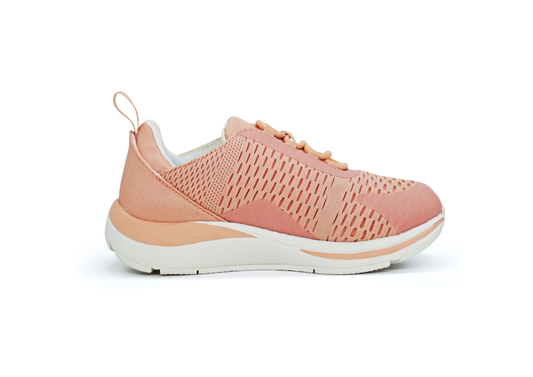
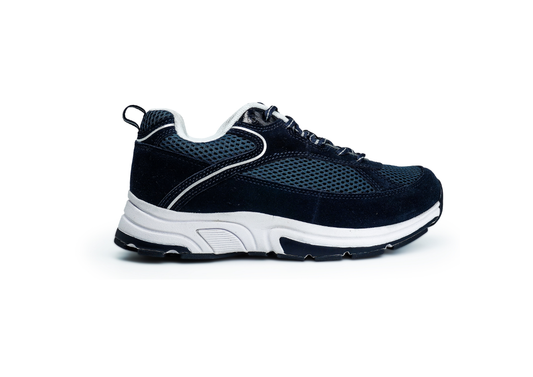

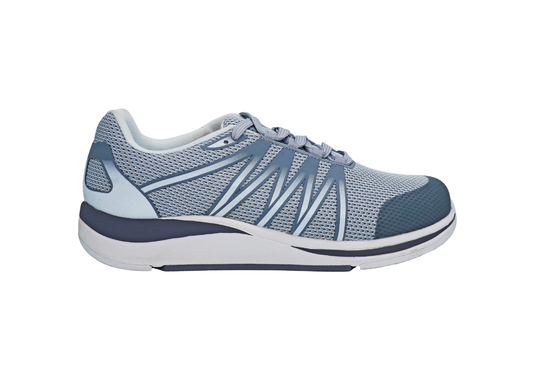

diabetic shoes
Best Diabetic Shoes: Comprehensive Guide to Foot Health and Orthopedic Footwear Benefits
By Dr. Subramanyam Balaji, Ortho Shoes Corporation
Diabetic shoes are purpose-built footwear that address the specific foot-health needs of people with diabetes. They reduce friction, offload pressure and support vulnerable feet to lower the risk of ulcers and complications from neuropathy. This guide explains why these shoes matter, what features to prioritise, and how to choose the right pair so you can protect your feet and maintain mobility.
Comprehensive Guide on Diabetic Shoes
Diabetic shoes combine clinical design elements—extra depth and width, cushioned insoles and seamless linings—to reduce pressure and shear on the skin. These features help prevent blisters, calluses and ulcers that arise from poor circulation and loss of sensation. Knowing these characteristics helps you select footwear that supports long-term foot health.
Importance of Diabetic Shoes for Foot Health
Diabetic shoes are a preventative tool. They minimise pressure points and reduce friction that can lead to ulcers. By providing proper support and fit, they also help maintain circulation and protect feet that have reduced sensation due to neuropathy. Regular use lowers the likelihood of serious, avoidable foot complications.
Key Features of Diabetic Shoes
When assessing diabetic shoes, focus on design elements that limit pressure and skin breakdown while offering stable support. These are the functional features that deliver measurable protective benefits for diabetic feet.
| Feature | Description | Benefit |
|---|---|---|
| Extra Depth and Width | Provides ample space for foot swelling and deformities | Reduces pressure on sensitive areas |
| Seamless Interiors | Eliminates friction points that can cause blisters | Enhances comfort and prevents skin irritation |
| Cushioned Insoles | Offers shock absorption and support | Reduces impact on feet during walking |
Together, these features improve comfort and reduce injury risk. For people managing diabetes, investing in appropriately designed footwear is a key component of foot-care strategy.
Selection Criteria for Diabetic Shoes
Choosing the right diabetic shoes requires attention to fit, clinical guidance and compatibility with any orthotics you use. Prioritise options that accommodate swelling, provide cushioning and allow for a secure but non-constricting fit.
- Consult a Professional: It is advisable to seek guidance from a healthcare professional or a podiatrist who can recommend suitable footwear based on individual foot conditions.
- Fit and Comfort: Ensure that the shoes fit well without being too tight or loose. A proper fit is essential to prevent blisters and other foot injuries.
- Orthotic Compatibility: If you use custom orthotics, make sure the shoes can accommodate them without compromising comfort.
Following these criteria helps you select shoes that address your specific foot structure and clinical needs, reducing the chance of complications.
Recommendations for Individuals with Diabetes
For individuals with diabetes, selecting the right footwear is crucial for maintaining foot health. Here are some recommended options:
- Orthopedic Diabetic Shoes: These shoes are specifically designed to provide support and comfort for diabetic feet, often featuring extra cushioning and arch support. Diabetic footwear options are vital for this group.
- Therapeutic Footwear: This type of footwear is designed to alleviate pressure on sensitive areas of the foot, making it ideal for those with neuropathy or foot deformities.
- Custom Orthotics: For individuals with unique foot shapes or conditions, custom orthotics can provide additional support and comfort when used in conjunction with diabetic shoes.
Ortho Shoes offers a range of clinically informed orthopedic footwear for diabetes and related conditions. Review product specifications and consult a clinician to match shoes to your needs. Explore their orthopedic footwear for options that prioritise fit and protection.
Can Non-Diabetics Wear Diabetic Shoes?
Yes. The protective design elements—extra cushioning, pressure redistribution and roomy toe boxes—benefit anyone with foot pain, poor circulation or structural issues. Non-diabetics with plantar fasciitis, arthritis or chronic foot discomfort can gain symptom relief from these features.
What Are Diabetic Shoes and How Do They Support Foot Health?
Diabetic shoes are specialised footwear engineered to reduce mechanical stress on the foot. By combining depth, cushioning and seamless construction, they protect skin integrity, lower ulcer risk and provide supportive alignment for safer walking in people with diabetes.
Understanding Diabetic Foot Conditions: Neuropathy and Ulcers Explained
Diabetic neuropathy damages sensory nerves in the feet, which reduces pain sensation and increases injury risk. Small wounds can progress to ulcers if unnoticed. Early detection, protective footwear and prompt treatment are essential to prevent infection and more serious outcomes.
Key Features of Orthopedic Diabetic Footwear: Cushioning, Pressure Relief, and Materials
Orthopedic diabetic footwear incorporates targeted cushioning to absorb shock, engineered shapes to redistribute plantar pressure, and breathable materials to maintain skin health. These elements work together to reduce irritation, support healing and lower recurrent injury risk.
- Cushioning Benefits: The use of cushioned insoles helps absorb shock and reduce impact on the feet during walking.
- Pressure Relief Mechanisms: Specialized designs distribute weight evenly across the foot, minimizing pressure on sensitive areas.
- Material Considerations: Breathable materials are often used to keep feet dry and comfortable, reducing the risk of skin irritation.
These design choices make orthopedic diabetic footwear an appropriate option for preserving foot health. A dedicated selection of women's orthopedic shoes is available for female users.
How to Choose the Best Shoes for Diabetic Feet: Expert Buying Criteria
Select footwear based on professional advice, your foot type and immediate comfort. Prioritise shoes that fit well from the first try, allow for orthotics if needed, and provide consistent support through daily activities.
- Consult a Professional: Always seek advice from a healthcare provider to ensure the chosen footwear meets your specific needs.
- Assess Foot Type: Understanding your foot type (flat, high arch, etc.) can help in selecting shoes that provide adequate support.
- Prioritize Comfort: Look for shoes that feel comfortable from the moment you try them on, as this will encourage regular use.
Using these expert criteria reduces trial-and-error and helps you choose shoes that protect skin integrity and comfort over time.
Evaluating Shoe Fit, Arch Support, and Cushioning for Neuropathy Management
Proper fit, reliable arch support and adequate cushioning are core to neuropathy management. Look for a roomy toe box, stable arch support to redistribute load, and midsole cushioning that attenuates impact without compressing the foot.
- Shoe Fit: Ensure that there is enough room in the toe box to prevent pinching and discomfort.
- Arch Support: Look for shoes that provide adequate arch support to help distribute weight evenly and reduce strain on the feet.
- Cushioning: Opt for shoes with sufficient cushioning to absorb shock and provide comfort during daily activities.
Addressing these elements reduces pressure-related injury and supports safer walking for people with sensory loss.
Affordable Diabetic Shoes in India: Balancing Quality and Cost
Finding affordable diabetic shoes means balancing clinical features with budget. Target reputable brands, compare materials and specs, and use seasonal discounts or verified online retailers to secure cost-effective, evidence-based options.
- Research Brands: Look for reputable brands that specialize in diabetic footwear, as they often offer quality products at competitive prices.
- Check for Discounts: Many retailers provide discounts or promotions on diabetic shoes, making it easier to find affordable options.
- Consider Online Shopping: E-commerce platforms often have a wider selection of diabetic shoes at various price points, allowing for better comparison.
Using these approaches helps you obtain protective footwear without compromising essential clinical features.
What Are the Benefits of Diabetic Shoes for Foot Ulcer Prevention and Comfort?
Diabetic shoes reduce friction and redistribute pressure, which lowers ulcer risk. They also support circulation and relieve focal pressure points through cushioning and design, improving comfort during daily activity.
- Preventing Ulcers: The design features of diabetic shoes help reduce friction and pressure on the feet, significantly lowering the risk of developing ulcers.
- Improving Circulation: Properly fitted diabetic shoes promote better blood flow, which is crucial for individuals with diabetes.
- Reducing Pressure Points: The cushioning and support provided by diabetic shoes help alleviate pressure on sensitive areas, enhancing comfort during daily activities.
These benefits make well-designed diabetic footwear a practical investment in long-term foot health.
Medical Evidence Supporting Diabetic Footwear in Ulcer Risk Reduction
Randomised trials and meta-analyses report that specialised therapeutic footwear reduces the incidence of diabetic foot ulcers compared with standard footwear. Systematic reviews consolidate this evidence and support footwear as a preventative intervention.
Diabetic Footwear Efficacy in Preventing Ulcers
This meta-analysis presents updated pooled results on the efficacy of special therapeutic footwear in preventing diabetic foot ulcers (Effects of special therapeutic footwear on the prevention of diabetic foot ulcers: a systematic review and meta‐analysis of randomized controlled trials, 2022).
These findings reinforce the clinical value of selecting appropriate footwear as part of a preventive foot-care plan.
User Testimonials and Clinical Recommendations for Orthopedic Shoes
Patient-reported outcomes commonly cite reduced pain and improved comfort after switching to specialised orthopedic shoes. Clinicians frequently include therapeutic footwear in comprehensive care plans to reduce complication risk and support mobility.
Which Diabetic Shoes Are Best for Neuropathy: Specialized Designs and Reviews
When managing neuropathy, shoes with enhanced cushioning, stable support and seamless interiors are most effective. Options include supportive diabetic sneakers, breathable therapeutic sandals and custom orthotic solutions for complex foot shapes.
- Ortho Shoes Diabetic Sneakers: These sneakers offer excellent cushioning and support, making them ideal for individuals with neuropathy.
- Therapeutic Sandals: Designed for breathability and comfort, these sandals provide relief for sensitive feet while allowing for easy wear.
- Custom Orthotic Shoes: For those with specific foot conditions, custom orthotic shoes can provide tailored support and comfort.
These categories cover typical clinical needs for neuropathy—choose based on fit, offloading capacity and professional advice.
Comparative Review of Diabetic Footwear Collections with Enhanced Cushioning
Comparative reviews show meaningful differences in cushioning, weight and arch support across collections. Match product attributes to your clinical priorities: superior shock absorption, lightweight construction or customizable support.
- Brand A: Offers shoes with advanced cushioning technology that provides superior shock absorption.
- Brand B: Features lightweight designs that enhance comfort without sacrificing support.
- Brand C: Provides a range of styles with customizable arch support options.
Choose the collection that best aligns with your foot mechanics and therapeutic goals.
How Diabetic Shoes Help Manage Neuropathy Symptoms Effectively
Diabetic shoes reduce localized pressure and friction that worsen neuropathy symptoms. Their cushioning and seamless interiors protect fragile skin, decrease pain from weight-bearing and support safer mobility for daily activities.
What Foot Care Tips Complement the Use of Diabetic Shoes?
In addition to wearing diabetic shoes, individuals can adopt several foot care tips to enhance their foot health:
- Daily Foot Inspections: Regularly check your feet for any signs of injury or irritation.
- Maintain Hygiene: Keep feet clean and dry to prevent infections.
- Regular Check-Ups: Schedule routine visits with a healthcare professional to monitor foot health.
Combine daily inspections, hygiene and routine clinical reviews with protective footwear to detect problems early and reduce complication risk.
Integrating Orthopedic Footwear into Comprehensive Diabetic Foot Care
Orthopedic footwear should be one element of a multidisciplinary foot-care plan that includes regular assessments, wound care and offloading strategies. Proper shoe selection supports both prevention and the healing process for plantar ulcers.
Footwear and Offloading for Diabetic Ulcer Prevention
Clinical practice commonly uses footwear and offloading techniques to prevent and heal foot ulcers in people with diabetes (Footwear and offloading interventions to prevent and heal foot ulcers and reduce plantar pressure in patients with diabetes: a systematic review, 2016).
Choosing the right shoes, performing regular foot checks and maintaining hygiene are practical steps you can take to reduce the likelihood of serious foot issues. Men looking for specialised options can review men's orthopedic shoes.
The literature also highlights that non-removable walkers are used in treating neuropathic plantar foot ulcers, indicating that specific offloading devices can be effective adjuncts to footwear therapy.
Footwear for Diabetic Neuropathic Foot Ulcer Treatment
Studies note the role of footwear and offloading—particularly non-removable walkers—in treating neuropathic plantar foot ulcers, while calling for higher-quality trials to refine recommendations (The effectiveness of footwear and offloading interventions to prevent and heal foot ulcers and reduce plantar pressure in diabetes: SA Bus, 2008).
Consider specialised collections for targeted problems: heel pain shoes for plantar heel issues and arthritis footwear for joint-related symptoms.
Frequently Asked Questions
What should I look for when trying on diabetic shoes?
Focus on fit, support and immediate comfort. Ensure the toe box allows movement, the shoe doesn’t rub, and arch support aligns with your foot. Walk for several minutes to test stability. If you use orthotics, confirm they fit without crowding the shoe.
How often should I replace my diabetic shoes?
Replace diabetic shoes every 6–12 months or sooner if cushioning, sole integrity or fit degrades. Inspect shoes regularly for worn soles, compressed midsoles or areas that no longer provide support; replace when protection declines.
Can diabetic shoes help with other foot conditions?
Yes. Because they focus on cushioning, pressure redistribution and support, diabetic shoes can relieve symptoms of plantar fasciitis, arthritis and general foot pain in people without diabetes.
Are there specific brands known for quality diabetic shoes?
Several manufacturers—such as Ortho Shoes, New Balance and Dr. Comfort—are recognised for producing therapeutic footwear. Evaluate brands by fit, materials, clinical features and user feedback to ensure they meet your clinical needs.
What are the best practices for maintaining diabetic shoes?
Keep shoes clean and dry, store them in a ventilated area, and rotate pairs to preserve cushioning. Inspect for damage regularly and replace shoes when they show significant wear to maintain protective performance.
How can I find the right size for diabetic shoes?
Measure your feet at the end of the day when swelling is greatest. Use a Brannock device or ruler to capture length and width, try shoes with the socks you’ll wear, and leave enough toe-box space. A professional fitting is ideal for precise sizing.
Are there any financial assistance programs for diabetic footwear?
Some insurance plans, including Medicare and select private insurers, may cover diabetic footwear with a prescription. Local health services and non-profits can also provide support. Check with your insurer and local resources for eligibility and documentation requirements.
