
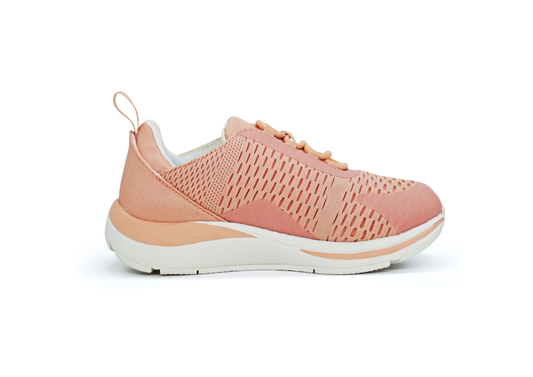
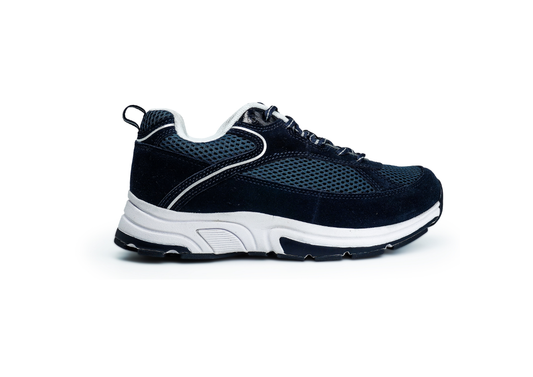

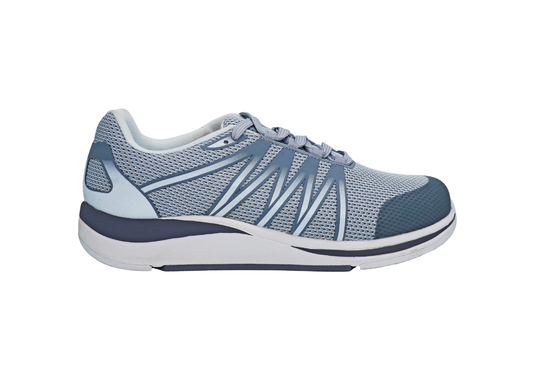

shoes with high arch support
Best Shoes with High Arch Support: Expert Guide to Orthopedic Footwear for Foot Health
By Dr. Subramanyam Balaji, Ortho Shoes Corporation
Choosing the right shoes matters when you have high arches. Poor support raises your risk of pain and secondary problems. This guide explains which shoes work best for high arches, what features to prioritise, and how footwear can improve foot health. We cover arch types, common conditions linked to high arches, and specific shoe recommendations for running, walking and daily wear so you can find a reliable fit.
What Are High Arches and How Do They Affect Foot Health?
High arches, or cavus foot, describe an arch that sits higher than average. That shape shifts weight toward the heel and forefoot. Over time this increases pressure on those areas and can cause pain. Common outcomes include plantar fasciitis and metatarsalgia. Recognising these mechanics helps you select shoes that reduce pressure and support long-term foot health.
Understanding Foot Arch Types and Their Impact on Comfort
Arches fall into three broad categories: normal, flat and high. Normal arches distribute weight evenly. Flat feet often lead to overpronation and extra strain. High arches usually cause underpronation, so the foot doesn’t roll inward enough. That limited motion raises stress on the foot. For high arches, choose shoes with targeted support and cushioning to offset that stress.
Common Foot Conditions Related to High Arches: Plantar Fasciitis and Arch Pain
Individuals with high arches are prone to several foot conditions, including:
- Plantar Fasciitis: This condition occurs when the plantar fascia, a thick band of tissue that runs across the bottom of the foot, becomes inflamed. Symptoms include sharp heel pain, especially in the morning or after prolonged sitting.
- Arch Pain: High arches can lead to excessive pressure on the arch, resulting in pain and discomfort during activities.
- Metatarsalgia: This condition involves pain in the ball of the foot, often exacerbated by high arches due to uneven weight distribution.
Understanding these conditions is crucial for making informed decisions about footwear that offers necessary support, as highlighted by clinical research on plantar fasciitis and metatarsalgia.
Plantar Fasciitis: Symptoms, Diagnosis, and Conservative Treatment Options
Plantar fasciitis (PF) is characterised by weight-bearing pain in the medial plantar heel area; metatarsalgia (MTG) causes pain on the plantar forefoot that may radiate into the toes. Reliable lifetime-prevalence figures for Germany are limited. This review summarises relevant PubMed publications, national and international guidelines, and the authors’ clinical experience. Diagnosis is commonly clinical, based on history and physical exam, without routine ancillary tests. In 90–95% of cases, conservative measures—such as stretching and fascia training, ultrasound therapy, glucocorticoid injections, radiotherapy, shoe inserts, and shock-wave therapy—provide full or adequate pain relief within one year.
Pain on the plantar surface of the foot, 2019
Understanding these conditions can help individuals make informed decisions when selecting footwear that provides the necessary support.
How Do Shoes with High Arch Support Improve Foot Function?
Shoes built for high arches improve foot function by adding cushioning and stability where the foot needs it most. Proper footwear reduces peak pressure points and helps control abnormal motion. Over time that lowers injury risk and eases daily discomfort.
- Cushioned Insoles: These help absorb shock and reduce pressure on the feet.
- Arch Support: Proper arch support helps distribute weight evenly, reducing strain on the feet.
- Heel Counters: A firm heel counter stabilizes the foot and prevents excessive movement.
By addressing the specific needs of individuals with high arches, these shoes can significantly improve comfort and overall foot health.
Ortho Shoes offers a range of orthopedic footwear designed specifically for high arches, ensuring that you can find the perfect fit for your needs. These orthopedic shoes can significantly improve comfort and overall foot health.
Key Features of Orthopedic Shoes for Arch Support and Cushioning
When selecting orthopedic shoes for high arches, consider the following key features:
- Customizable Support: Look for shoes that allow for the addition of custom orthotics for personalized support.
- Cushioned Soles: Shoes with cushioned soles provide additional comfort and shock absorption.
- Adjustable Closures: Features like Velcro straps or laces allow for a secure fit, accommodating different foot shapes.
| Feature | Description | Benefit |
|---|---|---|
| Customizable Support | Allows for orthotic inserts | Personalized comfort and support |
| Cushioned Soles | Soft, shock-absorbing materials | Reduces impact on feet |
| Adjustable Closures | Flexible fitting options | Ensures a secure fit |
This table highlights the essential features of orthopedic shoes that cater to individuals with high arches, emphasizing their importance in providing comfort and support.
Scientific Benefits of Arch Support Shoes for Pain Relief and Stability
Evidence shows that proper arch support improves weight distribution and reduces localized pressure. Supported shoes can also aid overall alignment, which lessens strain on knees and hips. Clinically, many people report lower pain in the feet, ankles and lower back when they switch to supportive footwear.
- Weight Distribution: Arch support helps distribute body weight evenly across the foot, reducing pressure points.
- Improved Alignment: Proper footwear can enhance overall body alignment, reducing strain on the knees and hips.
- Pain Relief: Many users report decreased pain levels in the feet, ankles, and lower back when wearing supportive shoes.
These scientific benefits underscore the importance of selecting the right footwear for individuals with high arches.
Which Are the Best Shoes for High Arches: Running, Walking, and Daily Use?
Match the shoe to the activity to protect your feet. For running, choose models with targeted arch support and responsive cushioning. For walking, pick shoes with steady support and soft midsoles. For daily use, opt for casual or sandal styles that combine arch support with comfort and a good fit.
- Running Shoes: Look for models that offer excellent arch support and cushioning, such as shoes designed specifically for high arches.
- Walking Shoes: Comfortable walking shoes with ample cushioning and support can help alleviate discomfort during daily activities.
- Daily Use Footwear: For everyday wear, consider stylish orthopedic sandals or casual shoes that provide the necessary support without sacrificing style.
These options ensure that individuals with high arches can find suitable footwear for their specific needs.
Top Orthopedic Running Shoes for High Arches and Plantar Fasciitis
For runners with high arches, the right shoe reduces impact and controls underpronation. Look for engineered arch supports, a responsive midsole and a stable heel section. These design elements protect the plantar fascia and improve running comfort.
- Running Shoes for High Arches: Engineered for high arches, these shoes feature advanced cushioning and arch support to enhance performance and comfort.
- Cushioned Running Shoes: Models with extra padding in the midsole can help absorb impact and reduce strain on the feet.
These running shoes are designed to provide the support needed for individuals with high arches, helping to prevent injuries and improve overall performance.
Best Walking and Casual Shoes Designed for High Arch Support
Walking and casual shoes should balance support with day-long comfort. Choose styles with built-in arch profiles and adaptable straps or laces. For warm weather, sandals with firm arch support and adjustable straps work well.
- Walking Shoes for High Arches: These shoes combine style and support, making them perfect for everyday use.
- Orthopedic Sandals: Look for sandals with adjustable straps and arch support to ensure comfort during warmer months.
These options provide the necessary support while maintaining a fashionable appearance.
How to Choose the Right Arch Support Shoes for Your Foot Condition?
Start by assessing your foot type and symptoms. If you have persistent pain, seek a podiatrist’s assessment. Try shoes on and walk in them to check comfort, support and fit. Prioritise models that accept custom orthotics if you need personalised correction.
- Assess Your Foot Type: Determine whether you have high arches, flat feet, or a neutral arch to find the best support.
- Consult Professionals: Seek advice from podiatrists or footwear specialists to ensure you choose the right shoes for your condition.
- Try Before You Buy: Always try on shoes and walk around to ensure they fit comfortably and provide adequate support.
These steps can help you make an informed decision when selecting footwear for high arches.
Evaluating Shoe Fit, Arch Type, and Cushioning Materials
When you evaluate shoes, check for a secure but comfortable fit, confirmed arch support and high-quality cushioning materials. A well-designed midsole and stable heel counter indicate good shock absorption and control for high arches.
- Fit: Ensure the shoes fit snugly without being too tight, allowing for some movement.
- Arch Type: Choose shoes that cater specifically to high arches for optimal support.
- Cushioning Materials: Look for shoes made with high-quality cushioning materials that provide comfort and shock absorption.
These considerations are essential for finding the right footwear that meets your needs.
Role of Custom Orthotic Insoles and High Arch Insoles for Shoes
Custom orthotics add personalised support that off-the-shelf shoes often lack. They match your foot’s contours and correct pressure points. High-arch insoles are shaped to fill the vaulted area and improve load distribution. Used together with supportive shoes, they reduce pain and restore function.
What Are the Benefits of Specialized Orthopedic Shoes for Arch Pain?
Specialized orthopedic shoes offer numerous benefits for individuals experiencing arch pain, including:
- Pain Relief: These shoes are designed to alleviate discomfort associated with high arches.
- Improved Alignment: Proper footwear can enhance body alignment, reducing strain on the feet and the heel pain.
- Enhanced Comfort: Orthopedic shoes often feature cushioned insoles and arch support, providing a comfortable fit throughout the day.
These benefits make orthopedic shoes a valuable investment for those suffering from arch pain.
Relief from Foot Pain and Prevention of Further Injury
Wearing properly supportive shoes reduces abnormal stresses and helps prevent new injuries. Good footwear also speeds recovery from existing pain by lowering pressure and improving gait. This practical approach supports mobility and daily function.
Doctor Recommendations and Research-Backed Footwear Solutions
Many healthcare professionals recommend orthopedic shoes for individuals with high arches. Research supports the use of specialized footwear to alleviate pain and improve foot function. Consulting with a podiatrist can provide valuable insights into the best footwear options for your specific needs.
Where to Find Quality Orthopedic Shoes with High Arch Support in India?
Finding quality orthopedic shoes is essential for individuals with high arches. Consider the following options:
- Ortho Shoes: This Indian orthopedic footwear brand specializes in therapeutic shoes designed to address various foot conditions, including high arches.
- Local Retailers: Many local stores offer a selection of orthopedic shoes, allowing you to try them on for the best fit.
These options ensure that you can find the right shoes to support your foot health.
Overview of Ortho Shoes Collections: Men’s, Women’s, Diabetic, and Arthritis Footwear
Ortho Shoes offers a diverse range of collections tailored to meet the needs of various individuals:
- Men’s Collection: Features stylish and supportive shoes designed for everyday wear.
- Women’s Collection: Offers fashionable options that prioritize comfort and support.
- Diabetic Footwear: Specially designed to accommodate the unique needs of diabetic patients.
- Arthritis Footwear: Provides additional cushioning and support for individuals with arthritis.
These collections ensure that everyone can find the right footwear to support their foot health.
How to Use Online Resources and Customer Reviews to Select the Best Shoes
Use online reviews and expert guidance to vet models before you buy. Look for consistent feedback on fit, durability and support. Seek advice from podiatrists and verified specialists when possible. Comparison sites can help you narrow choices by feature and price.
- Product Reviews: Read customer feedback to gauge the comfort and effectiveness of specific shoe models.
- Expert Recommendations: Seek advice from podiatrists or footwear specialists available online.
- Comparison Sites: Use websites that compare different shoe options to find the best fit for your needs.
These resources can help you make an informed decision when purchasing orthopedic shoes.
Frequently Asked Questions
1. What should I look for when buying shoes for high arches?
When purchasing shoes for high arches, prioritise arch support, cushioning and stability. Choose cushioned insoles that absorb shock and a firm heel counter to stabilise the rearfoot. If you need targeted correction, select shoes that accept custom orthotics for a tailored fit.
2. Can I use regular insoles in shoes designed for high arches?
Yes, regular insoles can be used if they offer suitable arch support. For better results, consider custom orthotic insoles made for high arches. They conform to your foot shape and improve pressure distribution. When in doubt, consult a podiatrist for a recommendation.
3. How often should I replace my orthopedic shoes?
Replace orthopedic shoes every 6 to 12 months, depending on wear and usage. Replace them sooner if you see sole wear, loss of cushioning or reduced support. New or recurring pain can also signal that the shoes no longer provide adequate support.
4. Are there specific brands known for high arch support shoes?
Yes. Brands such as Asics, Brooks, New Balance and Saucony are known for running and walking shoes with good arch support. For specialised orthopedic designs, consider brands like Ortho Shoes. Always review product specifications and customer feedback for confirmation.
5. Can high arch support shoes help with conditions like plantar fasciitis?
Yes. Proper arch support and cushioning reduce stress on the plantar fascia and can lower pain levels. Choose shoes that stabilise the heel and distribute load across the foot to get the best clinical benefit.
6. Is it necessary to consult a podiatrist before buying orthopedic shoes?
It’s not mandatory, but consulting a podiatrist is strongly recommended if you have persistent pain or complex foot issues. A professional assessment identifies your arch type, recommends suitable footwear and advises on custom orthotics when needed.
7. How can I ensure a proper fit for orthopedic shoes?
Measure your feet at the end of the day when they are most swollen. Try shoes with the socks you plan to wear and walk for several minutes. Look for a snug fit without tightness and confirm adequate arch support and cushioning. If available, ask a footwear specialist for a fitting.
