
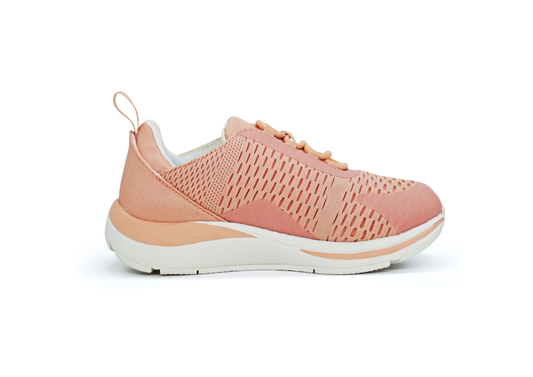
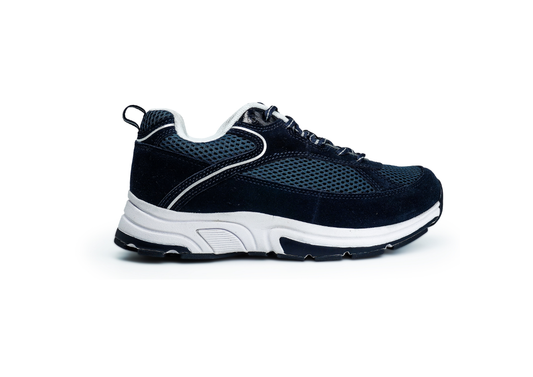

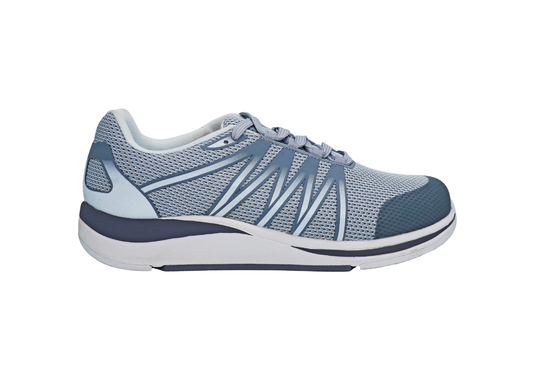

comfortable mens
Comfortable Men's Orthopedic Shoes: Expert Guide to Foot Pain Relief and Support
By Dr. Subramanyam Balaji, Ortho Shoes Corporation
Choosing appropriate footwear is a key step in protecting foot health, particularly for men who experience persistent discomfort. Orthopedic shoes are engineered to support foot structure, reduce pain, and improve daily function. This guide outlines the core features of orthopedic footwear, clinical and professional recommendations, and the practical benefits users can expect. We will explain who benefits most from these shoes and highlight recent developments in the category.
Comprehensive Guide on Comfortable Men's Orthopedic Shoes
Orthopedic shoes are purpose-built to support the foot’s anatomy and reduce symptoms from common foot disorders. They are indicated for people who need extra support because of deformities, chronic pain, or medical conditions that affect the feet. Proper comfort and support can improve mobility and quality of life. Men who stand for long periods or perform physical work often see measurable benefit from orthopedic footwear.
Key Features to Look For
When selecting orthopedic shoes, several key features should be considered to ensure maximum comfort and support:
- Anatomical Arch Support: Proper arch support helps distribute weight evenly and reduces strain on the feet.
- Cushioned and Shock-Absorbing Soles: These features provide comfort and reduce impact during walking or standing.
- Supportive Heel Counters: A firm heel counter stabilizes the foot and prevents excessive movement, which can lead to pain.
These components combine to stabilise the foot, reduce mechanical stress, and create a safer, more comfortable environment for daily activity.
Expert Recommendations
Consulting a podiatrist is advised when choosing orthopedic shoes. A clinician can assess your foot mechanics and recommend fit, features, or custom orthotics that address specific issues. Proper fitting is essential: the correct size and adjustments directly affect comfort and therapeutic effect.
Benefits of Orthopedic Footwear
Orthopedic shoes deliver several measurable benefits that can improve daily function for people with foot pain. Key advantages include:
- Pain Relief for Various Conditions: Orthopedic shoes can alleviate discomfort associated with conditions like plantar fasciitis, arthritis, and diabetic foot issues.
- Improved Foot Health: By providing proper support and alignment, these shoes can help prevent further complications and promote overall foot health.
- Versatility for Different Activities: Many orthopedic shoes are designed for various activities, from casual wear to sports, ensuring that individuals can find suitable options for their lifestyle.
Specialist suppliers, such as OrthoShoes, focus on models that combine therapeutic features with everyday comfort to address a range of foot health needs.
Who Needs Orthopedic Shoes?
Orthopedic shoes are beneficial for a wide range of individuals, including:
- Individuals with Chronic Foot Pain: Those suffering from persistent pain can find relief through supportive footwear.
- People with Foot Deformities: Conditions such as bunions or flat feet can be managed with the right shoes.
- Individuals with Systemic Medical Conditions: Diabetes and arthritis patients often require specialized footwear to maintain foot health.
Recognising who will benefit helps prioritise foot care and select shoes that address specific mechanical or medical needs.
What Are Men's Orthopedic Shoes and Their Benefits?
Men's orthopedic shoes are engineered to correct or accommodate foot biomechanics while delivering comfort and durability. They typically use supportive constructions and advanced materials to improve alignment, reduce pain, and restore mobility. Investing in appropriately designed footwear can lead to measurable improvements in daily function and well-being.
How Do Orthopedic Shoes Improve Foot Comfort and Health?
Orthopedic shoes support foot comfort and health through targeted design: anatomical shaping to support the foot’s arches, shock‑absorbing cushioning to lower impact forces, and breathable materials to control temperature and moisture. Together, these elements reduce local pressure and help protect vulnerable tissues.
Which Foot Conditions Do Men's Orthopedic Shoes Address?
Men's orthopedic shoes are effective in addressing various foot conditions, including:
- Plantar Fasciitis: A common cause of heel pain, often alleviated by proper arch support.
- Heel Spurs: Orthopedic shoes can help reduce pressure on the heel, providing relief.
- Diabetes-Related Foot Issues: Specialized footwear can prevent complications associated with diabetes.
These designs target the mechanical causes of symptoms so patients can find symptom relief. For diabetes-related concerns, footwear with appropriate protection and fit is especially important; see diabetic footwear options.
Which Features Make Men's Shoes Comfortable and Supportive?
Several features contribute to the comfort and support of men's orthopedic shoes:
- Material Quality: High-quality materials enhance durability and comfort.
- Cushioning: Adequate cushioning helps absorb shock and reduce fatigue.
- Arch Support: Proper arch support is essential for maintaining foot alignment and preventing pain.
These design elements work together to maintain alignment, reduce fatigue, and protect tender areas during activity.
What Role Does Arch Support Play in Men's Orthopedic Footwear?
Arch support is central to orthopedic shoe function. It realigns the foot, lowers strain on muscles and ligaments, and reduces abnormal loading. Proper arch support can relieve pain for people with flat feet or high arches by restoring a more neutral foot posture.
How Do Cushioning and Breathable Materials Enhance Comfort?
Cushioning reduces impact forces transmitted to joints and soft tissues, while breathable uppers control temperature and moisture to prevent irritation. Together, these features improve all-day comfort and reduce the risk of secondary problems caused by heat or friction.
How to Choose the Best Orthopedic Shoes for Men with Foot Pain?
Choosing the best orthopedic shoes involves several considerations:
- Key Features to Look For: Ensure the shoes have adequate arch support, cushioning, and a proper fit.
- Recommended Brands: Look for reputable brands known for their orthopedic footwear.
- Fitting Tips: Always try on shoes at the end of the day when feet are slightly swollen to ensure a proper fit.
Follow these practical steps and consult a clinician when in doubt to select shoes that will effectively reduce pain and support daily activity.
What Factors Should You Consider When Selecting Men's Orthopedic Shoes?
When selecting men's orthopedic shoes, consider the following factors:
- Fit and Comfort: Ensure the shoes fit well and provide adequate comfort.
- Material Quality: Look for durable materials that offer support and breathability.
- Specific Features: Identify any specific features that cater to your foot condition.
Assess fit, materials and targeted features to ensure the footwear matches your clinical and lifestyle needs.
How to Find the Right Size and Fit for Maximum Comfort?
Finding the right size and fit is crucial for maximizing comfort in orthopedic shoes. Here are some tips:
- Measuring Foot Size: Measure both feet, as they may differ in size.
- Understanding Shoe Fit: Ensure there is enough room in the toe box and that the heel fits snugly.
- Professional Fitting: Consider visiting a specialist for a professional fitting to ensure the best fit.
A correct fit reduces hotspots, prevents slippage, and allows supportive features like arch moulds or orthotics to perform as intended.
What Are the Best Orthopedic Shoes for Specific Foot Conditions?
When it comes to specific foot conditions, certain orthopedic shoes are recommended:
Which Men's Shoes Are Recommended for Heel Pain and Plantar Fasciitis?
For heel pain and plantar fasciitis, look for shoes that offer:
- Adequate Arch Support: Essential for alleviating pressure on the heel.
- Cushioned Insoles: Help absorb shock and reduce discomfort.
- Stability Features: Ensure the foot remains stable during movement.
These features are critical for managing heel pain effectively. Shoes designed for heel pain are particularly beneficial.
Clinical studies indicate that combining prefabricated orthotics with orthotic sandals can extend symptom relief for plantar fasciitis by supporting the foot when conventional shoes are not worn.
Orthotics and Orthotic Sandals for Plantar Fasciitis Relief
BACKGROUNDPlantar fasciitis (PF) affects around 10% of the population. Prefabricated orthotics with arch support has been shown to provide symptom relief in PF by decreasing the repetitive stress sustained by the plantar fascia. However, prefabricated orthotics are only effective when shoes are worn, meaning the foot may be left unsupported when it is impractical to wear shoes. Using orthotic sandals in conjunction with prefabricated orthotics may increase PF symptom relief, as they can be worn inside the home, extending the period in which the foot is supported.
Use of orthotics with orthotic sandals versus the sole use of orthotics for plantar fasciitis: Randomised controlled trial, 2023
What Are the Top Choices for Diabetic and Arthritis Foot Care?
For diabetic and arthritis patients, the best orthopedic shoes should include:
- Wide Toe Boxes: To accommodate foot swelling and prevent pressure points.
- Soft, Flexible Materials: To reduce irritation and enhance comfort.
- Non-Slip Soles: To provide stability and prevent falls.
These design priorities help protect fragile skin, reduce pressure-related wounds, and improve balance for people with systemic conditions.
Although orthotic devices are widely used for plantar fasciopathy and foot pain, ongoing research aims to strengthen the evidence base and clarify which devices work best in clinical practice.
Orthotic Devices for Plantar Fasciopathy and Foot Pain
Plantar fasciopathy is a common cause of foot pain, accounting for 11 to 15 % of all foot symptoms requiring professional care in adults. Although many patients have complete resolution of symptoms within 12 months, many patients wish to reduce this period as much as possible. Orthotic devices are a frequently applied option of treatment in daily practice, despite a lack of evidence on the effectiveness.
… -study: the (cost) effectiveness of custom made orthotic insoles in the treatment for plantar fasciopathy in general practice and sports medicine: design of a randomized …, 2016
How Do Customer Experiences Reflect the Comfort of Men's Orthopedic Shoes?
Customer feedback commonly highlights reduced pain and improved day-to-day function after switching to orthopedic shoes. Many users report they can stand or walk longer with less discomfort. These outcomes support the role of supportive footwear as part of a broader foot‑care plan.
What Do Users Say About Pain Relief and Daily Wear Comfort?
Users often note meaningful pain reduction and the ability to wear shoes for extended periods without new discomfort. This consistent feedback emphasises the value of selecting well‑fitted, purpose‑designed footwear for long‑term foot health.
How Have Orthopedic Shoes Improved Mobility and Lifestyle?
By reducing pain and providing stability, orthopedic shoes enable many users to resume activities they previously avoided. Improved mobility can translate into greater independence and better overall quality of life.
What Are the Latest Innovations in Men's Comfortable Orthopedic Footwear?
The orthopedic footwear sector continues to innovate, introducing technologies that enhance comfort, fit, and function. Recent developments include:
- Smart Insoles: These insoles can monitor foot pressure and provide real-time feedback to users.
- Sustainable Materials: Many brands are now using eco-friendly materials in their shoe production.
- Pressure Sensors: These technologies help in understanding foot health and improving shoe design.
These advances demonstrate the industry’s focus on improving clinical outcomes through better data and more sustainable production practices.
How Are Smart Insoles and Pressure Sensors Enhancing Foot Health?
Smart insoles and pressure sensors collect objective data on pressure distribution and gait. That data helps clinicians and users identify problematic loading patterns and select or adjust footwear and orthotics for better outcomes.
What Sustainable Materials Are Used in Modern Orthopedic Shoes?
Sustainability is being incorporated into orthopedic production. Brands increasingly use materials like recycled plastics and organic cotton, which reduce environmental impact while retaining comfort and durability. This shift benefits users and the environment.
Frequently Asked Questions
What should I consider when transitioning to orthopedic shoes?
Allow your feet time to adapt to new support. Start with short wear periods and increase time gradually. Monitor for pressure points and consult a podiatrist if pain or unusual symptoms appear. Confirm the fit and support match your specific foot condition.
Can orthopedic shoes be stylish and functional at the same time?
Yes. Many manufacturers now combine therapeutic features with contemporary designs. Look for brands that balance aesthetics and support so you do not need to choose between style and foot health.
How often should I replace my orthopedic shoes?
Replace orthopedic shoes every 6 to 12 months depending on use and wear. Replace sooner if the soles show visible wear, cushioning is lost, or support diminishes. Regular checks help prevent recurrence of symptoms.
Are there specific brands known for high-quality orthopedic shoes?
Yes. Brands such as OrthoShoes, New Balance, and Brooks are frequently recommended for their focus on support, cushioning, and durability. Compare models and consult reviews or a clinician to find the best match for your condition.
Can I use custom orthotics with my orthopedic shoes?
Absolutely. Custom orthotics often improve the therapeutic effect by matching the shoe to your foot shape and pathology. Many orthopedic shoes are built to accept orthotics; consult a podiatrist to confirm compatibility.
What are the benefits of wearing orthopedic shoes during physical activities?
Orthopedic shoes provide targeted support, cushioning, and stability during exercise. They can reduce injury risk, decrease fatigue, and allow people with foot conditions to participate in activities with less pain.
How do I maintain my orthopedic shoes for longevity?
Follow the manufacturer’s cleaning instructions, avoid excessive heat or moisture, rotate pairs to allow recovery time, and store shoes in a cool, dry place. Inspect them regularly and replace when support or cushioning degrades.
