


mens shoes for walking all day
Men's Shoes for Walking All Day: Orthopedic Comfort, Support, and Pain Relief
By Dr. Subramanyam Balaji, Ortho Shoes Corporation
Choosing the right shoes for all‑day walking matters for foot health and daily comfort. Many people develop pain or discomfort after long periods of standing or walking, which can limit activity. This guide examines men’s walking shoes with a focus on orthopedic comfort, support systems, and pain relief. It explains how to choose shoes, why lightweight design matters, and how orthopedic features can help manage common foot conditions. By the end, you’ll understand what to look for and how the right shoe improves everyday comfort.
Orthopedic Comfort Features
Orthopedic shoes include targeted comfort features for people who spend long hours on their feet. Typical elements are structured arch support, cushioned shock‑absorbing soles, and a roomy toe box. Arch support helps preserve foot alignment and reduces strain on the feet and lower back. Cushioned soles absorb impact to increase comfort. A roomy toe box allows natural toe movement and helps prevent blisters.
For those seeking high‑quality orthopedic options, Ortho Shoes offers models that integrate these essential comfort features. Their designs prioritize foot health so wearers can undertake long walks with reduced discomfort.
Support Mechanisms
Support mechanisms in orthopedic shoes enhance comfort and stability through multiple design elements. Many models include adjustable or customizable support, durable construction, and cushioned midsoles that work together to secure the foot. Customizable support lets users adapt the fit to their foot shape and needs.
Durable construction improves longevity, making orthopedic shoes a practical investment for daily use. Cushioned soles also reduce fatigue on extended walks, which helps people who are on their feet for long periods.
Pain Relief Benefits
Wearing orthopedic shoes can reduce common sources of foot pain. Combining arch support and cushioning helps redistribute weight and lower pressure on painful areas. This design approach provides targeted relief for conditions such as plantar fasciitis and heel pain.
Improved alignment is another key benefit. By promoting proper foot positioning, orthopedic shoes can help prevent related complications. For individuals with specific needs, such as diabetic foot or arthritis, these shoes offer tailored support that can enhance mobility and daily function.
Frequently Asked Questions
What are the signs that I need orthopedic walking shoes?
If you have persistent foot pain, discomfort while walking, or fatigue after long periods of standing, consider orthopedic walking shoes. Other signs include trouble finding comfortable fits, frequent blisters, or conditions such as plantar fasciitis or arthritis. Orthopedic shoes provide the support and cushioning needed to relieve these problems and improve day‑to‑day comfort.
How often should I replace my walking shoes?
Replace walking shoes every 300 to 500 miles, depending on construction and walking habits. Look for visible sole wear, reduced cushioning, or increased discomfort—these indicate it’s time for a new pair. Monitoring mileage or inspecting wear helps maintain optimal support and reduce injury risk.
Can I use orthopedic shoes for activities other than walking?
Yes. Orthopedic shoes are suitable for many low‑to‑moderate activities, including light jogging, casual outings, and prolonged standing. Their arch support and cushioning make them versatile. For high‑impact sports or specialised needs, consult a footwear specialist to confirm the best shoe type.
Are orthopedic shoes stylish, or do they look bulky?
Modern orthopedic shoes have evolved significantly and now offer a range of styles that balance comfort and appearance. Many brands provide colour and material options so you can find footwear that meets both aesthetic preferences and biomechanical needs.
How do I properly care for my orthopedic walking shoes?
To extend the life of orthopedic walking shoes, clean and maintain them regularly. Remove dirt with a soft brush or cloth and use mild soap and water for deeper cleaning. Air‑dry away from direct heat sources. Rotate between pairs to reduce wear and replace insoles when cushioning declines.
What should I look for in insoles for orthopedic shoes?
Choose insoles that offer reliable arch support, cushioning, and shock absorption. Materials such as gel or foam balance comfort and durability. Customisable insoles allow a tailored fit for specific foot shapes. Consult a podiatrist to select insoles that best enhance comfort and function.
Investing in orthopedic walking shoes supports comfort and long‑term foot health. The right pair promotes proper alignment and reduces the risk of foot‑related pain. With suitable shoes, daily walking becomes more comfortable and less taxing.
What Are the Key Features of Comfortable Walking Shoes for Men?
When choosing comfortable walking shoes, prioritise features that deliver support and reduce impact. Focus on arch support, cushioning, and a wide toe box.
- Arch Support: Essential for maintaining foot alignment and reducing strain.
- Cushioning: Provides shock absorption to minimize impact on joints.
- Wide Toe Box: Allows for natural toe movement and prevents discomfort.
These features help ensure walking shoes can accommodate individual needs, especially for people who walk long distances regularly.
Research suggests that well‑fitted, lightweight shoes with soft midsoles are generally perceived as most comfortable, supporting the importance of fit, cushioning and low weight in shoe design.
Footwear Comfort: Design Features for Optimal Walking Shoes
The available evidence is fragmented across study designs and assessment methods, which limits strong clinical conclusions. Broadly, three points emerge: (i) simple visual analogue scales can provide a reliable overall assessment of comfort; (ii) well‑fitted, lightweight shoes with soft midsoles and curved rocker‑soles are generally perceived to be most comfortable; and (iii) the influence of sole flexibility, shoe microclimate and insoles is less clear and likely varies by population, setting and task being performed.
Footwear comfort: a systematic search and narrative synthesis of the literature, HB Menz, 2021
How Does Arch Support Enhance All-Day Walking Comfort?
Arch support improves all‑day walking comfort by supporting the foot's arch and distributing weight more evenly. This reduces localized pressure and lowers fatigue during prolonged walking. Proper arch support also contributes to improved alignment of the lower limb, which can reduce strain on the knees, hips and lower back.
Why Is Lightweight Design Crucial for Men's Walking Sneakers?
Lightweight design reduces energy expenditure and lowers fatigue on long walks. Lighter materials increase flexibility and allow more efficient movement. For people who stand or walk for extended periods, a lighter shoe improves endurance and comfort.
How Do Orthopedic Walking Shoes Address Common Foot Pain Conditions?
Orthopedic walking shoes address common foot pain with anatomical arch support, cushioned midsoles, and supportive heel counters. Arch contours maintain correct foot posture. Cushioned midsoles absorb shock to reduce impact. Heel counters stabilise the rearfoot and limit excessive motion that can cause discomfort.
What Role Do Shoes Play in Relieving Plantar Fasciitis and Heel Pain?
Shoes help relieve plantar fasciitis and heel pain by combining arch support and heel cushioning. Arch support reduces tension on the plantar fascia. Cushioned soles absorb shock and minimise repetitive impact to the heel. Shoes designed with both features provide targeted relief for heel‑related conditions.
How Can Orthopedic Shoes Help Manage Diabetic Foot and Arthritis?
Orthopedic shoes assist people with diabetic foot and arthritis by reducing friction, accommodating swelling and absorbing shock. Seamless interiors minimise irritation. A non‑constricting fit and shock‑absorbing soles protect vulnerable tissues and support safer mobility.
Which Durable Walking Shoes Offer the Best Value for Men in India?
When evaluating durable walking shoes that offer good value in India, certain models stand out for their blend of durability and support.
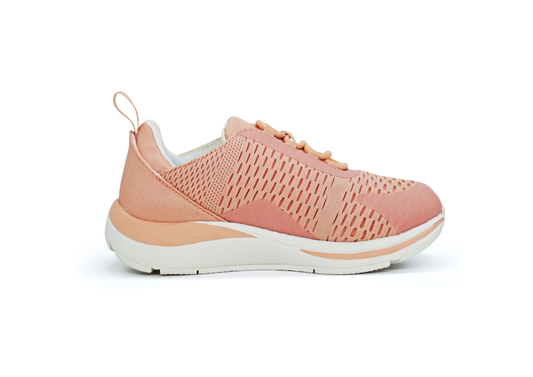
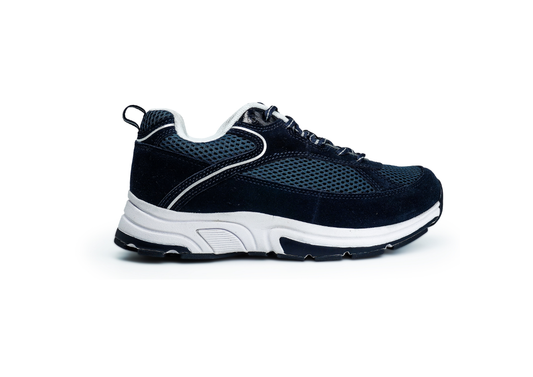
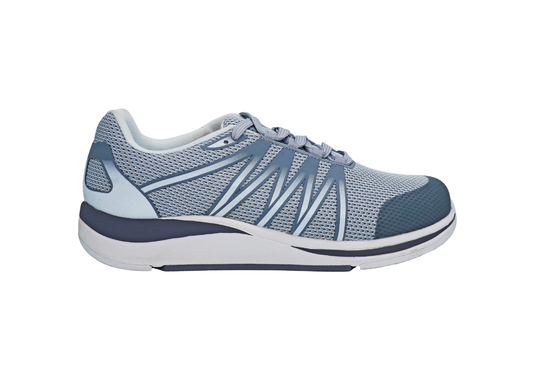
- PLAYER Orthopedic Athletic Shoes - ₹10,795
- STABLE Orthopedic Walking Shoes - ₹10,795
- AARON Orthopedic Athletic Shoes - ₹11,695
These models combine durable construction, comfort and orthopedic features, making them suitable for daily walking needs.
How Does Affordability Combine with Quality in Ortho Shoes' Men's Collection?
Ortho Shoes balances affordability and quality by offering competitive prices without removing core orthopedic features. Their collection aims to deliver value while maintaining the support required for foot health.
What Materials and Construction Ensure Long-Lasting Walking Shoes?
The materials and construction determine a walking shoe's durability. Quality uppers such as full‑grain leather offer breathability and longevity. An EVA midsole provides cushioning and shock absorption. A stable heel counter adds rearfoot support. Together, these elements help shoes withstand daily wear while protecting the foot.
How to Choose the Best Men's Shoes for Walking All Day?
Choose shoes by checking fit, support and material quality.
- Fit and Comfort: Ensure the shoes fit well and provide adequate comfort for long periods.
- Arch Support: Look for shoes with proper arch support to maintain foot alignment.
- Material Quality: Select shoes made from durable materials that offer breathability and support.
Focusing on fit, arch support and material quality helps you find walking shoes that meet your needs and enhance comfort.
What Factors Should You Consider When Selecting Orthopedic Walking Shoes?
When selecting orthopedic walking shoes, prioritise fit, arch support and cushioning to ensure the shoe matches your foot's needs.
- Fit: Ensure the shoes fit snugly without being too tight.
- Arch Support: Look for shoes that provide adequate arch support for your foot type.
- Cushioning: Choose shoes with sufficient cushioning to absorb shock and reduce impact.
These factors are essential to ensure orthopedic shoes effectively support foot health and reduce discomfort.
How to Match Shoe Features to Specific Foot Health Needs?
Match shoe features to your specific condition. Flat feet often benefit from enhanced arch support, while high arches may require extra cushioning. Bunion‑friendly designs accommodate a wider forefoot. A firm heel counter improves stability for those with ankle instability. Selecting features aligned with your needs improves comfort and function.
What Do Customers Say About Ortho Shoes Men's Orthopedic Walking Collection?
Customer feedback on Ortho Shoes' men's collection frequently highlights comfort and support. Many users report reduced foot pain and improved mobility. Durability and value are common positive themes, with customers noting the shoes retain their supportive properties under daily use.
Where Can You Find Expert Guidance and Support for Men's Orthopedic Shoes?
For expert guidance on men's orthopedic shoes, consult podiatrists or footwear specialists. These professionals provide personalized recommendations based on individual foot health needs. Additionally, online resources and forums offer insights and user reviews to help inform your choice.
