
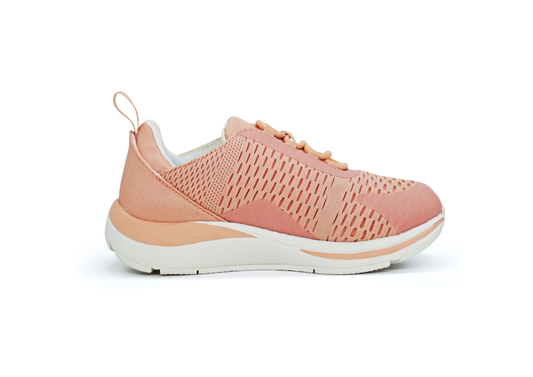
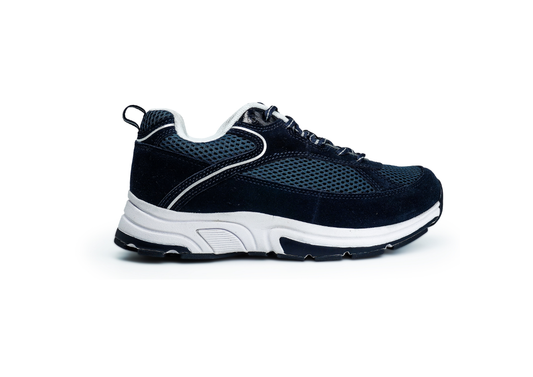

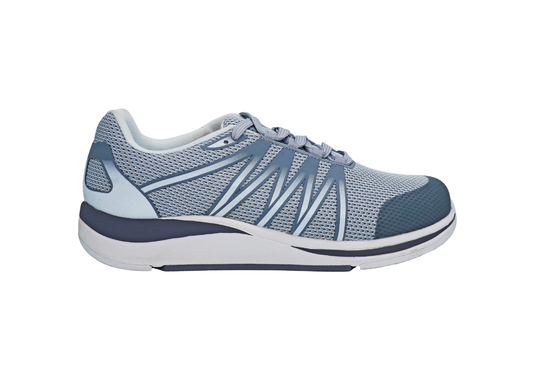

comfortable shoes
Comfortable Shoes: Expert Guide to Orthopedic Footwear for Foot Health and Daily Comfort
By Dr. Subramanyam Balaji, Ortho Shoes Corporation
Choosing the right footwear is a core step in protecting foot health and preserving comfort, especially for people who stand or walk for long periods. Comfortable, supportive shoes reduce pain and lower the risk of common foot problems. This guide explains how orthopedic footwear works, the features to prioritise for conditions such as plantar fasciitis, and practical tips for selecting shoes for prolonged standing. With clear information, you can choose footwear that supports mobility and improves daily comfort.
Research highlights that footwear comfort depends on shoe design, individual anatomy, and the activity being performed.
Understanding Footwear Comfort: Design, Function, and Individual Needs
Footwear comfort is a multifaceted concept shaped by structural and functional design, the demands of the task, and anatomical and physiological differences between people. Current evidence indicates that more research is needed to isolate how specific shoe features contribute to comfort and to clarify how those features interact with individual physiology.
Shoes protect the foot from injury and support efficient, pain‑free movement across daily, occupational, recreational, and sporting tasks. Choice of footwear is influenced by economic, cultural and functional factors, with comfort frequently cited as a primary concern.
Footwear comfort: a systematic search and narrative synthesis of the literature, HB Menz, 2021
Expert Guide on Orthopedic Footwear for Foot Health and Daily Comfort
Orthopedic footwear is engineered to support foot structure and reduce discomfort from common conditions. These shoes combine targeted support, cushioning and stability to relieve pain and improve gait. Comfort matters because it affects your mobility and daily function. Selecting appropriately constructed orthopedic shoes can reduce symptoms and help prevent further foot problems.
Definition of Comfortable Orthopedic Shoes
Comfortable orthopedic shoes are purpose-built to provide therapeutic support and reduce mechanical stress on the foot. Typical design elements include arch support, shock‑absorbing cushioning and a roomy toe box. These features promote proper alignment, lower pressure on vulnerable areas and make shoes suitable for everyday use by people with chronic foot conditions.
Role in Alleviating Conditions like Plantar Fasciitis
Orthopedic shoes help manage plantar fasciitis by combining arch support and cushioning to decrease load on the plantar fascia. Good arch support redistributes weight across the foot. Cushioning absorbs shock during walking. Together, these features reduce strain on the ligament that runs from heel to toes, easing pain and supporting recovery. Wearing orthopedic shoes can therefore improve comfort and mobility for people with plantar fasciitis.
Plantar fasciitis affects about 10% of people; orthotics and orthotic sandals can reduce stress on the plantar fascia and relieve symptoms.
Orthotics and Orthotic Sandals for Plantar Fasciitis Relief
Plantar fasciitis (PF) affects roughly 10% of the population. Studies show prefabricated orthotics with arch support can reduce repetitive stress on the plantar fascia and provide symptom relief. A limitation is that prefabricated orthotics work only when shoes are worn, leaving the foot unsupported at home. Combining orthotics with orthotic sandals extends support during times when regular shoes are impractical, which may increase symptom relief.
Use of orthotics with orthotic sandals versus the sole use of orthotics for plantar fasciitis: Randomised controlled trial, 2023
Key Features to Consider When Selecting Shoes for Prolonged Standing
When you need shoes for long periods of standing, focus on features that preserve alignment, absorb impact and deliver stable support. These attributes reduce fatigue and lower injury risk.
- Arch Support: Proper arch support is crucial for maintaining foot alignment and reducing fatigue.
- Cushioning and Shock Absorption: Adequate cushioning helps absorb impact, reducing stress on the feet and joints.
- Durability and Stability: Shoes should be made from high-quality materials that provide stability and withstand daily wear.
Choosing shoes that combine these elements will make standing more comfortable and sustainable over longer shifts.
| Feature | Description | Importance |
|---|---|---|
| Arch Support | Provides stability and alignment | Reduces foot fatigue |
| Cushioning | Absorbs shock and impact | Prevents joint pain |
| Durability | High-quality materials | Ensures long-lasting comfort |
Prioritising these features—support, cushioning and durable construction—produces measurable improvements in comfort for people who stand for extended periods.
Who Needs Orthopedic Shoes?
Orthopedic shoes suit a broad range of people. They are particularly helpful for individuals with chronic foot pain, structural deformities or those recovering from injury. The right footwear reduces pain and supports rehabilitation.
- Individuals with Chronic Foot Pain: Those suffering from conditions like arthritis or plantar fasciitis can find relief through supportive footwear.
- People with Foot Deformities: Individuals with bunions, hammertoes, or other deformities benefit from the extra space and support provided by orthopedic shoes.
- Those Recovering from Injuries: After foot or ankle injuries, orthopedic shoes can aid in recovery by providing the necessary support and cushioning.
For people in these groups, investing in quality orthopedic shoes can improve daily comfort and mobility.
What Are Comfortable Orthopedic Shoes and How Do They Support Foot Health?
Comfortable orthopedic shoes deliver clinical benefits that support foot health. Common features address alignment, pressure distribution and shock absorption to reduce pain and improve function.
Defining orthopedic shoes and their role in foot comfort
Orthopedic shoes are engineered to manage specific foot conditions. They incorporate targeted support and cushioning to relieve pain and promote a more natural foot position. Designs prioritise stability and pressure relief for people with diagnosed foot issues.
Key Features of Orthopedic Shoes:
The essential features of orthopedic shoes include:
- Arch Support: Helps maintain proper foot alignment.
- Cushioning: Provides shock absorption to reduce impact.
- Roomy Toe Box: Allows for natural toe movement and reduces pressure.
Combined, these design elements reduce mechanical stress on the foot and enhance comfort during routine activities.
Benefits for Foot Health:
Orthopedic shoes offer several benefits for foot health, including:
- Pain Relief: Alleviate discomfort associated with various foot conditions.
- Prevention of Complications: Help prevent further issues by providing necessary support.
- Support for Mobility: Enhance overall mobility and comfort during daily activities.
Examples of Conditions Benefited by Orthopedic Shoes:
Orthopedic shoes can benefit individuals suffering from conditions such as:
- Plantar Fasciitis: Provides arch support and cushioning to alleviate heel pain.
- Bunions: Offers a roomy toe box to reduce pressure on the affected area.
- Diabetes-Related Foot Issues: Ensures comfort and support for individuals with diabetic foot complications.
Which Comfortable Shoes Are Best for Plantar Fasciitis Relief?
For plantar fasciitis relief, choose shoes that prioritise arch support, cushioning and stability. These design elements directly target the mechanical causes of heel pain.
Features of walking shoes designed for plantar fasciitis
Walking shoes for plantar fasciitis should include:
- Arch Support: Essential for reducing strain on the plantar fascia.
- Cushioning: Helps absorb shock and provides comfort during movement.
- Stability: Ensures proper foot alignment and support.
How arch support and cushioning alleviate plantar fasciitis pain
Arch support redistributes weight across the foot, reducing focal load on the plantar fascia. Cushioning absorbs impact, lowering repetitive stress during walking. Together, they decrease pain and support tissue recovery.
Recommended Shoe Features:
When selecting shoes for plantar fasciitis relief, look for:
- Supportive Design: Shoes should provide adequate arch support.
- Cushioning Materials: Opt for shoes with high-quality cushioning for comfort.
- Fit and Comfort: Ensure a proper fit to avoid additional pressure points.
How to Choose Orthopedic Shoes for Standing All Day Comfort?
Selecting orthopedic shoes for all‑day standing requires attention to support, impact protection and durability. These factors reduce fatigue and protect joints over time.
Key Features:
Look for shoes that offer:
- Arch Support: Essential for maintaining foot alignment.
- Cushioning: Provides shock absorption to reduce fatigue.
- Durability: High-quality materials ensure long-lasting comfort.
Recommended Materials:
The materials used in orthopedic shoes can significantly impact comfort. Opt for:
- Breathable Materials: Helps keep feet cool and dry.
- Durable Fabrics: Ensures longevity and support.
Fit Considerations:
A proper fit is crucial for comfort. Consider:
- Measuring Feet: Ensure accurate measurements for the best fit.
- Trying on Shoes: Always try shoes on before purchasing to ensure comfort.
- Adjusting for Swelling: Consider how feet may swell during the day.
Key shoe features for prolonged standing: support, cushioning, and fit
Support, cushioning and a correct fit together reduce muscle fatigue and pressure buildup. Prioritise all three to maintain comfort during long shifts.
What Are the Benefits of Lightweight Travel Shoes for Men with Foot Conditions?
Lightweight travel shoes can aid men with foot conditions by offering support without bulk. They make long walks and travel days less tiring while remaining easy to pack.
Benefits for Foot Health
Lightweight travel shoes offer several advantages, including:
- Arch Support: Essential for maintaining foot health during travel.
- Cushioning: Provides comfort and reduces fatigue during long walks.
- Stability: Ensures proper foot alignment and support.
Comfort Features
Key comfort features to look for in lightweight travel shoes include:
- Breathable Materials: Helps keep feet cool and dry during travel.
- Lightweight Design: Reduces the overall weight of luggage.
- Cushioned Soles: Enhances comfort during extended wear.
Recommendations for Suitable Styles
When selecting lightweight travel shoes, consider styles such as:
- Athletic Shoes: Provide support and comfort for various activities.
- Casual Sneakers: Versatile and stylish for everyday wear.
- Orthopedic Sandals: Offer breathability and comfort during warmer months.
Why Is Comfortable Diabetic Footwear Essential and How Does It Prevent Complications?
Diabetic footwear reduces pressure, friction and the risk of injury on vulnerable feet. Properly designed shoes are a key preventive measure for people managing diabetic foot conditions.
Importance of Comfortable Diabetic Footwear
Comfortable diabetic footwear is essential for:
- Prevention of Ulcers: Properly fitting shoes help prevent pressure sores.
- Improved Circulation: Shoes designed for diabetics promote better blood flow.
- Reduced Pressure Points: Ensures comfort and minimizes the risk of injury.
Specific Features that Enhance Comfort
Key features of diabetic footwear include:
- Extra Depth: Provides room for custom orthotics if needed.
- Seamless Interiors: Reduces friction and irritation on sensitive feet.
- Cushioned Insoles: Enhances comfort and support.
For individuals managing diabetic foot issues, specialised footwear is essential to reduce complications.
Recommendations for Suitable Styles
When selecting diabetic footwear, consider styles such as:
- Adjustable Footwear: Allows for a customized fit.
- Orthopedic Sandals: Provide breathability and comfort.
- Therapeutic Shoes: Specifically designed to meet the needs of diabetic patients.
How to Find Affordable Orthopedic Walking Shoes Without Compromising Quality?
Affordable orthopedic shoes are available if you focus on core design elements rather than price alone. Prioritise support, fit and durable materials to get long‑term value.
Recommended Brands
Several brands are known for producing quality orthopedic shoes at reasonable prices. Some recommended brands include:
- Ortho Shoes: Specializes in comfortable orthopedic footwear designed for various foot health issues.
- New Balance: Offers a range of supportive walking shoes.
- Brooks: Known for their cushioning and support in athletic footwear.
Key Features to Look For
When shopping for orthopedic shoes, consider the following features:
- Structured Arch Support: Essential for maintaining foot alignment.
- Deep Heel Cup: Provides stability and support.
- Roomy Toe Box: Allows for natural toe movement and reduces pressure.
Explore options for both men's orthopedic shoes and women's collections to find the best fit.
Purchasing Options
To find affordable orthopedic shoes, consider:
- Online Retailers: Often offer competitive pricing and a wide selection.
- Local Shoe Stores: Provide the opportunity to try on shoes for the best fit.
- Professional Fitting: Consult with specialists to ensure proper sizing and support.
For people with discomfort from conditions such as arthritis, selecting supportive footwear is a practical step toward pain reduction.
Frequently Asked Questions
What should I look for when buying orthopedic shoes online?
When buying orthopedic shoes online, check the manufacturer's sizing guide and compare measurements to your feet. Read detailed feature descriptions for arch support, cushioning and toe box width. Review customer feedback on comfort and durability. Confirm the return policy so you can exchange or return shoes that don't fit.
How often should I replace my orthopedic shoes?
Replace orthopedic shoes every 6 to 12 months depending on use and wear. Look for flattened cushioning, reduced arch support or visible damage as signs it's time to replace them. Regular replacement preserves support and helps prevent worsening foot conditions.
Can I use custom orthotics with orthopedic shoes?
Yes. Many orthopedic shoes accept custom orthotics and can enhance therapeutic benefits. Choose models with removable insoles to fit custom devices. Ask a healthcare professional to confirm compatibility between your orthotics and the chosen shoe.
Are orthopedic shoes suitable for casual wear?
Yes. Modern orthopedic shoes balance support and appearance. You can find styles suitable for everyday wear that still provide the required arch support and cushioning, so you don't have to sacrifice comfort for style.
What are the best materials for orthopedic shoes?
Breathable fabrics, durable leathers and high‑quality synthetics perform well in orthopedic shoes. Breathable materials manage moisture and temperature. Durable leathers add structural support. Quality synthetics often provide lightweight cushioning and flexibility. Look also for cushioned insoles and shock‑absorbing soles.
How can I ensure a proper fit for orthopedic shoes?
Measure your feet accurately, ideally at the end of the day when feet are slightly larger. Try shoes on with the socks you plan to wear and walk around to assess comfort and support. Ensure the toe box has enough room and the heel is secure. A professional fitter can provide personalised recommendations based on your foot type.
