
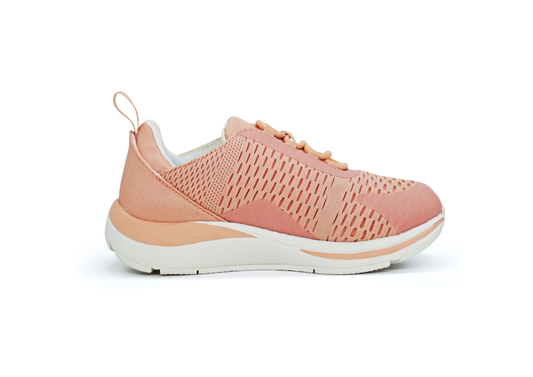
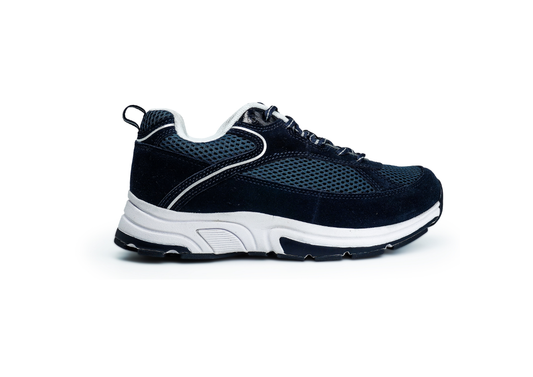

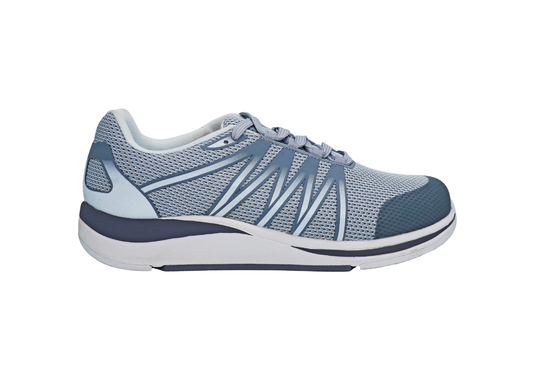

slippers for men
Men's Orthopedic Slippers: Comprehensive Guide to Comfort, Health Benefits, and Style
By Dr. Subramanyam Balaji, Ortho Shoes Corporation
Men's orthopedic slippers are purpose-built to reduce foot pain and improve daily comfort. They combine supportive construction with targeted features that address common foot problems. This guide explains what defines orthopedic slippers, how they support foot health, and which conditions they can help manage so you can choose footwear that works for you.
Comprehensive Guide to Men's Orthopedic Slippers
Orthopedic slippers prioritise foot health through design choices that improve support and comfort. Key benefits include better alignment, reduced pain and protection for sensitive feet. Knowing these features helps you select slippers that deliver both therapeutic value and a presentable appearance.
Comfort Features:
Comfort drives the design of orthopedic slippers. They include specific elements aimed at reducing strain and improving wearability.
- Arch Support: Proper arch support is crucial for maintaining foot alignment and reducing strain on the feet. This feature helps distribute weight evenly, preventing discomfort during prolonged wear.
- Cushioned Footbeds: Cushioned footbeds provide additional comfort by absorbing shock and reducing pressure on sensitive areas of the foot. This is particularly beneficial for individuals with conditions like plantar fasciitis.
- Breathable Materials: Many orthopedic slippers are made from breathable fabrics that promote airflow, keeping feet cool and dry. This feature is essential for preventing moisture buildup and odor.
Ortho Shoes offers a range of orthopedic slippers that incorporate these comfort features, ensuring that wearers experience maximum relief and support.
Health Benefits:
Wearing orthopedic slippers can produce measurable improvements in foot comfort and function. They are intended to relieve pain, support proper alignment and protect vulnerable feet from further injury.
- Pain Relief: Orthopedic slippers are effective in alleviating pain associated with common foot conditions, such as arthritis and heel pain. The supportive design helps reduce pressure on painful areas.
- Improved Alignment: By providing proper support, these slippers help maintain correct foot alignment, which can prevent further complications and discomfort.
- Protection for Sensitive Feet: For individuals with diabetes or other conditions that affect foot sensitivity, orthopedic slippers offer a protective barrier against injury and irritation.
Those clinical benefits make orthopedic slippers a practical choice for men aiming to protect foot health while staying comfortable at home.
Style Options:
Orthopedic slippers come in styles that preserve therapeutic function without sacrificing looks. Options range from relaxed to slightly dressier designs to suit different needs.
- Casual Slip-Ons: These slippers are easy to wear and provide a relaxed fit, making them perfect for lounging at home.
- Moccasin Styles: Combining traditional design with modern comfort, moccasin-style slippers offer a cozy feel while maintaining a stylish appearance.
- Modern Loafers: For those who prefer a more polished look, modern loafers provide the orthopedic benefits of slippers while being suitable for casual outings.
Selecting a style that fits your routine helps you maintain comfort and confidence while addressing foot health.
What Are Men's Orthopedic Slippers and How Do They Support Foot Health?
Men's orthopedic slippers are specialised footwear designed to support common foot structures and conditions. They typically include arch support, cushioned footbeds and breathable uppers to reduce pain and improve daily function. If you need more robust support, review the men's orthopedic shoes collection for additional options.
Defining Orthopedic Slippers: Features and Medical Benefits
Orthopedic slippers are defined by supportive construction and clinical intent. Healthcare professionals often recommend them for people with diabetes, arthritis and other foot conditions because they can reduce pain, improve alignment and increase comfort. The right footwear can materially ease conditions such as heel pain.
How Orthopedic Slippers Address Common Foot Conditions in Men
Orthopedic slippers target a range of common conditions through structural support and cushioning. They are designed to reduce load on affected tissues and improve daily comfort.
- Plantar Fasciitis: The supportive structure of orthopedic slippers helps alleviate the pain associated with this condition by providing necessary arch support.
- Heel Pain: Cushioned footbeds reduce pressure on the heels, offering relief for those suffering from heel pain.
- Flat Feet: The arch support in orthopedic slippers helps stabilize the foot, providing comfort for individuals with flat feet.
Targeting these issues directly can improve mobility and reduce recurring pain for men with chronic foot problems.
Which Foot Conditions Do Orthopedic Slippers for Men Effectively Relieve?
Orthopedic slippers can relieve several specific conditions by addressing pressure, support and cushioning needs.
- Plantar Fasciitis: The arch support and cushioning help reduce strain on the plantar fascia.
- Heel Pain: Cushioned footbeds provide shock absorption, alleviating heel discomfort.
- Diabetes-Related Foot Issues: These slippers protect sensitive feet from injury and irritation.
Knowing which conditions respond to supportive footwear helps you choose slippers that meet your therapeutic needs. For diabetes-related concerns, specialised options in the diabetic footwear range are recommended.
How Do Orthopedic Slippers Help Manage Diabetes-Related Foot Issues?
Foot care is essential when you have diabetes. Orthopedic slippers reduce localised pressure, support circulation and lower the risk of skin breakdown through cushioning and even weight distribution.
- Preventing Ulcers: The cushioning and support help reduce pressure points, minimizing the risk of developing foot ulcers.
- Improving Circulation: Properly designed slippers promote better blood flow, which is essential for diabetic foot health.
- Reducing Pressure Points: The supportive structure of orthopedic slippers helps distribute weight evenly, preventing excessive pressure on vulnerable areas.
These design elements make orthopedic slippers a key part of daily foot protection for people with diabetes.
What Are the Benefits for Men with Arthritis and Heel Pain?
Men with arthritis or chronic heel pain benefit from footwear that reduces joint stress and stabilises the foot. Orthopedic slippers deliver those outcomes through support and cushioning.
- Pain Relief: The supportive design helps alleviate discomfort associated with arthritis and heel pain.
- Improved Mobility: By reducing pain and providing stability, orthopedic slippers can enhance mobility for those with arthritis.
- Joint Stress Reduction: The cushioning and support help minimize stress on joints, promoting overall comfort.
Choosing specialised arthritis footwear can provide targeted relief and better day-to-day function.
What Comfort and Design Features Should You Look for in Men's Orthopedic Slippers?
When you shop for orthopedic slippers, prioritise features that support function and durability. Look for materials and construction that address your specific foot needs.
- Materials: Opt for slippers made from breathable and moisture-wicking materials to keep feet dry and comfortable.
- Arch Support: Ensure the slippers provide adequate arch support to maintain proper foot alignment.
- Cushioning: Look for cushioned footbeds that offer shock absorption and comfort during wear.
Focusing on these elements will help you choose slippers that deliver measurable comfort and support.
Why Is Arch Support Crucial in Orthopedic Slippers?
Arch support is a foundational feature because it redistributes load and stabilises the foot. Proper support reduces stress on painful structures and improves overall function.
- Alleviate Pain: By distributing weight evenly, arch support reduces strain on the feet, alleviating pain associated with various conditions.
- Improve Alignment: Maintaining correct foot alignment is essential for overall body posture and reducing the risk of injury.
- Enhance Functionality: Slippers with adequate arch support provide better stability and comfort, making them suitable for daily wear.
Recognising the role of arch support helps you select slippers that protect foot mechanics and reduce recurrent symptoms.
Design Principles and Biomechanical Function of Orthopedic Insoles
This review summarises research from 2005–2019 across CNKI, WanFang, Baichain, Baidu Library and PubMed. It outlines four core insole design principles: redistribute plantar pressure, support the arch, improve cushioning and stabilise lower-limb force lines to enhance proprioception and comfort. Insoles are classified as prefabricated, semi‑customised or customised. The review reports that insoles can prevent and aid rehabilitation in ankle, knee and spinal conditions, certain paediatric hemiplegia types and sports injuries, while noting clinical limitations and areas for further research.
How Do Materials Like Memory Foam and Breathable Fabrics Enhance Comfort?
Materials determine how a slipper supports and protects your foot. Memory foam moulds to the foot for customised cushioning, while breathable fabrics manage moisture and reduce the risk of skin irritation.
- Memory Foam: This material conforms to the shape of the foot, providing personalized support and cushioning.
- Breathable Fabrics: Fabrics that allow for airflow help keep feet cool and dry, preventing moisture buildup and odor.
Using these materials improves comfort and helps maintain foot health during regular wear.
Impact of Medical-Grade Footwear on Comfort and Foot Pressure
This experimental study compared an off‑the‑shelf medical-grade shoe with participants' usual footwear. Thirty participants (18 females, 12 males) rated comfort and had dorsal digital pressures measured with the WalkinSense® in-shoe system. The test shoe produced higher comfort scores and reduced peak pressure, pressure‑time integral and contact time across measured landmarks; time to peak pressure increased. Statistically significant reductions occurred at the medial border of the first metatarsophalangeal joint. The authors conclude that well‑fitted medical-grade footwear can reduce forefoot pressure and improve perceived comfort versus personal shoes.
How to Choose Stylish and Affordable Orthopedic Slippers for Men?
Choosing slippers that balance therapy and cost requires prioritising essential features while keeping an eye on budget and style preferences.
- Key Features: Look for slippers that offer essential comfort features such as arch support and cushioning.
- Price Ranges: Determine a budget that allows for quality without compromising on style.
- Style Options: Explore various styles, from casual slip-ons to modern loafers, to find a pair that suits personal taste.
We recommend comparing feature sets across price points to find a pair that delivers the support you need without exceeding your budget.
What Styles Combine Therapeutic Benefits with Casual Wear?
Several styles merge support with everyday wearability. Choose the silhouette that fits your routine while keeping therapeutic features intact.
- Casual Slip-Ons: Easy to wear and versatile, these slippers provide comfort for home use.
- Moccasin Styles: Combining traditional aesthetics with modern comfort, moccasins are a stylish choice.
- Sneaker Slippers: These offer the look of sneakers with the comfort of slippers, making them suitable for casual outings.
Picking a style that suits how you live makes it easier to wear supportive footwear consistently.
How to Balance Quality and Affordability When Selecting Slippers?
Balance quality and cost by evaluating your clinical needs, the materials used and expected lifespan of the slippers.
- Understanding Needs: Assess personal foot health needs to determine the necessary features.
- Evaluating Materials: Consider the quality of materials used in the slippers, as this impacts durability and comfort.
- Cost-Per-Wear Metric: Calculate the long-term value of slippers based on their durability and comfort, rather than just the initial price.
Prioritise features that address your condition; this reduces long-term costs by preventing further foot issues and repeated purchases.
What Are the Best Practices for Caring for Men's Orthopedic Slippers?
Proper care preserves function and hygiene. Follow manufacturer instructions and adopt simple routines to extend service life.
- Cleaning Methods: Regularly clean slippers according to the manufacturer's instructions to prevent odor and wear.
- Odor Control: Use baking soda or specialized sprays to keep slippers fresh.
- Material-Specific Care: Follow care guidelines specific to the materials used in the slippers to avoid damage.
Routine cleaning, correct storage and material‑specific care help maintain support and reduce odour over time.
How to Maintain Durability and Hygiene of Orthopedic Footwear?
Durability and hygiene depend on simple habits you can adopt daily. Clean, rotate and protect slippers to preserve their shape and function.
- Regular Cleaning: Clean slippers regularly to remove dirt and bacteria that can accumulate over time.
- Avoiding High Heat: Keep slippers away from direct heat sources, as this can damage materials.
- Rotating Slippers: Consider having multiple pairs to rotate, allowing each pair to air out and maintain their shape.
These measures reduce material breakdown and keep slippers sanitary between wears.
When Should You Replace Your Orthopedic Slippers for Optimal Support?
Recognising wear signals ensures slippers continue to protect your feet. Check cushioning, fit and any return of pain regularly.
- Signs of Wear: Look for visible signs of wear and tear, such as flattened cushioning or damaged materials.
- Impact on Foot Health: If discomfort or pain returns, it may indicate that the slippers are no longer providing adequate support.
- Replacement Intervals: Generally, it's advisable to replace slippers every 6-12 months, depending on usage and wear.
Replace slippers when cushioning flattens, fit changes or symptoms recur to maintain consistent support.
For a wider selection, you can review women's orthopedic shoes or explore the main Ortho Shoes site for full product details.
Frequently Asked Questions
What should I consider when choosing orthopedic slippers for specific foot conditions?
Consider arch support, cushioning and material. For plantar fasciitis, choose stronger arch support and shock‑absorbing footbeds. If you have diabetes or sensitive skin, prioritise breathable, seamless uppers. When in doubt, consult a healthcare professional for personalised guidance.
How do I know if my orthopedic slippers are the right fit?
A proper fit leaves room for your toes, holds the heel without slipping and positions the arch support under your foot. Walk around to test for pressure points. If you feel new pain or slipping, the fit may be incorrect.
Can orthopedic slippers be worn outside, or are they strictly for indoor use?
Some orthopedic slippers are designed for indoor use only, while others have durable soles suitable for outdoor wear. Choose models with weather‑resistant materials and sturdy outsoles if you plan to wear them outside, and check the manufacturer's recommendations.
How can I enhance the lifespan of my orthopedic slippers?
Clean them per the manufacturer's instructions, avoid exposure to direct heat and rotate between pairs so each can air out. Proper storage in a cool, dry place also reduces moisture damage and odours.
Are there any specific brands known for high-quality orthopedic slippers?
Brands such as OrthoFeet, Vionic and Birkenstock are commonly cited for combining support with comfort. Use customer reviews and professional recommendations to compare models and find the best fit for your needs.
What are the signs that I need to replace my orthopedic slippers?
Replace slippers when cushioning compresses, soles wear unevenly or you begin to feel pain that the slippers previously controlled. As a guideline, consider replacement every 6–12 months depending on use.
