


footwear for foot pain
Footwear for Foot Pain: Expert Guide to Orthopedic Shoes and Supportive Solutions
By Dr. Subramanyam Balaji, Ortho Shoes Corporation
Foot pain affects many people and often limits mobility and daily activity. Identifying the type and cause of pain allows for targeted interventions that improve function. This guide explains how orthopedic footwear is designed to reduce pain and support foot structure. You will find clear information on benefits, key design features, and condition-specific recommendations so you can make informed footwear choices.
Orthopedic shoes are engineered to support foot structure, cushion pressure points and enhance stability. They address structural issues, reduce impact and help improve gait mechanics. This guide reviews clinical benefits, the defining features of orthopedic shoes, and practical recommendations for conditions such as plantar fasciitis, heel pain and flat feet, so you can select footwear that effectively reduces discomfort.
Benefits of Orthopedic Shoes
Orthopedic shoes provide targeted pain relief, support for deformities and improved stability and protection. When appropriately fitted and used, they can reduce discomfort and make daily activities easier to perform.
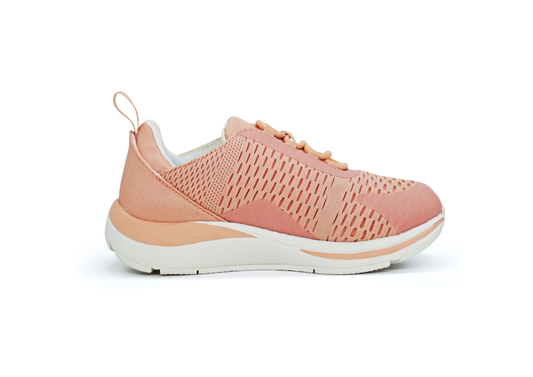
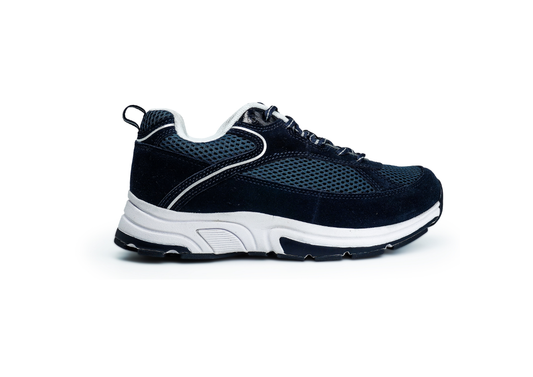
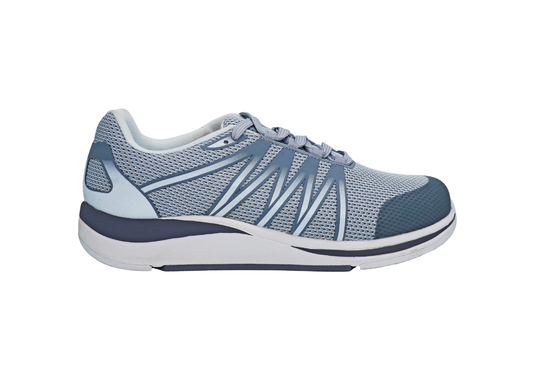
Ortho Shoes is an Indian specialist in orthopedic footwear solutions for people with foot pain. Their product range includes models for plantar fasciitis, diabetic foot care, heel pain, arthritis and flat feet. These offerings are designed to address condition-specific requirements.
Key Features of Orthopedic Shoes
Select shoes with features that deliver reliable support and comfort. Key elements include:
- Customizable Support: Many orthopedic shoes come with removable insoles, allowing users to customize the level of arch support according to their needs.
- Wider and Deeper Fit: These shoes are designed to accommodate foot deformities and provide ample space for comfort.
- Cushioned and Shock-Absorbing Soles: The soles are engineered to absorb impact, reducing stress on the feet and joints.
These design elements work together to improve comfort and reduce mechanical stress on the foot.
| Feature | Description | Benefit |
|---|---|---|
| Customizable Support | Removable insoles for personalized arch support | Tailored comfort for individual needs |
| Wider Fit | Accommodates foot deformities | Reduces pressure and discomfort |
| Shock-Absorbing Soles | Cushioned soles to absorb impact | Minimizes stress on feet and joints |
Combined, these features make orthopedic shoes an effective option for reducing foot pain and protecting foot function.
Recommendations for Specific Foot Conditions
Choosing suitable orthopedic footwear is essential for managing specific foot problems. Below are condition-focused recommendations:
- Plantar Fasciitis: Look for shoes with excellent arch support and cushioning. Brands like Ortho Shoes offer models specifically designed for this condition.
- Heel Pain: Shoes with a cushioned heel and shock-absorbing properties can provide significant relief. Consider options that feature a contoured footbed. You can find specialized options for heel pain.
- Flat Feet: Supportive sandals with arch support and a wide toe box can help alleviate discomfort associated with flat feet.
Selecting footwear that addresses the specific mechanical needs of each condition can improve comfort and reduce pain.
Common Foot Conditions Leading to Pain: Plantar Fasciitis, Heel Pain, Flat Feet
Recognizing common foot conditions helps guide effective management. Plantar fasciitis typically causes sharp heel pain that is worse after periods of rest. Heel pain can come from overuse, strain or unsuitable footwear. Flat feet lack adequate arch support, which can cause misalignment and increased strain on the foot.
Orthotics and Orthotic Sandals for Plantar Fasciitis Relief
BACKGROUNDPlantar fasciitis (PF) affects around 10% of the population. Prefabricated orthotics with arch support has been shown to provide symptom relief in PF by decreasing the repetitive stress sustained by the plantar fascia. However, prefabricated orthotics are only effective when shoes are worn, meaning the foot may be left unsupported when it is impractical to wear shoes. Using orthotic sandals in conjunction with prefabricated orthotics may increase PF symptom relief, as they can be worn inside the home, extending the period in which the foot is supported.
Use of orthotics with orthotic sandals versus the sole use of orthotics for plantar fasciitis: Randomised controlled trial, 2023
How Orthopedic Shoes Provide Targeted Pain Relief and Support
Orthopedic shoes deliver targeted relief through structured support and cushioning. Arch support helps distribute weight evenly and reduce pressure points. Shock-absorbing midsoles lower the impact transmitted to joints during walking. This combination of features is important for people with chronic foot pain.
What Causes Foot Pain and How Can Orthopedic Footwear Help?
Foot pain arises from structural abnormalities, overuse and improper footwear. Conditions such as arthritis, diabetes and flat feet can increase discomfort. Orthopedic footwear supplies the support and cushioning needed to reduce pain and encourage proper alignment. For condition-specific options, see the diabetic footwear collection.
Types of Foot Pain
Foot pain can present in different ways, and each type requires targeted attention. Common types include:
- Plantar Fasciitis: Characterized by sharp pain in the heel, especially in the morning.
- Heel Pain: Often caused by inflammation or injury, leading to discomfort during movement.
- Flat Feet: Can cause pain due to lack of arch support, leading to misalignment.
Recognizing these presentations is the first step toward focused treatment and prevention.
Features of Orthopedic Footwear
Orthopedic footwear incorporates specific design elements that improve its therapeutic effect. These include:
- Arch Support: Essential for maintaining proper foot alignment and reducing strain.
- Cushioning: Provides comfort and absorbs shock, minimizing impact on the feet.
- Wide Toe Box: Allows for natural toe movement and reduces pressure on bunions and other deformities.
These design choices work together to reduce strain, cushion impact and allow natural toe motion, improving comfort and function.
Recommended Practices for Selecting Footwear
When selecting orthopedic footwear, consider the following practices:
- Consult with a Specialist: A podiatrist can provide personalized recommendations based on individual foot conditions.
- Prioritize Fit: Ensure that shoes fit well, allowing for some wiggle room in the toes while providing adequate support.
- Material Considerations: Look for breathable materials that offer comfort and durability.
Following these practices helps you choose footwear that supports recovery and daily comfort.
How Do Orthopedic Shoes for Women Address Foot Pain Differently?
Women's orthopedic shoes are tailored to female foot anatomy with narrower heel profiles and adjusted arch support. Many models balance comfort with contemporary style so women can maintain their preferred look while addressing foot pain. Explore the range of women's orthopedic shoes for targeted options.
Design and Comfort Features in Women's Orthopedic Footwear
Women's orthopedic footwear typically includes several design and comfort features:
- Arch Support: Enhanced support to accommodate the female foot structure.
- Cushioned Soles: Soft, shock-absorbing materials for added comfort.
- Wide Toe Boxes: Ensures ample space for toe movement, reducing pressure.
These features provide targeted support and reduce pressure for women experiencing foot pain.
User Testimonials: Women’s Experiences with Pain Relief
Many users report meaningful reductions in foot pain after switching to orthopedic footwear. Testimonials commonly note improved comfort and the ability to perform daily activities with less discomfort, underscoring the importance of selecting appropriate shoes.
What Are the Benefits of Sneakers and Insoles for Flat Feet and Arch Support?
Sneakers and insoles designed for flat feet deliver several practical benefits, including:
- Comfort and Alignment: Properly designed sneakers provide the necessary support to maintain foot alignment.
- Pain Relief Mechanisms: Specialized insoles can alleviate pressure on the arches, reducing discomfort.
- Versatility: Sneakers can be worn for various activities, making them a practical choice for everyday use.
These benefits make sneakers and insoles a practical option for people with flat feet who need reliable daily support.
Choosing Comfortable Sneakers for Flat Feet: Key Supportive Features
When selecting sneakers for flat feet, look for:
- Structured Arch Support: Essential for maintaining proper alignment.
- Cushioned Footbeds: Provides comfort and absorbs shock during movement.
- Stability Features: Helps prevent overpronation, reducing the risk of injury.
These support features help ensure sneakers provide stable, pain-reducing wear for flat feet.
How Arch Support Insoles Reduce Foot Pain and Improve Alignment
Arch support insoles redistribute load and stabilise the foot, helping to maintain proper alignment. They can reduce discomfort associated with flat feet and other conditions. When matched to the shoe, insoles often produce noticeable improvements in comfort and mobility.
How Does Diabetic and Arthritis Footwear Provide Specialized Care?
Footwear for diabetic and arthritis needs includes features that protect vulnerable feet and reduce pressure. These shoes commonly include:
- Extra Depth and Wide Toe Box: Accommodates foot swelling and deformities.
- Seamless Interiors: Reduces friction and irritation, preventing blisters and sores.
These design elements are important for protecting the skin and preserving mobility in people with diabetes or arthritis.
Medical-Grade Materials and Design for Diabetic Foot Protection
Diabetic footwear is often constructed from medical-grade materials that prioritise comfort and safety. These materials are designed to reduce the risk of foot injuries and provide adequate support. By choosing diabetic footwear, individuals can protect their feet and maintain their mobility.
Orthopedic Shoes Tailored for Arthritis-Related Foot Pain
Orthopedic shoes for arthritis typically combine cushioned soles with flexible uppers to lower joint stress. These design choices help reduce pressure on painful joints and provide the support needed to manage symptoms. For arthritis-specific options, see the arthritis footwear collection.
Where to Buy Orthopedic Footwear for Foot Pain in India?
When purchasing orthopedic footwear, consider specialist retailers and reputable online stores. Specialist shops can offer fitting guidance and personalised advice, while online platforms provide wider selection and convenience.
Navigating Ortho Shoes Collections: Men’s and Women’s Options
Ortho Shoes offers a broad collection of orthopedic footwear for men and women, designed to address specific foot conditions without sacrificing comfort or style. Explore the men's collection here: Men's Orthopedic Shoes. Browsing the collections helps you find the models best suited to your needs.
How to Choose the Right Orthopedic Footwear for Your Condition
Selecting the appropriate orthopedic footwear involves considering several factors:
- Identify Your Foot Condition: Understanding your specific needs is crucial for effective management.
- Consult with a Specialist: A podiatrist can provide personalized recommendations based on your condition.
- Test for Comfort: Always try on shoes to ensure they fit well and provide adequate support.
Following these steps helps you choose footwear that supports recovery and long-term foot health.
Frequently Asked Questions
What should I look for when buying orthopedic shoes?
Prioritize proven features: reliable arch support, effective cushioning and a wide toe box. Arch support maintains alignment, cushioning absorbs shock and a roomy toe box reduces pressure on deformities. Also check materials for breathability and durability, and ensure a proper fit to maximise comfort and support.
Can orthopedic shoes be stylish?
Yes. Many modern orthopedic brands offer designs that combine function with contemporary aesthetics. You can find casual, formal and athletic options that deliver support without sacrificing appearance.
How often should I replace my orthopedic shoes?
Replace orthopedic shoes every 6 to 12 months depending on use and wear. Replace sooner if you see sole wear, loss of cushioning or reduced support. Regularly assessing shoe condition helps prevent increased pain; consult a specialist if you are unsure.
Are there specific brands known for quality orthopedic footwear?
Yes. Brands such as Ortho Shoes, New Balance and Brooks are recognised for their focus on comfort and support. Consider user reviews and recommendations from healthcare professionals when choosing a brand to ensure it meets your needs.
Can I use custom orthotics with orthopedic shoes?
Yes. Many orthopedic shoes accept custom orthotics—look for removable insoles so your orthotic fits properly. Combining custom orthotics with suitable shoes often improves support and comfort. Consult a podiatrist to confirm compatibility.
What are the best practices for breaking in new orthopedic shoes?
Break in new shoes gradually. Start with short wear periods and increase time as your feet adapt. Use thicker socks or temporary insoles if needed, and monitor any hot spots. If pain persists, consult a specialist to confirm fit and suitability.
