
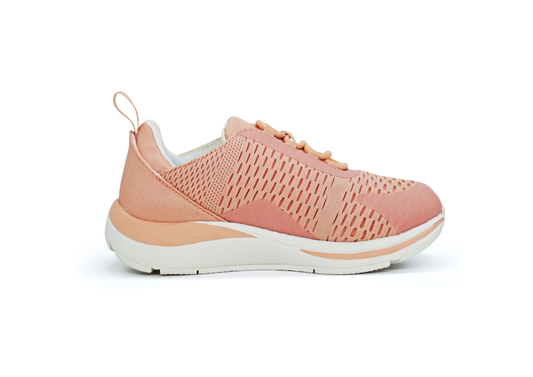
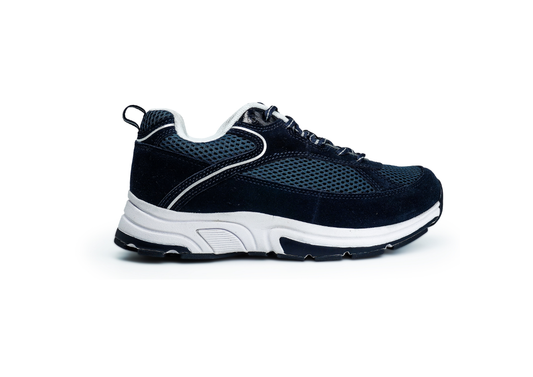

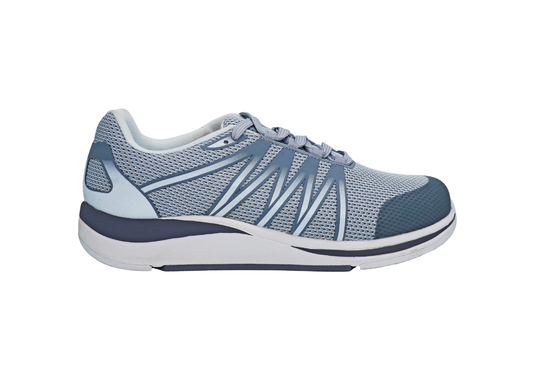

comfortable shoes for foot pain
Comfortable Shoes for Foot Pain: Expert Guide to Orthopedic Footwear Solutions
By Dr. Subramanyam Balaji, Ortho Shoes Corporation
Choosing the correct footwear is essential for people with foot pain. The right shoes can reduce discomfort and improve mobility. This guide explains orthopedic shoe design, key features, and how different styles address common foot conditions. You will find the main types of orthopedic shoes, the features to prioritise, and targeted recommendations for conditions such as plantar fasciitis and arthritis. With this information you can make informed choices that support comfort and long-term foot health.
1. Types of Orthopedic Shoes
Orthopedic shoes are produced in distinct styles to target specific foot problems and deliver appropriate support. Knowing these categories helps you select the most suitable option for your needs.
- Diabetic Shoes: These shoes are designed with extra depth and cushioning to accommodate foot deformities and prevent complications such as ulcers.
- Athletic Orthopedic Shoes: These shoes offer enhanced shock absorption and support, making them ideal for active individuals who require additional stability during physical activities.
- Casual and Dress Shoes: These styles maintain orthopedic support while providing a more fashionable appearance, allowing individuals to wear supportive shoes in various settings.
Recognizing the differences between these types makes it easier to narrow your options and choose shoes that match your specific foot condition and lifestyle.
2. Key Features of Orthopedic Shoes
Certain design features determine how well a shoe supports and protects the foot. Consider these attributes when evaluating options:
- Arch Support: Proper arch support is crucial for maintaining foot alignment and reducing strain on the plantar fascia, which can help alleviate pain.
- Cushioned Soles: Shoes with cushioned soles absorb impact, reducing stress on joints and providing comfort during prolonged wear.
- Wide Toe Boxes: A wide toe box prevents pressure on foot deformities, allowing for natural toe movement and reducing discomfort.
These features are fundamental for reducing pain and improving function. For specialised options that meet these criteria, Ortho Shoes provides a range of orthopedic footwear designed to address these needs.
| Feature | Description | Benefit |
|---|---|---|
| Arch Support | Contoured support for the foot's arch | Reduces strain and pain |
| Cushioned Soles | Soft, shock-absorbing material | Enhances comfort and reduces impact |
| Wide Toe Boxes | Extra space for toes | Prevents pressure and discomfort |
Knowing how each feature benefits the foot will guide you to the most appropriate orthopedic shoe for your condition and daily activities.
3. Recommendations for Specific Conditions
Different foot conditions respond best to specific footwear characteristics. Below are practical recommendations for common issues.
- Plantar Fasciitis: Look for shoes with excellent arch support and cushioning to alleviate heel pain. Options like the Ortho Shoes plantar fasciitis collection are specifically designed to provide relief.
- Heel Pain: Shoes that offer targeted cushioning and support can help manage heel pain effectively. Consider models that feature shock-absorbing soles.
- Diabetic Foot Complications: Diabetic shoes are essential for preventing ulcers and providing comfort. They should have a soft lining and ample room to accommodate foot swelling.
Selecting shoes that match the needs of a specific condition can materially improve comfort, reduce pain, and support mobility.
4. Practical Tips for Choosing Orthopedic Footwear
Selecting suitable orthopedic footwear requires attention to fit, support, and material quality. Use the following practical checks when shopping.
- Consult a Specialist: It's advisable to consult with a podiatrist or orthopedic specialist for personalized recommendations based on individual foot conditions.
- Ensure Proper Fit: Shoes should fit well, allowing for natural movement without pinching or rubbing. It's essential to try shoes on at the end of the day when feet are slightly swollen.
- Evaluate Material Quality: High-quality materials enhance durability and comfort. Look for shoes made from breathable fabrics that provide adequate support.
Applying these tips will help you choose orthopedic shoes that offer the right combination of fit, support, and durability for everyday use.
What Causes Foot Pain and How Can Orthopedic Shoes Help?
Foot pain has several common causes, including plantar fasciitis, heel pain, flat feet, arthritis, and diabetic complications. Identifying the underlying cause is the first step to selecting appropriate footwear.
Understanding Common Foot Conditions: Plantar Fasciitis, Heel Pain, Flat Feet, Arthritis, and Diabetic Foot Complications
Plantar fasciitis typically causes sharp heel pain that worsens after standing or walking. Flat feet often need built-in arch support to restore stability. Arthritis can produce joint pain and swelling, which benefits from cushioning and supportive construction. Diabetic foot complications stem from poor circulation and nerve damage, making specialised footwear important for protection and prevention.
How Orthopedic Footwear Provides Targeted Pain Relief and Support
Orthopedic shoes reduce pain through targeted support. Arch support lowers strain on the plantar fascia, while cushioned soles absorb impact to protect joints and soft tissues. Together, these features improve comfort and functional mobility for people with foot pain.
Which Comfortable Shoes Are Best for Plantar Fasciitis and Heel Pain Relief?
Certain design elements consistently perform well for plantar fasciitis and heel pain relief. Prioritise these when evaluating shoes.
Key Features of Plantar Fasciitis Shoes and Heel Pain Relief Footwear
- Excellent Arch Support: Shoes should have contoured arch support to help distribute weight evenly and reduce strain.
- Cushioned Soles: Look for shoes with thick, cushioned soles that absorb shock and provide comfort during movement.
- Stability Features: Shoes that offer stability and prevent excessive foot movement can help alleviate pain.
Concentrating on these features will help you identify shoes that address the mechanical causes of plantar fasciitis and heel pain.
Research also emphasises the value of continuous foot support for plantar fasciitis, including options that can be used when traditional shoes are impractical.
Orthotic Sandals & Prefabricated Orthotics for Plantar Fasciitis Relief
Plantar fasciitis (PF) affects around 10% of the population. Prefabricated orthotics with arch support have been shown to provide symptom relief in PF by reducing repetitive stress on the plantar fascia. However, prefabricated orthotics are effective only when worn inside shoes, which can leave the foot unsupported when shoes are impractical to wear. Using orthotic sandals alongside prefabricated orthotics may extend the period of foot support at home and increase PF symptom relief.
Use of orthotics with orthotic sandals versus the sole use of orthotics for plantar fasciitis: Randomised controlled trial, 2023
How to Choose Orthopedic Footwear for Women and Flat Feet Support Shoes?
Choosing orthopedic footwear for women requires balancing aesthetic preferences with clinical support to ensure both comfort and functionality.
Design Considerations for Orthopedic Footwear for Women
Women's orthopedic shoes should balance style and function. Select designs that meet your appearance needs while still providing the required support and comfort for daily wear.
Benefits of Flat Feet Support Shoes and Wide Fit Options
Flat feet support shoes provide structured arch support and improved stability. Wide-fit options reduce pressure on the forefoot, allowing natural toe movement and reducing the chance of discomfort from constriction.
What Are the Benefits of Diabetic Footwear and Arthritis Footwear?
Specialised footwear can substantially improve daily comfort and reduce risk for people with certain medical foot conditions.
Preventing Foot Ulcers and Managing Diabetic Foot Pain with Specialized Shoes
Diabetic footwear creates a protective environment that helps prevent ulcers. These shoes commonly include soft linings and generous cushioning to accommodate swelling and reduce pressure points.
Features of Arthritis Footwear That Improve Comfort and Mobility
Arthritis footwear often incorporates cushioned soles and adjustable closures, which increase comfort and simplify putting shoes on and taking them off—features that support people with limited dexterity or mobility.
How Do Walking Sneakers for Foot Pain Enhance Comfort and Mobility?
Walking sneakers designed for foot pain deliver measurable benefits for routine activities by combining support and shock absorption.
Ergonomic Design and Cushioning in Walking Sneakers
These sneakers use ergonomic shaping to follow the foot's natural contours and cushioning to absorb shock, which reduces joint impact and improves comfort during walking and other activities.
User Testimonials and Case Studies on Walking Sneakers Effectiveness
Users commonly report reduced pain and improved comfort with specialised walking sneakers. Testimonials and case studies highlight their effectiveness in supporting daily activity and reducing discomfort.
What Should You Know About Selecting and Caring for Comfortable Orthopedic Shoes?
Proper selection and ongoing care preserve a shoe's supportive properties and extend its usable life.
Tips for Proper Fit, Material Selection, and Shoe Maintenance
- Proper Fit: Always ensure shoes fit well, allowing for natural movement without pinching.
- Material Selection: Choose shoes made from breathable materials that provide adequate support.
- Regular Maintenance: Clean and inspect shoes regularly to ensure they remain in good condition and provide the necessary support.
Frequently Asked Questions
1. Can orthopedic shoes be stylish and functional at the same time?
Yes. Many brands now design orthopedic shoes that combine effective support with modern styles, so you can wear supportive footwear for casual and formal occasions without sacrificing comfort.
2. How often should I replace my orthopedic shoes?
Replace orthopedic shoes every 6 to 12 months, depending on how often you wear them and visible wear. Signs you need a replacement include worn soles, reduced cushioning, or a noticeable loss of support. Regular checks help ensure ongoing foot protection.
3. Are there specific brands known for high-quality orthopedic footwear?
Yes. Several brands are recognised for high-quality orthopedic footwear, including New Balance, Brooks, and OrthoFeet. These manufacturers focus on blending comfort, support, and style. Review product details and user feedback to find the best option for your needs.
4. Can I use custom orthotics with my orthopedic shoes?
Yes. Many orthopedic shoes accommodate custom orthotics. Confirm the shoe has enough space in the toe box and arch area for the insert. Consulting a podiatrist will help ensure the shoes and orthotics work together for optimal support.
5. What should I look for in orthopedic sandals?
Look for adjustable straps for a secure fit, reliable arch support, cushioned soles for impact absorption, and a wide toe box to allow natural toe movement. These features provide necessary support during warmer months.
6. How can I tell if my orthopedic shoes are the right fit?
A proper fit should allow about a thumb's width of space between your longest toe and the front of the shoe. The shoe should feel snug but not tight, offering support without pinching. Try shoes at the end of the day when feet are slightly swollen to ensure all-day comfort.
7. Are there any specific care tips for maintaining orthopedic shoes?
Maintain orthopedic shoes by cleaning them per the manufacturer's instructions and checking regularly for wear. Store them in a cool, dry place and rotate pairs to let them air out and retain shape. Proper care extends their life and ensures continued support.
