
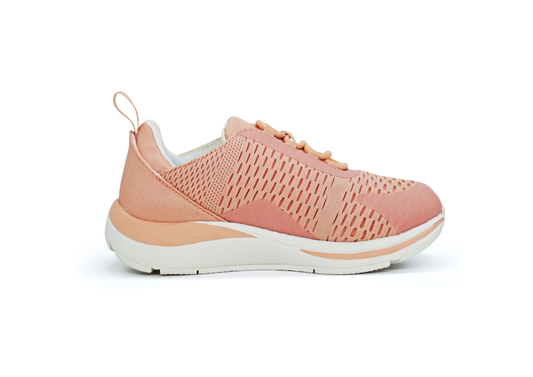
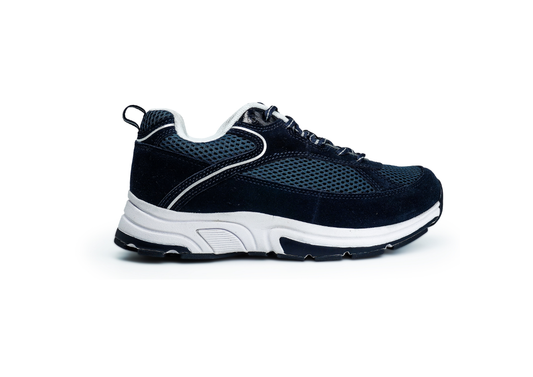

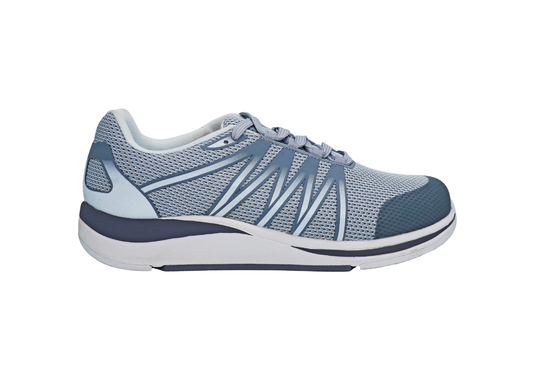

special shoes
Orthopedic Special Shoes for Foot Health: Expert Guidance on Choosing the Best Therapeutic Footwear
By Dr. Subramanyam Balaji, Ortho Shoes Corporation
Orthopedic shoes provide targeted support and comfort for people with common foot problems. They can improve daily function for conditions such as flat feet, plantar fasciitis, arthritis, and diabetic foot issues. This article explains who benefits from orthopedic footwear, the medical advantages, key design features, and condition-specific recommendations. With practical information, you can choose footwear that protects your foot health and preserves mobility.
Who Needs Orthopedic Shoes?
Orthopedic shoes help many people, especially those with chronic foot pain or medical conditions that affect the feet. The following groups often benefit:
- Chronic Foot Pain Sufferers: Individuals with persistent foot pain often find relief through orthopedic shoes that provide adequate support and cushioning.
- Individuals with Foot Deformities: Those with conditions such as bunions or hammertoes can benefit from the extra space and support offered by orthopedic designs.
- People with Systemic Medical Conditions: Conditions like diabetes or arthritis can lead to foot complications, making orthopedic shoes a necessary choice for maintaining foot health.
Knowing which individuals benefit from orthopedic shoes helps guide effective treatment and footwear choices.
Medical Benefits
Orthopedic shoes offer medical benefits that support foot health and mobility. Key advantages include:
- Pain Reduction: By providing proper arch support and cushioning, orthopedic shoes can alleviate discomfort associated with various foot conditions.
- Improved Alignment: These shoes help maintain proper foot alignment, reducing strain on the feet, ankles, and knees.
- Increased Stability: The design of orthopedic shoes often includes features that enhance stability, which is particularly important for individuals with balance issues.
These medical advantages make orthopedic footwear an important part of managing foot conditions.
| Benefit | Description | Impact Level |
|---|---|---|
| Pain Reduction | Alleviates discomfort through cushioning and support | High |
| Improved Alignment | Maintains proper foot positioning | Medium |
| Increased Stability | Enhances balance and reduces fall risk | High |
The table highlights how orthopedic shoes contribute to better foot health and function.
Key Design Features
Choose shoes with specific design features that improve support and comfort. Important elements include:
- Arch Support: Proper arch support is crucial for distributing weight evenly and reducing strain on the feet.
- Cushioning: Adequate cushioning absorbs shock and provides comfort during daily activities.
- Wide Toe Box: A spacious toe box allows for natural toe movement, reducing pressure on the forefoot.
These features are fundamental to ensuring orthopedic shoes meet clinical needs for various foot problems.
Recommendations for Specific Conditions
Foot conditions need targeted footwear. Recommendations include:
- Flat Feet: Look for shoes with strong arch support and stability features to help manage discomfort.
- Plantar Fasciitis: Shoes with excellent cushioning and heel support can alleviate pain associated with this condition.
- Diabetes: Diabetic footwear should have seamless interiors and extra depth to prevent injuries and accommodate foot swelling.
Choosing shoes that match your condition improves symptom control and comfort.
Selecting the Right Orthopedic Shoes
Selecting appropriate orthopedic shoes requires clinical advice and attention to fit and materials. Consider these tips:
- Consult a Specialist: It's advisable to seek guidance from a healthcare professional or podiatrist to determine the best shoe type for your condition.
- Fit and Comfort: Ensure that the shoes fit well and provide adequate support without causing discomfort.
- Material Quality: Opt for high-quality materials that offer durability and breathability.
Following these steps helps you find shoes that support your foot health effectively.
For high-quality orthopedic footwear, Ortho Shoes offers a range designed to address conditions such as flat feet and plantar fasciitis, helping you find an appropriate fit.
What Are Orthopedic Shoes and How Do They Support Foot Health?
Orthopedic shoes are designed to correct biomechanical issues like poor alignment and inadequate cushioning. They reduce pain, support mobility, and contribute to overall foot health.
They are effective for people with arthritis, diabetes, and flat feet because they provide targeted support and pressure relief. Understanding how these shoes function helps you choose the right pair for your needs.
Key design features: arch support, cushioning, and pressure relief
Core design features determine how well a shoe supports foot health.
- Importance of Arch Support: Arch support is essential for maintaining proper foot alignment and reducing strain on the feet.
- Cushioning Benefits: Adequate cushioning helps absorb shock and provides comfort during daily activities.
- Pressure Relief Mechanisms: Features that relieve pressure on specific areas of the foot can prevent discomfort and injuries.
Together, these elements provide the support and pressure relief needed for various foot conditions.
Which Special Shoes Are Best for Flat Feet and Plantar Fasciitis?
Choosing shoes for flat feet or plantar fasciitis requires specific features. Consider these recommendations:
- Best Shoes for Flat Feet: Look for shoes with strong arch support and stability features to help manage discomfort.
- Best Shoes for Plantar Fasciitis: Shoes with excellent cushioning and heel support can alleviate pain associated with this condition.
- Recommendations for Specific Brands: Brands that specialize in orthopedic footwear often provide models specifically designed for these conditions.
Use these guidelines to select shoes that address your specific symptoms.
How orthopedic shoes alleviate flat feet discomfort
Orthopedic shoes relieve flat‑foot discomfort by restoring arch support and improving stability. They redistribute weight across the foot and use cushioning to absorb shock, reducing strain on the arches during daily activities.
Top features in shoes for plantar fasciitis relief
When selecting shoes for plantar fasciitis relief, consider the following features:
- Arch Support: Essential for reducing strain on the plantar fascia.
- Cushioned Sole: Provides comfort and absorbs impact during walking.
- Proper Fit: Ensures that the shoe does not exacerbate pain or discomfort.
These features are essential to reduce plantar fascia stress and provide meaningful relief.
How to Select Men’s Formal Orthopedic Shoes That Combine Style and Support?
Finding men's formal orthopedic shoes that combine a professional look with support requires attention to fit and materials. Consider these points:
- Customizable Support: Look for shoes that offer adjustable features to accommodate individual foot needs.
- Durable Materials: Choose high-quality materials that provide both comfort and longevity.
- Style Considerations: Opt for designs that maintain a professional appearance while offering orthopedic benefits.
Prioritizing these factors helps you find formal shoes that are both comfortable and presentable.
Balancing aesthetics with orthopedic functionality
Choose brands that integrate supportive features into attractive designs so you don't have to sacrifice comfort for style.
Doctor-recommended formal shoe models for men
Some formal models are recommended by clinicians for their orthopedic features. They usually include:
- Arch Support: Essential for maintaining foot health.
- Cushioned Insoles: Provide comfort during extended wear.
- Quality Construction: Ensures durability and support.
These criteria help you choose formal shoes that offer support without compromising appearance.
What Are the Benefits of Lightweight Hiking Footwear for Foot Conditions?
Lightweight hiking shoes benefit people with foot conditions by reducing fatigue, supporting the arch, and lowering injury risk on uneven terrain. Key advantages include:
- Comfort Features: Lightweight materials reduce fatigue during long hikes.
- Supportive Design: Proper arch support and cushioning enhance stability on uneven terrain.
- Injury Prevention: Good hiking shoes can help prevent injuries by providing adequate support and traction.
For outdoor activity, these features improve comfort and reduce strain on the feet.
Importance of shock absorption and arch support in hiking shoes
Shock absorption reduces impact on the foot, while arch support maintains alignment and lowers strain. Combined, these features improve comfort and help prevent injuries during hiking.
Why Choose Diabetic Orthopedic Shoes for Effective Foot Care?
Diabetic orthopedic shoes address the particular needs of people with diabetes. Their benefits include prevention of foot complications and design features that reduce friction and pressure. Choose brands that specialize in diabetic footwear to ensure quality and suitability.
For specialized diabetic foot care, consider exploring diabetic orthopedic shoes designed to prevent complications and enhance comfort. These shoes offer features like seamless interiors and extra depth to protect sensitive feet.
Specialized features protecting diabetic feet from injury
Diabetic orthopedic shoes incorporate specialized features to protect feet from injury. These include:
- Seamless Interiors: Reduce friction and prevent blisters.
- Extra Depth: Accommodates foot swelling and provides comfort.
- Cushioned Insoles: Offer additional support and shock absorption.
These elements reduce friction, accommodate swelling, and provide shock absorption—key measures in diabetic foot protection.
Medical guidelines and research supporting diabetic footwear
Clinical research and medical guidelines endorse diabetic footwear as a preventive measure against foot complications. Authorities recommend shoes that provide adequate support and protection to lower injury risk. Following these recommendations can improve foot health and help prevent serious problems.
The Role of Footwear in Preventing Diabetic Foot Problems
The foot is the body's interface with the ground, with joints, ligaments, and muscles adapted to manage forces from gravity. In modern populations, footwear—and insoles—form the final interface with the ground. Shoes should support a comfortable gait while preserving normal biomechanics. Cost and fashion often compromise these aims, producing footwear that alters gait and can cause problems over time. This risk is heightened in diabetic patients with complications like peripheral neuropathy, who have altered gait and are more vulnerable to foot ulceration. Unsuitable footwear can precipitate ulcers.
The role of footwear in the prevention of diabetic foot problems, 2012
For those needing specialized footwear, men's orthopedic shoes and women's orthopedic shoes are available, catering to specific needs with comfort and support.
People with heel pain or arthritis can find relief through orthopedic footwear designed to address those conditions.
Frequently Asked Questions
What should I consider when buying orthopedic shoes online?
When buying orthopedic shoes online, check sizing, return policy, and reviews. Measure your feet accurately because sizing varies by brand. Prefer retailers with a flexible return policy so you can test fit at home. Read customer feedback to understand comfort and condition‑specific performance.
How often should I replace my orthopedic shoes?
Replace orthopedic shoes every 6 to 12 months, depending on use and wear. Replace sooner if soles show visible wear, cushioning feels compressed, or support has declined. Regular inspection prevents added discomfort and potential worsening of foot issues. New or increased pain can also signal it's time for replacement.
Can I use custom orthotics with orthopedic shoes?
Many orthopedic shoes accommodate custom orthotics. Choose models with removable insoles so you can insert your orthoses. Custom orthotics can enhance support and comfort for specific conditions. Consult a healthcare professional to confirm compatibility and optimal fit.
Are orthopedic shoes suitable for sports and physical activities?
Orthopedic shoes are primarily designed for everyday support; some models suit light exercise. Look for styles marked for athletic use with added support and cushioning. For high‑impact sports, select footwear engineered for those activities. A specialist can help match shoes to your activity level.
How do I know if orthopedic shoes are right for me?
Orthopedic shoes may be appropriate if you have chronic foot pain, a diagnosed foot condition, or if regular shoes lack sufficient support. A podiatrist or healthcare professional can assess your feet and recommend specific styles or features that meet your needs.
What are the differences between men’s and women’s orthopedic shoes?
Differences are mainly in sizing, width, and last shape. Women's shoes often use a narrower last and may have different arch profiles. Style options vary, but choose shoes based on fit and foot shape rather than gender alone to ensure optimal comfort and support.
