
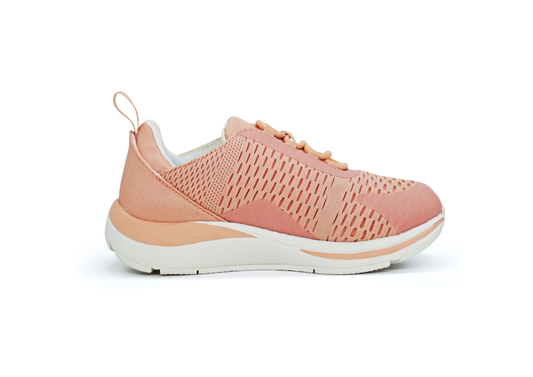
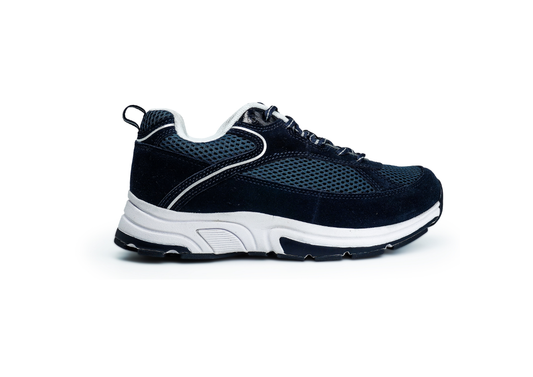

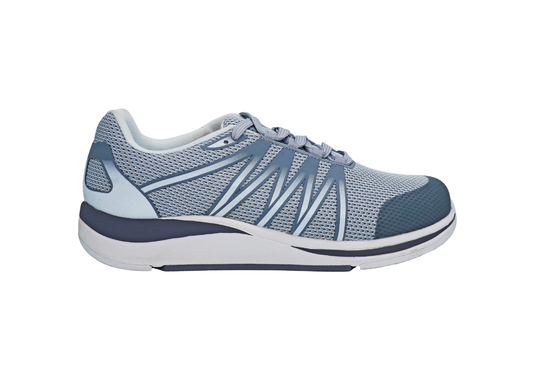

orthotic shoes
Orthotic Shoes for Foot Health: Expert Solutions for Pain Relief and Support
By Dr. Subramanyam Balaji, Ortho Shoes Corporation
Orthotic shoes are purpose-built footwear that support and relieve a range of foot conditions. They can benefit people with plantar fasciitis, flat feet, diabetes-related foot problems, arthritis, and heel pain. This article explains how orthotic shoes promote foot health, outlines key design features, and details the benefits for specific conditions. We also give practical recommendations and describe the main types available on the market.
Understanding orthotic footwear can markedly improve quality of life for people with chronic foot pain. This guide defines orthotic shoes, summarizes their medical benefits, and offers practical tips to help you choose the right pair to improve comfort and mobility.
Role of Orthotic Shoes in Foot Health
Orthotic shoes support foot health by improving stability and redistributing pressure across the foot. Enhanced arch support, targeted cushioning, and improved alignment reduce pain and help the foot function more efficiently.
They also address underlying causes of pain. For example, in flat feet, orthotic support reduces overpronation, which can increase strain on the knees and hips. Proper support promotes a healthier gait and lowers the risk of related injuries.
Key Features
Orthotic footwear incorporates specific features designed to increase comfort and corrective support for feet with medical needs.
| Feature | Description | Benefit |
|---|---|---|
| Customizable Support | Many orthotic shoes allow for personalized insoles or arch supports. | Tailored fit for individual foot shapes and conditions. |
| Wider and Deeper Fit | Orthotic shoes often come with a wider toe box and deeper design. | Reduces pressure on bunions and other foot deformities. |
| Cushioned and Shock-Absorbing Soles | High-quality cushioning materials are used in the soles. | Provides comfort and absorbs impact during walking or standing. |
Taken together, these design elements ensure orthotic shoes meet the specific needs of people with common foot ailments.
Benefits for Various Foot Conditions
Orthotic shoes can relieve chronic foot pain, support structural deformities, and aid recovery after injury or surgery.
- Chronic Foot Pain Relief: Orthotic shoes can significantly reduce discomfort associated with conditions like plantar fasciitis and arthritis by providing targeted support and cushioning.
- Support for Foot Deformities: Individuals with conditions such as bunions or hammertoes benefit from the wider fit and customizable support that orthotic shoes offer.
- Recovery from Injury or Surgery: After foot surgery or injury, orthotic shoes can facilitate healing by providing the necessary support and reducing strain on the affected areas.
For effective solutions, Orthoshoes offers orthotic footwear designed to address these needs, providing targeted comfort and structural support for a range of foot conditions.
Recommendations for Use
To get the most benefit from orthotic shoes, follow these recommendations:
- Consultation with Specialists: Before purchasing orthotic shoes, it is advisable to consult with a podiatrist or orthopedic specialist to determine the best type of footwear for your specific condition.
- Consistency in Use: Regularly wearing orthotic shoes can help maintain foot health and prevent the recurrence of pain.
- Fit and Comfort Considerations: Ensure that the shoes fit well and provide adequate support without causing discomfort. It may be necessary to try different styles to find the most suitable option.
What Are Orthotic Shoes and How Do They Improve Foot Health?
Orthotic shoes are specialized footwear that support and correct foot abnormalities. They redistribute pressure, increase stability, and provide cushioning to reduce pain. They are used to address issues such as overpronation and flat feet that impair mobility.
Definition and Types of Orthotic Shoes
Orthotic shoes come in several types, each aimed at specific conditions. Common examples include:
- Diabetic Footwear: Designed to prevent complications in individuals with diabetes, these shoes often feature seamless interiors and extra cushioning. For specialized options, explore diabetic footwear.
- Plantar Fasciitis Relief Shoes: These shoes provide targeted arch support and cushioning to alleviate heel pain associated with plantar fasciitis.
- Flat Feet Support Shoes: Specifically designed for individuals with flat feet, these shoes offer enhanced arch support and stability.
Medical Benefits of Orthotic Footwear for Common Conditions
Orthotic footwear offers measurable medical benefits. It can ease plantar fasciitis pain through arch support and cushioning, and in people with diabetes it reduces pressure points that can lead to complications.
Clinical studies report improvements in foot function and lower pain levels when patients use orthotic shoes, supporting their role in comprehensive foot care.
How Do Orthotic Shoes Provide Relief for Plantar Fasciitis and Heel Pain?
Orthotic shoes relieve plantar fasciitis and heel pain through targeted design. Typical elements include:
- Arch Support: Proper arch support helps to distribute weight evenly across the foot, reducing strain on the plantar fascia.
- Cushioned Soles: The use of cushioned materials in the soles absorbs shock and provides comfort during movement.
- Proper Fit: Ensuring a snug fit prevents excessive movement within the shoe, which can exacerbate pain.
Key Features of Plantar Fasciitis Relief Shoes
For plantar fasciitis, choose shoes with strong arch support, cushioned insoles, and a stable base to maintain alignment and reduce heel strain.
- Arch Support: Essential for reducing strain on the plantar fascia.
- Cushioned Insoles: Provides comfort and shock absorption.
- Stability: A stable base helps maintain proper foot alignment.
For targeted solutions, consider shoes for heel pain designed specifically for this condition.
Scientific Evidence Supporting Orthotic Treatment for Heel Pain
Multiple studies have shown orthotic footwear reduces heel pain and improves mobility. These findings underscore the importance of selecting appropriate footwear as part of a treatment plan.
What Are the Best Orthotic Shoes for Flat Feet and Arch Support?
For flat feet, the best orthotic options provide firm arch support and stability. Suitable choices include arch-support sneakers, custom orthotics, and stability shoes.
- Arch Support Sneakers: These shoes provide the necessary support to help stabilize the foot and prevent overpronation.
- Custom Orthotics: Custom-made insoles can be added to regular shoes to enhance support and comfort.
- Stability Shoes: Designed to provide additional support, these shoes help maintain proper foot alignment.
Choosing the Right Orthotic Inserts for Arch Stability
When choosing inserts for arch stability, consider material durability, correct fit inside your shoes, and the type of support needed for flat feet or high arches.
- Material: Look for durable materials that provide adequate support and cushioning.
- Fit: Ensure that the inserts fit well within your shoes without causing discomfort.
- Type of Support: Choose inserts that cater to your specific foot condition, whether it be flat feet, high arches, or other issues.
Why Are Men’s Diabetic Footwear Essential for Preventing Complications?
Men’s diabetic footwear helps prevent diabetes-related foot complications by offering protection, structural support, and pressure relief to reduce ulcer risk.
- Injury Prevention: The right footwear can help prevent injuries by providing adequate support and protection.
- Structural Support: Properly designed diabetic shoes offer structural support to accommodate foot deformities.
- Ulcer Mitigation: By reducing pressure points, these shoes help prevent the formation of diabetic foot ulcers.
Features of Men’s Diabetic Shoes That Protect Foot Health
Men’s diabetic shoes typically include several protective features:
- Seamless Interior: Reduces friction and irritation on the skin.
- Proper Fit: Ensures that the shoes do not rub against sensitive areas.
- Cushioned Soles: Provides comfort and shock absorption to protect the feet.
Role of Orthotic Shoes in Preventing Diabetic Foot Ulcers
Orthotic shoes help prevent diabetic foot ulcers by protecting vulnerable areas and lowering pressure. Important design features include seamless interiors, cushioned footbeds, and extra depth and width.
- Seamless Interiors: Minimize friction and irritation.
- Cushioned Footbeds: Absorb shock and reduce pressure on sensitive areas.
- Extra Depth and Width: Accommodate foot deformities and prevent rubbing.
Managing diabetic foot complications often involves specialized footwear and orthoses to reduce pressure and enhance stability.
Orthotic Solutions for Diabetic Foot Complications
Diabetic foot affects more than one-fifth of patients with diabetes. If not treated in time, it may progress to diabetic foot ulcers or Charcot arthropathy. Shoe modifications and orthoses can reduce pressure on the affected foot and provide increased stability. In addition, these modifications and devices can relieve discomfort during walking.
Orthotic approach to prevention and management of diabetic foot: A narrative review, MC Chang, 2022
How Do Walking Shoes with Arch Support Enhance Mobility and Comfort?
Walking shoes with arch support support the foot’s natural structure to improve mobility and comfort. They help to:
- Improve Alignment: Proper arch support helps maintain correct foot alignment, reducing strain on the knees and hips.
- Enhance Stability: A stable base allows for more confident movement, especially during walking or running.
- Reduce Fatigue: Cushioned soles and supportive structures help reduce fatigue during prolonged periods of standing or walking.
Design Elements That Improve Walking Comfort and Stability
Design elements that improve walking comfort and stability include arch support, cushioned soles, and a wide toe box.
- Arch Support: Essential for maintaining proper foot alignment.
- Cushioned Soles: Provide shock absorption and comfort.
- Wide Toe Box: Allows for natural toe splay and reduces pressure on the forefoot.
Customer Testimonials on Walking Shoes for Arch Support
Users commonly report reduced foot pain and better stability after switching to walking shoes with arch support, reinforcing the role of proper footwear in maintaining foot health.
What Should You Consider When Choosing Orthotic Shoes?
When choosing orthotic shoes, prioritize cushioning, correct arch support, and a proper fit to ensure comfort and clinical effectiveness.
- Cushioning: Look for shoes with adequate cushioning to absorb shock and provide comfort.
- Arch Support: Ensure that the shoes offer proper arch support tailored to your foot type.
- Fit Considerations: A proper fit is crucial for preventing discomfort and ensuring effective support.
Important Features: Cushioning, Arch Support, and Fit
The three critical features to prioritize are cushioning for shock absorption, arch support for stability, and a good fit for overall comfort and function.
- Cushioning: Essential for shock absorption and comfort during movement.
- Arch Support: Provides stability and helps prevent foot pain.
- Fit: A well-fitting shoe is vital for comfort and effectiveness.
How to Select Orthotic Shoes Based on Specific Foot Conditions
To select orthotic shoes for a specific condition, identify the support your foot needs, follow specialist recommendations, and seek professional assessment.
- Consideration of Foot Conditions: Identify your specific foot condition and the type of support required.
- Recommendations for Each Condition: Seek advice from specialists on the best footwear options for your needs.
- Importance of Professional Advice: Consulting with a podiatrist can help ensure that you choose the most suitable orthotic shoes.
For men's orthopedic footwear, explore men's orthopedic shoes. For women's specific needs, discover women's orthopedic shoes designed for comfort and support.
Following these guidelines helps you make informed footwear choices that improve foot health and daily comfort.
Frequently Asked Questions
1. How can I tell if I need orthotic shoes?
If you have persistent foot pain, discomfort while walking, or a diagnosis such as plantar fasciitis or flat feet, consider orthotic shoes. Signs include frequent foot fatigue, trouble finding comfortable shoes, or a noticeable change in your gait. A podiatrist can assess your condition and recommend the most appropriate footwear.
2. Are orthotic shoes suitable for everyday wear?
Yes. Orthotic shoes are suitable for everyday wear and support activities like walking and standing. They provide cushioning and stability to reduce discomfort. Many models balance function and style, but always choose a pair that fits your foot health needs.
3. Can I use orthotic inserts in regular shoes?
Yes. Inserts can enhance support in regular shoes if there is enough internal space. Check that the added insert does not make the shoe tight or cause discomfort. For best results, consider shoes designed to accept orthotic inserts.
4. How often should I replace my orthotic shoes?
Replace orthotic shoes every 6 to 12 months depending on wear and activity level. Replace them sooner if the soles show visible wear, cushioning degrades, or support declines. Regular checks help prevent a return of pain—consult a specialist if unsure.
5. Are there specific brands known for quality orthotic shoes?
Several brands produce quality orthotic shoes, including New Balance, Brooks, and ASICS, which offer supportive models. Orthofeet and Vionic specialize in orthotic footwear across a range of styles. Choose a brand that matches your arch type and foot shape for the best fit.
6. Can children benefit from orthotic shoes?
Yes. Children with flat feet or overpronation can benefit from orthotic shoes. Early intervention supports healthy development and mobility. Consult a pediatric podiatrist to determine if orthotics are appropriate and to guide sizing and fit.
7. What should I look for when buying orthotic shoes online?
When buying online, check sizing charts, return policies, and customer reviews. Know your exact size and look for arch support, cushioning, and a wide toe box. A satisfaction guarantee or easy returns reduces the risk when you order remotely.
