
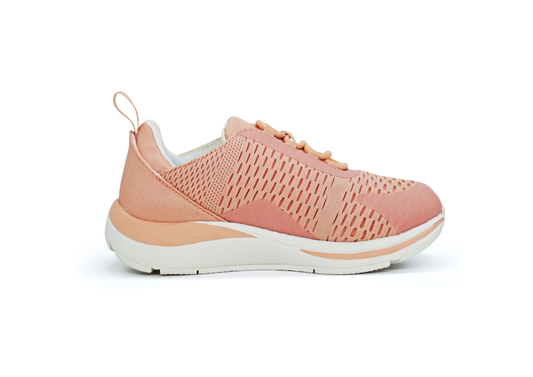
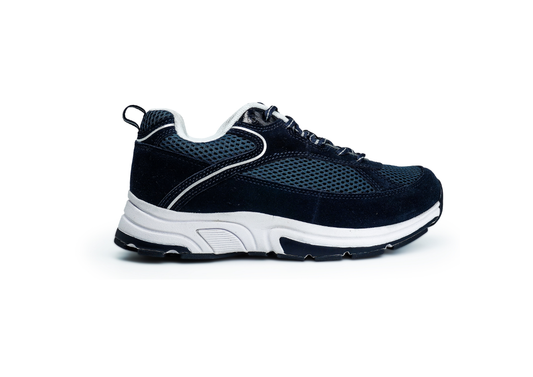

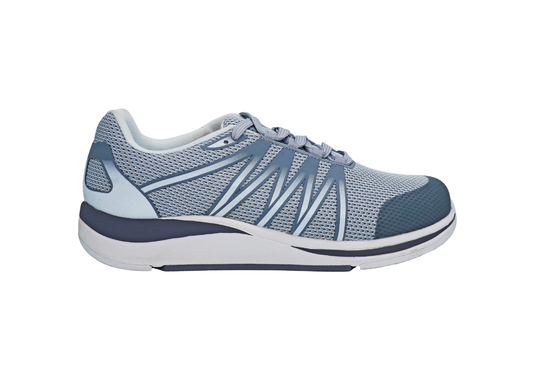

comfortable shoes for problem feet
Comfortable Shoes for Problem Feet: Expert Solutions for Pain Relief and Support
By Dr. Subramanyam Balaji, Ortho Shoes Corporation
Choosing the right footwear is essential for people with problem feet—poorly fitting shoes often worsen pain and limit mobility. This article explains the structural shoe features that matter, condition-specific solutions, and practical recommendations to reduce discomfort. Whether you have plantar fasciitis, bunions, flat feet, or diabetes-related foot concerns, the correct shoe choices can improve comfort and daily function. We cover key support features, expert guidance, and fitting tips so you can make informed decisions.
Key Support Features
Selecting shoes for problem feet requires attention to specific structural features that deliver support and cushioning. These elements improve fit and reduce the mechanical stresses that contribute to pain.
| Feature | Description | Benefit |
|---|---|---|
| Arch Support | Provides stability and alignment for the foot | Reduces strain on ligaments and tendons |
| Cushioned Soles | Soft padding that absorbs shock during walking | Minimizes impact on joints and reduces pain |
| Roomy Toe Box | Extra space for toes to move freely | Prevents discomfort and pressure on the toes |
Combined, these features create a stable, cushioned environment that helps manage pain and supports foot health across a range of conditions.
Expert Solutions for Pain Relief
The right shoes can significantly reduce symptoms. Clinicians recommend feature sets tailored to each condition to maximize pain relief and daily comfort.
- Plantar Fasciitis: Look for shoes with excellent arch support and cushioned soles to alleviate heel pain.
- Bunions: Opt for shoes with wide toe boxes and soft uppers to reduce pressure on the bunion area.
- Diabetic Foot Issues: Select diabetic footwear that offers seamless interiors and extra depth to accommodate custom orthotics.
Consulting a specialist provides personalized recommendations based on your foot structure and condition, ensuring footwear addresses your specific needs.
Recommendations for Specific Conditions
Certain brands and styles prioritize therapeutic features and are consistently recommended for problem feet. Below are practical options to consider.
- Best shoes for plantar fasciitis: Look for brands that emphasize arch support and cushioning, such as OrthoFeet, which specializes in orthopedic footwear.
- Recommended brands for bunions: Brands that offer wide-fit options and soft materials are ideal for bunion relief.
- Diabetic footwear features: Shoes designed for diabetics should have cushioned, shock-absorbing soles and seamless interiors to prevent irritation.
OrthoFeet offers a range of options focused on these therapeutic features, helping you find a better fit for specific foot problems.
Additional Considerations
Beyond shoe selection, consult a podiatrist for a clinical assessment of your foot structure. Always try shoes on—comfort varies by brand and model—and assess fit with any orthotics you plan to use.
What Are the Best Shoes for Plantar Fasciitis?
The best shoes for plantar fasciitis combine strong arch support, responsive cushioning, and a precise fit. Prioritize stability and shock absorption to reduce heel pain during walking and standing.
How Do Orthopedic Shoes Alleviate Plantar Fasciitis Pain?
Orthopedic shoes limit overstretching of the plantar fascia by providing structured arch support. Cushioned midsoles lower heel stress, and firm heel counters stabilize the rearfoot to promote better alignment and comfort.
Key Features to Look for in Plantar Fasciitis Footwear
When shopping for plantar fasciitis footwear, prioritize these features:
- Excellent Arch Support: Essential for maintaining foot alignment and reducing pain.
- Cushioned Soles: Help absorb impact and provide comfort during movement.
- Roomy Toe Boxes: Prevent discomfort and allow for natural toe movement.
These elements are fundamental when selecting footwear that supports rehabilitation and everyday comfort.
Clinical research highlights the importance of arch support: prefabricated orthotics reduce repetitive stress on the plantar fascia and can relieve symptoms. When shoes are impractical at home, orthotic sandals can extend the period the foot receives support and may increase symptom relief.
Orthotics and Orthotic Sandals for Plantar Fasciitis Pain Relief
Plantar fasciitis (PF) affects around 10% of the population. Prefabricated orthotics with arch support has been shown to provide symptom relief in PF by decreasing the repetitive stress sustained by the plantar fascia. However, prefabricated orthotics are only effective when shoes are worn, meaning the foot may be left unsupported when it is impractical to wear shoes. Using orthotic sandals in conjunction with prefabricated orthotics may increase PF symptom relief, as they can be worn inside the home, extending the period in which the foot is supported.
Use of orthotics with orthotic sandals versus the sole use of orthotics for plantar fasciitis: Randomised controlled trial, 2023
Which Orthopedic Shoes Effectively Support Bunions?
Effective bunion-support shoes combine a wide toe box, reliable arch support, and soft uppers to reduce pressure on the bony prominence and improve comfort during walking.
Design Elements That Reduce Bunion Discomfort
To alleviate bunion discomfort, look for shoes with the following design elements:
- Wide Toe Boxes: Allow for natural toe movement and reduce pressure.
- Soft Materials: Minimize friction and irritation on the bunion.
- Adjustable Features: Accommodate swelling and provide a customized fit.
These design choices reduce rubbing and pressure, making it easier to manage bunion pain day to day.
How to Choose Shoes for Bunion Relief and Comfort
When selecting shoes for bunion relief, consider the following tips:
- Look for Wide-Fit Options: Ensure that the shoes provide ample space for your toes.
- Prioritize Comfort Over Size: Choose shoes that feel comfortable rather than focusing solely on size.
- Consult a Podiatrist for Advice: Professional guidance can help you find the best options for your foot structure.
How Do Supportive Shoes Help Flat Feet?
Supportive shoes help manage flat feet by providing arch support to lift the collapsed arch. Stability features limit excessive motion and cushioning reduces stress on high-pressure zones.
The Role of Arch Support in Flat Feet Footwear
Arch support improves alignment and reduces pain in flat feet. Proper support lowers the risk of injury related to misalignment and makes daily activities more comfortable.
Benefits of Cushioned Orthopedic Shoes for Flat Feet
Cushioned orthopedic shoes offer several benefits for individuals with flat feet:
- Provides Arch Support and Stability: Essential for maintaining proper foot alignment.
- Absorbs Shock During Walking: Reduces impact on joints and minimizes pain.
- Allows for Natural Toe Movement: Enhances comfort and prevents cramping.
These advantages make cushioned orthopedic shoes a practical option for managing flat feet and improving comfort.
What Are the Essential Features of Diabetic Foot Shoes?
Diabetic foot shoes should include the following essential features:
- Extra Depth for Custom Orthotics: Accommodates specialized inserts for better support.
- Seamless Interiors to Prevent Irritation: Reduces the risk of blisters and sores.
- Cushioned, Shock-Absorbing Soles: Protects vulnerable areas of the foot.
These features minimize pressure and friction, reducing the risk of ulcers and other complications in people with diabetes.
How Diabetic Footwear Prevents Ulcers and Pain
Diabetic footwear prevents ulcers and pain by providing extra depth to avoid pressure points, seamless interiors to reduce friction, and cushioned soles to protect vulnerable tissue—together these elements help preserve skin integrity.
Materials and Design Considerations for Diabetic Shoes
When selecting diabetic shoes, consider the following materials and design elements:
- Soft, Non-Abrasive Materials: Essential for preventing irritation and discomfort.
- Breathable Fabrics: Help keep feet dry and reduce the risk of infections.
- Adjustable Closures: Accommodate swelling and provide a secure fit.
Choosing these materials and design features helps ensure diabetic footwear meets clinical needs and reduces the risk of skin breakdown.
Which Comfortable Sneakers Are Best for Wide Feet?
For wide feet, choose sneakers that offer wide-fit options, substantial cushioning, and breathable materials to maintain comfort during extended wear.
How Wide-Fit Orthopedic Sneakers Enhance Comfort
Wide-fit orthopedic sneakers enhance comfort by providing:
- Wide Toe Boxes: Reduce pressure on the toes and allow for natural movement.
- Cushioned Insoles: Offer shock absorption and support during activities.
- Breathable Materials: Promote airflow and keep feet comfortable.
Together, these elements reduce pressure points and improve day-long comfort for people with wider feet.
Choosing Sneakers with Proper Cushioning and Support
When selecting sneakers, ensure they have:
- Arch Support: Essential for maintaining foot alignment.
- Proper Fit and Comfort: Try on shoes to ensure they feel good.
- Consider Adjustable Features: Allow for a customized fit.
Prioritize arch support, a true fit, and adjustable elements to find sneakers that sustain comfort and alignment during activity.
How Do Heel Pain Relief Shoes Improve Foot Health?
Heel pain relief shoes combine cushioning to reduce impact with targeted arch support to restore alignment, lowering stress on the heel and supporting recovery.
Orthopedic Solutions for Heel Pain and Plantar Fasciitis
Orthopedic designs for heel pain focus on structured arch support and adequate cushioning—features that reduce load on the plantar fascia and aid symptom relief.
Features That Provide Effective Heel Pain Support
Effective heel pain support shoes typically include:
- Cushioned Soles: Absorb shock and reduce impact on the heel.
- Arch Support: Prevents overstretching of the plantar fascia.
- Roomy Toe Boxes: Enhance comfort and prevent cramping.
These features are essential for managing heel pain effectively.
For comprehensive options catering to men and women with specific foot needs, explore the dedicated collections available at men's orthopedic shoes and women's orthopedic shoes. These ranges deliver targeted support and comfort for common foot conditions.
Frequently Asked Questions
What should I consider when buying shoes for flat feet?
Prioritize arch support, stability, and cushioning. Look for a firm heel counter to control overpronation and a roomy toe box for natural movement. Try shoes at the end of the day when feet are slightly swollen, and consult a podiatrist for recommendations tailored to your foot structure.
Can I use custom orthotics with regular shoes?
Yes. Custom orthotics will work in regular shoes if there is enough internal space. Choose shoes with removable insoles and solid overall support so the orthotics can function correctly. Confirm the shoes still provide adequate arch support and cushioning.
How often should I replace my orthopedic shoes?
Replace orthopedic shoes every 6 to 12 months depending on use and wear. Replace them sooner if you see sole wear, notice loss of cushioning, or experience increased discomfort. Regularly checking shoe condition helps maintain foot support.
Are there specific brands known for comfortable shoes for problem feet?
Yes. Brands such as OrthoFeet, New Balance, and Brooks are known for focusing on arch support and cushioning. ASICS and Saucony also offer models aimed at particular foot issues. Try different brands and styles to find the best fit for your needs.
What role do insoles play in foot comfort?
Insoles provide added arch support, cushioning, and shock absorption. They redistribute pressure across the foot to reduce pain. Custom or prefabricated orthotic insoles can address specific conditions; replace worn insoles to maintain comfort and support.
How can I ensure a proper fit when buying shoes online?
Measure both foot length and width, consult the brand's sizing chart, and read reviews for fit insights. Choose retailers with flexible return policies and consider ordering half a size up if you plan to use orthotics or have wider feet.
