
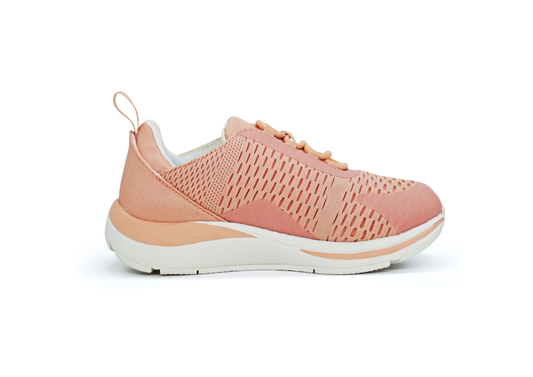
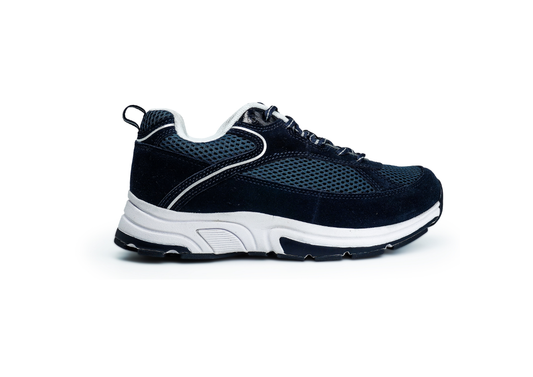

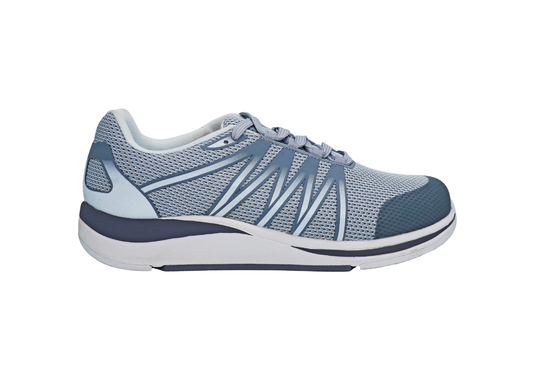

soft comfortable
Orthopedic Soft Shoes: Comprehensive Guide to Comfortable Footwear for Foot Pain Relief in India
By Dr. Subramanyam Balaji, Ortho Shoes Corporation
Choosing the right footwear is essential for people with foot pain. This guide explains orthopedic soft shoes developed to relieve pain and support foot health. You will find clear information on features, benefits, available options in India, and practical selection advice. Many experience discomfort from poor footwear; orthopedic soft shoes use specialised design and materials to address these issues. The following sections outline the features, benefits, and how to choose the correct pair.
Comprehensive Guide to Orthopedic Soft Shoes
Orthopedic soft shoes are purpose-built to support and comfort people with foot pain. They incorporate design elements that promote proper alignment and reduce discomfort, making them suitable for specific foot conditions. Well-chosen orthopedic footwear can improve mobility and overall foot health.
Features of Orthopedic Soft Shoes
Orthopedic soft shoes include several core features that support foot health:
- Arch Support: Proper arch support helps maintain foot alignment and reduces strain on the feet.
- Cushioned Soles: Soft cushioning absorbs shock and provides comfort during walking or standing.
- Adjustable Closures: Many orthopedic shoes feature adjustable straps or laces, allowing for a customized fit.
Together these features create a supportive environment that is essential for people with various foot ailments.
Benefits for Foot Pain Relief
Orthopedic soft shoes deliver measurable benefits for pain relief and function:
- Pain Reduction: The cushioning and support provided by these shoes can significantly alleviate pain associated with conditions like plantar fasciitis and arthritis.
- Improved Alignment: By promoting proper foot alignment, orthopedic shoes help reduce the risk of developing further complications.
- Enhanced Mobility: Comfortable footwear encourages movement, allowing individuals to engage in daily activities without discomfort.
For effective foot pain solutions, orthopedic shoes from reputable brands are engineered to provide targeted support and cushioning.
Available Options in India
India offers a range of orthopedic models to meet different needs:
- Diabetic Shoes: Specifically designed to accommodate sensitive feet and prevent complications.
- Athletic Orthopedic Shoes: Ideal for active individuals, providing support during physical activities.
- Casual and Dress Shoes: Stylish options that do not compromise on comfort and support.
This range enables individuals to find suitable footwear for different occasions while prioritizing foot health.
One key area of research focuses on the ergonomic design of orthopedic shoes, particularly for individuals with diabetes, to further enhance functionality and comfort.
Ergonomics of Orthopedic Shoes for Diabetics
ABSTRACT: Lopez, Erika Renee. University of Houston — ProQuest Dissertations & Theses, 2023. 32233462. The Ergonomics and Functionality of Orthopedic Shoes: A Research Study to Develop a Better Orthopedic Shoe for People with Diabetes, 2023
Recommendations for Choosing Orthopedic Soft Shoes
Follow these guidelines when choosing orthopedic soft shoes:
- Consult a Specialist: It's essential to seek advice from a healthcare professional to determine the best type of shoe for your specific condition.
- Try Before You Buy: Always try on shoes to ensure a proper fit, as comfort is paramount.
- Look for Quality Materials: High-quality materials enhance durability and comfort, making them a worthwhile investment.
Several brands offer men's orthopedic shoes that meet these guidelines, helping customers find the right fit for their needs.
What Defines Soft Comfortable Orthopedic Footwear?
Soft comfortable orthopedic footwear is defined by specific features and materials that increase support and comfort.
Key Features
Key features include:
- Arch Support: Essential for maintaining proper foot alignment.
- Cushioning: Provides shock absorption and comfort.
- Shock Absorption: Reduces impact on the feet during movement.
These features work together to improve walking comfort.
Materials Used
Common materials used in orthopedic footwear include:
- EVA Foam: Lightweight and provides excellent cushioning.
- Orthopedic-Grade Leather: Durable and supportive, ensuring longevity.
- Mesh Fabrics: Breathable materials that enhance comfort.
Manufacturers select these materials for their ability to provide reliable support while ensuring comfort throughout the day.
Benefits for Foot Health
Soft comfortable orthopedic footwear delivers clear foot-health benefits:
- Pain Relief: Reduces discomfort associated with various foot conditions.
- Improved Mobility: Encourages movement and activity.
- Prevention of Foot Conditions: Helps prevent the development of further foot issues.
These advantages underscore why investing in quality orthopedic footwear matters.
How Does Soft Cushioning Technology Enhance Foot Comfort?
Soft cushioning technology reduces impact, distributes pressure, and allows controlled flexibility. It conforms to the natural shape of the foot, lowers pressure points, and supports extended wear. As a result, users can wear these shoes longer without discomfort, making them suitable for daily use.
Which Orthopedic Soft Shoes Are Best for Diabetic Foot Care?
For diabetic foot care, look for these essential features:
- Seamless Interiors: Reduces the risk of friction and blisters.
- Cushioned Insoles: Provides additional comfort and support.
- Extra Depth and Wide Toe Box: Accommodates foot swelling and provides ample space for movement.
These elements are critical for protecting and maintaining foot health in people with diabetes.
What Features Make Soft Sole Shoes Suitable for Sensitive Diabetic Feet?
Soft-sole designs for sensitive diabetic feet typically offer:
- Seamless Interior: Prevents irritation and discomfort.
- Cushioned Insoles: Enhances comfort and support.
- Arch Support: Maintains proper foot alignment.
These design choices help individuals with sensitive feet wear their shoes comfortably throughout the day.
How Do Comfortable Orthopedic Shoes Alleviate Heel Pain and Arthritis?
Orthopedic shoes reduce heel pain and arthritis symptoms through shock absorption, even weight distribution, and improved stability. By lowering strain on affected areas, these shoes enable freer, more comfortable movement.
What Cushioning Innovations Support Heel Pain and Arthritis Relief?
Cushioning advancements for heel pain and arthritis include:
- Cushioned Soles: Provide shock absorption and comfort.
- Arch Support: Helps maintain proper foot alignment.
- Roomy Fit: Accommodates swelling and provides comfort.
Such innovations play an important role for people seeking relief from heel pain and arthritis.
What Should You Consider When Choosing Comfortable Walking Shoes in India?
When choosing comfortable walking shoes in India, prioritize:
- Fit: Ensure the shoes fit well to prevent discomfort.
- Material: Choose breathable and supportive materials.
- Support Features: Look for shoes with adequate arch support and cushioning.
These factors will help you select the best walking shoes for your needs.
Why Trust Ortho Shoes for Soft Comfortable Orthopedic Footwear?
Ortho Shoes is an Indian specialist in orthopedic footwear focused on producing soft, comfortable shoes designed to relieve foot pain and support mobility. Their range includes men's and women's orthopedic models, diabetic footwear, heel pain shoes, and arthritis footwear, all built around soft cushioning, ergonomic design, and pain-relief features. Customers can rely on established brands for quality assurance, satisfaction, and expert guidance.
How to Care for and Maintain Your Soft Comfortable Orthopedic Shoes?
Proper care preserves the longevity and performance of orthopedic shoes. Follow the best practices below to maintain function and comfort:
- Cleaning Methods: Use gentle cleaning solutions to avoid damaging materials.
- Storage Tips: Store shoes in a cool, dry place to maintain their shape.
- Material Care: Follow specific care instructions for different materials.
What Are Best Practices for Cleaning and Preserving Soft Cushioning Materials?
To preserve soft cushioning materials, follow these practical steps:
- Gentle Cleaning Solutions: Use mild detergents to avoid harsh chemicals.
- Avoiding Harsh Chemicals: Steer clear of bleach and other strong cleaners.
- Proper Drying Techniques: Allow shoes to air dry naturally, avoiding direct sunlight.
These steps help maintain the cushioning, structure, and comfort of your orthopedic shoes.
Frequently Asked Questions
What are the signs that I need orthopedic soft shoes?
If you have persistent foot pain, pain while walking, or conditions such as plantar fasciitis, arthritis, or diabetes, consider orthopedic soft shoes. Other signs include swelling, calluses, or trouble finding comfortable footwear. These shoes provide targeted support and cushioning to reduce pain and improve mobility. A healthcare professional can confirm whether they are appropriate for your needs.
How do I know my correct shoe size for orthopedic footwear?
Measure your feet at the end of the day when they are at their largest. Use a ruler or tape to record length and width, and try shoes with the socks you plan to wear. Ensure adequate toe-box space and supportive fit without tightness. Refer to the manufacturer's size chart for the most accurate fit.
Can I wear orthopedic shoes for sports or physical activities?
Yes. Many orthopedic shoes are made for sports and physical activities, offering the support, cushioning, and stability needed during exercise. Choose models labelled for athletic use so they meet the demands of your chosen activity.
Are orthopedic soft shoes suitable for children?
Yes. Orthopedic soft shoes can suit children who experience foot pain or have specific conditions. Since children's feet are still developing, proper footwear can help prevent future problems. Select shoes with good arch support, cushioning, and a correct fit, and consult a pediatrician or podiatrist for guidance.
How often should I replace my orthopedic shoes?
Replace orthopedic shoes every 6 to 12 months depending on usage and wear. Look for visible sole wear, reduced cushioning, or loss of support as signs to replace them. Regular inspection helps maintain optimal foot health; if comfort or support declines, replace the pair.
Can I customize my orthopedic shoes for better fit and comfort?
Yes. Many orthopedic shoes can be customised with options such as custom orthotic insoles, adjustable straps, or removable insoles to accommodate personal orthotics. Some brands offer multiple widths and sizes. Consult a specialist to determine the best customisation for your needs.
