
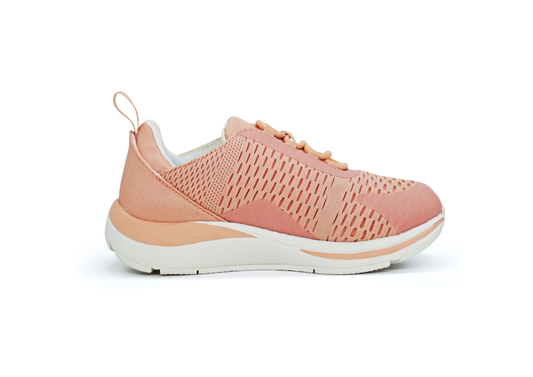
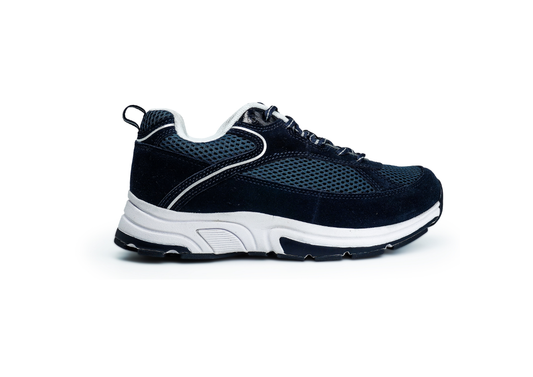

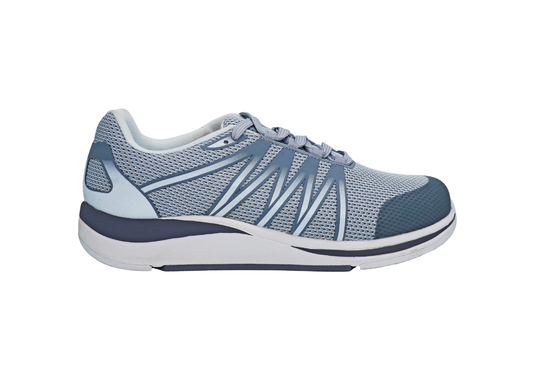

supportive shoe brands
Supportive Shoe Brands: Comprehensive Guide to Orthopedic Footwear Solutions for Foot Health
By Dr. Subramanyam Balaji, Ortho Shoes Corporation
Supportive shoe brands make a measurable difference in foot health, especially for people with conditions like plantar fasciitis, flat feet and arthritis. These specialised shoes are built to deliver comfort, stability and targeted pain relief through features such as arch support and cushioned soles. This guide outlines the core features, clinical benefits and condition-specific recommendations so you can choose footwear that supports better foot health and daily function.
Comprehensive Guide to Supportive Shoe Brands and Orthopedic Footwear Solutions for Foot Health
Supportive shoe brands design footwear to address defined foot health problems. Orthopedic shoes provide structured support and cushioning that reduce strain on soft tissues and joints. Many models use advanced materials and construction informed by podiatric practice and biomechanical research. Proper footwear can improve mobility and lower pain, helping people remain active with less discomfort.
Key Features of Orthopedic Footwear:
Orthopedic footwear includes several consistent features that support foot health. These elements target pressure distribution, shock absorption and toe alignment to reduce symptoms and protect against further injury.
- Arch Support: Proper arch support helps distribute weight evenly across the foot, reducing strain on the arches and preventing pain.
- Cushioned and Shock-Absorbing Soles: These soles provide additional comfort and help absorb impact, making walking and standing more comfortable.
- Wide and Roomy Toe Boxes: A spacious toe box allows for natural toe movement and reduces the risk of bunions and other foot deformities.
Together, these design features create a stable, low‑stress environment for the foot and are often recommended by clinicians for people with specific conditions.
Benefits of Orthopedic Footwear:
Wearing orthopedic footwear delivers several practical benefits. Users typically experience reduced pain, improved comfort during activity and less risk of condition progression when shoes are chosen correctly.
- Pain Relief: Orthopedic shoes are designed to alleviate pain associated with various foot conditions, providing much-needed relief for individuals suffering from chronic foot pain.
- Improved Mobility: By providing the necessary support, these shoes can enhance mobility, allowing individuals to move more freely and comfortably.
- Prevention of Further Complications: Proper footwear can help prevent the progression of foot conditions, reducing the risk of developing more severe issues in the future.
These outcomes underscore why selecting the right footwear matters for maintaining function and preventing further foot problems.
Recommendations for Specific Conditions:
Select shoes based on the condition you need to manage. Below are focused recommendations to match common problems with the design features that address them.
Plantar Fasciitis:
For plantar fasciitis, choose shoes with firm arch support and generous heel cushioning. Recommended brands include:
- OrthoFeet: Known for their specialized orthopedic footwear, they provide excellent arch support and cushioning.
- New Balance: Offers a range of shoes designed for comfort and support, ideal for those with plantar fasciitis.
- Brooks: Their running shoes often feature advanced cushioning technologies that help alleviate heel pain.
Heel Pain:
If heel pain is your main issue, prioritise extra heel cushioning and strong shock absorption. Recommended brands include:
- OrthoFeet: Their designs focus on providing relief for heel pain through cushioned soles and arch support.
- ASICS: Known for their gel cushioning technology, which helps absorb shock and reduce heel pain.
- Saucony: Offers a variety of running shoes with excellent cushioning and support.
When searching for footwear specifically designed to combat heel pain, prioritise models with proven cushioning and reliable shock absorption.
Flat Feet (Pes Planus):
People with flat feet need shoes that offer stability and strong arch support to improve alignment and reduce fatigue. Recommended brands include:
- OrthoFeet: Their footwear is specifically designed to support flat feet and improve overall foot alignment.
- Vionic: Known for their orthotic footbeds that provide excellent arch support for flat feet.
- Hoka One One: Offers shoes with a wide base and cushioning, ideal for those with flat feet.
High Arches (Pes Cavus):
For high arches, look for shoes with substantial midfoot cushioning and flexible support to distribute pressure. Recommended brands include:
- OrthoFeet: Their footwear provides the necessary support for high arches, helping to alleviate discomfort.
- Nike: Offers a range of shoes with good arch support and cushioning for high-arched individuals.
- Adidas: Known for their Boost technology, which provides excellent cushioning and support.
Diabetes:
Diabetic footwear should prioritise protection, extra depth and low‑friction interiors to reduce the risk of skin breakdown. Recommended brands include:
- OrthoFeet: Their diabetic footwear is designed to prevent complications and provide comfort.
- Dr. Comfort: Specializes in diabetic shoes that offer extra depth and cushioning.
- Propet: Offers a range of diabetic-friendly shoes with protective features.
For specialised diabetic care, review the diabetic footwear options tailored to protection and comfort.
Arthritis:
Supportive shoes for arthritis focus on cushioning and reduced joint stress to help maintain daily activity. Recommended brands include:
- OrthoFeet: Their designs focus on providing comfort and support for arthritic feet.
- Clarks: Known for their cushioned shoes that help alleviate pressure on joints.
- Skechers: Offers a variety of comfortable shoes with memory foam cushioning.
People managing arthritis often find measurable relief from shoes that combine extra cushioning with structural support.
Gout:
For gout, choose footwear that reduces local pressure with soft cushioning and supportive soles. Recommended brands include:
- OrthoFeet: Their footwear is designed to reduce pressure on the feet, helping to alleviate gout symptoms.
- Merrell: Offers shoes with good arch support and cushioning for those with gout.
- Ecco: Known for their comfortable and supportive footwear options.
Individuals Recovering from Injury or Surgery:
After foot injury or surgery, stability and controlled support are critical to recovery. Recommended brands include:
- OrthoFeet: Their footwear is designed to provide stability and support during recovery.
- Reebok: Offers shoes with good cushioning and support for post-injury recovery.
- Keen: Known for their supportive sandals and shoes that aid in recovery.
Mobility or Gait Issues:
When mobility or gait is affected, select shoes that enhance balance and control through firm midsoles and stable heels. Recommended brands include:
- OrthoFeet: Their designs focus on improving gait and providing necessary support.
- New Balance: Offers a range of shoes designed for stability and comfort.
- Brooks: Known for their supportive running shoes that help with gait issues.
Explore the comprehensive selection of supportive shoe brands created to address a broad range of foot health needs.
| Feature | Description | Benefit |
|---|---|---|
| Arch Support | Provides stability and alignment | Reduces strain on feet |
| Cushioned Soles | Absorbs shock and impact | Enhances comfort |
| Wide Toe Box | Allows natural toe movement | Prevents deformities |
This table summarises the core features of orthopedic footwear and how each feature reduces strain and protects foot structure for people with specific conditions.
Frequently Asked Questions
What should I consider when buying orthopedic shoes for children?
For children, prioritise correct fit, supportive construction and comfort. Choose adjustable closures like straps or laces to accommodate growth. Ensure the shoe offers arch support and adequate cushioning while remaining flexible and lightweight to allow natural gait development. When in doubt, consult a paediatric podiatrist for a professional fitting and personalised guidance.
How often should I replace my orthopedic shoes?
Replace orthopedic shoes every 6 to 12 months depending on your activity level and wear. Look for worn soles, compressed cushioning or reduced support as signs you need a new pair. If pain or discomfort returns, reassess your footwear promptly to maintain protective benefits.
Can I use custom orthotics with supportive shoes?
Yes. Many supportive shoes accommodate custom orthotics—look for models with removable insoles and sufficient depth. Confirm that the shoe maintains structural support when the orthotic is inserted. Consult your podiatrist to ensure the shoe‑orthotic combination meets your clinical needs.
Are there specific brands recommended for seniors with foot issues?
Yes. Brands such as OrthoFeet, New Balance and Skechers offer features suited to seniors: cushioned soles, adjustable fits and wide toe boxes to manage swelling and comfort. Choose shoes with slip‑resistant outsoles for safety, and discuss options with a healthcare professional to match footwear to mobility goals.
How do I know if I need orthopedic shoes?
Consider orthopedic shoes if you have persistent foot pain, a diagnosed condition such as plantar fasciitis, flat feet or arthritis, or if you fatigue quickly when walking. Other indicators include difficulty walking or visible foot deformities. A podiatric assessment will confirm whether orthopedic footwear is appropriate.
What materials are commonly used in orthopedic footwear?
Orthopedic shoes typically combine breathable mesh for ventilation, cushioned foam for shock absorption and durable rubber for traction. Leather is used for structure and durability, while moisture‑wicking liners reduce dampness. Understanding these materials helps you choose shoes that balance support, comfort and long‑term wear.
Can wearing orthopedic shoes improve my overall posture?
Yes. Orthopedic shoes that support arch and heel alignment help distribute weight more evenly across the feet. Improved foot alignment reduces strain on the back and lower limbs, which can lead to better posture and less joint discomfort over time.
Selecting the right supportive shoe brand is a practical step in preserving foot health and reducing pain from common conditions. Understanding key features—arch support, cushioning and fit—lets you choose footwear that supports mobility and daily comfort. For many people, investing in quality orthopedic shoes leads to measurable improvements in comfort and activity levels.
What Are the Best Supportive Shoe Brands for Plantar Fasciitis?
The best supportive shoe brands for plantar fasciitis include:
- OrthoFeet: Specializes in orthopedic footwear designed for comfort and support.
- New Balance: Offers a variety of shoes with excellent cushioning and arch support.
- Brooks: Known for their running shoes that provide targeted relief for heel pain.
How Do Plantar Fasciitis Shoes Provide Arch Support and Pain Relief?
Plantar fasciitis shoes use contoured insoles and structured midsoles to distribute load across the foot. That reduced strain on the plantar fascia, together with cushioned heels that absorb shock, helps lower pain during standing and walking.
Which Features Should You Look for in Orthopedic Shoes for Heel Pain?
When selecting orthopedic shoes for heel pain, look for the following features:
- Cushioning: Adequate cushioning helps absorb impact and reduce pressure on the heel.
- Arch Support: Proper arch support is essential for maintaining foot alignment and reducing strain.
- Shock Absorption: Shoes with shock-absorbing soles can help alleviate heel pain during walking or standing.
How to Choose Running Shoes with Arch Support for Flat Feet?
When choosing running shoes for flat feet, consider the following tips:
- Look for shoes with built-in arch support to help maintain proper foot alignment.
- Choose models with a wide toe box to allow for natural toe movement.
- Opt for shoes with cushioning to absorb shock and enhance comfort during runs.
What Cushioning Technologies Enhance Comfort in Running Shoes?
Several cushioning technologies enhance comfort in running shoes, including:
- Gel Cushioning: Provides excellent shock absorption and comfort.
- Air Cushioning: Offers lightweight cushioning and responsiveness.
- Foam Cushioning: Delivers a plush feel and helps reduce impact on joints.
Why Are Ergonomic Designs Essential for Flat Feet Footwear?
Ergonomic designs promote correct foot alignment and distribute pressure across the foot. Features like contoured footbeds and structured support reduce arch strain and lower the risk of pain for people with flat feet.
What Are the Top Walking Sneakers for Support and Foot Health?
The top walking sneakers for support and foot health include:
- OrthoFeet: Known for their orthopedic designs that prioritize comfort and support.
- New Balance: Offers a variety of walking shoes with excellent cushioning and arch support.
- Skechers: Known for their comfortable walking sneakers with memory foam cushioning.
How Do Walking Sneakers Alleviate Arthritis and Heel Pain?
Walking sneakers reduce joint pressure through cushioning and shock absorption while maintaining alignment with supportive midsoles. This combination lessens the load on arthritic joints and heel structures, improving walking comfort.
Which Orthopedic Footwear Brands Offer Specialized Diabetic Foot Care?
The orthopedic footwear brands that offer specialized diabetic foot care include:
- OrthoFeet: Their diabetic footwear is designed to prevent complications and provide comfort.
- Dr. Comfort: Specializes in diabetic shoes that offer extra depth and cushioning.
- Propet: Offers a range of diabetic-friendly shoes with protective features.
How Do Diabetic Footwear Products Protect Against Complications?
Diabetic footwear reduces risk by combining extra cushioning, moisture‑managing liners and seamless interiors to cut friction. These design choices help prevent blisters, calluses and ulcers that can lead to more serious complications.
What Are the Key Features of Arthritis Footwear from Leading Supportive Shoe Brands?
The key features of arthritis footwear from leading supportive shoe brands include:
- Cushioned Insoles: Provide comfort and reduce pressure on joints.
- Adjustable Straps: Allow for a customized fit, accommodating swelling and discomfort.
- Stability Features: Help maintain proper foot alignment and reduce strain on joints.
How Does Arch and Heel Support Improve Mobility in Arthritis?
Arch and heel support stabilise the foot and reduce painful motion. By maintaining alignment, these supports lower joint stress and let people move with less pain, which often improves daily function.
What Role Does Cushioning Play in Reducing Joint Stress?
Cushioning absorbs impact forces during walking and running. This shock absorption reduces load on ankles, knees and hips, helping to lower joint stress and discomfort during activity.
How Do Supportive Shoe Brands Incorporate Medical Expertise and Research?
Supportive shoe brands work with podiatrists and orthopaedic specialists to translate clinical insight into design. This collaboration ensures features target biomechanical issues identified in clinical practice and peer‑reviewed research.
What Clinical Evidence Supports Orthopedic Shoe Benefits?
Clinical evidence includes studies showing that supportive footwear can reduce pain and improve mobility for people with conditions such as plantar fasciitis and arthritis. Research and clinician recommendations inform product design and patient guidance.
How Do Brands Use Structured Data and Semantic Markup to Enhance Product Information?
Brands use structured data and semantic markup to present clear product details to search engines. This improves product discoverability and helps customers compare features and choose the right footwear more efficiently.
For men seeking supportive options, explore the men's orthopedic shoes collection for styles designed with comfort and support in mind.
For women, the women's orthopedic shoes selection offers supportive options tailored to common fit and comfort needs.
When navigating supportive shoe brands, rely on OrthoShoes' range of solutions for heel pain, diabetic care and arthritis. A correct fit and appropriate support are essential to protect your feet and preserve an active lifestyle.
