
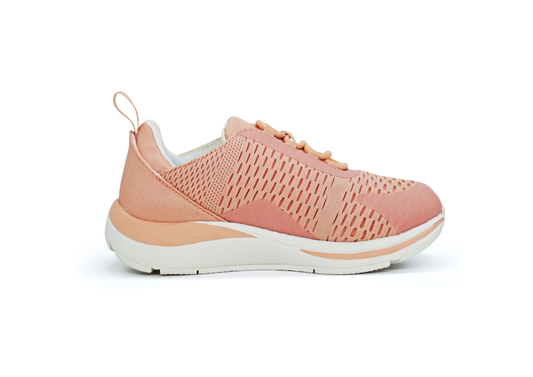
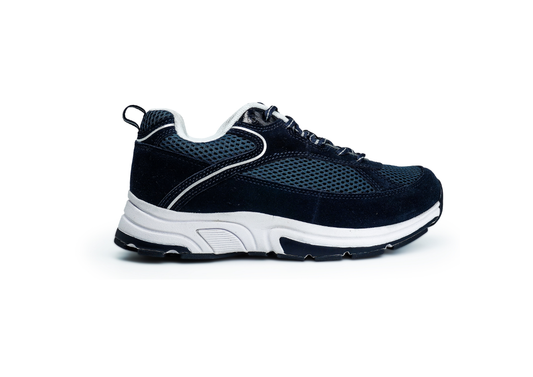

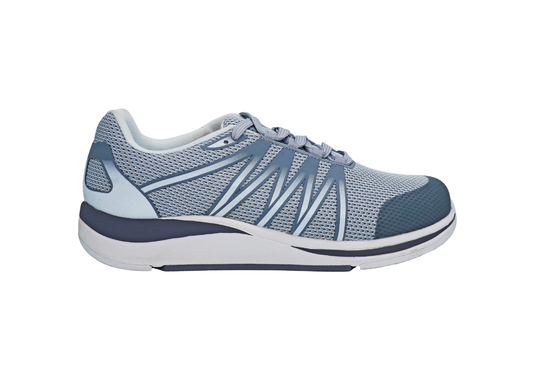

orthopedic sneakers for women
Orthopedic Sneakers for Women: Expert Guide to Foot Pain Relief and Support
By Dr. Subramanyam Balaji, Ortho Shoes Corporation
Orthopedic sneakers are engineered to provide comfort and structural support for women with foot conditions such as plantar fasciitis, flat feet, and arthritis. This guide reviews the benefits, core features, and expert recommendations to help you choose the right pair. Foot pain can limit daily activities; orthopedic sneakers offer a practical solution that combines function with contemporary style. We explain how these shoes reduce pain, which features matter most, and the measurable benefits for women's foot health.
Overview:
Orthopedic sneakers support the foot's structure and reduce pain linked to common conditions. They typically include targeted elements—arch support, cushioned midsoles, and a wider toe area—that work together to improve comfort and stability. Knowing how these design elements function helps you select a pair that meets your specific needs.
How Orthopedic Sneakers Relieve Foot Pain:
These sneakers relieve foot pain through targeted support and impact management. Arch support redistributes load across the foot, reducing pressure on sensitive tissues. Cushioned soles absorb shock to lower impact during walking or running. Wider toe boxes permit natural toe alignment and reduce cramping. Combined, these features create a controlled environment that eases pain and supports recovery.
Expert Recommendations:
Consulting a podiatrist or foot specialist provides personalised guidance based on your diagnosis and gait. Prioritise fit—a correctly sized shoe greatly improves comfort and biomechanical support. Many manufacturers now offer stylish designs that retain clinical features, so you can choose shoes that meet both therapeutic and aesthetic needs.
Key Features to Consider:
Selecting the right orthopedic sneakers means focusing on features that deliver measurable support and comfort. Below are the primary aspects to evaluate.
- Arch Support: Proper arch support is crucial for maintaining foot alignment and reducing strain on the plantar fascia.
- Cushioning: Look for sneakers with adequate cushioning to absorb shock and provide comfort during movement.
- Wide Toe Box: A wide toe box allows for natural toe movement, reducing the risk of discomfort and cramping.
| Feature | Description | Importance |
|---|---|---|
| Arch Support | Provides stability and alignment | Reduces strain on the foot |
| Cushioning | Absorbs shock during impact | Enhances comfort and reduces fatigue |
| Wide Toe Box | Allows for natural toe movement | Prevents cramping and discomfort |
These components are essential for orthopedic sneakers to effectively address pain and support long-term foot health.
Benefits for Women's Foot Health:
Wearing orthopedic sneakers can reduce pain, improve mobility, and lower the risk of complications from untreated foot conditions. Properly supported feet make daily activities easier and can improve overall quality of life.
For women dealing with persistent foot pain, investing in orthopedic sneakers can markedly improve comfort and activity levels while still offering contemporary styling.
What Are Orthopedic Sneakers and How Do They Benefit Women's Foot Health?
Orthopedic sneakers are specialised shoes designed to support the foot’s biomechanics and reduce pain from common conditions. They commonly include arch support, cushioning, and a roomy toe area that together enhance comfort and stability. Understanding these design goals helps you pick shoes that match your clinical needs.
Definition:
Orthopedic sneakers are footwear engineered to deliver targeted support and cushioning for people with foot problems. They address conditions such as plantar fasciitis, flat feet, and arthritis, making them a practical option for women seeking pain relief.
Specific Features:
Core features include arch support to preserve alignment, cushioned soles to absorb impact, and a wide toe box to allow natural toe positioning. Each element reduces stress on vulnerable structures and improves comfort during movement.
Health Benefits:
The primary health benefits are pain reduction, improved mobility, and a lower risk of secondary problems caused by inadequate support. When matched to the user’s condition, these shoes can support day-to-day function and comfort.
Recommended Usage:
For best results, wear orthopedic sneakers regularly—particularly during activities that stress the feet. A healthcare professional can advise on duration and complementary measures, such as orthotics or stretching routines.
Defining Orthopedic Sneakers: Features and Medical-Grade Support
Orthopedic sneakers incorporate medical-grade support features intended to relieve pain and protect foot structures. Arch support, strategic cushioning, and a wider toe profile are common elements that enhance their therapeutic effect. Understanding these features is key to choosing an effective shoe.
How Orthopedic Sneakers Alleviate Common Foot Conditions in Women
Orthopedic sneakers help manage conditions like plantar fasciitis, arthritis, and bunions by reducing abnormal motion and unloading stressed tissues. Their supportive design limits further strain and creates conditions favourable for symptom relief.
Which Orthopedic Sneakers Are Best for Plantar Fasciitis in Women?
For plantar fasciitis, prioritise models with pronounced arch support and reliable cushioning. Brands focused on orthopedic design often offer specific models that target heel pain and support recovery while maintaining day‑to‑day comfort.
Key Features of Plantar Fasciitis Shoes for Women
Plantar fasciitis shoes should incorporate features tailored to offload the plantar fascia and stabilise the heel. The following elements are particularly important:
- Arch Support: Essential for maintaining foot alignment and reducing strain on the plantar fascia.
- Cushioned Soles: Provide shock absorption and enhance comfort during movement.
- Firm Heel Counter: Helps stabilize the foot and prevent excessive motion.
Research underscores the critical role of these supportive elements in managing and relieving plantar fasciitis symptoms.
Orthotics and Arch Support for Plantar Fasciitis Relief
Plantar fasciitis (PF) affects around 10% of the population. Prefabricated orthotics with arch support has been shown to provide symptom relief in PF by decreasing the repetitive stress sustained by the plantar fascia. However, prefabricated orthotics are only effective when shoes are worn, meaning the foot may be left unsupported when it is impractical to wear shoes.
Use of orthotics with orthotic sandals versus the sole use of orthotics for plantar fasciitis: Randomised controlled trial, 2023
How Arch Support and Cushioning Reduce Heel Pain
Arch support stabilises the foot and reduces load on the heel, while cushioning lowers impact forces during gait. Together these features decrease heel pain and improve comfort for everyday activities.
How to Choose the Right Orthopedic Sneakers for Flat Feet?
Choose shoes that offer structured arch support, responsive cushioning, and a sufficiently wide toe area to accommodate foot shape. These elements help correct alignment and reduce discomfort associated with flat feet.
Understanding Flat Feet and Its Impact on Footwear Needs
Flat feet can cause overpronation and increased strain on supporting tissues, leading to pain during activity. Selecting footwear that restores alignment and provides stability is essential for comfort and injury prevention.
Benefits of Arch Support Shoes for Women with Flat Feet
Arch support shoes help maintain foot alignment, reduce plantar fascia strain, and improve comfort during walking or standing. Proper support can make daily tasks less painful and more sustainable.
What Are the Advantages of Lightweight and Supportive Orthopedic Sneakers?
Lightweight orthopedic sneakers reduce fatigue and make movement easier for prolonged wear. When combined with supportive features, they offer stability without adding unnecessary weight, which is beneficial for everyday use.
Materials and Design Elements That Enhance Comfort and Mobility
Breathable uppers, adjustable closures, and ergonomic midsoles improve fit and comfort. These material and design choices enhance ventilation, allow fine tuning of the fit, and support natural foot motion.
Balancing Style and Functionality in Women's Orthopedic Sneakers
Contemporary orthopedic sneakers strike a balance between clinical function and modern aesthetics. Many manufacturers produce fashionable models that retain the support features clinicians recommend.
How Do Orthopedic Sneakers Provide Effective Foot Pain Relief?
Orthopedic sneakers relieve pain by combining structural support, impact absorption, and proper fit to address the mechanical causes of discomfort. When matched to a patient’s condition, they reduce symptoms and support improved function.
Medical Research Supporting Orthopedic Footwear Benefits
Clinical studies demonstrate that features like arch support and cushioning can improve symptoms and function in people with foot conditions. The evidence supports using orthopedic footwear as part of a conservative management plan.
User Testimonials and Doctor Recommendations for Pain Management
Patient reports and clinician endorsements commonly note reduced pain and increased mobility after switching to appropriately designed orthopedic shoes. These accounts complement clinical evidence when selecting footwear.
Where Can Women Find Quality Orthopedic Sneakers with Arch Support?
Quality orthopedic sneakers with arch support are available from speciality retailers and reputable online stores. Choose brands with clear design intent and clinical features to ensure support and durability.
Navigating Ortho Shoes’ Collections for Condition-Specific Footwear
Navigating Ortho Shoes’ collections is straightforward; their site layout helps customers filter for shoes tailored to specific conditions and support needs.
Tips for Selecting and Maintaining Orthopedic Sneakers for Long-Term Use
To ensure the longevity and effectiveness of orthopedic sneakers, consider the following tips:
- Choosing the Right Fit: Ensure that the sneakers fit well and provide adequate support.
- Maintenance Tips: Regularly clean and inspect the shoes for wear and tear.
- When to Replace: Replace orthopedic sneakers when they show signs of significant wear or no longer provide adequate support.
Following these practices helps you get consistent support from your shoes and maintain optimal foot health over time.
Frequently Asked Questions
1. Can orthopedic sneakers be worn for sports or exercise?
Yes. If a model is designed for sports, it can be used for exercise. Look for shoes with sufficient arch support, cushioning, and lateral stability to meet the demands of your activity. A proper fit reduces injury risk and supports performance.
2. How do I know if I need orthopedic sneakers?
Consider orthopedic sneakers if you have persistent foot pain, reduced mobility, or diagnosed conditions such as plantar fasciitis, flat feet, or arthritis. Warning signs include difficulty walking, swelling, or pain in the feet, ankles, or lower back. A podiatrist can provide a tailored recommendation.
3. Are orthopedic sneakers stylish?
Yes. Many modern orthopedic sneakers combine clinical support with contemporary designs. You can find options in a range of colours and styles that do not compromise on comfort or function.
4. How should I care for my orthopedic sneakers?
Care for them according to the manufacturer’s instructions: clean regularly, avoid prolonged exposure to extreme heat or moisture, and inspect for worn soles or degraded cushioning. Replace shoes when they no longer provide reliable support.
5. Can I use custom orthotics with orthopedic sneakers?
Yes. Many orthopedic sneakers accommodate custom orthotics. Check for a removable insole and adequate depth to insert your orthotic without compromising fit.
6. What is the difference between orthopedic sneakers and regular sneakers?
Orthopedic sneakers are built to provide clinical support—features like arch support, cushioning, and a wider toe box—aimed at reducing pain and improving alignment. Regular sneakers may prioritise fashion or general comfort and often lack these targeted support elements.
7. How often should I replace my orthopedic sneakers?
Replace them when cushioning flattens, soles wear unevenly, or support diminishes. Typical replacement is every 6 to 12 months, depending on usage and wear patterns. Regular checks ensure continued support for foot health.
