
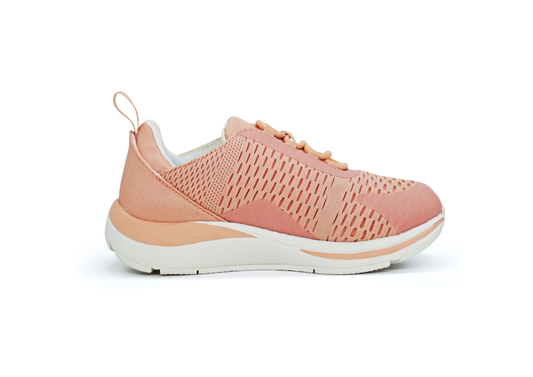
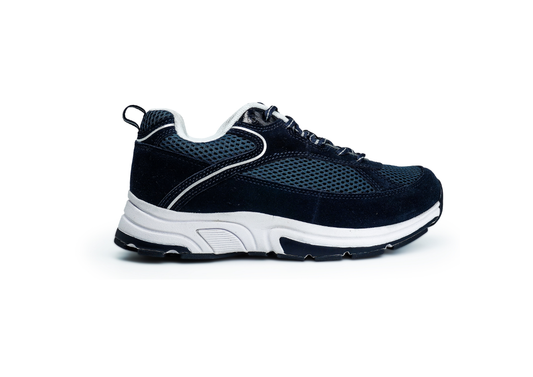

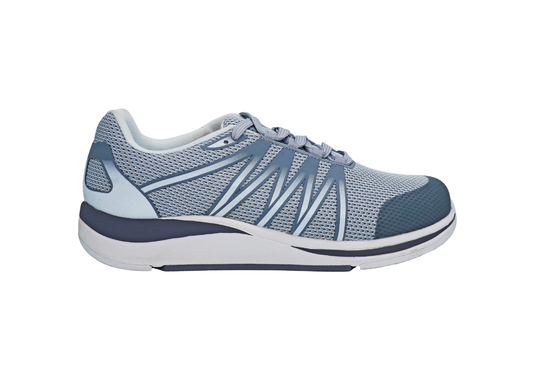

orthotic slip on shoes
Orthotic Slip On Shoes: Comprehensive Guide to Foot Pain Relief and Support
By Dr. Subramanyam Balaji, Ortho Shoes Corporation
Orthotic slip-on shoes provide targeted comfort and structural support for people with common foot conditions. These shoes integrate features—such as arch support and cushioning—that reduce pain and improve mobility. This guide explains the benefits, core design elements, and how to select the right orthotic slip-on shoes. Conditions like plantar fasciitis, heel pain and arthritis can limit daily activity; orthotic slip-ons aim to relieve those symptoms by redistributing pressure and adding shock absorption. Below we outline how they work, what features to look for, and selection tips.
Comprehensive Guide on Orthotic Slip-On Shoes
Orthotic slip-on shoes combine everyday comfort with therapeutic support for foot conditions. They commonly include built-in arch support, cushioned midsoles, and shapes that accommodate diverse foot anatomies. Their value lies in easing discomfort while supporting long-term foot health, especially for users who need easy-on footwear without losing corrective support.
Role in Foot Pain Relief and Support
Orthotic slip-on shoes reduce foot pain by delivering focused support and impact protection. Design elements such as contoured arch support and shock-absorbing materials help distribute body weight evenly and lower peak pressure on vulnerable areas. For diagnoses like plantar fasciitis, heel pain and arthritis, these features address mechanical causes of pain and can improve mobility and daily function.
Design Features
The design of orthotic slip-on shoes centres on key features that increase comfort and clinical effectiveness.
- Arch Support: This feature is crucial for maintaining proper foot alignment and reducing strain on the arches, which is particularly beneficial for individuals with flat feet or high arches.
- Cushioned Soles: Soft, cushioned soles help absorb shock and provide comfort during walking or standing, making them ideal for daily wear.
- Adjustable Closures: Many models include adjustable straps or elastic materials that allow for a customized fit, accommodating various foot shapes and sizes.
These design elements work together to support foot health while maintaining a presentable appearance for everyday use.
Benefits for Various Foot Conditions
Orthotic slip-on shoes deliver condition-specific benefits by pairing support with cushioning. The table above shows how targeted features address common problems and the relative impact they can have on symptoms.
| Foot Condition | Benefit of Orthotic Slip-On Shoes | Impact Level |
|---|---|---|
| Plantar Fasciitis | Provides arch support and cushioning to alleviate pain | High |
| Heel Pain | Reduces pressure on the heel with shock-absorbing soles | High |
| Arthritis | Offers stability and comfort, reducing joint strain | Medium |
| Diabetic Foot Care | Accommodates foot deformities and provides necessary support | High |
These effects underline why selecting the appropriate orthotic slip-on for your specific condition matters for symptom relief and function.
Recommendations for Selecting the Right Pair
Choosing the right orthotic slip-on requires attention to fit, support level and your clinical needs. The recommendations below focus on those considerations.
- Consult a Professional: It's advisable to seek guidance from a podiatrist or orthopedic specialist to determine the best shoe type for your specific condition.
- Consider Foot Type: Understanding your foot type (flat, high arch, etc.) can help in selecting shoes that provide the necessary support.
- Check for Proper Fit: Ensure that the shoes fit well without being too tight or too loose, as this can affect comfort and support.
For those seeking vetted options, Ortho Shoes offers orthotic slip-on designs intended to address plantar fasciitis, heel pain, arthritis and diabetic foot concerns.
What Are Orthotic Slip On Shoes and How Do They Support Foot Health?
Orthotic slip-on shoes are therapeutic footwear that delivers structural support and cushioning to reduce pain and improve stability. Key features—contoured footbeds, supportive arches and resilient midsoles—work together to control motion, redistribute load and protect soft tissues. They are especially useful where ease of use is needed without compromising corrective function.
Key Design Features
The key design features of orthotic slip-on shoes include:
- Customizable Support: Many models offer adjustable features to accommodate different foot shapes.
- Wider Fit: A wider toe box allows for natural toe splay, enhancing comfort.
- Cushioned Soles: These provide shock absorption, reducing impact on the feet.
Benefits for Various Foot Conditions
Orthotic slip-on shoes address conditions such as plantar fasciitis by providing arch contouring that reduces fascial strain. For arthritis, enhanced cushioning and stability lower joint loads and can ease walking. Many users report measurable improvements in comfort and activity levels after switching to orthotic footwear.
Recommendations for Use
To gain the full benefit, wear orthotic slip-on shoes consistently and follow any professional advice on duration and activity. Verify fit and comfort before extended use and adjust as recommended by your clinician.
Which Orthotic Slip On Shoes Are Best for Plantar Fasciitis and Heel Pain?
For plantar fasciitis and heel pain, select slip-ons that prioritise firm arch support, heel cushioning and a stable platform. These characteristics directly reduce strain on the plantar fascia and lower heel loading.
Characteristics of Plantar Fasciitis Shoes for Effective Relief
Effective shoes for plantar fasciitis should include:
- Arch Support: Essential for alleviating strain on the plantar fascia.
- Cushioned Soles: Help absorb shock and reduce impact on the heel.
- Proper Fit: Ensures that the shoe does not exacerbate pain.
For individuals experiencing heel pain, prioritising contoured arch support and responsive cushioning helps lower pressure at the heel and encourages more natural foot alignment.
A randomized trial compared contoured sandals, flat flip-flops and prefabricated full-length orthotics to assess relief for plantar heel pain.
Contoured Sandals vs. Orthoses for Plantar Heel Pain Relief
1. To investigate efficacy of a contoured sandal being marketed for plantar heel pain with comparison to a flat flip-flop and contoured in-shoe insert/orthosis.
2. 150 volunteers aged 50 (SD: 12) years with plantar heel pain (>4 weeks) were enrolled after responding to advertisements and eligibility determined by telephone and at first visit. Participants were randomly allocated to receive commercially available contoured sandals (n = 49), flat flip-flops (n = 50) or over the counter, pre-fabricated full-length foot orthotics (n = 51). Primary outcomes were a 15-point Global Rating of Change scale (GROC: 1 = a very great deal worse, 15 = a very great deal better), 13 to 15 representing an improvement and the 20-item Lower Extremity Function Scale (LEFS) on which participants rate 20 common weight bearing activities and activities of daily living on a 5-point scale (0 = extreme difficulty, 4 = no difficulty). Secondary outcomes were worst level of heel pain in the preceding
Orthosis-shaped sandals are as efficacious as in-shoe orthoses and better than flat sandals for plantar heel pain: a randomized control trial, B Vicenzino, 2015
Selecting Heel Pain Relief Footwear with Proper Arch Support
When selecting footwear for heel pain, prioritise a contoured footbed and adequate heel cushioning. Also evaluate shoe flexibility and build quality to ensure the model matches your comfort and support requirements.
How Do Orthotic Shoes Alleviate Common Foot Conditions?
Orthotic shoes relieve common foot conditions by stabilising foot mechanics and softening impact forces. Proper alignment and shock absorption reduce focal pressure points and tissue strain, which supports recovery and decreases daily pain for conditions like plantar fasciitis and heel pain.
How to Choose Affordable Orthopedic Footwear Without Compromising Quality?
Selecting budget-friendly orthopedic footwear requires comparing build quality, support features and long-term value rather than price alone. Use the tips below to balance cost and therapeutic benefit.
- Evaluating Price and Value: Compare different brands and models to find the best value for your budget.
- Trusted Brands: Look for reputable brands known for their quality orthopedic footwear.
- Doctor Recommendations: Seek advice from healthcare professionals regarding budget-friendly options that do not compromise on support.
Browsing dedicated collections for women's orthopedic shoes can reveal options that balance cost with clinically relevant features.
Evaluating Price and Value in Orthotic Slip On Shoes
When assessing price versus value, consider materials, sole technology and durability alongside the specific support features you need. A well-chosen pair can deliver lasting comfort and reduce future healthcare costs.
Trusted Brands and Doctor Recommendations for Budget-Friendly Options
Certain reputable brands offer reliably constructed orthotic slip-ons at accessible prices. Consultations with healthcare professionals can help identify brands that meet clinical needs without unnecessary expense.
What Are Common Questions About Orthotic Slip On Shoes and Their Usage?
Prospective users commonly ask about suitability, durability and how shoes integrate with medical care. Clear answers help match footwear to clinical needs and daily activities.
How Do Orthotic Slip On Shoes Help with Daily Foot Pain Relief?
Orthotic slip-on shoes reduce daily foot pain by supplying consistent arch support and cushioning that lower strain and impact. Many users report improved standing and walking tolerance after adopting supportive footwear.
Are Orthotic Shoes Suitable for Everyday Wear and Various Activities?
Yes. Orthotic shoes are designed for daily wear and can suit a range of low- to moderate-activity situations. For high-impact sports, consider purpose-built athletic footwear and seek professional guidance if needed.
For people with diabetes, specialised diabetic footwear is essential. These designs accommodate foot changes, reduce pressure points and help prevent complications.
Those with arthritis can benefit from orthotic shoes that emphasise cushioning and joint stability to lower pain and improve mobility.
Men seeking supportive options can review the men's orthopedic shoes collection for models that combine support with a suitable aesthetic.
Frequently Asked Questions
1. Can orthotic slip-on shoes be worn for sports or physical activities?
Orthotic slip-ons are primarily built for daily comfort and support; some models handle light activities well if they offer sufficient arch support, cushioning and stability. For high-impact sports, use specialised athletic shoes to protect performance and reduce injury risk. Consult a clinician for personalised advice based on your activity level and condition.
2. How long can I expect orthotic slip-on shoes to last?
Longevity depends on use, walking surfaces and construction quality. Typical lifespan ranges from about 6 months to 2 years with regular wear. Replace shoes when cushioning or support declines or when visible damage appears. Extending life is possible by rotating pairs and following care guidelines.
3. Are there specific brands known for high-quality orthotic slip-on shoes?
Yes. Several well-known brands focus on orthotic features and consistent build quality. Examples often recommended for comfort and support include established orthotic and athletic manufacturers. Review clinical recommendations and product reviews to find the best match for your needs.
4. How do I know if I need orthotic slip-on shoes?
Consider orthotic slip-ons if you have persistent foot pain, functional limitations or conditions such as plantar fasciitis, arthritis or diabetes. Warning signs include difficulty walking, swelling, or ongoing foot or lower-leg pain. A podiatrist or orthopedic specialist can assess your needs and advise on footwear.
5. Can I use custom orthotics with slip-on shoes?
Yes. Many slip-on models accept custom orthotics when they include removable insoles. Confirm the shoe fits comfortably with the orthotic inserted, since proper fit is essential for effectiveness. Discuss compatibility with your healthcare provider.
6. Are orthotic slip-on shoes suitable for all foot types?
Orthotic slip-ons can serve a range of foot types, including flat, high-arched and neutral feet, provided the model supplies the correct level of support and cushioning. Matching shoe features to your foot type—or seeking professional fitting—helps ensure the best outcome.
7. How should I break in my new orthotic slip-on shoes?
Break in new orthotic shoes gradually. Start with short wear periods and increase time over several days to allow tissues to adapt to new support. Monitor for pressure points and adjust fit as needed. If pain persists, consult a clinician to confirm shoe suitability.
