
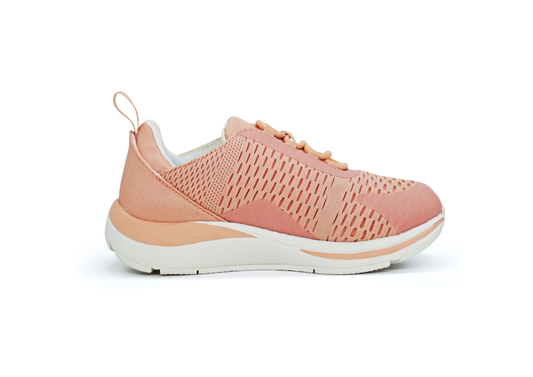
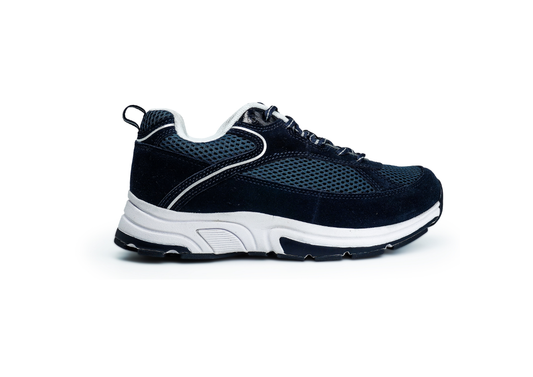

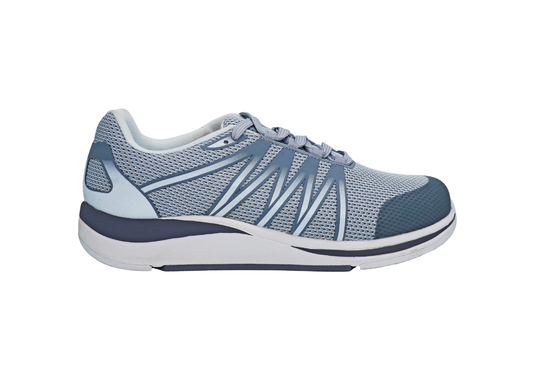

top orthopedic shoes
Top Orthopedic Shoes: Expert Guide to Foot Health and Condition-Specific Solutions
By Dr. Subramanyam Balaji, Ortho Shoes Corporation
Orthopedic shoes are engineered to provide targeted support and comfort for people with common foot problems. They help manage conditions such as plantar fasciitis, diabetes-related foot issues, arthritis, and flat feet. This guide reviews leading orthopedic models, explains their benefits, and shows how the right footwear can reduce foot pain. Chronic foot pain can erode quality of life; properly designed shoes restore support and cushioning to improve mobility. We cover options for plantar fasciitis, diabetic footwear, and recommendations for seniors.
What Are Orthopedic Shoes and How Do They Support Foot Health?
Orthopedic shoes combine features such as arch support, cushioned midsoles, and a wider toe box to improve comfort and stability. These components redistribute pressure and limit harmful motion, which reduces pain and helps maintain mobility. Proper footwear can also address mechanical causes of pain and help prevent secondary complications, making them a practical choice for people with chronic foot conditions.
Which Orthopedic Shoes Are Best for Plantar Fasciitis and Heel Pain?
When it comes to managing plantar fasciitis and heel pain, certain orthopedic shoes stand out for their supportive design and shock absorption. The best options focus on stabilising the foot, controlling motion, and reducing impact to the heel.
- Arch Support: Shoes with built-in arch support help distribute weight evenly and reduce strain on the plantar fascia.
- Cushioned Soles: A well-cushioned sole absorbs shock and provides comfort during walking or standing.
- Stability Features: Shoes that offer stability help prevent excessive foot movement, which can exacerbate pain.
Manufacturers such as Ortho Shoes produce models tailored for plantar fasciitis relief. Explore these specialized heel pain shoes for targeted comfort.
Clinical studies show that continuous foot support, both indoors and outdoors, improves symptom relief for people with plantar fasciitis.
Orthotics and Sandals for Plantar Fasciitis Relief
Plantar fasciitis (PF) affects around 10% of the population. Prefabricated orthotics with arch support has been shown to provide symptom relief in PF by decreasing the repetitive stress sustained by the plantar fascia. However, prefabricated orthotics are only effective when shoes are worn, meaning the foot may be left unsupported when it is impractical to wear shoes. Using orthotic sandals in conjunction with prefabricated orthotics may increase PF symptom relief, as they can be worn inside the home, extending the period in which the foot is supported.
Use of orthotics with orthotic sandals versus the sole use of orthotics for plantar fasciitis: Randomised controlled trial, 2023
How Arch Support and Cushioning Relieve Plantar Fasciitis Symptoms
Arch support and cushioning address plantar fasciitis by restoring alignment and reducing impact. Support holds the foot’s structure to lower strain on the plantar fascia, which matters for flat feet and high arches. Cushioning absorbs shock with each step, reducing pain during walking and standing. Choosing shoes with both features offers measurable symptom relief.
Recommended Ortho Shoes for Heel Pain: Features and Benefits
Select shoes that combine targeted cushioning, stable support, and a secure fit. Recommended Ortho Shoes models include options that emphasise arch support, shock absorption, and adjustability to reduce heel pain.
| Shoe Model | Key Features | Benefits |
|---|---|---|
| Ortho Comfort 1 | Arch support, cushioned sole | Reduces heel pain, enhances comfort |
| Ortho Flex 2 | Lightweight design, shock absorption | Provides stability, minimizes impact |
| Ortho Relief 3 | Adjustable straps, breathable material | Customizable fit, promotes airflow |
These models deliver focused heel support and cushioning, making them suitable for people seeking pain relief and improved comfort.
How to Choose Diabetic Orthopedic Shoes for Effective Foot Care?
Selecting diabetic orthopedic shoes requires attention to protective design and fit. Prioritise features that reduce pressure and skin irritation while allowing for customisation.
- Wide Toe Box: A spacious toe box prevents pressure on the toes and reduces the risk of blisters and calluses.
- Soft, Non-irritating Materials: Shoes made from soft materials minimize friction and irritation on sensitive skin.
- Removable Insoles: This feature allows for custom orthotics to be added, providing personalized support.
Prioritizing these features helps prevent pressure injuries and other complications. Discover specialized diabetic footwear options to enhance foot care.
Experts highlight therapeutic footwear's role in preventing ulceration in people with diabetes and note gaps between industry practice and clinical expectations.
Therapeutic Footwear for Diabetic Ulcer Prevention
Therapeutic footwear plays an important role in preventing ulceration in people with diabetes. Despite guidelines recommending offloading footwear for individuals at risk of ulceration, limited data are available on the alignment between current industrial practices, clinical expectations, and evidence. This study explored current practices, priorities and challenges associated with diabetic footwear from manufacturers’ and clinicians’ perspectives across Europe.
Current strategies and priorities for diabetic footwear design and production: a cross-European exploratory survey of clinicians and shoemakers, H Sarlak, 2026
Protective Soles and Extra Cushioning for Diabetic Foot Health
Protective soles and added cushioning are essential in diabetic footwear. Robust soles shield the foot from external trauma, while cushioning lowers peak pressures during walking. Together, these features reduce injury risk and improve daily comfort for people with diabetes.
Doctor-Recommended Diabetic Footwear Options from Ortho Shoes
Ortho Shoes offers diabetic models that meet common clinical criteria for foot protection and comfort. The following models are designed with those priorities in mind:
- Ortho Diabetes 1: Features a wide toe box and soft materials for maximum comfort.
- Ortho Diabetes 2: Offers excellent arch support and cushioning for all-day wear.
- Ortho Diabetes 3: Designed with a focus on breathability and moisture control.
These models are engineered to support diabetic foot care by prioritizing protection, comfort, and a secure fit.
What Are the Best Arch Support Footwear Options for Flat Feet?
People with flat feet need footwear that supplies reliable arch support to prevent pain and overuse. The best options combine a contoured footbed with stable sole construction.
- Ortho Arch Support 1: Designed with a contoured footbed to support the arch effectively.
- Ortho Arch Support 2: Features a dual-density sole for enhanced stability and comfort.
- Ortho Arch Support 3: Offers a customizable fit with adjustable straps.
These models are designed to improve alignment and reduce strain for flat feet. Explore the full range of orthopedic shoes available.
A comprehensive literature review examines orthotic solutions available for treating flat feet, a common arch deformity.
Orthotic Solutions for Flat Feet Deformity
treatment options for flat feet, which is common foot arch deformation affecting many people. We performed a literature review of ways of treating flat feet using orthoses available on the market.
Understanding flat feet: An in-depth analysis of orthotic solutions, E Bednarczyk, 2024
Which Comfortable Orthopedic Walking Shoes Are Ideal for Seniors?
Older adults often need walking shoes that prioritise support, cushioning, and a secure fit to maintain mobility and reduce fall risk. Look for lightweight, stable designs with good shock absorption.
- Ortho Senior Comfort 1: Lightweight design with excellent cushioning for easy mobility.
- Ortho Senior Flex 2: Features a slip-resistant sole for added safety during walking.
- Ortho Senior Relief 3: Offers adjustable features for a personalized fit.
These models enhance mobility and reduce fatigue, making them well suited for daily walking and activities.
What Are Common FAQs About Orthopedic Shoes and Foot Conditions?
Knowing how orthopedic shoes work helps you choose the right pair. Below are common questions and clear answers to guide your selection.
Frequently Asked Questions
How do orthopedic shoes differ from regular shoes?
Orthopedic shoes are designed for function: enhanced arch support, cushioned soles, and a wider toe box. Regular shoes often prioritise style over support. Orthopedic features reduce pain, improve alignment, and help prevent further complications for people with chronic foot conditions.
Can children benefit from orthopedic shoes?
Yes. Children with flat feet, high arches, or other developmental issues can benefit from orthopedic footwear. Proper shoes support healthy foot development and reduce discomfort. Consult a pediatrician or podiatrist to confirm need and ensure the right fit.
Are orthopedic shoes covered by insurance?
Coverage varies by insurer and plan. Many policies may cover orthopedic shoes when they are medically necessary, particularly for diabetes or severe deformities. Check your plan, obtain a prescription or documentation from a healthcare professional, and retain receipts for reimbursement.
How often should I replace my orthopedic shoes?
Replace orthopedic shoes every 6 to 12 months, depending on use and wear. Replace them if the soles show damage, cushioning is lost, or support feels reduced. Worn footwear can increase discomfort and worsen existing conditions, so inspect shoes regularly.
Can I customize orthopedic shoes for my specific needs?
Yes. Many orthopedic shoes accept custom orthotics, removable insoles, and adjustable features like straps. Material choices and fit adjustments are also common. Work with a podiatrist or orthopaedic specialist to determine the best customisations for your condition.
What should I look for when buying orthopedic shoes online?
When buying online, verify sizing charts, read customer reviews, and check return policies. Prioritise features that match your condition—arch support, cushioning, and a wide toe box. When possible, consult a healthcare professional to guide your selection.
