
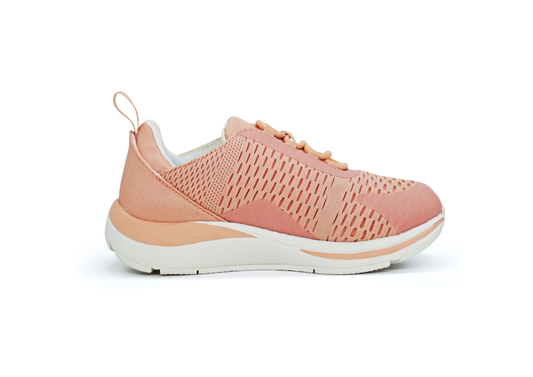
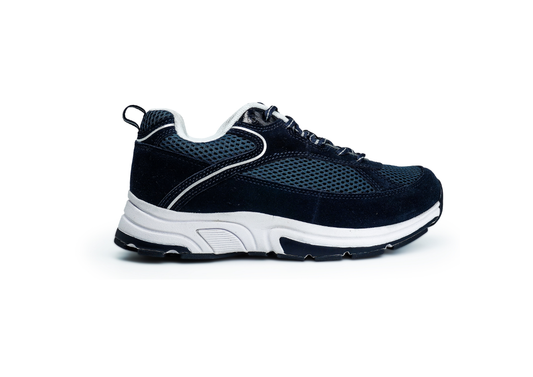

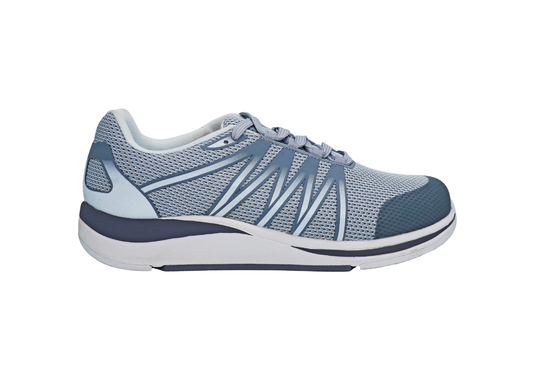

diabetic sneakers
Comprehensive Guide to Diabetic Sneakers: Choosing Comfortable and Affordable Footwear for Neuropathy Care
By Dr. Subramanyam Balaji, Ortho Shoes Corporation
Diabetic sneakers are purpose-built shoes for people with diabetes, especially those with neuropathy. They combine cushioning, support and low-friction interiors to reduce injury risk and help prevent ulcers. This guide explains the key features, clinical benefits and purchase tips, and it highlights where to find affordable options in India so you can improve mobility while protecting vulnerable feet.
Key Features
Diabetic sneakers include specific design elements to protect sensitive feet. These elements focus on reducing pressure, preventing friction and accommodating therapeutic devices to improve comfort and safety.
- Extra Depth for Custom Orthotics: Many diabetic sneakers offer extra depth to accommodate custom orthotics, ensuring a better fit and enhanced comfort.
- Seamless Interiors: The seamless design reduces friction and irritation, which is crucial for individuals with neuropathy who may have reduced sensation in their feet.
- Cushioned, Shock-Absorbing Soles: These soles help to absorb impact and reduce pressure on the feet, providing a more comfortable walking experience.
Knowing these features helps you choose shoes that address pressure points, skin breakdown and the need for orthotic devices.
Benefits
Wearing diabetic sneakers offers numerous health benefits for individuals with diabetes. These benefits include:
- Prevention of Ulcers and Blisters: The cushioning and supportive design help to minimize the risk of developing foot ulcers and blisters, which can lead to serious complications.
- Improved Circulation: Properly designed diabetic shoes promote better blood flow, which is vital for maintaining foot health.
- Enhanced Stability: The supportive structure of diabetic sneakers provides better stability, reducing the risk of falls and injuries.
These benefits reduce short- and long-term complications and support daily mobility when shoes are chosen to match clinical needs.
Recommendations
When selecting diabetic sneakers, consider the following recommendations to ensure you make the best choice:
- Consult a Professional Before Purchasing: It's advisable to seek guidance from a healthcare professional or podiatrist to find the most suitable footwear for your condition.
- Try Before You Buy: Always try on shoes to ensure a proper fit, as comfort is paramount for diabetic footwear.
- Consider Style and Comfort: While functionality is crucial, don't overlook the importance of style. Choose shoes that you feel good wearing.
Follow clinical advice, test fit and prioritise comfort to get footwear that protects your feet and suits your lifestyle.
What Are Diabetic Sneakers and How Do They Support Neuropathy?
Diabetic sneakers are specialized footwear designed to meet the needs of individuals with diabetes, particularly those experiencing neuropathy. These shoes provide essential support and cushioning to protect sensitive feet from injury. They often feature advanced materials and construction techniques that enhance comfort and reduce pressure points. By offering a secure fit and shock absorption, diabetic sneakers help to prevent foot injuries and promote overall foot health.
Footwear and Insoles to Prevent Neuropathic Ulcers
In people with diabetes, offloading high-risk foot regions by optimizing footwear or insoles can help prevent ulceration. This systematic review summarized evidence on footwear and insole features that reduce pathological plantar pressures and lower the occurrence of forefoot ulceration in people with diabetic neuropathy.
Footwear and insole design features that reduce neuropathic plantar forefoot ulcer risk in people with diabetes: a systematic literature review, S Ahmed, 2020
Understanding Diabetic Neuropathy and Foot Health Risks
Diabetic neuropathy damages nerves in the feet, often causing numbness or reduced sensation. That loss of feeling raises the risk of undetected injuries, infections and ulcers. Without appropriate footwear and regular inspection, small problems can progress to serious complications. Proper shoes are a frontline measure to reduce these risks.
Key Features of Orthopedic Shoes for Diabetes
Orthopedic shoes designed for diabetes share several key features that cater to the specific needs of individuals with this condition. These features include:
- Extra Depth and Wide Toe Box: This design allows for better accommodation of foot deformities and custom orthotics.
- Seamless Interior: Reduces friction and irritation, which is crucial for sensitive feet.
- Cushioned Insoles: Provide additional comfort and support, helping to alleviate pressure on the feet.
These design elements work together to reduce pressure, limit shear and make room for orthotics or dressings when required.
Therapeutic Footwear Design Features for Diabetic Foot Complications
Therapeutic footwear is a biomechanical intervention for neuropathy, ischemia and deformities. It is engineered to redistribute plantar pressure, absorb shock and protect tissue. Key design elements include roomy extra-depth toe boxes, reinforced heel counters for rearfoot stability, multilayered insoles that provide cushioning and total-contact support to offload bony prominences, and outsoles—often with rocker profiles—to reduce forefoot dorsiflexion and prevent forefoot ulcers. Clinicians select or modify shoes based on biomechanical principles to support gait, accommodate deformities and reduce shear. Peak plantar pressure is often highest under the forefoot and can reach 120% of body weight during ambulation. Recommendations range from off-the-shelf shoes for low-risk patients to medical-grade custom shoes for severe deformities. Modifications such as rocker sole designs and excavation techniques offer targeted offloading. Clinicians also advise gradual wear-in and daily foot inspection. Properly fitting therapeutic footwear significantly reduces mechanical stress that leads to ulcers and preserves mobility.
Footwear for Diabetic Foot Complications, M Nouman, 2025
Which Features Make Diabetic Shoes Comfortable and Effective?
Several features contribute to the comfort and effectiveness of diabetic shoes, including:
- Breathable Materials: These materials help to keep the feet dry and comfortable, reducing the risk of fungal infections.
- Cushioned, Shock-Absorbing Soles: These soles provide essential support and help to minimize impact during walking.
- Strong Arch Support: Proper arch support is crucial for maintaining foot alignment and reducing strain on the feet.
Combined, these features control moisture, reduce impact and support foot alignment to lower the risk of injury and discomfort.
Cushioning and Pressure Relief Technologies in Diabetic Footwear
Cushioning and pressure-relief technologies are central to diabetic footwear. They spread load, absorb shock and reduce focal pressure that can cause skin breakdown.
- Importance of Cushioning: Adequate cushioning helps to protect sensitive feet from impact and pressure, which is essential for individuals with neuropathy.
- Pressure Relief Technologies: These technologies, such as gel inserts and specialized foam, provide additional support and comfort, enhancing the overall walking experience.
- Impact on Foot Health: By reducing pressure and providing cushioning, these technologies help to prevent foot complications associated with diabetes.
Understanding available materials and insole designs helps you choose shoes that reduce plantar pressure and protect vulnerable areas.
Importance of Arch Support and Breathable Materials
Arch support and breathable materials are critical components of diabetic shoes.
- Weight Distribution: Proper arch support helps to distribute weight evenly across the foot, reducing strain and discomfort.
- Temperature Regulation: Breathable materials allow for better airflow, helping to keep the feet cool and dry.
- Comfort Enhancement: Together, these features enhance overall comfort, making it easier for individuals to wear their shoes for extended periods.
Good arch support and ventilation lower strain and moisture—two factors that directly affect skin integrity and comfort.
How to Choose the Best Diabetic Walking Shoes for Your Needs?
Choosing the best diabetic walking shoes involves several considerations:
- Look for Seamless Interiors: This feature helps to reduce friction and irritation on sensitive feet.
- Ensure Proper Fit: A well-fitting shoe is crucial for comfort and support.
- Consider Adjustable Closures: Shoes with adjustable closures can provide a more customized fit, accommodating any swelling or changes in foot size.
Prioritise fit, pressure relief and ease of use. If you use orthotics or dressings, confirm the shoe has the necessary depth and width.
Selecting the Right Size and Fit for Diabetic Feet
Selecting the right size and fit for diabetic feet is essential for comfort and health.
- Measurement Techniques: Use proper measurement techniques to determine your shoe size, as foot size can change over time.
- Fit Considerations: Consider the width and depth of the shoe, as well as any specific foot conditions that may require additional support.
- Recommendations for Various Foot Conditions: Individuals with specific foot conditions should seek shoes that cater to their unique needs, such as wider shoes for bunions or extra depth for custom orthotics.
Measure feet regularly, check width and depth, and allow space for swelling and orthotics to maintain comfort and reduce risk.
Comparing Wide Diabetic Shoes and Specialized Inserts
When choosing diabetic footwear, individuals may consider the benefits of wide diabetic shoes versus specialized inserts.
- Features of Wide Diabetic Shoes: These shoes often provide extra room in the toe box and a more comfortable fit for individuals with wider feet.
- Benefits of Specialized Inserts: Inserts can provide additional cushioning and support, helping to alleviate pressure on sensitive areas of the foot.
- Suitability for Different Foot Conditions: Depending on individual needs, either wide shoes or specialized inserts may be more appropriate for managing foot health.
Wide shoes give space; inserts add targeted support. Choose the option that best addresses your pressure points and any deformities, ideally after professional assessment.
Where to Find Affordable Diabetic Shoes in India?
Finding affordable diabetic shoes in India can be challenging, but several options are available:
- Retailers Specializing in Diabetic Shoes: Look for stores that focus on orthopedic and diabetic footwear, as they often carry a wide selection.
- Online Options for Purchasing: Many e-commerce platforms offer a variety of diabetic shoes at competitive prices, making it easier to find the right pair.
- Price Ranges for Diabetic Footwear: Prices for diabetic shoes can vary widely, so it's essential to compare options to find a pair that fits your budget.
Search specialist retailers and reputable online sellers, compare features and prices, and prioritise medically recommended designs within your budget.
Affordable Diabetic Footwear Solutions in India
India has the highest number of people with diabetes in the world, and foot care is often overlooked. Social and economic factors, including walking barefoot and limited access to appropriate footwear, contribute to late presentation of foot lesions. Practical, affordable solutions are essential in this context. The authors recommend simple, low-cost approaches that require no special training, are affordable and effective—principles that support successful diabetic foot care in developing settings.
Diabetic foot problems in India: an overview and potential simple approaches in a developing country, 2008
Overview of Ortho Shoes’ Diabetic Footwear Collection
Ortho Shoes offers a diverse collection of diabetic footwear designed to meet the needs of individuals with diabetes.
- Key Features of the Collection: The collection includes shoes with extra depth, seamless interiors, and cushioned soles, ensuring comfort and support.
- Pricing Information: Prices for Ortho Shoes’ diabetic sneakers are competitive, making them accessible for a wide range of customers.
- Target Audience for the Collection: This collection is specifically designed for individuals with diabetes, providing the necessary support and comfort for managing foot health.
Ortho Shoes’ range emphasises clinical features—extra depth, seamless linings and cushioning—while offering competitive prices for customers seeking medically informed footwear.
Benefits of Choosing Medically Supported and Budget-Friendly Options
Choosing medically supported and budget-friendly diabetic shoes offers several advantages:
- Prevention of Foot Complications: Proper footwear can help prevent serious complications associated with diabetes, such as ulcers and infections.
- Improved Circulation: Well-designed shoes promote better blood flow, which is essential for maintaining foot health.
- Pressure Redistribution: Medically supported shoes help to redistribute pressure across the foot, reducing the risk of injuries.
Medically supported, affordable shoes protect against complications, support circulation and redistribute pressure—key outcomes for long-term foot health.
What Do Experts and Customers Say About Diabetic Sneakers?
Experts and customers alike recognize the importance of diabetic sneakers in managing foot health.
- Expert Recommendations for Diabetic Shoes: Healthcare professionals often recommend diabetic sneakers for their supportive features and comfort.
- Research-Backed Benefits: Studies have shown that wearing appropriate footwear can significantly reduce the risk of foot complications in individuals with diabetes.
- Customer Satisfaction and Feedback: Many customers report improved comfort and reduced foot pain after switching to diabetic sneakers, highlighting their effectiveness.
Clinicians recommend therapeutic footwear and patients report measurable comfort and pain reduction—evidence that supports the clinical value of appropriate diabetic shoes.
How Can Diabetic Sneakers Prevent Foot Ulcers and Improve Mobility?
Diabetic sneakers play a crucial role in preventing foot ulcers and enhancing mobility.
- Design Features that Prevent Ulcers: The cushioning and support provided by diabetic sneakers help to minimize pressure points, reducing the risk of ulcers.
- Impact on Mobility for Individuals with Diabetes: By providing comfort and stability, these shoes enable individuals to walk more easily and confidently.
- Importance of Proper Footwear: Wearing the right shoes is essential for maintaining foot health and preventing complications associated with diabetes.
By lowering focal pressure and improving stability, diabetic sneakers reduce ulcer risk and support safer, more comfortable walking.
Role of Pressure-Relieving Soles in Ulcer Prevention
Pressure-relieving soles are a key feature of diabetic sneakers that help prevent foot ulcers.
- How Pressure-Relieving Soles Work: These soles are designed to distribute pressure evenly across the foot, reducing the risk of developing ulcers.
- Benefits for Diabetic Patients: By minimizing pressure points, pressure-relieving soles enhance comfort and protect sensitive feet.
- Importance of Cushioning: Adequate cushioning is essential for preventing injuries and maintaining overall foot health.
Pressure-relieving soles redistribute load away from high-risk areas, reducing mechanical stress and protecting skin integrity.
Enhancing Daily Walking Comfort and Foot Protection
Diabetic sneakers are designed to enhance daily walking comfort and provide essential foot protection.
- Comfort Features of Diabetic Sneakers: The combination of cushioning, arch support, and breathable materials ensures a comfortable fit for all-day wear.
- Protection Against Foot Injuries: These shoes help to shield the feet from potential injuries, which is crucial for individuals with reduced sensation.
- Importance of Daily Wear: Consistently wearing appropriate footwear is essential for maintaining foot health and preventing complications.
Daily use of clinically designed shoes reduces injury risk and supports comfortable, stable walking—important for preserving independence and quality of life.
Frequently Asked Questions
1. Can diabetic sneakers be worn for activities other than walking?
Yes. Diabetic sneakers can suit light jogging, casual outings and low-impact activities if the model offers proper cushioning and support. For higher-impact sports, consult a healthcare professional to confirm suitability or consider activity-specific footwear.
2. How often should I replace my diabetic sneakers?
Replace diabetic sneakers every 6 to 12 months depending on wear, mileage and loss of cushioning. Check soles, cushioning and fit regularly; if comfort or support declines, choose a new pair to maintain protection.
3. Are there specific brands known for quality diabetic sneakers?
Certain brands are recognised for producing diabetic-friendly models. New Balance, Brooks and ASICS are frequently recommended for features like extra depth, cushioning and breathable materials. Review specific models and clinical features before buying.
4. How can I ensure my diabetic sneakers fit properly?
Measure your feet at the end of the day, try on both shoes and walk around. Look for sufficient toe-room, a secure heel and adjustable closures to manage swelling. If possible, consult a podiatrist for a professional fit assessment.
5. What should I look for in diabetic sneakers for neuropathy?
Prioritise cushioning, arch support, seamless interiors and a roomy toe box. Shock-absorbing soles and adequate depth for orthotics are also important. Discuss options with your healthcare professional to match shoes to your neuropathy profile.
6. Can I use custom orthotics with diabetic sneakers?
Yes. Many diabetic sneakers have extra depth to accept custom orthotics, improving fit and pressure distribution. Confirm compatibility with your podiatrist and ensure the shoe maintains stability with the orthotic in place.
7. Are there any specific care tips for diabetic sneakers?
Clean shoes regularly, dry them thoroughly and store them in a cool, dry place. Rotate pairs to preserve cushioning and inspect shoes often for wear or structural damage. Replace shoes when they no longer provide adequate support.
