
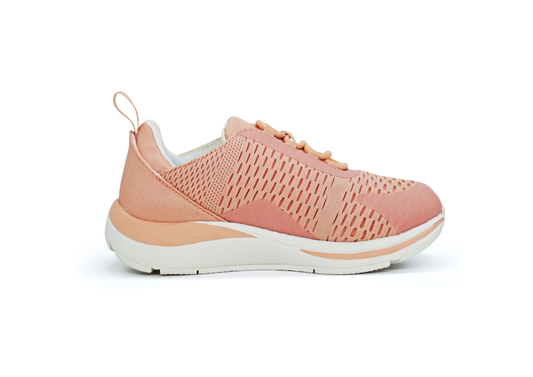
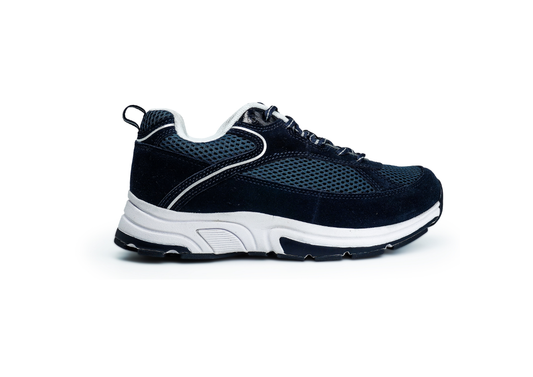

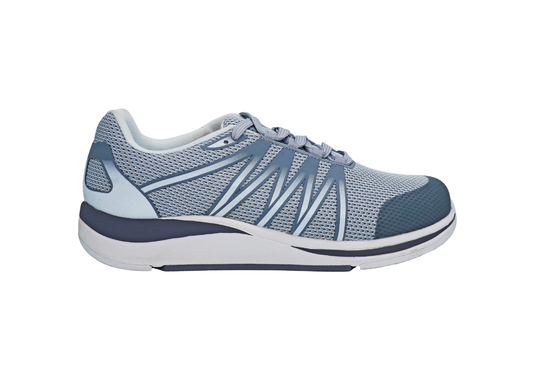

quality mens shoes
Quality Mens Shoes: Comprehensive Guide to Orthopedic Comfort, Durability, and Style
By Dr. Subramanyam Balaji, Ortho Shoes Corporation
Choosing the right quality men's shoes affects comfort, foot health, and appearance. This guide examines orthopedic footwear, its design features, health benefits, and the main styles available. Many men experience foot pain that limits daily activities and wellbeing. Orthopedic shoes are designed to reduce these problems while offering durable, wearable styles. Below we cover key features, health benefits, and how to select the right pair.
Comprehensive Guide on Quality Men's Orthopedic Shoes
Orthopedic shoes are purpose-built to deliver support and comfort for people with foot conditions or those seeking improved foot health. They prioritise stability and cushioning, which matters for anyone who spends extended time on their feet. These shoes serve users with diabetes, arthritis, and general foot pain. Understanding their features and benefits helps you make an informed choice.
Understanding Orthopedic Shoes
Orthopedic shoes support the foot's natural structure and reduce discomfort. They address conditions such as flat feet, high arches, and plantar fasciitis. The main functions are support, cushioning, and stability—key for everyday movement. Worn correctly, they can improve mobility and lower pain.
Key Features of Orthopedic Shoes
When choosing orthopedic shoes, evaluate core features including:
- Arch Support: Proper arch support helps distribute weight evenly across the foot, reducing strain on the arches and preventing pain.
- Cushioned Soles: Cushioned soles provide shock absorption, enhancing comfort during walking or standing for extended periods.
- Durable Outsoles: High-quality outsoles ensure longevity and provide traction, reducing the risk of slips and falls.
Together, these elements create a supportive environment for the foot, making orthopedic shoes a sound investment for long-term foot health.
Types of Orthopedic Shoes
Orthopedic shoes are available in multiple styles to suit different needs. The main types include:
- Dress Shoes: Designed for formal occasions, orthopedic dress shoes combine style with essential support features.
- Walking Shoes: These shoes are ideal for daily wear, offering comfort and stability for those who walk frequently.
- Casual Shoes: Casual orthopedic shoes provide a blend of style and comfort, suitable for everyday activities.
Matching the shoe type to your lifestyle helps ensure both comfort and support.
Health Benefits
Orthopedic shoes deliver measurable benefits that can improve daily function. Some of the key benefits include:
- Pain Relief: Orthopedic shoes are designed to alleviate pain associated with various foot conditions, providing much-needed relief.
- Improved Mobility: With proper support and cushioning, individuals can move more freely and comfortably.
- Prevention of Foot Conditions: Wearing orthopedic shoes can help prevent the development of foot problems by promoting healthy foot mechanics.
These outcomes demonstrate why investing in quality orthopedic footwear supports long-term foot health.
Materials and Designs for Comfort
Material choice directly affects comfort and function. Common materials include:
- Breathable Fabrics: These materials allow for airflow, keeping feet cool and dry.
- Cushioning Technologies: Advanced cushioning systems enhance comfort and shock absorption.
- Durability: High-quality materials ensure that the shoes withstand daily wear and tear.
Selecting shoes made from these materials improves comfort, breathability, and service life.
Durable Walking Shoes for Optimal Support
Durable walking shoes matter for people who spend long periods on their feet. Key features of these shoes include:
- Supportive Design: A well-structured design provides the necessary support for the foot's natural alignment.
- Quality Materials: Shoes made from high-quality materials ensure longevity and comfort.
- Longevity: Durable walking shoes are built to last, making them a wise investment for daily use.
These attributes reduce fatigue and make walking more comfortable over time.
Features Enhancing Durability and Foot Protection
Look for design features that enhance durability and protect the foot:
- High-Quality Materials: Shoes made from premium materials are more resistant to wear and tear.
- Cushioned Soles: Cushioned soles provide additional comfort and protection against impact.
- Stability Features: Shoes with stability features help prevent injuries by providing a secure fit.
Combined, these features protect your feet and maintain comfort through regular use.
Addressing Specific Conditions
Orthopedic shoes offer targeted support for specific conditions, such as:
- Diabetes: Proper footwear can help prevent complications associated with diabetic foot conditions.
- Arthritis: Shoes designed for arthritis sufferers provide the necessary support and cushioning to alleviate pain.
- Heel Pain: Orthopedic shoes can help relieve heel pain by providing adequate arch support and cushioning.
Knowing how different features address these conditions helps you pick appropriate footwear.
Choosing the Right Orthopedic Shoes
Choose orthopedic shoes by considering several clinical and fit factors:
- Consulting a Specialist: It's essential to consult with a healthcare professional to determine your specific needs.
- Proper Fit: Ensure that the shoes fit well, providing adequate support without being too tight.
- Consideration of Foot Conditions: Take into account any specific foot conditions you may have when selecting shoes.
Following these steps increases the chance of finding shoes that fit well and support your needs.
What Are Men’s Orthopedic Dress Shoes and Their Health Benefits?
Men's orthopedic dress shoes combine formal styling with supportive features. Typical elements include arch support, cushioned insoles, and durable materials. These features reduce foot pain, support posture, and improve overall foot comfort, allowing you to wear dress shoes with less discomfort.
How Do Orthopedic Dress Shoes Support Heel Pain and Arch Health?
Orthopedic dress shoes address heel and arch issues by providing structured arch support to distribute weight and reduce arch strain. Cushioning in the soles absorbs shock and lowers heel pressure. These features together help maintain alignment and reduce ongoing discomfort.
Which Materials and Designs Ensure Comfort in Men’s Dress Footwear?
Comfort in men’s dress footwear depends on materials and construction. High-quality leather and breathable fabrics create a better fit. Cushioned insoles add support. Shock-absorbing heels reduce impact during walking. These design choices balance appearance with foot health.
Which Durable Men’s Walking Shoes Provide Optimal Support and Longevity?
When looking for durable men’s walking shoes, consider models with structured arch support, a deep heel cup, and an orthotic-friendly design. These features help the shoes provide consistent support and comfort for extended periods. Shoes constructed from high-quality materials are better able to withstand daily wear, preserving performance and fit.
What Features Enhance Durability and Foot Protection in Walking Shoes?
Key features that enhance durability and foot protection in walking shoes include:
- High-Quality Materials: Shoes made from durable materials are less likely to wear out quickly.
- Cushioned Soles: Cushioned soles provide comfort and protect against impact.
- Seamless Interiors: Seamless designs reduce friction and irritation, enhancing overall comfort.
These features result in shoes that last longer and shield the feet during varied activities.
How Do Durable Walking Shoes Address Diabetic and Arthritis Foot Conditions?
Durable walking shoes are well suited to people with diabetic and arthritis foot conditions. They offer a secure fit and consistent support, which helps prevent pressure points and complications. Quality materials and arch support also improve comfort and reduce pain, contributing to better daily function.
How to Choose Comfortable Men’s Sneakers That Combine Style and Orthopedic Support?
Choosing comfortable men’s sneakers that combine style and orthopedic support means prioritising features such as arch support, cushioned soles, and breathable uppers. Ensure the sneakers fit your foot type and provide room in the toe box. Focusing on these points helps you find sneakers that look good and promote foot health.
What Orthopedic Features Make Sneakers Suitable for Daily Wear?
Orthopedic features that make sneakers suitable for daily wear include:
- Arch Support: Essential for maintaining proper foot alignment and reducing strain.
- Cushioning: Provides comfort and shock absorption during daily activities.
- Durability: High-quality materials ensure that the sneakers can withstand regular use.
These elements make orthopedic sneakers a practical choice for people who need reliable, comfortable footwear every day.
Are Stylish Orthopedic Casual Shoes Available for Men Seeking Both Fashion and Foot Health?
Yes. Many casual orthopedic shoes combine contemporary design with functional features like arch support and cushioned insoles. These options allow men to maintain a stylish appearance without sacrificing the support needed for healthy feet.
What Defines Luxury Orthopedic Men’s Footwear and Its Unique Advantages?
Luxury orthopedic men’s footwear is defined by premium materials, refined construction, and options for adjustable or customised support. These shoes often use advanced components to enhance comfort and durability. The benefits include a more personalised fit, higher-quality finishes, and longer service life compared with standard models.
How Does Luxury Orthopedic Footwear Integrate Advanced Materials and Design?
Luxury orthopedic footwear combines breathable uppers, cushioned midsoles, and robust construction to improve comfort and support. Thoughtful design details reduce pressure points and enhance fit. Taken together, these innovations deliver both aesthetic quality and functional performance for foot health.
Why Choose Luxury Orthopedic Shoes for Managing Chronic Foot Conditions?
Choosing luxury orthopedic shoes for chronic foot conditions provides enhanced cushioning, consistent support, and materials that reduce irritation. These attributes can help manage pain, support mobility, and reduce the risk of further problems. For people with long-term needs, the improved fit and durability offer practical benefits.
How to Select the Right Quality Men’s Shoes for Specific Foot Conditions?
Selecting the right shoes requires assessing your foot shape and consulting professionals when needed. Consider arch height, width, and any current foot issues. With that information, choose shoes that deliver the support and cushioning matched to your condition.
Which Shoes Are Recommended for Diabetic Foot Care and Prevention?
For diabetic foot care and prevention, choose shoes with a wide toe box, seamless interiors, and adjustable closures. These features reduce pressure and friction that can lead to complications. Good arch support and cushioning further protect sensitive feet and improve comfort.
What Are the Best Orthopedic Options for Heel Pain and Arthritis Relief?
The best orthopedic options for heel pain and arthritis relief include models with cushioned soles, reliable arch support, and flexible uppers. These features reduce heel load and adapt to foot movement, helping to relieve pain and improve walking comfort.
What Are Common Buyer Questions About Quality Men’s Orthopedic Shoes?
Common buyer questions about quality men’s orthopedic shoes include:
- What are the best shoes for flat feet?: Look for shoes with excellent arch support and cushioning.
- How to choose orthopedic shoes?: Consult with a specialist and consider your specific foot needs.
- Are orthopedic shoes stylish?: Yes, many brands offer fashionable designs that prioritize foot health.
These questions underscore the need to understand features and fit before purchasing orthopedic footwear.
How Do Orthopedic Shoes Improve Foot Health Compared to Regular Shoes?
Orthopedic shoes improve foot health by offering enhanced support, stability, and cushioning compared with regular shoes. They are built to accommodate specific foot conditions and to promote healthier foot mechanics. Regular shoes may lack these targeted features, which can allow discomfort or problems to persist.
What Is the Price Range and Value Proposition of Quality Men’s Orthopedic Footwear?
The price range for quality men’s orthopedic footwear varies by brand and features, commonly from $100 to $400. While the upfront cost can be higher than standard shoes, the long-term value comes from improved comfort, reduced pain, and prevention of future complications—making them a practical investment for many buyers.
Frequently Asked Questions
What should I consider when buying orthopedic shoes for specific foot conditions?
Assess your foot type and existing issues when buying orthopedic shoes. Note arch height, width, and the presence of conditions like plantar fasciitis or diabetes. Consulting a healthcare professional provides personalised recommendations. Also prioritise cushioning, arch support, and a correct fit to ensure the shoes meet your needs and improve comfort.
How can I ensure a proper fit for orthopedic shoes?
Measure your feet at the end of the day when they are most swollen. Check both length and width, since many brands offer multiple widths. Try shoes on with the socks you plan to wear and walk in them to evaluate comfort and support. Ensure enough room in the toe box and a snug heel without slipping. When in doubt, seek a specialist fitting.
Are there any specific brands known for quality orthopedic shoes?
Yes. Brands such as New Balance, Brooks, and ASICS are recognised for supportive athletic footwear. For dress shoes, Clarks and Ecco offer styles with orthopedic features. Specialized brands like Orthofeet and Vionic focus on orthopedic designs across multiple categories. Reviewing customer feedback can help identify the best option for your needs.
How do I care for my orthopedic shoes to ensure longevity?
Follow the manufacturer's care instructions to maintain shoes. Clean leather with a damp cloth and use a brush for fabric. Allow shoes to air dry naturally and avoid direct heat. Replace insoles when they lose cushioning and store shoes in a cool, dry place. Rotating pairs reduces concentrated wear and extends useful life.
Can orthopedic shoes be customized for individual needs?
Yes. Many orthopedic shoes accept custom orthotics that provide tailored arch support and cushioning based on your foot shape and conditions. Some models offer adjustable straps or removable insoles for a more personalised fit. Consult a podiatrist or orthopaedic specialist to determine the best customisation for your feet.
What are the signs that I need to replace my orthopedic shoes?
Replace your orthopedic shoes when you notice uneven sole wear, loss of cushioning, or visible damage to the upper. New or increased discomfort can also indicate the shoes no longer provide adequate support. Typically, replace shoes every 6 to 12 months depending on use and material quality. Regular inspections help protect your foot health.
