
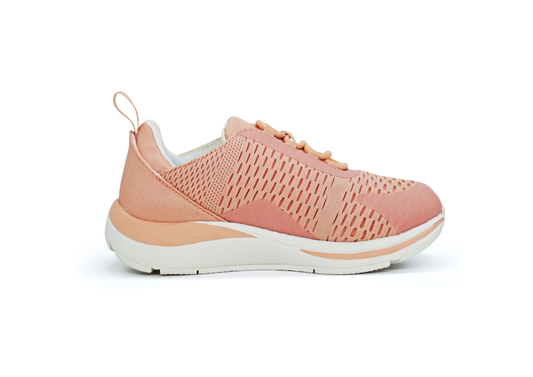
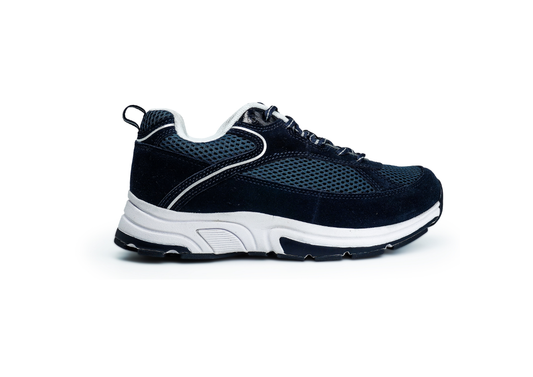

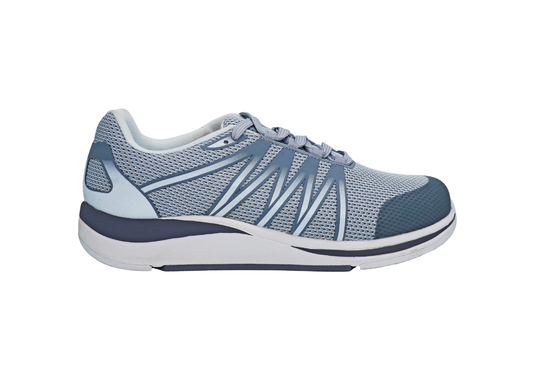

walking shoes for sore feet
Walking Shoes for Sore Feet: Expert Guide to Orthopedic Footwear for Pain Relief and Comfort
By Dr. Subramanyam Balaji, Ortho Shoes Corporation
Choosing the right walking shoes can noticeably reduce foot pain and improve daily comfort. Many people develop soreness from conditions such as plantar fasciitis, heel pain, or arthritis. Supportive, orthopedic footwear addresses foot mechanics and cushions impact to ease symptoms. This guide explains the key features, condition-specific recommendations, and practical tips to help you pick shoes that improve walking comfort and mobility.
Expert Guide on Orthopedic Walking Shoes for Sore Feet
Orthopedic walking shoes are engineered to support foot structure and reduce pain. They combine targeted support, cushioning, and fit adjustments to address chronic and acute foot problems. Comfort and support are central to improving mobility and quality of life. This guide describes the benefits of orthopedic walking shoes and how they can be used as part of an effective foot-care strategy.
Key Features of Orthopedic Walking Shoes
Orthopedic walking shoes include a set of practical features that target pain and instability. These design elements work together to protect the foot and improve gait.
- Arch Support: Proper arch support helps distribute weight evenly across the foot, reducing strain on the arches and preventing pain.
- Cushioned Soles: Cushioned soles absorb shock and provide comfort, making walking more enjoyable and less painful.
- Roomy Toe Box: A spacious toe box allows for natural toe movement, reducing pressure on the toes and preventing discomfort.
Combined, these features create a stable, cushioned environment that reduces pressure and supports natural movement for sore feet.
Recommendations for Specific Foot Conditions
Choosing shoes for sore feet requires matching features to the underlying condition. The right combination improves symptoms and daily function.
- Shoes for Plantar Fasciitis: Look for shoes with excellent arch support and cushioning to alleviate heel pain.
- Shoes for Heel Pain: Opt for footwear with shock-absorbing soles and a firm heel counter to provide stability.
- Shoes for Arthritis: Choose shoes with adjustable closures and soft materials to accommodate swelling and provide comfort.
Selecting shoes that target the specific mechanical or inflammatory issues of each condition helps deliver meaningful relief.
Choosing the Right Orthopedic Walking Shoes
Finding the right orthopedic walking shoes means assessing fit, support, and your individual foot mechanics. Consult a podiatrist if you have persistent pain or a complex condition.
For those looking for quality options, Ortho Shoes offers a range of orthopedic footwear designed to alleviate foot pain and improve walking comfort. Their collections include shoes for men and women, as well as specialized options for heel pain and diabetic footwear.
What Causes Foot Pain and How Can Walking Shoes Help?
Foot pain arises from many sources, including chronic conditions, deformities, and injuries. Common problems like plantar fasciitis, heel spurs, and arthritis create pain through mechanical stress and inflammation. Orthopedic walking shoes reduce that stress with targeted support and impact absorption, helping restore function and ease discomfort.
Common Foot Conditions Leading to Sore Feet: Plantar Fasciitis, Heel Pain, and Arthritis
Several common foot conditions can lead to soreness and discomfort.
- Plantar Fasciitis: Characterized by inflammation of the plantar fascia, this condition often results in sharp heel pain, especially in the morning.
- Heel Pain: Various factors, including overuse and improper footwear, can contribute to heel pain, making supportive shoes essential.
- Arthritis: This condition can cause joint pain and stiffness, making it crucial to choose shoes that provide adequate support and cushioning.
Recognising the specific condition behind your soreness helps you choose shoe features that target the problem effectively.
How Orthopedic Shoes Alleviate Foot Pain: Cushioning, Arch Support, and Shock Absorption
Orthopedic shoes reduce pain through three primary mechanisms: cushioning to absorb impact, arch support to maintain alignment, and shock-absorbing materials to protect tissues during walking.
- Cushioning Benefits: The cushioning in orthopedic shoes absorbs impact, reducing stress on the feet during walking.
- Arch Support Importance: Proper arch support helps maintain foot alignment, preventing excessive strain on the plantar fascia and other structures.
- Shock Absorption Features: Shoes designed with shock-absorbing materials protect the feet from the impact of walking, enhancing comfort.
These elements work together to lower mechanical load, improve gait, and reduce symptoms over time.
Which Features Define the Best Walking Shoes for Sore Feet?
When searching for the best walking shoes for sore feet, certain features should be prioritised:
- Cushioning: Look for shoes with ample cushioning to absorb shock and provide comfort.
- Arch Support: Ensure the shoes offer adequate arch support to maintain proper foot alignment.
- Material Quality: Choose shoes made from durable materials that can withstand regular use while providing comfort.
Prioritising these features ensures the shoes deliver consistent support and long-term comfort for sore feet.
Essential Shoe Features: Cushioning, Arch Support, Wide Fit, and Durable Materials
The essential features of orthopedic walking shoes include:
- Cushioning: Provides shock absorption and comfort during walking.
- Arch Support: Helps maintain foot alignment and reduces strain.
- Wide Fit: Accommodates foot swelling and allows for natural movement.
- Durable Materials: Ensures longevity and consistent support.
Together, these design elements protect vulnerable tissues and maintain comfort during extended activity.
Specialized Designs for Diabetic and Arthritic Foot Care
Diabetic and arthritic patients need footwear that minimises friction and pressure while accommodating changes in foot volume.
- Seamless Interiors: Shoes designed with seamless interiors reduce friction and prevent blisters.
- Cushioned Interiors: Soft, cushioned interiors provide comfort and support for sensitive feet.
- Adjustable Features: Shoes with adjustable closures allow for a customized fit, accommodating swelling and providing stability.
These specialised designs reduce the risk of skin breakdown and improve daily comfort for vulnerable feet.
How to Choose the Right Orthopedic Walking Shoes for Your Foot Condition?
Choosing the right shoes starts with identifying your foot type and symptoms. Try on shoes and walk to confirm fit and support. When in doubt, seek advice from a podiatrist or orthopaedic specialist.
- Assessing Foot Type: Understanding whether you have flat, high-arched, or neutral feet can guide your selection.
- Trying Shoes On: Always try shoes on and walk around to ensure they fit well and feel comfortable.
- Consulting Professionals: Seeking advice from podiatrists or orthopedic specialists can provide valuable insights into the best options for your condition.
Following these steps helps you select shoes that match your biomechanical needs and reduce pain.
Selecting Shoes for Plantar Fasciitis and Heel Pain Relief
For plantar fasciitis and heel pain, focus on features that offload the plantar fascia and cushion the heel.
- Arch Support Features: Look for shoes that provide strong arch support to alleviate pressure on the plantar fascia.
- Cushioning Options: Shoes with extra cushioning can help absorb shock and reduce pain during walking.
- Recommended Brands: Brands like Ortho Shoes offer specialized options designed to relieve heel pain and support foot health.
Select footwear with firm support under the arch and adequate heel cushioning to reduce morning and activity-related pain.
Orthotics and Orthotic Sandals for Plantar Fasciitis Pain Relief
Plantar fasciitis (PF) affects around 10% of the population. Prefabricated orthotics with arch support has been shown to provide symptom relief in PF by decreasing the repetitive stress sustained by the plantar fascia. However, prefabricated orthotics are only effective when shoes are worn, meaning the foot may be left unsupported when it is impractical to wear shoes. Using orthotic sandals in conjunction with prefabricated orthotics may increase PF symptom relief, as they can be worn inside the home, extending the period in which the foot is supported.
Use of orthotics with orthotic sandals versus the sole use of orthotics for plantar fasciitis: Randomised controlled trial, 2023
Clinical research supports using orthotics and orthotic sandals for plantar fasciitis, noting they extend periods of foot support when conventional shoes are not worn.
Choosing Diabetic Footwear and Arthritis-Friendly Shoes
When selecting footwear for diabetic and arthritic patients, certain features are essential:
- Essential Features for Diabetic Shoes: Look for shoes with moisture-wicking materials and cushioned footbeds to prevent ulcers.
- Adjustable Closures: Shoes with adjustable closures can accommodate foot swelling and provide a secure fit.
- Material Considerations: Choose shoes made from breathable materials to enhance comfort and prevent overheating.
These design choices reduce pressure, control moisture, and help prevent skin injury in at-risk feet.
What Are the Benefits of Cushioned and Supportive Walking Footwear?
Cushioned and supportive walking footwear offers several benefits:
- Arch Support Benefits: Proper arch support helps maintain foot alignment and reduces strain on the plantar fascia.
- Cushioning Advantages: Ample cushioning absorbs shock, enhancing comfort during walking.
- Stability Features: Supportive shoes provide stability, reducing the risk of falls and injuries.
Together, these benefits lower pain, improve gait, and help you stay active with less discomfort.
Reducing Foot Pain and Improving Walking Comfort with Orthopedic Shoes
Orthopedic shoes are a practical tool for reducing foot pain and improving walking comfort.
- Importance of Fit: A proper fit is essential for maximizing comfort and support.
- Cushioning and Support: The combination of cushioning and arch support helps alleviate pain and enhance mobility.
- Long-Term Benefits: Investing in quality orthopedic footwear can lead to long-term improvements in foot health and overall well-being.
Choosing well-fitted, supportive shoes reduces symptoms and supports long-term foot health and activity levels.
Preventing Foot Ulcers and Long-Term Complications in Diabetic Patients
Proper footwear is essential for preventing foot ulcers and long-term complications in diabetic patients.
- Seamless Interiors: Shoes with seamless interiors reduce friction and the risk of blisters.
- Cushioned Footbeds: Cushioned footbeds provide comfort and support for sensitive feet.
- Proper Fit: Ensuring a proper fit can help prevent pressure points that lead to ulcers.
Appropriate shoes reduce pressure and friction, which are key factors in preventing ulceration and other complications.
Where Can You Find Trusted Orthopedic Walking Shoes for Sore Feet?
Finding trusted orthopedic walking shoes means choosing reputable brands and retailers with clear product information and return policies.
- Recommended Brands: Look for brands known for their orthopedic footwear, such as Ortho Shoes, which specializes in shoes designed for foot pain relief.
- Retailers to Consider: Explore both online and physical stores that offer a wide selection of orthopedic shoes.
- Online Shopping Tips: When shopping online, check return policies and customer reviews to ensure a satisfactory purchase experience.
Use customer feedback, return options, and detailed product specifications to verify that a shoe will meet your support and fit needs.
Overview of Ortho Shoes’ Collections: Men’s, Women’s, Heel Pain, and Diabetic Footwear
Ortho Shoes offers a diverse range of orthopedic footwear collections tailored to various needs.
- Men's Orthopedic Shoes: Designed for comfort and support, these shoes cater to men's specific foot health needs. Find men's orthopedic shoes that blend comfort and support.
- Women's Orthopedic Shoes: Stylish yet functional, these shoes provide the necessary support for women's foot health. Discover women's orthopedic shoes designed for both style and therapeutic benefits.
- Diabetic Footwear Features: Ortho Shoes' diabetic footwear includes specialized designs to prevent complications and enhance comfort. Explore specialized diabetic footwear options tailored for sensitive feet.
These collections reflect a focus on fit, cushioning, and condition-specific features to support everyday comfort and foot health.
How Doctor Recommendations and Research Back Our Footwear Solutions
The importance of professional recommendations cannot be overstated when it comes to selecting orthopedic footwear.
- Consulting Podiatrists: Podiatrists often recommend specific features based on individual foot conditions, ensuring optimal support and comfort.
- Research Backing: Numerous studies support the effectiveness of orthopedic shoes in alleviating foot pain and improving mobility.
- Importance of Proper Footwear: Proper footwear is essential for maintaining foot health and preventing complications.
Podiatrist guidance and clinical research together inform effective shoe selection, ensuring features match your medical and biomechanical needs.
What Are Common Questions About Walking Shoes for Sore Feet?
Many individuals have questions regarding walking shoes for sore feet. Here are some common inquiries:
- What are orthopedic walking shoes?: These are specially designed shoes that provide support and comfort for individuals experiencing foot pain.
- How do they improve foot health?: Orthopedic shoes alleviate pain through features like arch support and cushioning.
- Are they suitable for everyday wear?: Yes, many orthopedic shoes are designed for daily use, providing comfort and support throughout the day.
These questions reflect the main concerns people have when seeking footwear that reduces pain and supports daily activity.
What Features Should I Look for in Shoes for Sore Feet?
When selecting shoes for sore feet, consider the following features:
- Arch Support: Essential for maintaining foot alignment and reducing strain.
- Cushioned Soles: Provides shock absorption and comfort during walking.
- Wide Toe Boxes: Allows for natural toe movement and reduces pressure.
Focusing on arch support, cushioning, and an appropriate fit will ensure shoes address the main causes of foot pain.
Can Cushioned Shoes Effectively Relieve Heel Pain and Plantar Fasciitis?
Cushioned shoes can be highly effective in relieving heel pain and plantar fasciitis.
- Importance of Cushioning: Ample cushioning absorbs shock and reduces pressure on the heels.
- Arch Support Features: Shoes with strong arch support help maintain proper foot alignment, alleviating strain on the plantar fascia.
- Recommended Brands: Brands like Ortho Shoes offer specialized options designed to provide relief for these conditions.
Choosing shoes with both cushioning and structured arch support is key to reducing heel pain and easing plantar fascia strain.
Frequently Asked Questions
What should I consider when buying orthopedic shoes online?
Check the manufacturer's sizing guide because sizes vary between brands. Read customer reviews for fit and comfort reports. Confirm the return and exchange policy so you can replace shoes that don't fit. Note the materials—breathable, flexible fabrics improve comfort. Finally, verify the key features you need, such as arch support or extra cushioning.
How often should I replace my orthopedic walking shoes?
Replace orthopedic walking shoes every 6 to 12 months, depending on how often you wear them and the wear patterns. Look for reduced cushioning, uneven sole wear, or new pain as signs it's time for a new pair. Tracking mileage or hours of use helps you judge replacement timing.
Can I use custom orthotics with my orthopedic shoes?
Yes. Many orthopedic shoes accept custom orthotics. Choose shoes with removable insoles so your orthotics fit correctly. Make sure the shoe still fits well with the orthotic in place. Consult a podiatrist to confirm the best shoe-and-orthotic combination for your condition.
Are there specific brands known for quality orthopedic walking shoes?
Yes. Ortho Shoes is a recognised option for condition-specific designs. Other reputable brands include New Balance, Brooks, and ASICS, which offer supportive models with good cushioning and arch support. Use professional recommendations and customer feedback to find the best match for your feet.
How can I ensure my orthopedic shoes fit properly?
Measure your feet at the end of the day when they are most swollen. Try shoes on with the socks you plan to wear. Walk in them to check for any pinching or rubbing. Aim for about a thumb's width between your longest toe and the front of the shoe. If possible, get a professional fitting to assess foot type and gait.
What are the benefits of wearing orthopedic shoes for daily activities?
Wearing orthopedic shoes daily improves comfort, supports foot alignment, and reduces pain. They provide arch support and cushioning that absorb shock and relieve pressure. Over time, they can slow progression of foot conditions, lower injury risk, and improve posture and stability for better overall mobility.
