
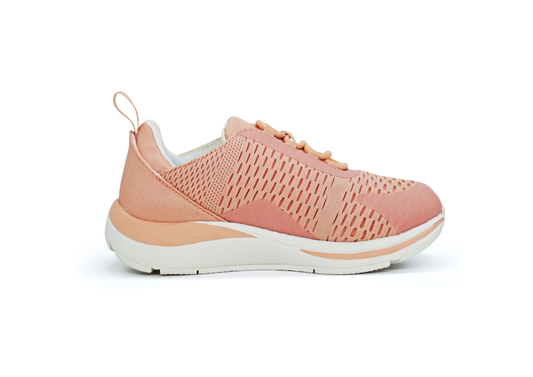
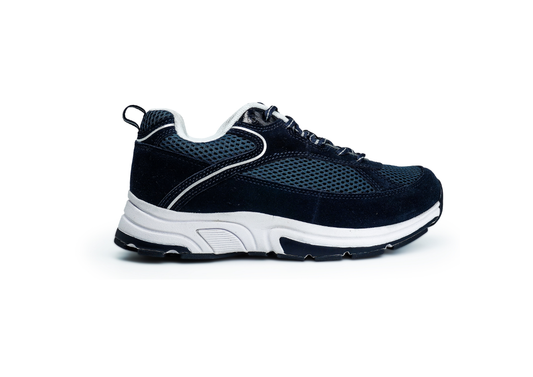

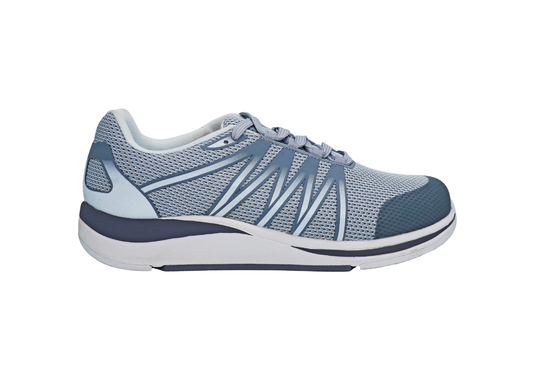

mens casual shoes for plantar fasciitis
Mens Casual Shoes for Plantar Fasciitis: Expert Guide to Orthopedic Comfort and Foot Pain Relief
By Dr. Subramanyam Balaji, Ortho Shoes Corporation
Choosing appropriate footwear is a key step in managing plantar fasciitis. This guide explains which features relieve heel pain, which casual styles work best, and practical steps you can take to protect your feet. Use this information to make evidence-informed choices that improve comfort and mobility while reducing strain on the plantar fascia.
Expert Guide on Men's Casual Shoes for Plantar Fasciitis
Proper shoes can reduce pain and limit further injury by supplying targeted support and cushioning. This guide breaks down the clinical priorities—support, shock absorption, and fit—so you can select men's casual shoes that meet those needs.
Understanding Plantar Fasciitis
Plantar fasciitis is inflammation of the plantar fascia, the thick band that runs along the sole. It commonly causes sharp heel pain on first steps after rest. Contributing factors include overuse, unsupportive shoes, and foot mechanics such as flat feet or high arches. Recognising these causes helps you choose footwear that supports healing and reduces recurrence.
Key Features to Look for in Footwear
When choosing shoes for plantar fasciitis, prioritise features that protect the heel and support the arch. Focus on stability, cushioning, and an accurate fit to reduce load on the plantar fascia.
| Feature | Description | Importance |
|---|---|---|
| Arch Support | Provides stability and helps distribute weight evenly | Reduces strain on the plantar fascia |
| Cushioned Sole | Absorbs shock and provides comfort | Minimizes impact on the heel and foot |
| Proper Fit | Ensures the shoe is snug but not too tight | Prevents blisters and discomfort during use |
These three attributes—support, cushioning and correct fit—work together to reduce plantar fascia stress and improve comfort during daily activities.
Recommended Shoe Styles
Certain casual styles combine function with everyday wearability. Look for options that integrate arch support and shock absorption without sacrificing breathability or style.
- Supportive Sneakers: These shoes often feature enhanced arch support and cushioning, making them ideal for daily wear and physical activities.
- Cushioned Sandals: Perfect for warmer weather, cushioned sandals provide breathability while still offering necessary support.
- Orthotic-Friendly Dress Shoes: For formal occasions, look for dress shoes that accommodate orthotic inserts, ensuring comfort without sacrificing style.
After reviewing suitable styles, examine brands that specialise in orthopaedic design and clinically informed features.
Effective Foot Pain Relief Options
Shoes are one component of a treatment plan. Other effective measures include orthotics, targeted stretching and simple anti-inflammatory measures. Combining approaches often yields better symptom control.
- Custom Orthotics: These are specially designed insoles that provide additional arch support and cushioning tailored to individual foot shapes.
- Stretching Exercises: Regular stretching of the calf muscles and plantar fascia can help alleviate tension and improve flexibility.
- Ice Therapy: Applying ice to the affected area can reduce inflammation and provide temporary relief from pain.
Clinical studies indicate that using prefabricated orthotics together with supportive orthotic sandals can extend the period the foot is supported and improve symptom relief compared with orthotics alone.
Orthotics and Orthotic Sandals for Plantar Fasciitis Relief
ABSTRACT: Plantar fasciitis affects about 10% of people. Prefabricated orthotics with arch support reduce repetitive stress on the plantar fascia and provide symptom relief. Their benefit is limited to times when shoes are worn, leaving the foot unsupported at home. Combining orthotic sandals with prefabricated orthotics may extend supported hours and enhance symptom relief by allowing support indoors.
Use of orthotics with orthotic sandals versus the sole use of orthotics for plantar fasciitis: Randomised controlled trial, 2023
Recommended Brands
Several manufacturers focus on orthopaedic principles in casual footwear. These brands are often recommended by clinicians for their consistent arch support, cushioning and durable construction.
- OrthoFeet: Renowned for their innovative designs that prioritize comfort and support.
- New Balance: Offers a range of athletic shoes with excellent cushioning and arch support.
- Brooks: Known for their running shoes that provide superior support and comfort for active individuals.
Tips for Selecting the Right Footwear
Selecting suitable shoes requires assessing support, fit and activity needs. Follow a structured approach: identify your foot mechanics, consult a clinician when needed, and test shoes under real-world conditions.
- Assess Your Foot Type: Understanding whether you have flat feet, high arches, or neutral arches can help in selecting the right shoe.
- Consult Professionals: Seeking advice from a podiatrist or orthopedic specialist can provide personalized recommendations.
- Try Before You Buy: Always try on shoes and walk around in them to ensure they provide the necessary support and comfort.
For a wide selection of orthopaedic footwear designed for comfort and pain relief, consider exploring "Ortho Shoes". Their range is tailored to common foot conditions and daily use.
What Is Plantar Fasciitis and How Do Mens Casual Shoes Help?
Plantar fasciitis is inflammation of the tissue under the foot that leads to heel pain, typically after rest. Men's casual shoes designed for this condition provide structured arch support and heel cushioning to lower strain on the fascia, reduce pain and support recovery during everyday movement.
Understanding Plantar Fasciitis: Causes and Symptoms
Typical causes include repetitive overload, wearing unsupportive footwear and abnormal foot mechanics. The hallmark symptom is sharp heel pain on first steps in the morning or after sitting. Early recognition lets you address footwear and activity to limit progression.
How Orthopedic Casual Shoes Alleviate Heel Pain and Foot Discomfort
Orthopaedic casual shoes combine arch contouring, shock-absorbing midsoles and stable heels to redistribute forces away from the plantar fascia. This coordinated support reduces pain and improves walking comfort and function.
Which Arch Support Features Are Essential in Shoes for Plantar Fasciitis?
Key arch support elements restore alignment and reduce local stress on the fascia. Built-in support and cushioned insoles work together to maintain proper foot posture and to cushion impact at the heel.
- Built-in Arch Support: This feature helps maintain proper foot alignment and reduces strain on the plantar fascia.
- Cushioned Insoles: These provide additional cushioning and help to reduce pressure on the heel.
Types of Arch Support in Mens Orthopedic Casual Shoes
Manufacturers offer both shaped supports that follow the foot contour and removable insoles that allow custom orthotics. Choose the option that best matches your clinician's recommendation and daily needs.
- Contoured Arch Support: Designed to match the natural shape of the foot, providing targeted support.
- Removable Insoles: Allowing for the use of custom orthotics for personalized support.
How Arch Support Shoes Improve Foot Alignment and Reduce Pain
Arch-supportive shoes redistribute weight across the foot, improving alignment and lowering peak loads on the plantar fascia. Over time this reduces pain episodes and supports functional recovery.
What Cushioning Technologies Provide Optimal Comfort for Foot Pain Relief?
Effective cushioning absorbs shock and reduces heel impact. Look for proven materials that balance softness with resilience to maintain support over time.
- EVA Foam: Known for its lightweight and shock-absorbing properties, EVA foam provides excellent cushioning.
- Gel Inserts: These offer additional cushioning and help to reduce pressure on the heel.
Innovative Cushioning Materials in Mens Casual Shoes for Heel Pain
Contemporary casual shoes use layered foams, gels and engineered midsoles to attenuate shock while preserving stability. These materials reduce microtrauma to the plantar fascia during walking.
Comparing Cushioning Levels: Finding the Best Sneakers for Plantar Fasciitis
Compare midsoles and insole construction rather than marketing claims. Seek a balance: enough cushioning to absorb impact, combined with arch support that maintains foot alignment during gait.
How to Choose the Best Mens Casual Shoes for Plantar Fasciitis?
Evaluate fit, structural support and material quality. Prioritise features that address your symptoms and activity level to ensure sustained relief and durability.
- Fit: Ensure the shoes fit well without being too tight or too loose.
- Support: Look for shoes that provide adequate arch support and cushioning.
- Durability: Select shoes made from high-quality materials that can withstand regular use.
For specialised footwear addressing foot pain, explore the extensive collection at "men's shoes orthopedic". These styles are engineered for daily comfort and support.
Key Factors to Consider: Fit, Support, and Durability
A correct fit prevents unnecessary movement and friction, reliable support reduces plantar fascia load, and durable construction preserves those benefits over months of wear. All three together deliver consistent symptom relief.
Affordable Orthopedic Casual Shoes: Balancing Cost and Quality
Seek models that use quality midsoles and stable lasts even at lower price points. Compare specifications—arch geometry, insole materials and outsole construction—to find good value without compromising support.
What Do Customers Say About Mens Orthopedic Shoes for Plantar Fasciitis?
User reviews commonly report improved comfort and reduced heel pain after switching to supportive footwear. Many note measurable differences in daily function and standing tolerance.
Real User Testimonials on Foot Pain Relief and Comfort
Testimonials often describe less morning pain, easier walking and increased activity tolerance. These consistent reports support clinicians’ recommendations to prioritise support and cushioning.
Doctor Recommendations and Research Backing Ortho Shoes
Podiatrists and orthopaedic specialists frequently recommend supportive shoes and orthotics for plantar fasciitis. Clinical trials and practice guidelines endorse arch support and cushioning as effective elements of conservative care.
Where to Buy Mens Casual Shoes Designed for Plantar Fasciitis in India?
You can purchase orthopaedic casual shoes through reputable online retailers and authorised physical stores in India. Choose sellers that provide sizing guidance and return options to ensure an appropriate fit.
Tips for Selecting the Right Size and Style
Proper sizing and style choice reduce irritation and improve support. Test shoes under natural conditions and prioritise constructions that suit your daily activities.
- Fitting Considerations: Always measure your feet and consider trying on shoes later in the day when your feet are slightly swollen.
- Supportive Style Options: Look for styles that offer both support and comfort, such as sneakers or sandals with arch support.
For a broad range of footwear solutions including options for specific conditions, check out "women's shoes orthopedic" and other specialised collections. Following these guidelines helps you find shoes that support recovery and daily comfort.
Frequently Asked Questions
What are the long-term effects of wearing improper shoes for plantar fasciitis?
Wearing unsupportive shoes can worsen plantar fasciitis, leading to persistent pain and secondary issues like heel spurs or tendon overload. Over time this may limit mobility and daily function. Investing in proper footwear helps prevent chronic damage and supports recovery.
Can I use over-the-counter insoles with my casual shoes for plantar fasciitis?
Yes. Over-the-counter insoles can add arch support and cushioning and may reduce pain for many people. Choose insoles specifically designed for plantar fasciitis and verify they fit your shoe without compromising comfort or stability.
How often should I replace my orthopedic shoes for plantar fasciitis?
Replace orthopaedic shoes every 6 to 12 months depending on wear and activity. Replace sooner if the sole shows visible wear, cushioning is reduced, or support feels diminished. Timely replacement maintains the protective properties you need.
Are there specific activities I should avoid if I have plantar fasciitis?
Avoid repetitive high-impact activities on hard surfaces, such as running or jumping, until symptoms improve. Limit prolonged standing on hard floors without supportive shoes. Opt for low-impact exercise—swimming or cycling—to maintain fitness while protecting the fascia.
What role do stretching exercises play in managing plantar fasciitis?
Regular stretching of the plantar fascia and calf muscles reduces tension, improves flexibility and promotes blood flow. Including targeted stretches in your daily routine supports recovery and helps prevent future flare-ups as part of a comprehensive plan.
Can weight management help alleviate symptoms of plantar fasciitis?
Yes. Reducing excess weight lowers mechanical load on the plantar fascia and decreases pain. Combining weight management with supportive footwear and exercise can improve outcomes and speed recovery.
Is it necessary to consult a podiatrist for plantar fasciitis treatment?
Seeing a podiatrist is advisable if symptoms persist or worsen. A specialist can assess biomechanics, recommend appropriate footwear or orthotics, and design a personalised treatment plan to prevent progression and optimise recovery.
