


foot support
Comprehensive Foot Support Solutions: Expert Guidance on Orthotic Insoles and Arch Support Shoes for Pain Relief
By Dr. Subramanyam Balaji, Ortho Shoes Corporation
Foot health affects mobility and daily comfort. This guide examines orthotic insoles and arch support shoes, explaining how they relieve pain, the features to prioritise, and their role in conditions such as plantar fasciitis and flat feet. It summarises clinical guidance and expert recommendations to help you choose footwear that delivers reliable support and reduces symptoms.
Effectiveness for Pain Relief
Orthotic insoles and arch support shoes reduce pain by redistributing load and adding cushioning where the foot needs it. That redistribution lowers pressure on vulnerable tissues in conditions like plantar fasciitis and flat feet. Improved shock absorption and enhanced alignment support stability, which can reduce pain during daily activities and help restore mobility.
Overall Foot Health
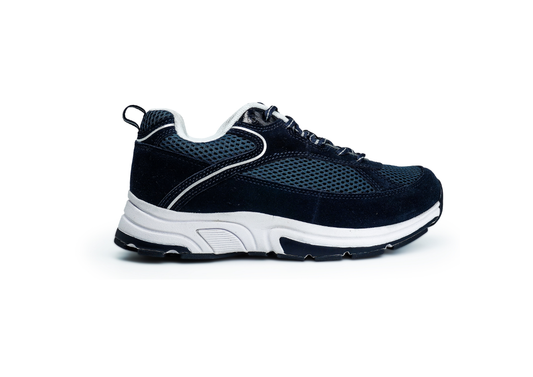
Quality support footwear protects feet over time by promoting proper alignment and reducing abnormal stresses that lead to deformity. Regular use can ease strain on joints and soft tissues, support better movement during activity, and contribute to long-term function. For men seeking specialised options, exploring men's orthopedic shoes can provide tailored support and comfort.
Key Features to Look For
Select products that address alignment, cushioning, and durability. These attributes determine how well a shoe or insole supports the foot and how long it remains effective.
- Arch Support: Proper arch support is crucial for maintaining foot alignment and preventing pain.
- Cushioned Soles: Look for shoes with cushioned soles to provide comfort and shock absorption.
- Durable Construction: Quality materials ensure longevity and consistent support over time.
The table below compares core features and the functional benefits they deliver, helping you evaluate options objectively.
| Feature | Description | Benefit |
|---|---|---|
| Arch Support | Contoured design that supports the foot's natural arch | Reduces strain and prevents pain |
| Cushioned Soles | Soft, shock-absorbing materials | Enhances comfort during movement |
| Durable Construction | High-quality materials and craftsmanship | Ensures long-lasting support |
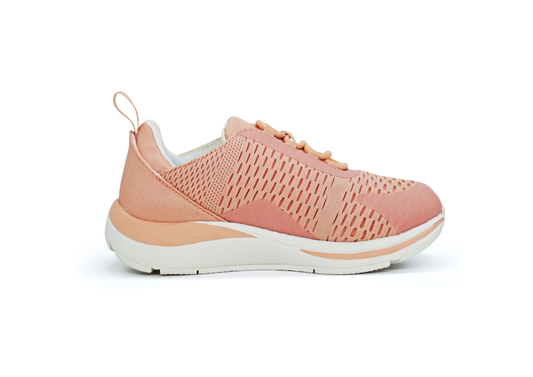
Ortho Shoes supplies orthotic insoles and arch support shoes built to these standards. For women who need solutions tailored to fit and support, review the options in women's orthopedic shoes.
Frequently Asked Questions
What are the signs that I need orthotic insoles or arch support shoes?
Persistent foot pain, worsening discomfort during activity, swelling or fatigue, difficulty standing for long periods, heel or arch pain, and balance problems are common indicators. A clinical assessment by a podiatrist or other healthcare professional confirms whether orthotics or supportive shoes are appropriate.
How often should I replace my orthotic insoles or arch support shoes?
Replace insoles or supportive shoes every 6 to 12 months depending on wear, activity level, and material breakdown. Look for reduced cushioning, visible wear, or loss of support as signs you need a replacement to maintain therapeutic benefit.
Can children benefit from orthotic insoles or arch support shoes?
Children with pain or structural concerns such as flat feet can benefit from support during development. Early assessment and guidance from a paediatrician or podiatrist will determine suitable interventions and avoid unnecessary or prolonged use.
Are there specific activities that require different types of arch support shoes?
Yes. Running shoes generally prioritise cushioning and energy return, walking shoes focus on stability for longer distances, and sport-specific footwear adds lateral or ankle support. Match the shoe type to the activity to maintain comfort and reduce injury risk.
How do I know if my arch support shoes fit properly?
A proper fit feels snug without pressure points. Toes need room to move, the heel should not slip, and weight should distribute evenly across the foot. Try shoes at the end of the day when feet are slightly expanded for a realistic fit assessment.
What should I do if my orthotic insoles cause discomfort?
Check that insoles sit correctly in the shoe and that the shoe has adequate volume. Increase wear time gradually to allow adaptation. If pain continues, consult a podiatrist to verify fit, prescription, or need for adjustment.
Can I use orthotic insoles in any type of shoe?
Insoles work best in shoes with enough internal space and structural support. Avoid narrow or minimally cushioned footwear that prevents the insole from functioning. Athletic and supportive casual shoes are commonly good choices for accommodating orthotics.
Appropriate foot support preserves function and reduces pain. Work with specialists to identify options that match your condition and activity. Understanding arch support and insole benefits lets you choose footwear that supports recovery and daily comfort.
What Are the Key Benefits of Orthotic Insoles for Flat Feet?
Orthotic insoles deliver targeted support for flat feet, easing pain and improving function. Their main benefits include pressure redistribution, improved alignment of the foot and ankle, and added cushioning for daily comfort.
How Do Orthotic Insoles Correct Flat Feet and Improve Foot Health?
Orthotic insoles restore missing arch support, stabilise the foot, and redistribute mechanical loads away from irritated tissues. They can promote a more natural gait, reduce progression of structural changes, and lower the risk of secondary problems when used consistently.
Arch Support Insoles for Flatfoot and Dynamic Balance Improvement
ABSTRACT: Purpose — This study applied short foot exercises together with arch support insoles to improve the medial longitudinal arch in patients with flatfoot. The research compared outcomes to identify the effects of these exercises and insoles on dynamic balance of the feet and lower limbs. (EK Kim, 2016)
Which Materials and Designs Enhance Orthotic Insoles' Effectiveness?
Material choice and design determine insoles' performance. High-density foam provides comfort and shock absorption; rigid plastic elements offer structural arch support. Ergonomic contours that match the foot increase stability and fit. For patients with diabetes, specialised diabetic footwear is critical to prevent complications and support safe ambulation.
How Can Arch Support Shoes in India Alleviate Common Foot Conditions?
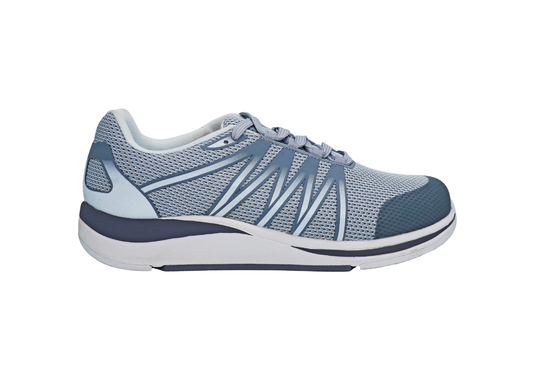
Arch support shoes address conditions such as flat feet, plantar fasciitis, and heel pain by maintaining alignment and reducing local strain. Properly designed shoes distribute load, limit excessive motion, and reduce the mechanical drivers of pain.
- Arch Support: Essential for maintaining foot alignment and reducing strain.
- Cushioned Soles: Provide comfort and shock absorption during movement.
- Wide Toe Box: Allows for natural toe splay, enhancing comfort and stability.
What Features Define Effective Arch Support Shoes for Heel Pain Relief?
Shoes for heel pain should combine targeted arch support with shock-absorbing soles and a comfortable toe box. These elements work together to offload the heel and promote a more favourable loading pattern during gait.
- Arch Support: Proper arch support is crucial for alleviating heel pain and maintaining foot alignment.
- Cushioned Soles: Shoes with cushioned soles help absorb shock and reduce pressure on the heel.
- Wide Toe Box: A wide toe box allows for natural toe movement, which can enhance comfort and stability.
For targeted relief from heel discomfort, exploring specialized heel pain shoes can provide significant comfort and support.
How to Choose Arch Support Shoes Tailored to Your Foot Type?
Choose shoes by first identifying your arch type, then matching features to your activities. Prioritise adequate arch support, cushioning, and a fit that avoids pressure points. This approach ensures the shoe addresses the mechanical needs of your foot.
What Foot Pain Relief Options Do Plantar Fasciitis Support Footwear Offer?
Footwear for plantar fasciitis focuses on arch support to reduce strain on the plantar fascia, cushioning to absorb impact, and proper fit to avoid new pressure points. Combined, these features reduce pain and support recovery.
- Arch Support: Essential for reducing strain on the plantar fascia.
- Cushioned Soles: Help absorb shock and provide comfort during movement.
- Proper Fit: Ensures that the shoe supports the foot without causing additional pressure points.
Which Orthopedic Footwear Technologies Are Recommended by Medical Experts?
Clinicians commonly recommend technologies that deliver targeted arch support, advanced cushioning for shock reduction, and ergonomic shapes that follow the foot's natural contours. These features have the strongest evidence for improving comfort and function.
- Arch Support Systems: Designed to provide targeted support for the arch.
- Cushioning Technologies: Advanced cushioning materials that enhance comfort and shock absorption.
- Ergonomic Designs: Footwear that conforms to the natural shape of the foot for improved fit and stability.
Individuals dealing with joint pain and inflammation can find relief and improved mobility through arthritis footwear, which is designed with specialized support and cushioning.
What Should You Consider When Choosing Foot Support Products?
Consider product type, your specific foot condition, and the features that target pain relief. Matching the device to your needs ensures better outcomes than choosing by price or appearance alone.
- Types of Products: Understand the different types of foot support products available, such as insoles, shoes, and sandals.
- Individual Needs: Assess your specific foot conditions and requirements to find the most suitable options.
- Key Features for Pain Relief: Look for products that offer the essential features needed for effective pain relief.
How to Assess Foot Conditions for Optimal Footwear Selection?
Assess symptoms, seek professional evaluation, and compare product features to your clinical needs. A structured assessment helps identify the most effective footwear for pain relief and functional improvement.
- Identify Symptoms: Take note of any pain or discomfort you experience in your feet.
- Consult Professionals: Seek advice from healthcare professionals or podiatrists to gain insights into your foot health.
- Evaluate Key Features: Consider the features of potential footwear options to ensure they meet your specific needs.
What Role Do Medical Recommendations and Research Play in Foot Support Choices?
Medical advice and peer-reviewed research guide effective product selection. Consulting specialists provides personalised recommendations, while current research helps you choose solutions supported by clinical evidence.
