
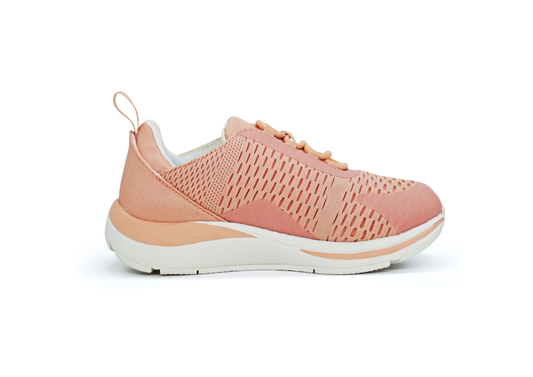
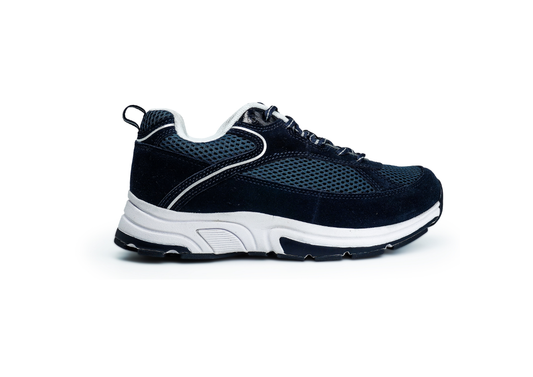

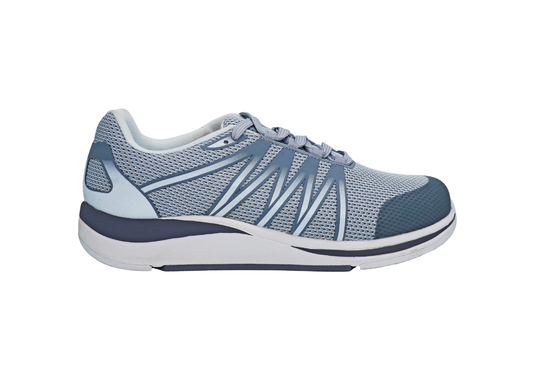

orthopedic slippers
Orthopedic Slippers for Foot Pain Relief and Support: Comprehensive Guide to Choosing the Best Footwear
By Dr. Subramanyam Balaji, Ortho Shoes Corporation
Orthopedic slippers provide targeted comfort and structural support for common foot conditions. They are useful for people with plantar fasciitis, flat feet, arthritis and other painful disorders. This guide explains the features, materials, and design choices that matter for foot health. Understanding these factors helps you choose slippers that reduce pain and improve daily function. The article covers definitions, medical benefits, and recommended models. For men seeking specialised options, explore men's orthopedic shoes for targeted solutions.
Key Features
When choosing orthopedic slippers, prioritise features that deliver measurable support and comfort. Key elements include:
- Arch Support: Proper arch support helps maintain foot alignment and reduces strain on the feet.
- Cushioned Soles: Cushioned soles provide shock absorption, making each step more comfortable.
- Wider and Deeper Fit: A wider and deeper fit accommodates foot swelling and provides ample space for comfort.
These elements combine to reduce load on painful areas and support healthier foot mechanics.
Materials
Material choice directly affects comfort, durability, and therapeutic performance. Common components include:
- Cushioning Materials: These materials provide softness and support, enhancing comfort during wear.
- Durable Uppers: High-quality uppers ensure longevity and maintain the slipper's shape over time.
- Water-Resistant Construction: Water-resistant materials help protect the slippers from moisture, making them suitable for various environments.
Selecting slippers made from supportive, long-wearing materials improves day-to-day comfort and extends functional life.
Design Considerations
Design details determine how well a slipper supports natural foot movement and reduces fatigue. Important considerations include:
- Ergonomic Design: An ergonomic design promotes natural foot movement and reduces fatigue.
- Lightweight Outsole: A lightweight outsole minimizes the effort required to walk, making them ideal for daily use.
- Soft Protective Lining: A soft lining prevents irritation and provides additional comfort.
Thoughtful design features work together to improve stability, comfort and long-term foot health.
Recommendations
For reliable options, consider these slippers that address common foot concerns and construction priorities:
- Vionic Men's Relax Slipper: Known for its excellent arch support and cushioned sole, this slipper is ideal for daily wear.
- Orthofeet Asheville Slipper: This slipper features a wide toe box and soft lining, making it perfect for individuals with sensitive feet.
- RockDove Two-Tone Memory Foam Slipper: With its memory foam insole, this slipper offers exceptional comfort and support.
These models represent different approaches to arch support, fit and cushioning to meet varied clinical needs.
What Are Orthopedic Slippers and How Do They Improve Foot Health?
Orthopedic slippers are purpose-built footwear that supports foot structure and reduces pain. They use targeted features such as arch support and cushioning to promote alignment and decrease strain on tissues. Properly chosen slippers can improve comfort and support functional movement.
Definition
Orthopedic slippers are footwear designed to support the foot's natural structure and alleviate discomfort associated with various foot conditions. They often include features such as arch support, cushioning, and a wider fit to accommodate foot deformities.
Design Features
Key design features of orthopedic slippers include:
- Arch Support: Essential for maintaining proper foot alignment.
- Cushioned Soles: Provide comfort and shock absorption.
- Adjustable Straps: Allow for a customized fit.
These features work together to stabilise the foot, reduce pressure on sensitive areas, and improve comfort during daily activities.
Medical Benefits
The medical benefits of using orthopedic slippers are significant. They can help alleviate pain associated with conditions such as plantar fasciitis, arthritis, and diabetes. By providing proper support and cushioning, these slippers can improve mobility and reduce discomfort.
Addressing Common Foot Conditions
Orthopedic slippers are particularly effective in addressing common foot conditions, including:
- Plantar Fasciitis: The arch support and cushioning help relieve heel pain.
- Diabetes: Diabetic-friendly options provide extra depth and seamless interiors to protect sensitive feet.
Manufacturers design these slippers to meet the specific needs of those conditions, reducing pressure and improving daily comfort.
Importance of Arch Support
Arch support is crucial in orthopedic slippers as it helps correct foot alignment and reduces strain on the feet. Proper arch support can prevent further complications and enhance overall foot health.
Diabetic-Friendly Options
Diabetic-friendly orthopedic slippers often feature:
- Extra Depth: To accommodate foot swelling and prevent pressure points.
- Seamless Interiors: To reduce the risk of skin irritation and ulcers.
These design elements protect vulnerable skin and reduce friction. Those with diabetes can find specialised footwear at diabetic-friendly footwear options.
Which Orthopedic Slippers Provide Effective Relief for Plantar Fasciitis?
When looking for slippers that effectively relieve plantar fasciitis, consider the following key features:
- Arch Support: Essential for alleviating heel pain.
- Cushioned Sole: Provides comfort and shock absorption.
- Stability: Ensures proper foot alignment during movement.
Key Features of Plantar Fasciitis Relief Slippers
Slippers designed for plantar fasciitis relief typically include:
- Contoured Footbeds: To support the arch and heel.
- Shock-Absorbing Materials: To reduce impact on the feet.
These features deliver targeted support to the heel and arch, reducing stress on the plantar fascia. For targeted relief, explore shoes for heel pain.
Extending supportive footwear use to indoor settings increases the total time your feet receive structural support and can help reduce symptoms over time.
Orthotic Sandals for Plantar Fasciitis Symptom Relief
A 2023 randomised controlled trial found that using orthotic sandals together with prefabricated orthotics may increase symptom relief for plantar fasciitis by extending periods of supported wear inside the home.Use of orthotics with orthotic sandals versus the sole use of orthotics for plantar fasciitis: Randomised controlled trial, 2023
How Arch Support Enhances Heel Pain Alleviation
Arch support redistributes load across the foot, lowering concentrated pressure on the heel. That weight distribution helps maintain alignment and reduces strain on inflamed tissues common in plantar fasciitis.
How Do Diabetic-Friendly Slippers Protect and Support Sensitive Feet?
Diabetic-friendly slippers are specifically designed to cater to the needs of individuals with diabetes. They provide essential support and protection for sensitive feet.
Design Features
Key design features of diabetic-friendly slippers include:
- Structured Arch Support: To maintain foot alignment.
- Seamless Interiors: To prevent friction and irritation.
These features reduce shear forces and pressure points, lowering the risk of skin breakdown and discomfort.
Materials Used
The materials used in diabetic-friendly slippers often include:
- Low-Friction Linings: To reduce the risk of blisters.
- Cushioned Insoles: To provide comfort and support.
Using low-friction linings and cushioned insoles helps protect vulnerable skin while offering stable support for daily activities.
Benefits for Foot Health
Diabetic-friendly slippers offer several benefits for foot health, including:
- Prevention of Ulcers: By reducing pressure points and friction.
- Improved Circulation: Through proper fit and support.
These advantages contribute to safer daily wear and help preserve foot integrity for people with diabetes.
What Are the Best Orthopedic Slippers for Flat Feet and Arch Support?
For individuals with flat feet, selecting the right orthopedic slippers is crucial for maintaining comfort and support. The best options typically include:
- Arch Support Slippers: Designed to provide the necessary support for flat feet.
- Cushioned Slippers: To enhance comfort and reduce impact.
Importance of Arch Support Footwear for Flat Feet
Arch support footwear is vital for individuals with flat feet as it helps correct alignment and reduces strain on the feet. Proper support can prevent further complications and enhance overall foot health.
Comparing Slipper Types for Optimal Foot Alignment
When comparing slipper types for optimal foot alignment, consider:
- Arch Support Slippers: Provide targeted support for flat feet.
- Cushioned Slippers: Offer comfort and shock absorption.
Selecting the right combination of arch support and cushioning produces better alignment and reduces fatigue during daily use.
How Can Orthopedic Slippers Help Relieve Arthritis and General Foot Pain?
Orthopedic slippers can provide significant relief for individuals suffering from arthritis and general foot pain. Their design focuses on comfort and support, making them an excellent choice for those in need. Those experiencing arthritis pain can find specialized footwear at arthritis footwear collections.
Features of Orthopedic Slippers
Key features of orthopedic slippers that help relieve arthritis pain include:
- Cushioned Soles: To absorb shock and reduce impact.
- Arch Support: To maintain proper alignment and reduce strain.
These features reduce joint stress and provide a more comfortable base for walking and standing.
Benefits of Orthopedic Slippers
The benefits of using orthopedic slippers for arthritis sufferers include:
- Pain Relief: Through proper support and cushioning.
- Improved Mobility: By reducing discomfort during movement.
Consistent use can help patients move more easily and maintain activity levels with less pain.
Customer Testimonials on Foot Pain Relief Benefits
Many users report significant improvements in foot pain relief after switching to orthopedic slippers. Their experiences highlight the effectiveness of these specialized footwear options in enhancing comfort and support.
What Should You Consider When Choosing Orthopedic Slippers?
When selecting orthopedic slippers, several factors should be considered to ensure you choose the best option for your needs.
Features for Foot Pain Relief
Key features to look for include:
- Arch Support: Essential for maintaining proper alignment.
- Cushioned Soles: To provide comfort and shock absorption.
Prioritise these features to address the mechanical causes of pain rather than only masking symptoms.
Support Options
Consider the support options available, such as:
- Removable Insoles: Allow for customization and adjustment.
- Adjustable Closures: Ensure a secure fit.
Removable insoles and adjustable closures let you tailor fit and support to your specific needs or orthotic devices.
Material Considerations
The materials used in orthopedic slippers are vital for comfort and durability. Look for:
- Breathable Materials: To keep feet cool and dry.
- Durable Outsoles: To ensure longevity.
Choosing breathable, durable materials improves comfort and extends the useful life of the slippers.
Additional Tips
When choosing orthopedic slippers, consider the following tips:
- Fit Considerations: Ensure a proper fit to prevent discomfort.
- Consulting Professionals: Seek advice from healthcare providers for personalized recommendations.
Try slippers on later in the day when feet may be slightly swollen and consult a podiatrist for tailored advice when needed.
Evaluating Support, Material, and Fit for Foot Health
Evaluating the support, material, and fit of orthopedic slippers is essential for ensuring optimal foot health. Consider the following factors:
- Support Evaluation: Assess the level of arch support provided.
- Material Evaluation: Examine the quality and breathability of the materials used.
Careful evaluation of these factors helps you select slippers that provide consistent support and comfort throughout daily use.
Price, User Ratings, and Doctor Recommendations
When selecting orthopedic slippers, consider the price, user ratings, and recommendations from healthcare professionals. These factors can provide valuable insights into the effectiveness and quality of the slippers. For a broader selection of footwear, including general orthopedic options, visit orthoshoes.in.
| Product | Feature | Benefit |
|---|---|---|
| Vionic Men's Relax Slipper | Arch Support | Reduces heel pain |
| Orthofeet Asheville Slipper | Wide Toe Box | Accommodates foot swelling |
| RockDove Two-Tone Memory Foam Slipper | Memory Foam Insole | Provides exceptional comfort |
This comparison highlights the unique features and benefits of each recommended orthopedic slipper, helping you make an informed choice for your foot health.
Frequently Asked Questions
1. Can orthopedic slippers be worn outdoors?
Yes. Many orthopedic slippers are built for both indoor and light outdoor use. Choose models with durable outsoles and tread for traction. Water-resistant uppers increase versatility. Always check the manufacturer’s specifications to confirm suitability for outdoor surfaces.
2. How do I know if I need orthopedic slippers?
Consider orthopedic slippers if you have ongoing foot pain, plantar fasciitis, flat feet, arthritis or swelling. Signs include persistent heel pain, difficulty walking, or sensitivity. A healthcare professional can assess your foot mechanics and recommend appropriate footwear.
3. Are orthopedic slippers suitable for children?
Yes. Children with developmental foot concerns or specific conditions may benefit from supportive slippers. Select child-sized designs that provide arch support, cushioning and a secure fit. Consult a paediatrician or podiatrist for personalised guidance.
4. How should I clean and maintain my orthopedic slippers?
Care depends on materials. Follow the manufacturer’s care instructions. Spot clean most slippers with mild soap and water. Check whether fabric models are machine washable. Inspect soles and insoles regularly and replace slippers when support diminishes.
5. Can I use custom orthotics with orthopedic slippers?
Yes. Many models accept custom orthotics through removable insoles. This lets you combine personalised support with therapeutic slipper features. Ensure the slipper still fits comfortably and provides a secure feel once orthotics are installed.
6. What is the difference between orthopedic slippers and regular slippers?
Orthopedic slippers are engineered to support foot structure and reduce pain, using arch support, cushioning and ergonomic design. Regular slippers prioritise comfort and style without addressing foot mechanics. For foot conditions, choose orthopedic designs to protect long-term foot health.
7. How long can I expect orthopedic slippers to last?
Durability varies with materials, use and care. High-quality orthopedic slippers typically last from six months to two years under normal use. Heavy outdoor use or improper care shortens lifespan. Replace slippers when cushioning or support visibly declines.
